
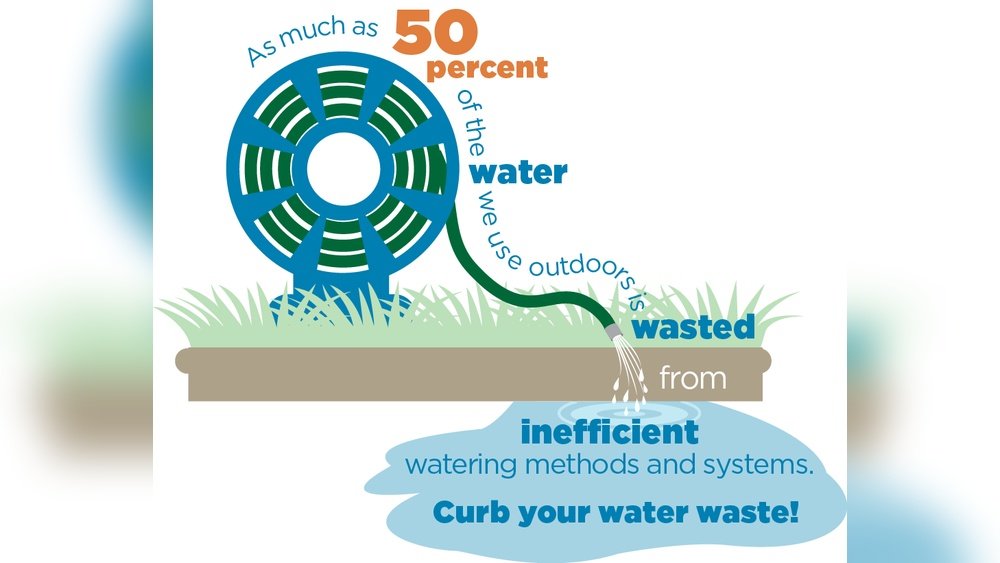
Is your lawn looking thirsty but you’re worried about wasting water? You’re not alone.
Watering your lawn efficiently can save you money, keep your grass healthy, and help protect our precious water resources. But how do you strike that perfect balance? You’ll discover simple, practical tips to water your lawn the smart way—using just the right amount without any waste.
By the end, you’ll know exactly when, how, and how much to water so your lawn stays green and vibrant, while you do your part for the environment. Ready to transform your lawn care routine? Let’s dive in!
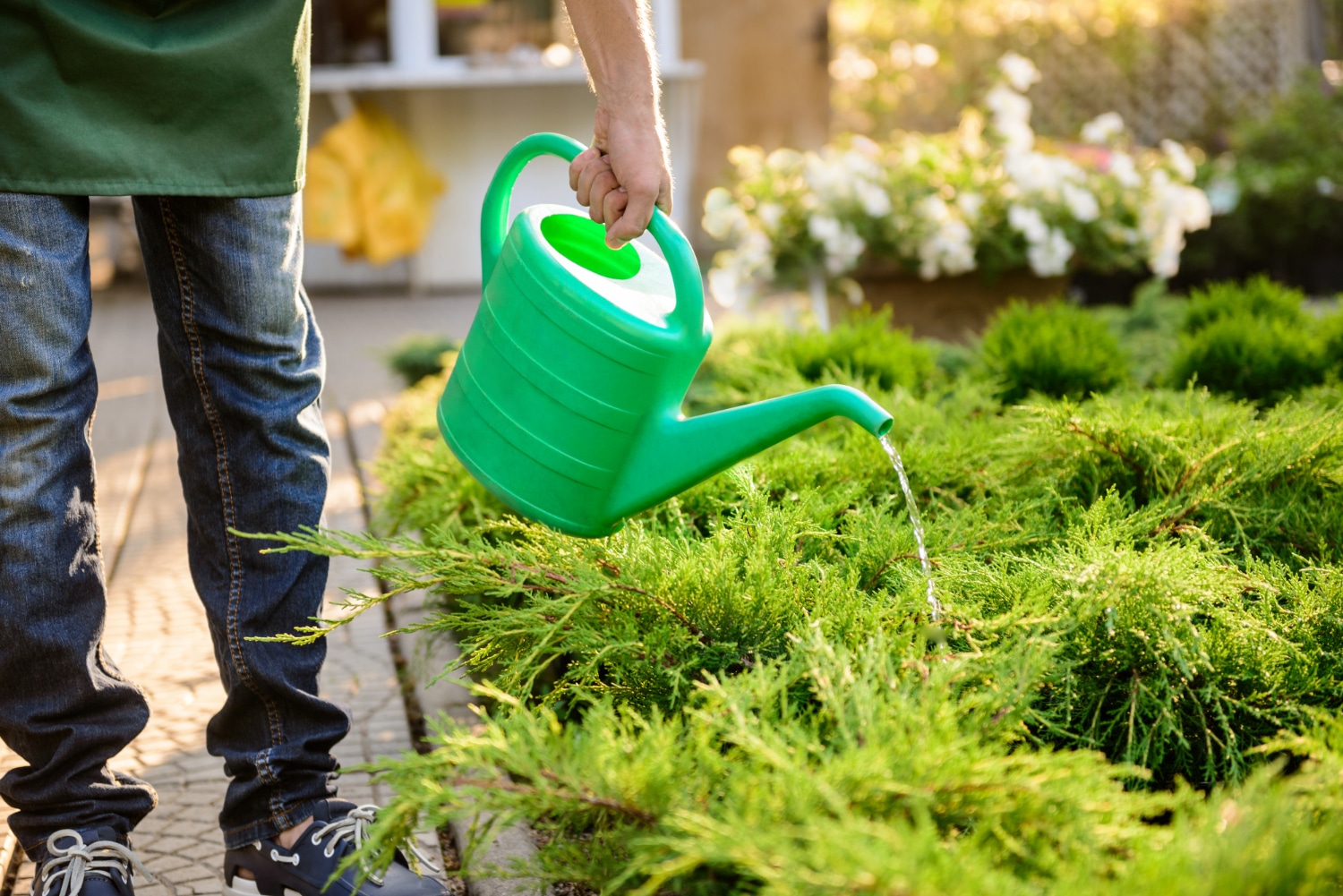
Credit: structurelandscapes.com
Watering Basics
Watering your lawn correctly saves water and keeps grass healthy. Understanding the basics helps you avoid waste. Proper watering supports deep roots and a green lawn. Follow simple rules for better results and less water use.
How Much Water Does Your Lawn Need
Your lawn needs about one inch of water each week. This includes rain and irrigation combined. Too little water makes grass dry and weak. Too much water causes root problems and waste. Use a rain gauge or container to measure water.
Best Time To Water
Water early in the morning, between 4 a.m. and 9 a.m. Cooler temperatures reduce evaporation. Watering then helps roots absorb moisture. Avoid watering in the heat of the day. Night watering can cause disease by keeping grass wet too long.
Frequency Adjustments By Season
Adjust watering based on the season and weather. In spring and fall, water less often but deeply. Summer needs more frequent watering due to heat. Winter usually requires little to no watering. Watch your lawn for signs of drought or overwatering.
Techniques To Save Water
Saving water while keeping your lawn green requires smart watering techniques. These methods help water soak into the soil well. They stop water from running off and being wasted. Efficient watering supports deep roots and a healthy lawn. Use these simple ways to water your lawn without wasting water.
Cycle And Soak Method
This method breaks watering into short cycles. Water a little, then wait for it to soak in. Repeat a few times to reach deep into the soil. It stops water from running off, especially on slopes. This helps roots grow deeper and stronger. It works well with sprinkler systems and drip irrigation.
Deep And Infrequent Watering
Water your lawn deeply but less often. Give a good soak that reaches roots. Then wait for the soil to dry before watering again. This encourages roots to grow deep for better drought resistance. Avoid shallow, frequent watering that wastes water and weakens roots. Deep watering saves water and keeps grass healthy.
Using Drip Irrigation
Drip irrigation delivers water slowly and directly to the roots. It reduces evaporation and runoff. This system uses tubes with small holes or emitters. Place them near plants or lawn edges for best results. Drip irrigation uses less water than sprinklers. It is ideal for gardens, flower beds, and small lawn areas.
Smart Tools For Efficient Watering
Using smart tools can save water and keep your lawn healthy. These tools help you water only when needed and avoid waste. Technology makes lawn care easier and more efficient. Simple devices control watering times and measure soil moisture. This section explains the best smart tools for watering.
Choosing The Right Sprinkler System
Select a sprinkler that fits your lawn size and shape. Rotary sprinklers cover large areas with less water. Stationary sprinklers work well for small or narrow spaces. Look for sprinklers with adjustable nozzles to control water flow. Proper placement reduces water loss from wind or runoff. Choose systems that apply water slowly and evenly.
Using Timers And Sensors
Timers automate watering schedules to avoid overwatering. Set timers for early morning or late evening. These times reduce evaporation and improve water absorption. Sensors detect rain or soil moisture to pause watering. This stops watering during or after rain. Using timers and sensors together saves water and time.
Soil Moisture Meters
Soil moisture meters show how wet the soil is. Insert the meter into the ground near roots. It helps decide when to water and how much. Avoid watering if the soil is still moist. This tool prevents overwatering and water waste. Use meters regularly for best results.
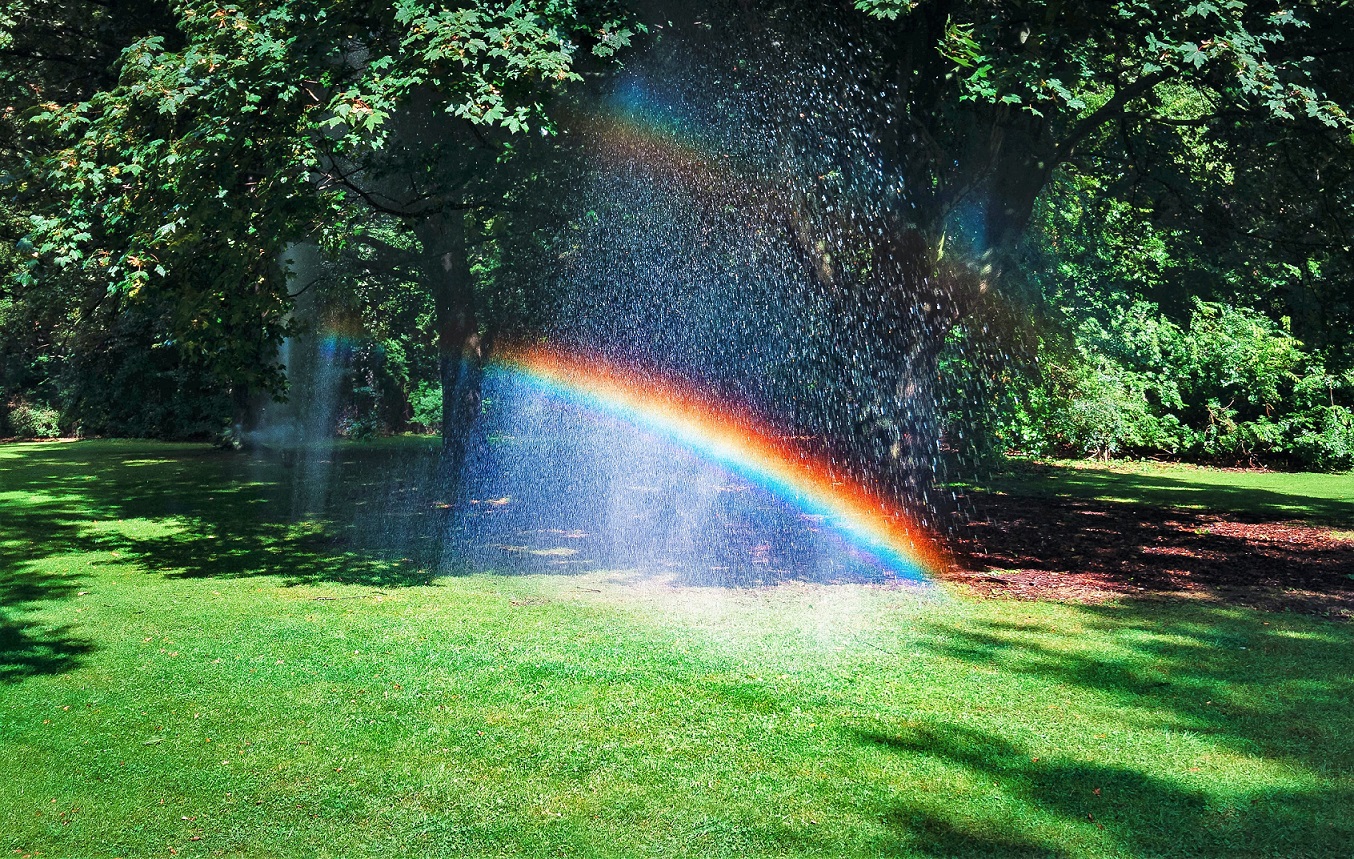
Credit: salsplumbing.com
Lawn Care Tips To Enhance Efficiency
Efficient lawn care reduces water use and keeps grass healthy. Simple changes in mowing, aeration, and grass type can make a big difference. These tips help water soak in better and lower evaporation. Save water while growing a green lawn.
Mowing For Water Conservation
Cut grass to the right height for your lawn type. Taller grass shades roots and holds soil moisture. Avoid cutting more than one-third of the blade at once. Use sharp mower blades to prevent tearing. Mowing less often helps grass stay strong and use water wisely.
Aerating To Improve Absorption
Aeration creates small holes in the soil. These holes let water reach deep roots faster. Aerate your lawn at least once a year. This reduces soil compaction and improves water absorption. Use a spike or plug aerator for best results. Aeration helps water soak in, not run off.
Selecting Drought-resistant Grass
Choose grass types that need less water. Bermuda, buffalo, and fescue grasses are good options. These grasses survive dry spells better than others. Planting drought-resistant grass cuts water use and saves time. They stay green longer with less frequent watering.
Common Mistakes To Avoid
Watering your lawn efficiently means avoiding common mistakes that waste water. Many people overwater or water at the wrong time. Others do not consider the soil type, which affects how water is absorbed. Avoiding these errors helps keep your lawn healthy and saves water.
Overwatering And Runoff
Overwatering is a major mistake. It causes water to run off the lawn instead of soaking in. Runoff wastes water and can wash away nutrients from the soil. Water your lawn slowly and in smaller amounts. This allows the soil to absorb water deeply.
Watering During The Heat Of Day
Watering when the sun is high causes quick evaporation. Most water disappears before it reaches the roots. Water early in the morning or late in the evening. Cooler temperatures help water soak into the soil better.
Ignoring Soil Type Differences
Different soils absorb water differently. Sandy soil drains quickly and needs more frequent watering. Clay soil holds water longer but absorbs it slowly. Know your soil type and adjust watering times and amounts accordingly. This prevents water waste and keeps grass healthy.
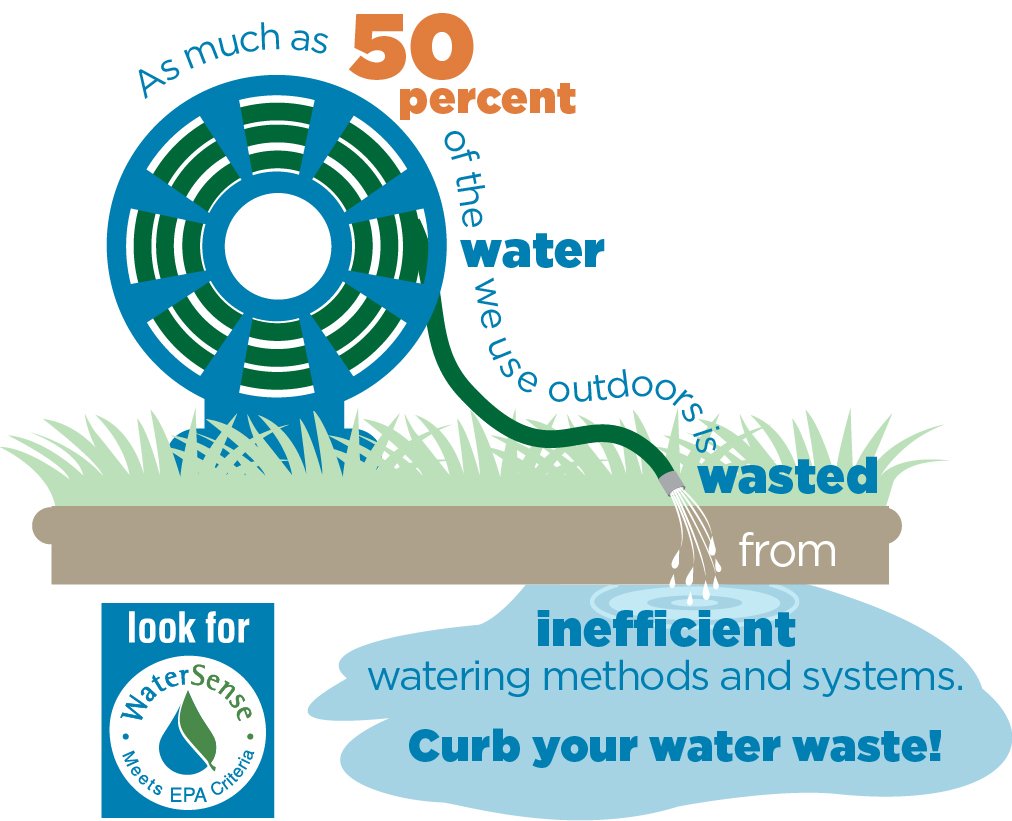
Credit: corporate.homedepot.com
Frequently Asked Questions
What Is The Most Efficient Way To Water Your Lawn?
Water your lawn deeply but less often using the cycle and soak method. Water early mornings to reduce evaporation and promote deep root growth.
What Is The 30/30 Rule For Irrigation?
The 30/30 rule for irrigation means watering for 30 minutes, then waiting 30 minutes before watering again. This prevents runoff and improves water absorption.
What Is The 1/2/3/2:1 Watering Method?
The 1/2/3/2:1 watering method schedules watering intervals: 1 day, then 2 days, 3 days, 2 days, followed by 1 day. It promotes deep root growth and conserves water efficiently.
How Many Minutes Should You Water Your Lawn For?
Water your lawn 15 to 30 minutes per zone, 2-3 times a week. Use cycle and soak to prevent runoff and promote deep roots. Water early morning for best absorption and minimal evaporation. Adjust frequency by season and soil type.
Conclusion
Watering your lawn efficiently saves water and keeps grass healthy. Use early morning hours to reduce evaporation. Water deeply but less often to promote strong roots. Check your sprinkler system for leaks or blockages regularly. Adjust watering based on weather and season changes.
Small changes make a big difference over time. Your lawn will stay green while using less water. Simple steps protect the environment and your water bill. Start applying these tips today for a lush, water-wise lawn.