
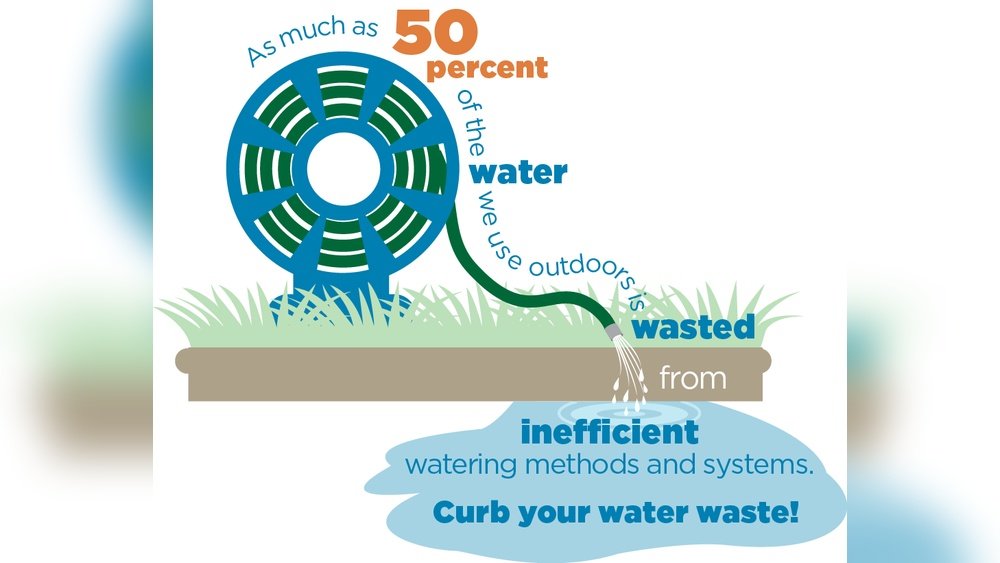
Are you tired of seeing your water bill climb every time you tend to your garden? You don’t have to choose between a thriving garden and saving water.
By using smart irrigation techniques, you can reduce water usage without sacrificing the health and beauty of your plants. Imagine watering your garden efficiently, cutting waste, and encouraging deeper root growth—all while keeping your garden lush and vibrant. You’ll discover practical tips and easy-to-apply irrigation methods that help you save water, lower costs, and make your garden more sustainable.
Keep reading to transform your watering routine and watch your garden flourish with less water.
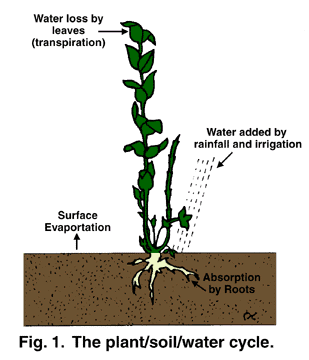
Credit: aggie-horticulture.tamu.edu
Water-saving Irrigation Methods
Water-saving irrigation methods help you use less water while keeping your garden healthy. These techniques reduce waste and deliver water directly to plants. Proper irrigation lowers your water bill and supports plant growth.
Drip Irrigation Benefits
Drip irrigation delivers water slowly and directly to plant roots. This method reduces evaporation and runoff. It uses less water than sprinklers. Plants get the right amount of moisture without wetting leaves. Drip systems also reduce weed growth by limiting water spread.
Cycle And Soak Technique
The cycle and soak method waters plants in short bursts. It allows water to soak deep into the soil. This prevents water from running off the surface. Using cycles helps water reach roots effectively. It is useful on slopes or hard soils where water drains quickly.
Avoiding Water Runoff
Water runoff wastes water and causes erosion. To avoid runoff, water slowly and avoid overwatering. Use mulch to help soil absorb water better. Adjust irrigation timing to early morning or late evening. These steps keep water in the soil longer and help plants absorb it fully.
Optimizing Irrigation Scheduling
Optimizing irrigation scheduling is a key step to reduce water use in your garden. Proper timing and control of watering help plants absorb water efficiently. This reduces waste and keeps plants healthy. Using smart irrigation habits saves water and lowers your bill.
Watering Early Morning
Water your garden early in the morning. Cooler temperatures reduce evaporation. Plants absorb moisture better at this time. Morning watering also helps prevent diseases. Avoid watering in the heat of the day when water loss is highest.
Using Scheduling Devices
Install scheduling devices to control watering times. Timers and smart controllers automate irrigation. They ensure water runs only when needed. This avoids overwatering and runoff. Scheduling devices adapt to weather changes and soil moisture levels.
Adjusting Watering Times
Change watering times based on plant needs and season. Water less in cooler months and more during hot weather. Shorten watering cycles to prevent water runoff. Monitor your garden regularly and adjust schedules to match growth stages.
Maintaining Your Irrigation System
Maintaining your irrigation system is key to reducing water use in your garden. A well-kept system delivers water efficiently. It prevents waste and keeps plants healthy. Regular checks and cleaning improve system performance. This section explains how to keep your system in top shape.
Checking For Leaks
Leaks cause water loss and increase your water bill. Walk around your garden and inspect pipes and hoses. Look for wet spots or pooling water. Tighten loose connections and replace damaged parts. Fixing leaks saves water and helps your system work better.
Clearing Emitters And Tubing
Emitters and tubing can clog with dirt or minerals. Clogged parts reduce water flow and coverage. Remove emitters and flush tubing with clean water. Use a soft brush to clean emitter openings. Regular cleaning keeps water flowing evenly to plants.
Managing Friction Loss
Friction loss happens when water slows down in narrow tubes. It lowers pressure and reduces watering efficiency. Use wider tubing for long runs to reduce friction. Keep tubing straight and avoid sharp bends. Proper management ensures water reaches every plant well.

Credit: www.extension.iastate.edu
Enhancing Soil And Plant Health
Enhancing soil and plant health is vital to reduce water use in your garden. Healthy soil holds water better. Strong plants need less frequent watering. Improving these factors supports efficient irrigation.
Simple methods can boost soil moisture retention and root strength. These practices help your garden thrive with less water.
Using Mulch To Retain Moisture
Mulch covers the soil surface and slows evaporation. It keeps soil cool and moist longer. Organic mulches like wood chips or straw break down, enriching soil. Mulching reduces weed growth, lowering water competition. Spread 2 to 4 inches of mulch around plants for best results.
Creating Mulched Wetted Strips
Mulched wetted strips focus moisture near plant roots. These strips combine mulch with irrigation lines or drip emitters. The mulch holds water close to roots, cutting evaporation. This method conserves water by targeting moisture precisely where plants need it.
Encouraging Deep Root Growth
Deep roots access water stored deep in soil. Water less often but deeply to promote root growth. Shallow watering encourages weak roots near the surface. Strong roots improve plant drought resistance and reduce irrigation needs. Use drip irrigation to soak soil slowly and deeply.
Capturing And Reusing Rainwater
Capturing and reusing rainwater helps lower water use in your garden. It saves money and supports the environment. Rainwater is natural and free of chemicals, perfect for plants. Collecting rainwater reduces demand on city water systems. It also helps during dry spells by providing a steady water supply.
Installing Rain Barrels
Rain barrels collect water from your roof gutters. Place them under downspouts to catch rain. Use food-grade barrels to keep water clean. Connect a hose or spigot for easy watering access. Rain barrels store water for garden use during dry days. Regularly check and clean barrels to avoid blockages.
Preventing Water Butt Odors
Stagnant water can cause bad smells in water butts. To prevent odors, cover the barrel tightly. Add a small aquarium pump to keep water moving. Clean the barrel every few months to remove dirt and algae. Use mosquito dunks to stop mosquito larvae growth. Fresh water smells help keep plants healthy.
Slimline Rainwater Solutions
Slimline rainwater tanks fit in small garden spaces. They collect and store large water amounts without taking much room. These tanks are easy to connect to your irrigation system. Slimline tanks come in various colors to match your home. They offer a neat, efficient way to save rainwater for garden use.
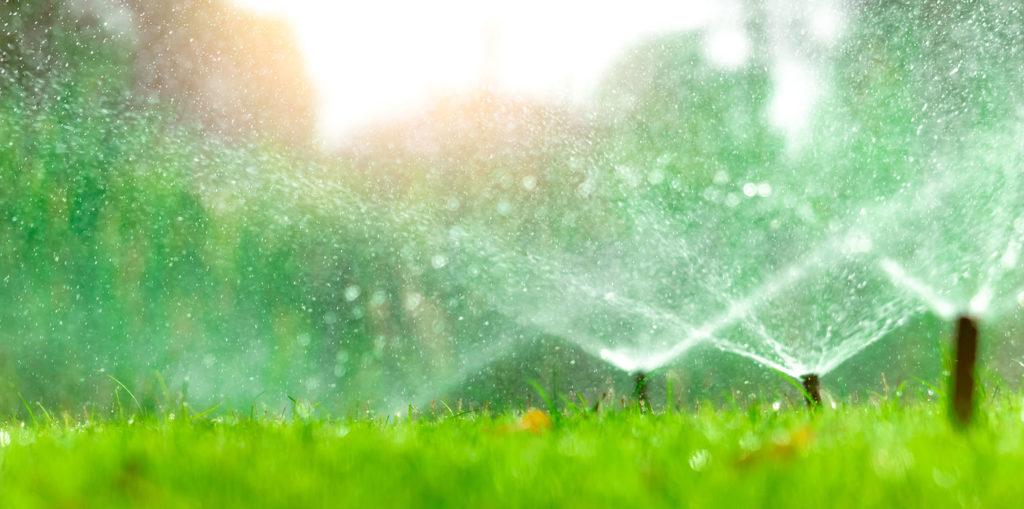
Credit: livingcolorgardencenter.net
Water Conservation Tips For Sloped Gardens
Gardens on slopes need special care to save water. Water runs off quickly on sloped ground. This causes waste and dry plants. Using smart irrigation helps keep water where plants need it most. These tips help you water your sloped garden wisely and save water.
Slope Irrigation Strategies
Use drip irrigation to deliver water slowly to roots. It reduces runoff and evaporation. Water in short cycles to let soil soak water fully. Avoid watering at once. Place emitters along contour lines to slow water flow. This keeps water on your slope longer.
Preventing Soil Erosion
Soil erosion washes away topsoil and water. Plant ground covers or grasses to hold soil. Add mulch to protect soil and keep it moist. Build terraces or small barriers to slow water. These methods keep soil healthy and water in place.
Optimizing Water Absorption
Improve soil with organic matter to hold water better. Use deep watering to encourage strong roots. Water early in the morning or late at night to reduce evaporation. Avoid watering on windy days. These steps help plants soak up water fully.
Frequently Asked Questions
What Is The 30/30 Rule For Irrigation?
The 30/30 rule for irrigation means watering for 30 minutes, then waiting 30 minutes before watering again. This prevents runoff and promotes deep soil absorption.
How To Reduce Irrigation Water Usage?
Reduce irrigation water usage by installing drip irrigation, watering early morning, mulching soil, scheduling irrigation, and fixing leaks promptly.
What Is The Highest Water Saving Method Of Irrigation?
Drip irrigation saves the most water by delivering water directly to plant roots, reducing evaporation and runoff efficiently.
How To Reduce Water Usage In A Garden?
Use drip irrigation to target roots and reduce waste. Water early mornings to limit evaporation. Mulch soil to retain moisture. Collect rainwater with barrels. Adjust watering based on soil moisture and plant needs.
Conclusion
Reducing water use in your garden saves money and helps the environment. Use drip irrigation to water plants directly at the roots. Water early or late in the day to reduce evaporation. Apply mulch to keep soil moist longer. Regularly check your system for leaks or clogs.
These simple steps keep your garden healthy with less water. Start small and watch your garden thrive while conserving water. Smart irrigation makes a big difference over time.