
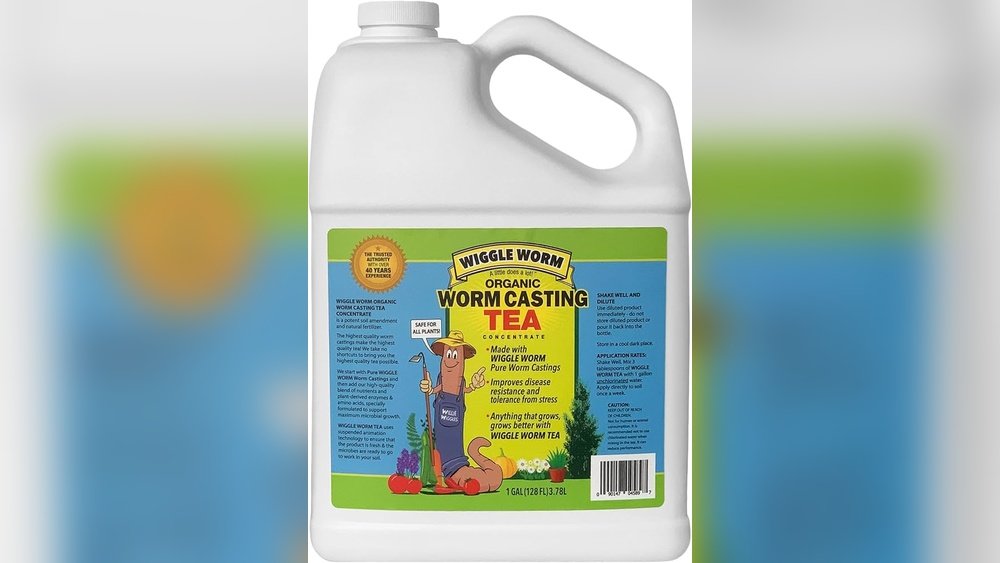
Are you looking to keep your liquid fertilizers fresh and effective for the long haul? Storing them properly isn’t just about convenience—it’s about protecting your investment and ensuring your plants get the nutrients they need when they need them.
Imagine opening a container months from now, only to find your fertilizer has spoiled or lost its strength. Frustrating, right? You’ll discover simple, practical steps to store your liquid fertilizers safely. By following these tips, you can save money, avoid waste, and keep your garden thriving season after season.
Let’s dive in and make sure your fertilizers stay in top shape for future use.
Choosing The Right Container
Choosing the right container for storing liquid fertilizers is very important. The container keeps the fertilizer safe and fresh. It also stops spills and leaks. The right container protects the liquid from air and sunlight. This helps the fertilizer keep its quality for a long time.
Material Types
Containers made of plastic are common for liquid fertilizers. High-density polyethylene (HDPE) plastic is strong and does not break easily. It resists chemicals inside the fertilizer. Glass containers can work but are fragile and heavy. Metal containers are less common because they may rust. Choose containers that do not react with fertilizers.
Container Size
Pick a container size that fits the amount of fertilizer. Small containers are easy to carry and use. Large containers are good for storing big amounts but can be heavy. Avoid containers that are too big or too small for your needs. The right size reduces waste and helps with handling.
Sealing Mechanisms
A tight seal is key to keeping liquid fertilizers fresh. Containers with screw caps or snap lids work well. Look for lids that do not leak or let air in. Some containers have rubber gaskets for extra sealing. Good sealing stops spills and protects fertilizer from air and moisture.
Storage Location Tips
Choosing the right place to store liquid fertilizers is very important. Proper storage helps keep the fertilizer effective and safe. It also prevents accidents and damage. Small details about the location can make a big difference. Follow these tips to keep your fertilizers in the best condition for future use.
Temperature Control
Keep liquid fertilizers in a cool place. High temperatures can break down nutrients quickly. Avoid spots that get too hot, like near heaters or boilers. Cold temperatures can cause some liquids to thicken or freeze. Aim for a steady temperature between 40°F and 85°F. This range helps keep fertilizers stable and ready to use.
Avoiding Sunlight Exposure
Sunlight can harm liquid fertilizers. UV rays break down chemicals and reduce their strength. Store containers in dark or shaded areas. A closed cabinet or a shaded shed works well. Avoid windows or places where sunlight hits directly. This keeps fertilizers fresh longer and prevents chemical changes.
Ventilation Needs
Good airflow is important for safe fertilizer storage. Ventilation stops buildup of fumes that can be harmful. Store fertilizers in a well-ventilated room or space. Avoid tight, sealed containers in small, closed rooms. Fresh air lowers risks and keeps the environment safe for people and plants.
Handling And Safety Measures
Handling liquid fertilizers with care is essential for safety and effectiveness. Proper safety measures reduce risks to health and the environment. Safe handling protects you, others, and your storage area.
Protective Gear
Wear gloves to protect your hands from chemicals. Use goggles to shield your eyes from splashes. Long sleeves and pants prevent skin contact. Always use a mask if fumes are strong. Protective gear limits direct exposure to harmful substances.
Spill Prevention
Store fertilizers in sturdy containers with tight lids. Keep containers on a stable, flat surface. Avoid placing them near edges to prevent falls. Clean any spills immediately using absorbent materials. Prevent spills to avoid accidents and contamination.
Proper Labeling
Label all containers clearly with the fertilizer type and date. Use waterproof markers or printed labels for durability. Include safety warnings and handling instructions on labels. Proper labeling helps avoid confusion and misuse. It ensures quick identification during emergencies.

Credit: www.amazon.com
Maintaining Fertilizer Quality
Maintaining the quality of liquid fertilizers is key to keeping them effective and safe. Proper care helps prevent changes in their chemical makeup. This care also stops contamination and loss of nutrients. Store fertilizers in the right conditions to keep them fresh longer. Follow simple steps to check and maintain their quality over time.
Regular Inspection
Check stored liquid fertilizers often. Look for changes in color, smell, or thickness. These signs show the fertilizer might be spoiled. Inspect containers for leaks or cracks. Damaged containers can cause spills and waste. Keep the storage area clean and dry. Remove any dirt or debris around the containers.
Agitation And Mixing
Shake or stir liquid fertilizers before use. Some ingredients settle at the bottom over time. Mixing helps spread nutrients evenly. Use a clean tool to stir. Avoid contamination by not mixing different fertilizers together. Proper agitation keeps the fertilizer balanced and ready to apply.
Shelf Life Awareness
Know the shelf life of each fertilizer type. Most liquid fertilizers last from 6 months to 2 years. Write the purchase date on containers. Use older fertilizers first to avoid waste. Expired products lose effectiveness and may harm plants. Dispose of any fertilizer past its shelf life safely.
Disposal Of Expired Fertilizers
Expired liquid fertilizers can lose their effectiveness and may become harmful if stored too long. Proper disposal of these fertilizers is important to protect health and the environment. Disposing of expired fertilizers safely prevents pollution and avoids risks to people and animals. Follow guidelines to handle expired fertilizers with care and responsibility.
Safe Disposal Methods
Check the label for disposal instructions. Many fertilizers have specific guidelines on the container. Take small amounts to a local hazardous waste facility. Do not pour fertilizers down drains or on the ground. If allowed, mix small amounts with soil in a garden area away from water sources. Use sealed containers to prevent leaks during transport. Contact local waste management for disposal help. Avoid burning fertilizers because harmful fumes can form.
Environmental Considerations
Expired fertilizers contain chemicals that can pollute water and soil. They may harm plants, animals, and insects. Avoid dumping fertilizers near rivers, lakes, or storm drains. Protect groundwater by keeping fertilizers away from wells. Proper disposal reduces the risk of toxic runoff. Use community disposal programs to keep chemicals out of nature. Responsible disposal helps maintain a clean and safe environment for everyone.
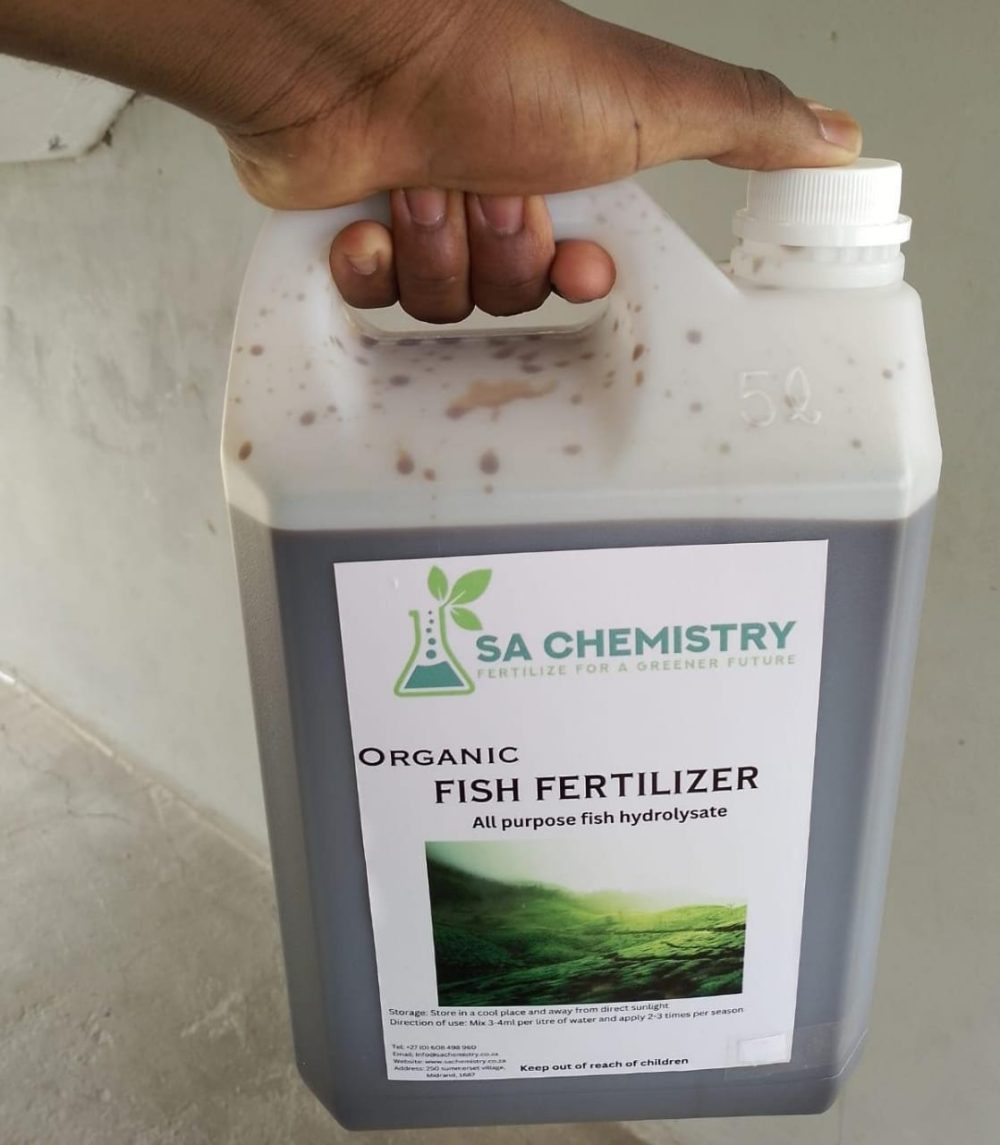
Credit: polyrub.co.in
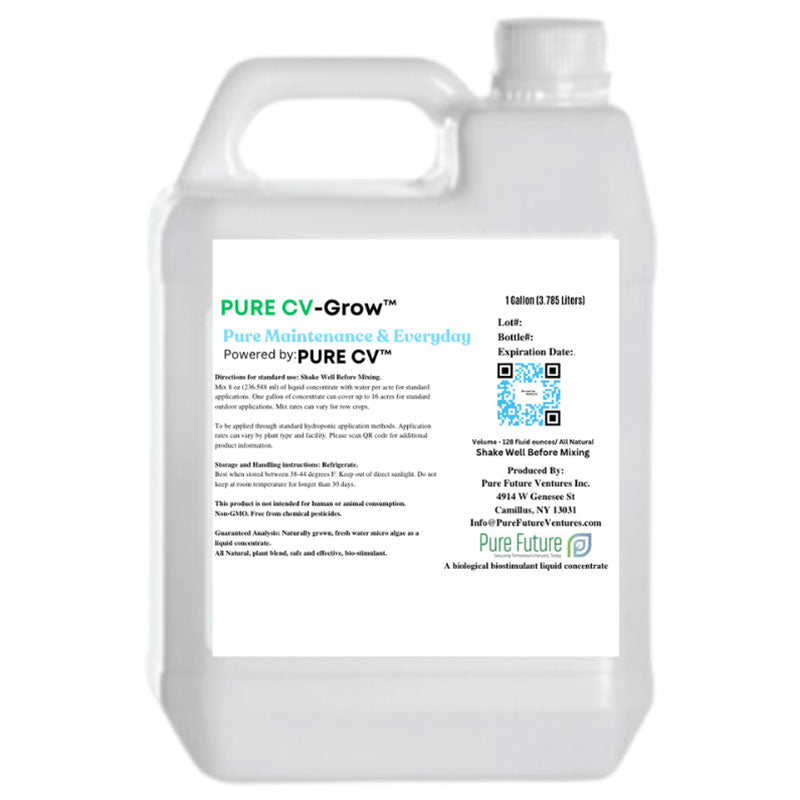
Credit: www.harrisseeds.com
Frequently Asked Questions
How Should I Store Liquid Fertilizers Safely?
Store liquid fertilizers in cool, dry, and well-ventilated areas. Use sealed, labeled containers away from direct sunlight and heat sources. Avoid storing near incompatible chemicals to prevent reactions. Proper storage extends shelf life and ensures safety during handling and future use.
What Containers Are Best For Liquid Fertilizers?
Use containers made of high-density polyethylene (HDPE) or similar corrosion-resistant materials. Ensure containers have tight-fitting lids to prevent leaks and contamination. Avoid metal containers unless specifically designed for fertilizers. Proper containers maintain fertilizer quality and prevent spills.
Can Liquid Fertilizers Be Stored Outdoors?
Avoid storing liquid fertilizers outdoors to prevent temperature extremes and UV damage. Exposure to sunlight and fluctuating temperatures can degrade fertilizer quality. Always store fertilizers in shaded, controlled environments for optimal preservation and safety.
How Long Can Liquid Fertilizers Be Stored Safely?
Liquid fertilizers typically last 6 to 12 months if stored properly. Shelf life depends on fertilizer type, storage conditions, and container quality. Always check manufacturer guidelines and inspect for signs of spoilage before use.
Conclusion
Safe storage of liquid fertilizers keeps them effective and ready to use. Store containers in cool, dry places away from sunlight. Always seal bottles tightly to prevent spills and contamination. Keep fertilizers out of reach of children and pets. Check containers regularly for leaks or damage.
Proper storage extends fertilizer life and protects your garden. Follow these simple steps to save money and reduce waste. Remember, safety first for a healthy garden and home.