
Are you wondering how often to fertilize your garden plants to keep them healthy and blooming? Knowing the right timing can make all the difference between a thriving garden and one that struggles.
Fertilizing too often or not enough can harm your plants, but getting it just right will help them grow strong and vibrant. You’ll discover simple tips and clear guidelines to feed your garden the way it needs. Keep reading to unlock the secrets that will make your garden flourish like never before.
Choosing The Right Fertilizer
Choosing the right fertilizer is key to healthy garden plants. Fertilizer provides nutrients that plants need to grow strong and produce flowers or fruits. Different plants need different nutrients. Knowing how to pick the right fertilizer helps your garden thrive. Consider what your plants need and the soil condition before buying fertilizer.
Types Of Fertilizers
Fertilizers come in many forms. The most common types are granular, liquid, and slow-release. Granular fertilizers spread easily and feed plants over time. Liquid fertilizers work faster and are good for quick nutrient boosts. Slow-release fertilizers feed plants gradually for weeks or months. Choose a type that fits your garden care routine and plant needs.
Organic Vs. Synthetic Options
Organic fertilizers come from natural sources like compost or manure. They improve soil health and release nutrients slowly. Synthetic fertilizers are made from chemicals and give nutrients quickly. They are often cheaper and easier to use. Both types can work well. Organic options suit those who want natural gardening. Synthetic options are good for fast results.
Reading Fertilizer Labels
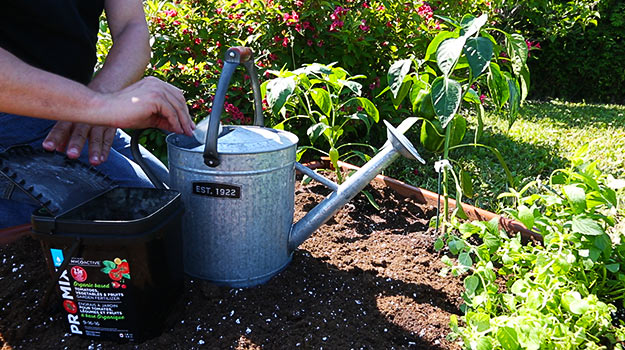
Fertilizer labels show important information. The three numbers on the label tell the amounts of nitrogen, phosphorus, and potassium. These are key nutrients for plants. Nitrogen helps leaves grow, phosphorus supports roots, and potassium strengthens plants. Check the label to pick fertilizer that matches your plant’s needs. Also, look for application instructions and safety warnings.
Credit: www.promixgardening.com
Factors Influencing Fertilizing Frequency
Fertilizing garden plants is not a one-size-fits-all task. Several factors influence how often you should feed your plants. Knowing these factors helps you avoid over-fertilizing or underfeeding. It also ensures your plants grow healthy and strong.
Plant Species And Growth Stage
Different plants need different amounts of nutrients. Fast-growing plants like tomatoes need more frequent feeding. Slow-growing plants need less. Young plants and seedlings need gentle feeding. Mature plants may require stronger doses. Flowering and fruiting stages demand extra nutrients. Adjust fertilizer frequency based on plant type and growth phase.
Soil Quality And Conditions
Soil rich in organic matter needs less fertilizer. Poor or sandy soil drains nutrients quickly. It requires more frequent feeding. Test your soil to check nutrient levels. Soil pH affects nutrient availability. Acidic or alkaline soils may need special fertilizers. Pay attention to soil moisture, as dry soil limits nutrient uptake.
Seasonal Considerations
Plants grow differently in each season. Spring and summer usually need more fertilizer. Growth is faster during these times. Fall and winter slow down plant growth. Fertilizing less often or stopping helps plants rest. Adjust feeding schedule according to the season to match plant needs.
General Fertilizing Schedules
Fertilizing garden plants keeps them healthy and growing strong. Different plants need different feeding schedules. Knowing when and how often to fertilize helps plants get the right nutrients. This guide covers general fertilizing schedules for common garden types. Follow these simple tips to keep your garden thriving all season long.
Vegetable Gardens
Vegetables need regular feeding to produce good crops. Fertilize every 3 to 4 weeks during the growing season. Use a balanced fertilizer with equal nitrogen, phosphorus, and potassium. Early in the season, apply fertilizer before planting. Side-dress plants with fertilizer as they grow. Avoid over-fertilizing, as it can harm plants.
Flower Beds
Flower beds benefit from steady feeding. Apply fertilizer once a month during spring and summer. Use a fertilizer designed for flowering plants. Slow-release fertilizers work well for continuous feeding. Water plants after fertilizing to help nutrients reach roots. Stop feeding in late fall to prepare plants for winter.
Indoor Plants
Indoor plants need less frequent feeding than outdoor gardens. Fertilize every 4 to 6 weeks during active growth. Use a liquid fertilizer diluted to half strength. Avoid fertilizing in winter when plants grow slowly. Indoor plants also need clean pots and fresh soil occasionally. Proper feeding helps keep leaves green and healthy.
:strip_icc()/Fertilizing-plants-0440837aeee64749832645ba62572f95.jpg)
Credit: www.bhg.com
Signs Plants Need Fertilizer
Plants need nutrients to grow strong and healthy. Fertilizer gives these nutrients when soil lacks them. Knowing signs that plants need fertilizer helps keep your garden vibrant. Watch your plants closely for changes in color, size, and bloom. These signs show they may need extra food to thrive.
Yellowing Leaves
Leaves turning yellow can mean nutrient shortage. Nitrogen is often missing if older leaves yellow first. This affects the plant’s ability to make food. Yellow leaves may also signal iron or magnesium deficiency. Fertilizer with balanced nutrients can help green leaves return.
Stunted Growth
Plants that grow slowly or stay small often lack nutrients. Roots may not develop well without enough fertilizer. This limits water and nutrient absorption. Stunted plants may look weak and have fewer leaves. Providing fertilizer boosts growth and strengthens the plant.
Poor Flowering Or Fruit Production
Few flowers or fruits show nutrient problems. Plants need phosphorus and potassium for blooms and fruit. Without these, flowers may drop early or fail to appear. Fertilizer encourages healthy flowering and fruiting. This improves garden beauty and harvest yield.
Common Fertilizing Mistakes To Avoid
Fertilizing garden plants is key for growth and health. Mistakes in fertilizing can harm plants or waste nutrients. Avoiding common errors helps plants thrive and saves time and money. Below are frequent fertilizing mistakes and tips to prevent them.
Over-fertilizing
Too much fertilizer can burn plant roots. It may cause yellow leaves or weak growth. Excess nutrients can also wash away, polluting nearby water. Always follow recommended amounts on the fertilizer package. Less is often better than too much.
Under-fertilizing
Not using enough fertilizer slows plant growth. Plants may have pale leaves or small flowers. Lack of nutrients weakens plants against pests and diseases. Use enough fertilizer to keep plants healthy and strong. Regular feeding supports vibrant garden growth.
Ignoring Soil Testing
Soil tests show nutrient levels and pH balance. Without testing, you may apply wrong fertilizer types. Some soils need more nitrogen, others need phosphorus or potassium. Testing prevents wasted fertilizer and improves plant health. Test soil every few years for best results.
:max_bytes(150000):strip_icc()/GettyImages-959697442-8be195a58b2f4969bc018c4db773c041.jpg)
Credit: www.southernliving.com
Tips For Effective Fertilizer Application
Applying fertilizer correctly helps your garden plants grow strong and healthy. Use simple tips to get the best results. Proper timing, amount, and care after fertilizing matter a lot. These tips help you feed plants without wasting fertilizer or harming them.
Best Time Of Day
Early morning is the best time to fertilize garden plants. The soil is cool, and plants absorb nutrients well. Avoid midday when the sun is hot. Fertilizer can burn leaves in strong sunlight. Late afternoon works too, but avoid evening. This reduces the risk of disease from wet leaves overnight.
Proper Dosage And Distribution
Use the right amount of fertilizer for your plants. Too much can harm roots and leaves. Follow the package instructions carefully. Spread fertilizer evenly around the plant base. Do not pile it close to the stem. Even distribution helps plants absorb nutrients better.
Watering After Fertilizing
Water plants after applying fertilizer. This helps dissolve nutrients and move them to roots. Use a gentle spray to avoid washing away fertilizer. Keep soil moist but not soggy. Proper watering improves fertilizer effectiveness and plant growth.
Frequently Asked Questions
How Often Should I Fertilize Garden Plants?
Fertilize garden plants every 4 to 6 weeks during the growing season. This promotes healthy growth and vibrant blooms. Adjust frequency based on plant type and soil quality. Avoid over-fertilizing to prevent nutrient buildup and root damage.
What Is The Best Fertilizer For Garden Plants?
Balanced fertilizers with equal nitrogen, phosphorus, and potassium work well. Organic options like compost or manure also nourish soil naturally. Choose fertilizers suited to your plant species and soil needs for optimal growth.
Can I Fertilize Garden Plants In Winter?
Most garden plants do not need fertilizing in winter. Fertilizing during dormancy can harm roots and waste nutrients. Resume feeding in early spring when new growth starts for best results.
How Do I Know If My Garden Plants Need Fertilizer?
Yellowing leaves, poor growth, and weak blooms indicate nutrient deficiency. Soil tests can confirm nutrient levels. Regular observation helps determine when to apply fertilizer for plant health.
Conclusion
Fertilizing garden plants regularly helps them grow strong and healthy. Different plants need different amounts of fertilizer. Watch your plants closely to know when they need food. Over-fertilizing can harm roots and slow growth. Use the right type of fertilizer for each plant.
Keep a simple schedule to avoid forgetting. Healthy soil also supports plant nutrition naturally. With care and attention, your garden will thrive year-round. Enjoy the beauty and bounty of well-fed plants.