
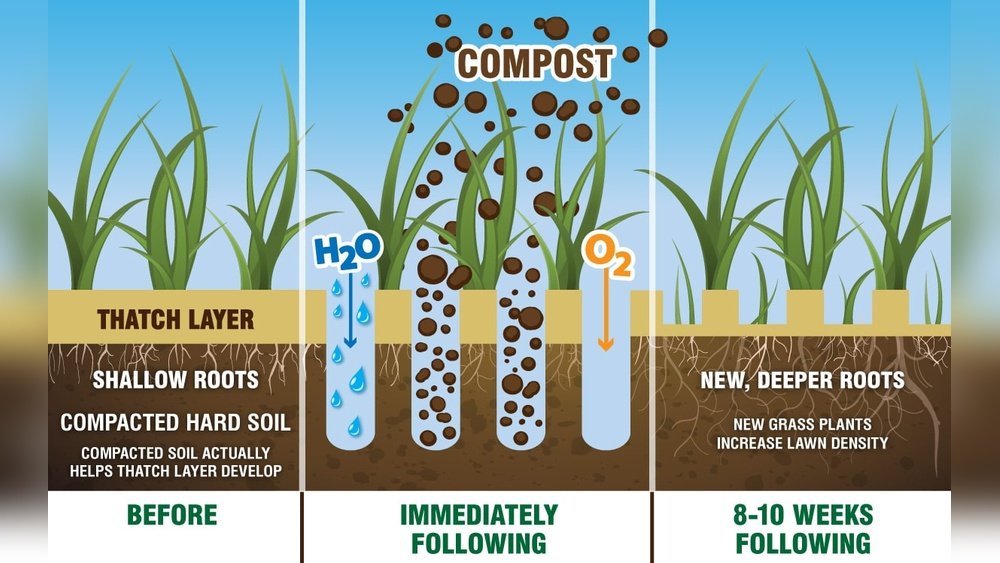
Are you struggling with heavy, compacted soil that leaves your plants gasping for air? Using compost as a soil amendment could be the simple solution you’ve been searching for.
By improving soil aeration, compost helps your garden breathe better, encouraging stronger roots and healthier growth. You’ll discover easy steps to transform your soil with compost and unlock your garden’s full potential. Ready to see your plants thrive like never before?
Keep reading to learn how.
Benefits Of Compost For Soil
Compost brings many benefits to soil. It helps plants grow stronger and healthier. Using compost as a soil amendment improves the land naturally. It supports better aeration, which is key for plant roots. Below are some key benefits of adding compost to your soil.
Improved Soil Structure
Compost adds organic matter to the soil. This makes the soil crumbly and loose. Loose soil allows air to move easily. Roots can grow deeper and wider. Water also drains better, preventing soggy soil. Good soil structure supports strong plants.
Enhanced Nutrient Content
Compost is rich in natural nutrients. It contains nitrogen, phosphorus, and potassium. These nutrients feed plants gently over time. Unlike chemical fertilizers, compost releases nutrients slowly. This helps plants absorb what they need. Healthy soil means healthy plants.
Increased Microbial Activity
Compost introduces helpful microbes to the soil. These tiny organisms break down organic matter. They improve nutrient availability for plants. Microbes also protect plants from harmful pathogens. A lively soil ecosystem creates a strong growing environment.
Choosing The Right Compost
Choosing the right compost is key to improving soil aeration. Not all compost works the same. Some types help soil breathe better. Others may not break down well or could harm plants. Picking good compost gives your soil the nutrients and air it needs.
Types Of Compost
Compost comes in many forms. Yard waste compost is common and easy to find. It contains leaves, grass, and small branches. Kitchen compost includes food scraps like vegetable peels and coffee grounds. Manure compost comes from animal waste and is rich in nutrients. Each type affects soil differently. Choose compost that suits your garden’s needs.
Quality Indicators
Good compost looks dark and crumbly. It smells earthy, not sour or rotten. The material should be broken down with no large chunks. Moisture matters too. Compost should be damp but not soggy. These signs show healthy, well-made compost. It will improve soil aeration and help plants grow strong.
Avoiding Contaminants
Some compost may contain harmful substances. Avoid compost with plastic, chemicals, or disease signs. Stay clear of compost made from treated wood or pet waste. These can damage soil and plants. Safe compost protects your garden and keeps soil healthy for longer.
Preparing Soil For Compost
Preparing soil for compost is the first step to improve garden health. Good soil lets air move and roots grow well. Adding compost helps, but the soil must be ready. This means checking soil health, clearing old plants, and managing moisture. Proper preparation makes compost work better for aeration.
Soil Testing Basics
Test soil to know its condition. Use a simple kit from a garden store. Check pH level and nutrients. Soil with the right pH helps plants absorb nutrients. Testing shows what the soil needs before adding compost. Adjust soil based on test results for best growth.
Clearing And Tilling
Remove weeds and old roots from soil. This clears space for new plants. Tilling breaks up hard soil clumps. It lets air reach deeper soil layers. Mix compost into the tilled soil evenly. This spreads nutrients and improves soil texture.
Moisture Management
Keep soil moist but not wet. Dry soil stops compost from breaking down. Wet soil blocks air from reaching roots. Water soil a day before adding compost. Check soil moisture often to keep it balanced. Good moisture helps compost improve soil aeration fast.

Credit: katehardingmedicalservices.com.au
Applying Compost Effectively
Applying compost correctly is key to improving soil aeration and plant health. Compost adds organic matter that helps soil breathe. It creates space for air, water, and roots to move freely. Proper application ensures compost delivers its full benefits.
Top Dressing Technique
Top dressing means spreading compost on the soil surface. It is simple and effective. Spread a thin layer, about 1 to 2 inches thick, over garden beds or lawns. This layer slowly breaks down, feeding the soil and improving texture.
Top dressing works well for established plants. It avoids disturbing roots and still boosts soil life. Water the compost after spreading to help nutrients soak in.
Incorporating Into Soil
Mixing compost into the soil improves aeration deeper down. Use a garden fork or tiller to blend compost into the top 6 to 8 inches of soil. This method loosens compacted soil and increases pore space.
Incorporation works best before planting or during garden preparation. It helps roots grow strong by improving soil structure and drainage. Avoid over-tilling, which can harm soil health.
Recommended Application Rates
Use compost at the right amount for best results. Apply 1 to 3 inches of compost on garden beds yearly. For lawns, ¼ to ½ inch spread works well annually.
Too much compost can cause nutrient imbalance or excess moisture. Measure carefully and adjust based on soil type and plant needs. Regular applications keep soil healthy and well-aerated.
Compost And Soil Aeration
Compost plays an important role in improving soil aeration. It helps create air spaces in the soil. These spaces allow roots to breathe and grow well. Good aeration also helps water move through the soil easily. This keeps plants healthy and strong.
How Compost Improves Aeration
Compost adds organic matter to the soil. This matter breaks down and forms small pores. These pores increase air flow in the soil. Compost also lightens heavy, compacted soil. This change makes it easier for roots to push through. Loose soil with good air pockets supports healthy plant growth.
Impact On Root Growth
Roots need oxygen to grow and absorb nutrients. Compost-rich soil gives roots the air they need. Healthy roots spread wider and deeper. This strengthens the plant and improves its ability to take in water. Better root growth leads to stronger, more resilient plants.
Signs Of Better Aeration
Look for soft, crumbly soil texture. Soil that drains well after watering is a good sign. Plants will grow faster and look greener. Roots will be white and spread out. These signs show that the soil has good aeration and compost is working well.
Maintaining Soil Health
Maintaining soil health is key for strong plant growth and good crop yields. Healthy soil holds air, water, and nutrients well. Compost helps improve soil structure and adds important nutrients. Using compost right keeps soil loose and full of life. This section covers simple ways to use compost for better soil health and aeration.
Regular Compost Applications
Adding compost regularly keeps soil rich and fluffy. Spread a thin layer of compost over your garden soil every few months. This adds organic matter that feeds helpful microbes. These microbes create tiny spaces for air and water. Regular compost use stops soil from becoming hard and compacted. It also improves nutrient availability for plants.
Crop Rotation Benefits
Changing the types of plants you grow helps soil stay healthy. Different crops use different nutrients and affect soil in unique ways. Growing legumes one season adds nitrogen naturally. Follow with root crops to break up soil. Compost and crop rotation together improve soil texture and fertility. This reduces pests and diseases too.
Avoiding Soil Compaction
Soil compaction blocks air flow and hurts roots. Avoid walking or driving on wet garden beds. Use raised beds or pathways to protect soil. Adding compost helps keep soil loose and crumbly. This makes it easier for roots to grow deep. Loose soil also holds more water and oxygen for plants.
Common Mistakes To Avoid
Using compost as a soil amendment can improve aeration and plant health. Avoiding common mistakes helps you get the best results. Many gardeners make simple errors that reduce compost’s benefits. Learn what to avoid for better soil and stronger plants.
Overapplication Issues
Applying too much compost can harm soil structure. Excess compost may hold too much moisture. This reduces air pockets needed for roots. Overuse also causes nutrient imbalances. Plants may grow poorly or suffer from root rot. Apply compost in moderate amounts for best results.
Using Poor Quality Compost
Low-quality compost can contain weed seeds or pathogens. It may also have unpleasant odors and slow decomposition. Using poor compost reduces soil health instead of improving it. Always choose compost that is fully broken down. Check for dark color and earthy smell before use.
Neglecting Soil Testing
Skipping soil tests leads to unknown nutrient levels. Compost may not fix all soil problems. Some soils need lime or other amendments too. Testing helps you apply the right amount of compost. This prevents waste and improves soil balance. Test soil at least once a year for best care.
Credit: precisionairar.com
Credit: www.amazon.com
Frequently Asked Questions
What Is Compost Used For As A Soil Amendment?
Compost improves soil structure, fertility, and aeration. It adds organic matter, helping soil retain moisture and nutrients. Using compost promotes healthy root growth and enhances microbial activity, which benefits overall plant health.
How Does Compost Improve Soil Aeration?
Compost creates air pockets in soil, allowing roots to breathe. It loosens compacted soil and enhances drainage. This increased airflow supports beneficial soil organisms and prevents waterlogging, improving plant growth.
When Is The Best Time To Add Compost To Soil?
Apply compost during soil preparation before planting. Early spring or fall are ideal times for soil amendment. This allows compost to integrate well and enrich soil for the growing season.
How Much Compost Should I Add To My Soil?
Add 2 to 3 inches of compost on the soil surface. Mix it into the top 6 to 8 inches of soil. Avoid over-application to prevent nutrient imbalances and poor soil structure.
Conclusion
Compost improves soil by adding nutrients and air spaces. It helps roots grow strong and healthy. Using compost regularly keeps soil soft and easy to work with. Soil with good aeration holds water but drains well too. This supports plants and boosts garden health naturally.
Try adding compost to your soil for better growth. Small changes bring big benefits over time. Enjoy a greener, healthier garden with simple compost use.