
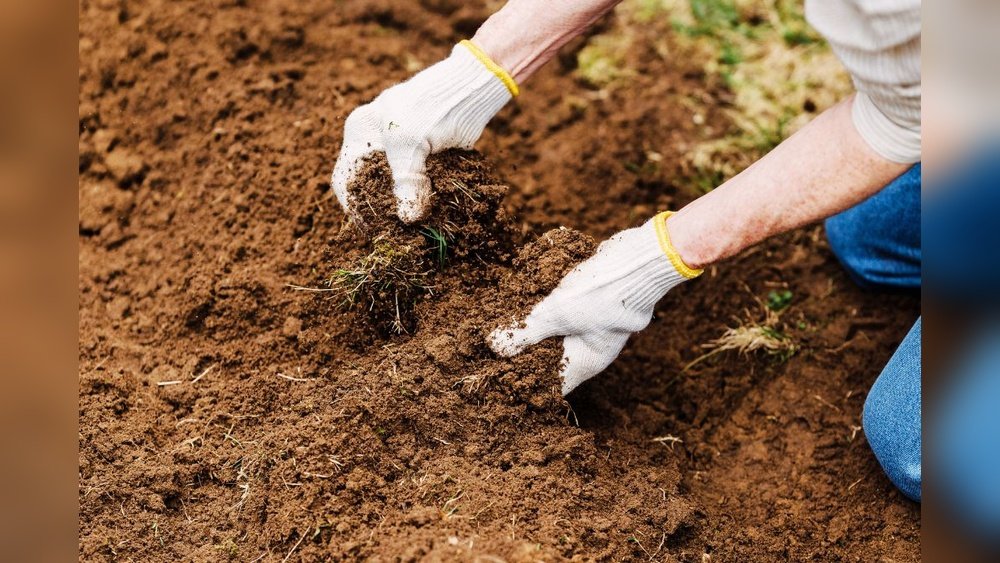
If you want your plants to thrive and grow stronger, the secret lies beneath the surface—in your soil. Healthy soil is the foundation for vibrant gardens, and adding compost is one of the easiest ways to boost it.
But how exactly do you amend soil with compost to get the best results? You’ll discover simple, practical steps that can transform your garden soil into a nutrient-rich powerhouse. Keep reading, and you’ll learn how to give your plants the perfect environment to flourish like never before.
Credit: www.santafecountynm.gov
Benefits Of Compost In Soil
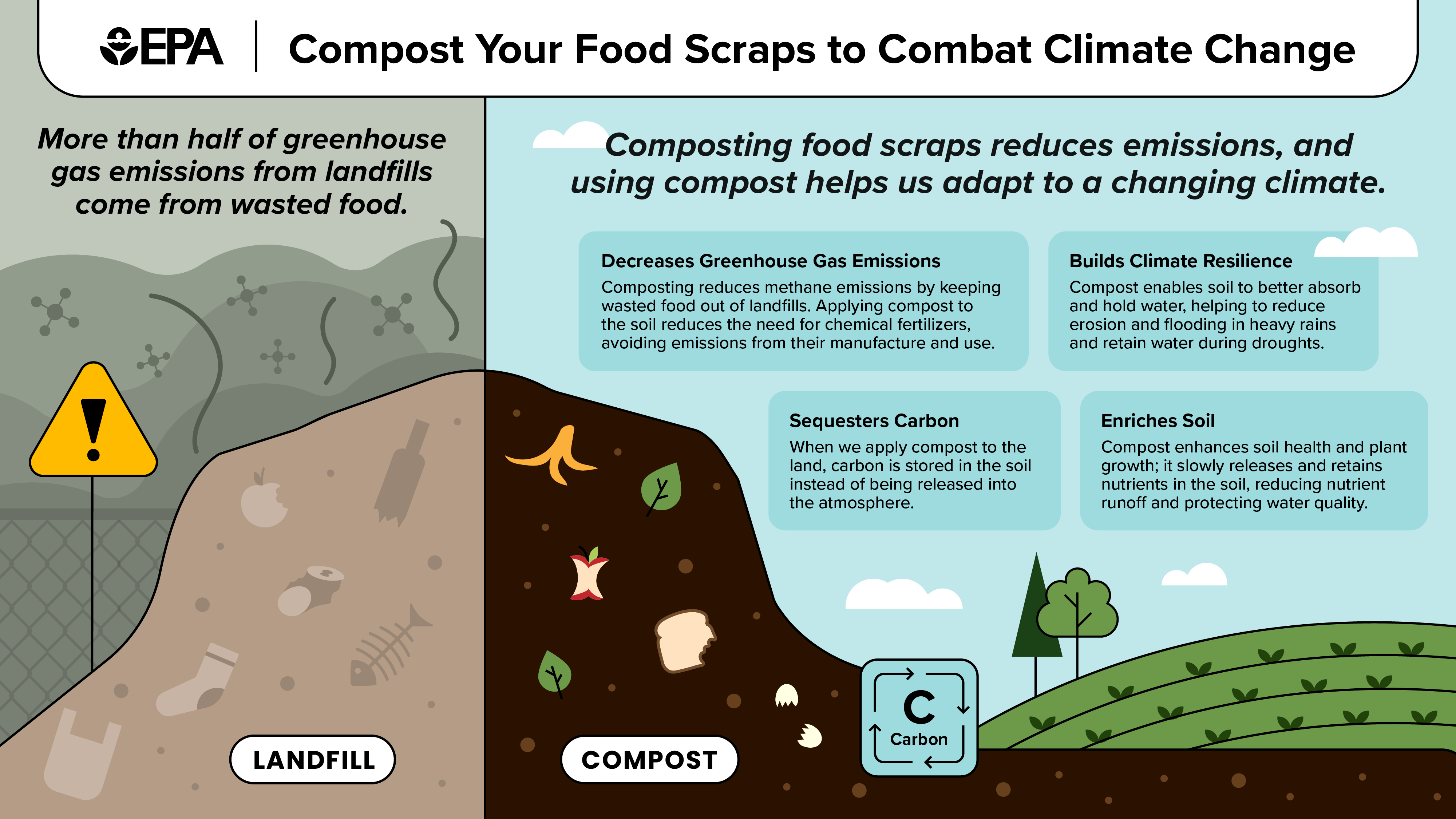
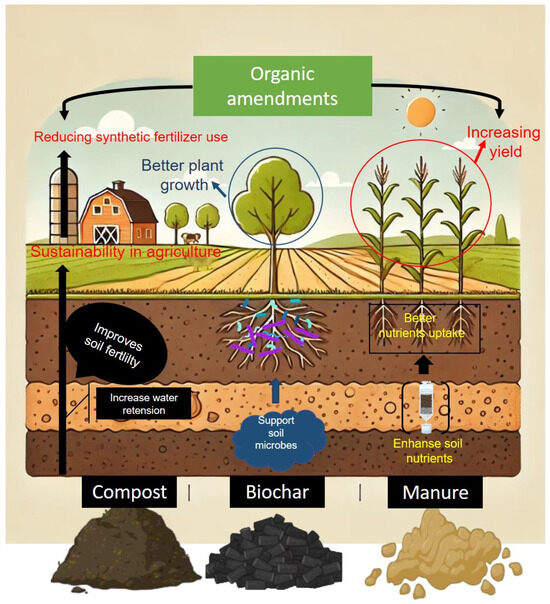
Compost is a natural way to improve soil health“>improve soil health“>improve soil health. It supports strong plant growth and healthier gardens. Adding compost helps soil in many important ways. This section explains the key benefits of compost in soil.
Nutrient Enrichment
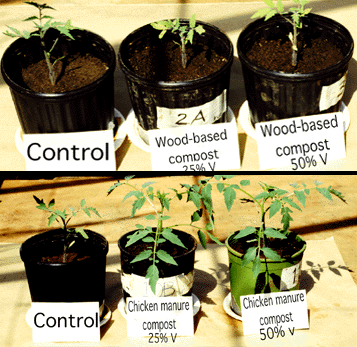
Compost adds many nutrients plants need. It contains nitrogen, phosphorus, and potassium. These nutrients feed plants and help them grow fast. Compost also releases nutrients slowly. This keeps soil fertile for a long time.
Improved Soil Structure
Compost helps soil hold together better. It makes heavy clay soil lighter and sandy soil thicker. This balance creates good air spaces. Roots can grow easier and breathe better. Good soil structure supports“>soil structure supports“>soil structure supports strong plant roots.
Enhanced Water Retention
Compost helps soil keep water longer. It acts like a sponge, holding moisture near roots. This reduces the need for frequent watering. Plants stay hydrated even in dry weather. Water retention helps plants survive and thrive.
Boosted Microbial Activity
Compost contains many helpful microbes. These tiny organisms break down organic matter. They make nutrients available to plants. Healthy microbes protect plants from diseases. They keep the soil alive and active.
Credit: www.ctahr.hawaii.edu
Choosing The Right Compost
Choosing the right compost is key to improving your soil and helping plants grow well. Compost adds nutrients and improves soil texture. Not all compost is the same. Picking the best type makes a big difference in your garden’s health. Understanding different compost options, knowing what makes good quality, and avoiding harmful materials will guide you to better plant growth.
Types Of Compost
Compost comes in many forms. Yard waste compost is made from leaves and grass clippings. Food scrap compost includes vegetable peels and coffee grounds. Manure compost uses animal waste but must be well-aged. Mushroom compost is from growing mushrooms and is rich in nutrients. Choose compost that fits your plants and soil type for best results.
Quality Indicators
Good compost looks dark and crumbly. It should smell earthy, not sour or rotten. Check for a fine texture without large pieces of wood or plastic. The compost should be moist but not wet. High-quality compost warms the soil and helps retain water. These signs show the compost is ready and healthy for your garden.
Avoiding Contaminants
Contaminants can harm plants and soil life. Avoid compost with plastic, glass, or metal pieces. Stay clear of compost made from treated wood or diseased plants. Check that the compost is fully decomposed to prevent weed seeds. Clean, natural compost keeps your garden safe and supports strong plant growth.
Preparing Soil For Compost
Preparing soil for compost is an important step for healthy plant growth. It helps the compost mix well with the soil. This process improves soil structure and nutrition. Proper preparation makes compost more effective.
Start by understanding your soil condition. Then clear the area and loosen the soil. These steps create the best environment for compost to work.
Testing Soil Health
Check your soil’s health before adding compost. Test for pH level and nutrients. You can buy a simple soil test kit. This helps know what your soil needs. Healthy soil supports strong plant roots and growth.
Clearing Debris
Remove leaves, rocks, and old plants from the soil. Debris blocks compost from mixing well. Clearing the area helps air and water reach the soil. This creates a clean bed for compost.
Loosening Compacted Soil
Use a garden fork or tiller to break up hard soil. Compacted soil stops roots from growing deep. Loosened soil lets compost mix in easily. It also improves air and water flow.
Credit: www.mdpi.com
Applying Compost Effectively
Applying compost effectively improves soil health and boosts plant growth. Proper application ensures nutrients reach plant roots. It also helps maintain soil moisture and structure. Follow these methods to apply compost correctly for the best results.
Surface Application
Spread compost evenly over the soil surface. This method works well for lawns and flower beds. Use about 1 to 2 inches of compost. Water the area after spreading to help nutrients seep into the soil. Surface application helps protect soil from erosion. It also supports earthworms and microbes near the topsoil.
Incorporation Techniques
Mix compost into the soil to improve nutrient availability. Use a garden fork or tiller to blend compost 6 to 8 inches deep. This method is best for vegetable gardens and new planting beds. Incorporation helps roots access nutrients easily. It also improves soil aeration and drainage. Avoid over-tilling to keep soil structure healthy.
Compost Quantity Guidelines
Apply the right amount of compost to avoid nutrient overload. Use 20 to 30 percent compost by volume in planting beds. For established gardens, add a 1- to 3-inch layer annually. Excess compost can cause nutrient imbalances or burn plants. Test soil regularly to adjust compost amounts. Quality compost should be dark, crumbly, and smell earthy.
Timing Compost Application
Timing compost application is key to improving soil and plant health. Applying compost at the right time helps plants absorb nutrients better. It also boosts soil structure and moisture retention. Knowing when to add compost depends on the season and plant growth stage. This guide covers the best times to apply compost for strong, healthy plants.
Seasonal Considerations
Spring and fall are the best seasons for adding compost. In spring, compost warms the soil and adds nutrients for new plants. Fall application helps soil recover after summer and builds nutrients for next year. Avoid adding compost in extreme heat or cold. Compost breaks down slower in winter and can burn plants in hot weather.
Before Planting
Apply compost a few weeks before planting. Mix it well into the soil to improve texture and fertility. This gives nutrients time to settle and become available. Preparing soil this way creates a strong foundation for seeds and seedlings. It also helps roots grow deeper and stronger.
During Growing Season
Adding compost during the growing season boosts plant growth. Use it as a top dressing around plants to supply extra nutrients. Water compost into the soil to help nutrients reach roots. Regular compost feeding supports flowering, fruiting, and leaf development. Avoid overapplying to prevent nutrient overload and root damage.
Maintaining Soil Health Post-application
Maintaining soil health after adding compost is key for strong plant growth. Soil needs care to keep its nutrients and structure balanced. This helps plants absorb water and nutrients better. Healthy soil supports roots and protects against pests and diseases. Follow simple steps to keep your soil rich and alive.
Mulching Practices
Mulch covers the soil and keeps moisture in. It stops weeds from stealing nutrients. Organic mulches like straw or wood chips break down and feed the soil. Apply mulch around plants in a thick layer. Replace mulch as it decomposes to keep soil protected. Mulching helps maintain soil temperature and prevents erosion.
Regular Soil Testing
Test soil every year to check its health. Tests show nutrient levels and pH balance. Knowing soil needs helps avoid over or under fertilizing. Use a simple soil test kit or send samples to a lab. Adjust soil care based on test results. Regular testing prevents nutrient depletion and supports plant growth.
Supplementing Nutrients
Compost adds many nutrients but not all. Sometimes plants need extra nitrogen, phosphorus, or potassium. Use natural fertilizers like bone meal or fish emulsion. Apply them in small amounts according to soil tests. Avoid chemical fertilizers that can harm soil life. Balanced nutrients help plants grow strong and healthy.
Common Mistakes To Avoid
Amending soil with compost improves plant growth greatly. Many gardeners make simple mistakes that hurt their soil instead. Avoiding these errors saves time and helps plants thrive. Focus on the right compost use and soil care for best results.
Over-application Risks
Adding too much compost can harm your soil. It may cause nutrient imbalances that stress plants. Excess compost can also make soil too rich, leading to weak plant roots. Use compost in moderation to keep soil healthy and stable.
Using Poor Quality Compost
Low-quality compost may contain weed seeds or harmful chemicals. It can introduce diseases or pests to your garden. Always choose compost that is fully decomposed and clean. Good compost smells earthy and looks dark and crumbly.
Ignoring Soil Ph
Compost affects soil pH, which impacts nutrient availability. Not checking pH can cause plants to suffer from nutrient problems. Test your soil pH before adding compost. Adjust compost use to balance soil pH for healthy growth.
Frequently Asked Questions
What Is The Best Compost For Soil Amendment?
The best compost is rich in organic matter, well-decomposed, and nutrient-dense. It improves soil texture and fertility effectively.
How Much Compost Should I Add To Soil?
Add about 2-3 inches of compost to the soil surface. Mix it into the top 6-8 inches for best results.
When Is The Ideal Time To Amend Soil With Compost?
The ideal time is during early spring or fall. This allows compost nutrients to integrate before planting.
Can Compost Improve Soil Drainage And Aeration?
Yes, compost enhances soil structure. It increases drainage in clay soils and aeration in compacted soils.
Conclusion
Amending soil with compost helps plants grow stronger and healthier. Compost adds nutrients and improves soil texture. It holds moisture and supports beneficial microbes. Regularly adding compost boosts soil life and plant roots. Start small and watch your garden thrive over time.
Healthy soil means better plants and bigger harvests. Try composting at home for fresh, natural soil food. Your garden will thank you with vibrant growth and blooms. Soil care is simple but makes a big difference. Keep feeding your soil, and plants will grow well.