
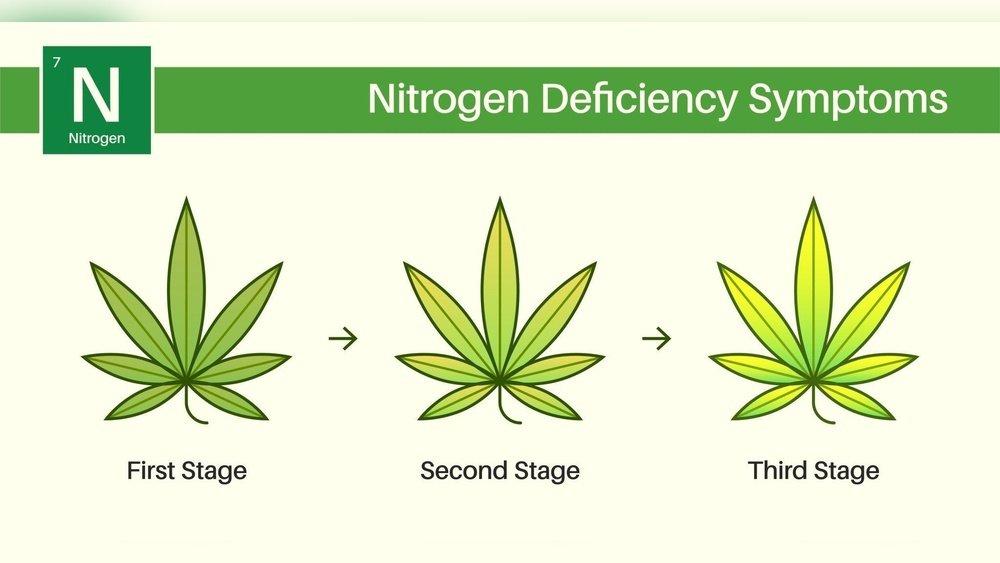
Are your plants looking pale, weak, or stunted? This might be a clear sign of nitrogen deficiency, a common problem that can stop your garden from thriving. Using the right nitrogen deficiency fertilizer can help address this issue effectively.
But don’t worry—you have the power to fix this and bring your plants back to life. You’ll discover simple, effective ways to use fertilizer to boost nitrogen levels and help your plants grow healthy and strong. Keep reading to learn exactly what you need to do to save your garden today.
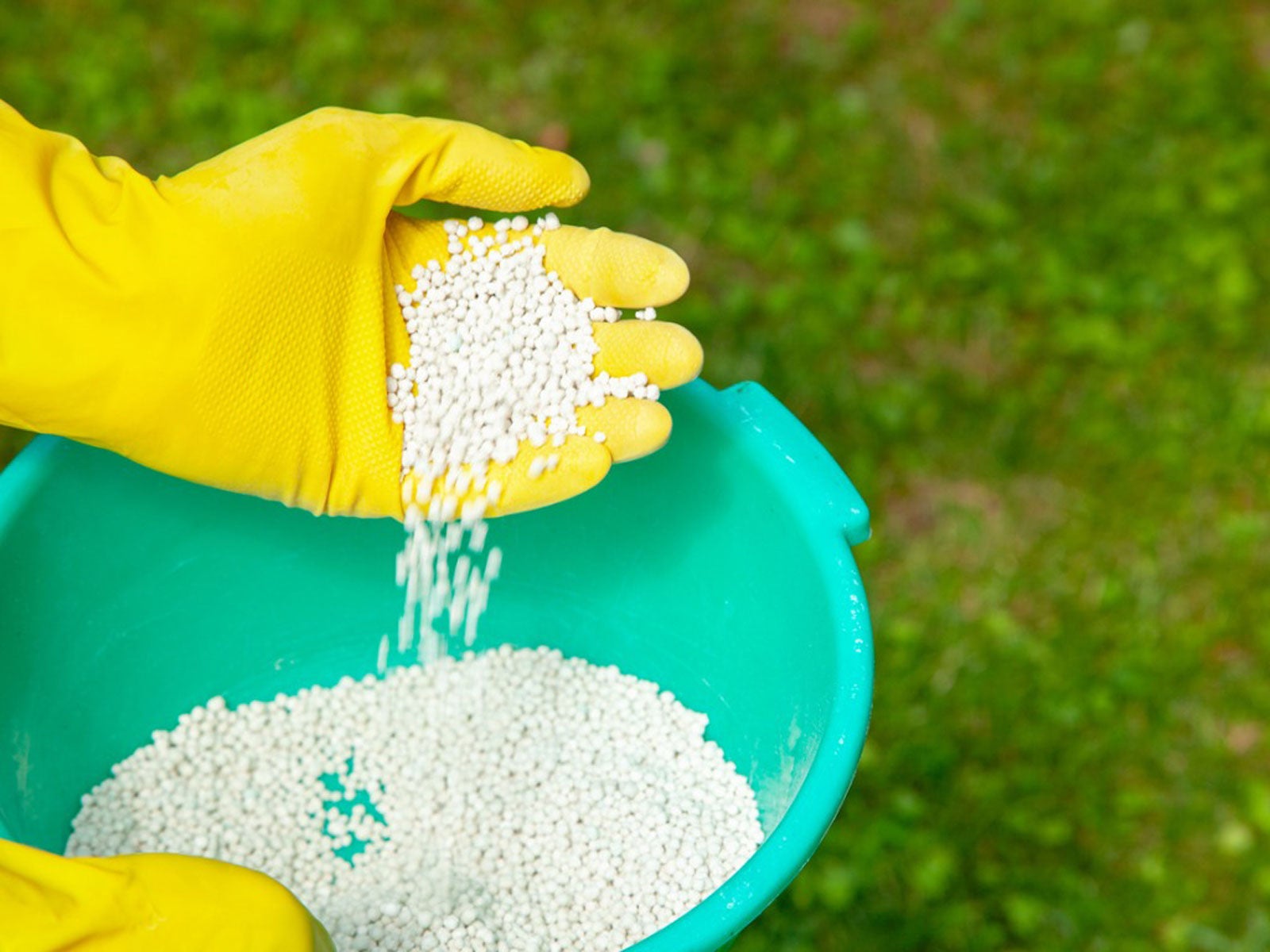
Credit: www.gardeningknowhow.com
Signs Of Nitrogen Deficiency
Nitrogen is a key nutrient for healthy plant growth. Without enough nitrogen, plants show clear signs of stress. These signs help gardeners spot problems early. Identifying nitrogen deficiency allows quick action to fix it. Look closely at the leaves, growth patterns, and yields. Each symptom tells a story.
Yellowing Leaves
Leaves start turning yellow, especially the older ones. This yellowing begins at the tips and spreads inward. It happens because nitrogen moves to new leaves first. Yellow leaves mean the plant lacks nitrogen for chlorophyll. Without enough chlorophyll, plants cannot make food properly.
Stunted Growth
Plants with low nitrogen grow more slowly than usual. New shoots and leaves remain small and weak. Stunted growth means the plant struggles to build new cells. Nitrogen is essential for cell division and expansion. Without it, plants cannot reach their full size.
Poor Yield
Low nitrogen reduces the number and size of fruits or flowers. Plants produce fewer seeds and less edible parts. Poor yield signals the plant is under nutrient stress. Nitrogen deficiency lowers photosynthesis, limiting energy for reproduction. This results in smaller harvests and less healthy plants.
Choosing The Right Fertilizer
Choosing the right fertilizer is key to fixing nitrogen deficiency in plants. The right fertilizer helps plants grow healthy and green. It supplies the needed nitrogen in a form plants can absorb quickly. Different fertilizers work best for different plants and soil types. Knowing the types of nitrogen fertilizers and their features helps in making a smart choice.
Types Of Nitrogen Fertilizers
Nitrogen fertilizers come in several forms. Common types include ammonium nitrate, urea, and ammonium sulfate. Ammonium nitrate releases nitrogen fast, helping plants grow quickly. Urea is popular and easy to use but needs water to work well. Ammonium sulfate adds sulfur too, which some plants need. Choosing the right type depends on plant needs and soil condition.
Organic Vs. Synthetic Options
Organic fertilizers come from natural sources like compost, manure, or bone meal. They release nitrogen slowly and improve soil health over time. Synthetic fertilizers are made in factories and provide nitrogen quickly. They give fast results but can harm soil if overused. Organic options are better for long-term soil health. Synthetic fertilizers suit urgent nitrogen needs.
Slow-release Fertilizers
Slow-release fertilizers release nitrogen gradually. This helps plants get a steady supply of nutrients. They reduce the risk of nitrogen loss due to rain or watering. Slow-release types lower the chance of fertilizer burn on plants. They work well for lawns and gardens that need steady feeding. Using slow-release fertilizer saves time and effort in reapplying.
Preparing Your Plants
Preparing your plants before applying fertilizer is important. This step helps plants absorb nitrogen better. Healthy soil and clean surroundings make fertilizing more effective.
Start with a few simple tasks. These will set the stage for strong plant growth. Careful preparation saves time and effort later.
Soil Testing
Test the soil to know its nutrient levels. Soil tests show if nitrogen is low. You can buy a home test kit or send samples to a lab. The results guide the right amount of fertilizer.
Testing also reveals pH balance. Pla
Applying Nitrogen Deficiency Fertilizer
Once you have chosen the right fertilizer, applying it correctly is crucial. Follow the instructions on the fertilizer package for the best results. Ensure even distribution to avoid over-fertilizing certain areas.
Timing and Frequency
Apply the fertilizer at the right time, usually during the growing season. The frequency of application depends on the type of fertilizer and the specific needs of your plants.