
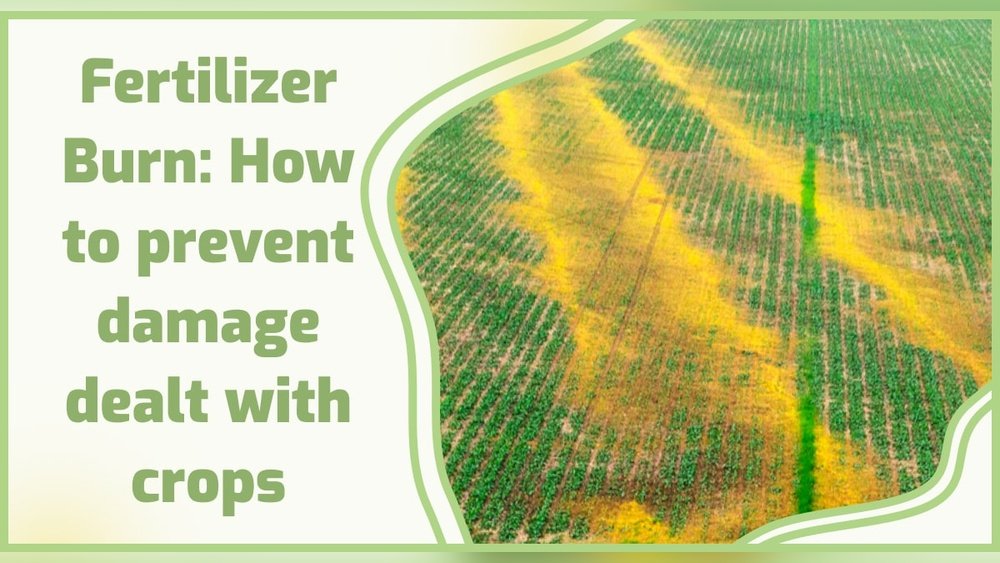
Have you ever noticed your plants looking scorched and unhealthy, even though you’ve been feeding them regularly? The problem might not be a lack of fertilizer—it could be too much of it.
Over-applying fertilizer can cause serious damage, often called “burning,” which leaves your plants struggling to survive. But don’t worry, you can easily avoid this common mistake. You’ll discover simple, practical steps to protect your plants and help them thrive without the risk of fertilizer burn.
Keep reading to learn how to keep your garden healthy and vibrant, no matter what you’re growing.

Credit: geopard.tech
Causes Of Fertilizer Burn
Fertilizer burn happens when plants get too much fertilizer. This causes damage to leaves and roots. Understanding the causes helps prevent this problem. Knowing why fertilizer burn occurs keeps plants healthy and growing strong.
Excessive Nutrient Concentration
Too much fertilizer puts high nutrient levels in the soil. Plants absorb these nutrients quickly. But excess nutrients can harm plant cells. This stops water from moving inside the plant. Leaves turn brown and dry out. Roots may also get damaged by the strong nutrient mix.
Salt Buildup In Soil
Fertilizers contain salts that stay in the soil. Over time, salt levels rise. High salt in soil pulls water out of roots. Plants become thirsty even if the soil is wet. This causes stress and leaf burn. Salt buildup is common with frequent fertilizing and poor watering.
Plant Sensitivity Variations
Not all plants react the same to fertilizer. Some are more sensitive to strong nutrients. Young plants and seedlings are often delicate. They need less fertilizer to avoid burn. Knowing your plant type helps choose the right fertilizer amount. This prevents damage and supports healthy growth.

Credit: geopard.tech
Signs Of Fertilizer Burn
Fertilizer is important for plant growth. But too much fertilizer can harm plants. Over-application leads to fertilizer burn. Plants show clear signs when this happens. Knowing these signs helps you save your plants early.
Leaf Discoloration
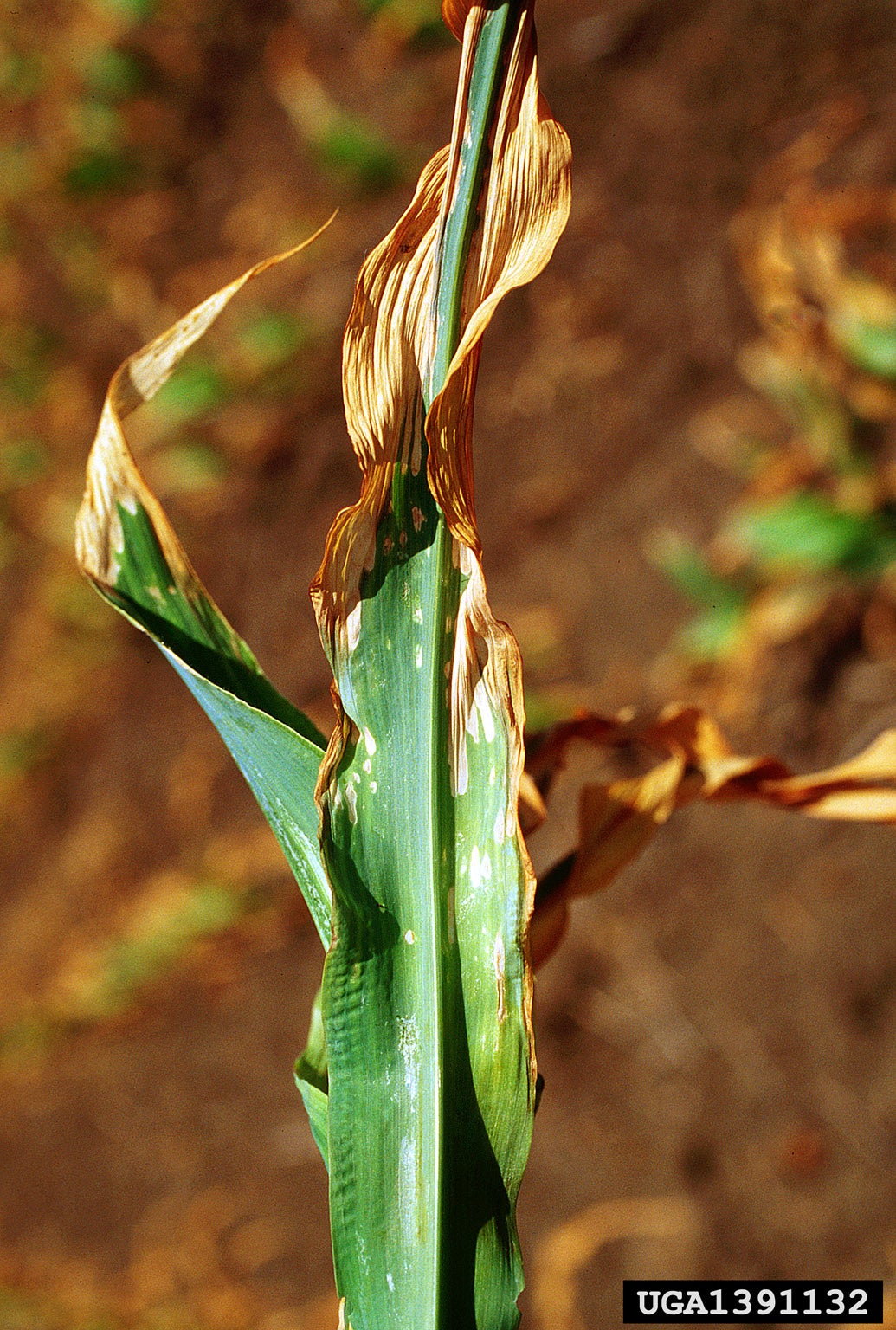
Leaves change color when fertilizer burns plants. They often turn yellow or brown. The edges of leaves may look dry or scorched. Some leaves develop spots or patches. These color changes show stress from excess fertilizer.
Wilting And Drying
Plants with fertilizer burn often wilt. They look droopy even with enough water. Leaves and stems may feel dry and brittle. The plant loses its healthy, firm appearance. This happens because fertilizer draws moisture away from roots.
Root Damage Indicators
Roots are affected by too much fertilizer too. They may become dark or mushy. Damaged roots cannot absorb water well. This causes poor plant growth and wilting. Checking roots can confirm fertilizer burn early.
Choosing The Right Fertilizer
Choosing the right fertilizer is key to keeping plants healthy and safe from burns. Fertilizer provides essential nutrients for growth. Using the wrong type or too much can harm plants. Understanding different fertilizer types helps prevent damage and supports plant health.
Balanced Nutrient Ratios
Plants need a mix of nutrients like nitrogen, phosphorus, and potassium. A balanced fertilizer has these in the right amounts. It helps plants grow strong without overloading any single nutrient. Using balanced ratios reduces the risk of burning plant roots or leaves.
Slow-release Options
Slow-release fertilizers release nutrients over time. This steady supply avoids sudden nutrient spikes. Plants absorb nutrients gradually, which lowers burn risk. These fertilizers need less frequent application. They are good for beginners and busy gardeners alike.
Organic Alternatives
Organic fertilizers come from natural sources like compost and manure. They release nutrients slowly and improve soil health. Organic options are gentle on plants and reduce chemical buildup. Using organic fertilizers helps keep plants safe and the environment healthy.
Proper Application Techniques
Proper application techniques help keep plants healthy and prevent fertilizer burn. Applying fertilizer carefully avoids damage and helps plants grow strong. It means using the right amount, spreading it evenly, and applying at the best times. These steps reduce risks and improve plant health.
Correct Dosage Measurements
Measure fertilizer carefully before use. Use a measuring cup or scale for accuracy. Follow package instructions exactly to avoid over-application. Too much fertilizer causes leaf burn and weak roots. Less is often better for young or sensitive plants.
Even Distribution Methods
Spread fertilizer evenly across the soil surface. Use a spreader or hand method to avoid clumps. Clumps cause high fertilizer concentration that burns plants. Walk in rows or circles to cover all areas. Water after application to help nutrients soak into the soil.
Timing And Frequency Tips
Apply fertilizer during the plant’s active growing phase. Avoid fertilizing in extreme heat or drought. Fertilize less often with slow-release types to prevent buildup. Frequent light feeding is better than heavy doses. Check plant needs seasonally and adjust accordingly.
Soil Preparation And Maintenance
Preparing and maintaining soil is key to healthy plants. Good soil helps plants absorb nutrients safely. It lowers the risk of fertilizer burn. Proper soil care also keeps plants strong and growing well.
Focus on soil testing, drainage, and mulch use. These steps create a safe environment for plants. They help avoid over-fertilizing problems.
Soil Testing Importance
Soil testing shows nutrient levels in your garden. It tells you what nutrients plants need. Without testing, you might add too much fertilizer. Too much fertilizer causes plant roots to burn. Test soil every season before planting. Use a simple soil test kit or send samples to a lab.
Improving Soil Drainage
Poor drainage traps water and nutrients near roots. This can cause fertilizer to build up and burn plants. Improve drainage by adding sand or organic matter. Raised beds help water flow better. Good drainage lets plants use fertilizer safely. Avoid waterlogged soil to keep roots healthy.
Using Mulch Effectively
Mulch protects soil from drying out fast. It keeps moisture steady around plant roots. Mulch also slows fertilizer loss from the soil. Use organic mulch like straw or wood chips. Spread mulch in a thick layer but keep it away from plant stems. Mulch helps reduce the risk of fertilizer burn.
Credit: www.gardeningknowhow.com
Remedies For Fertilizer Burn
Fertilizer burn can harm plants quickly. The good news: there are ways to fix the damage. Acting fast helps plants recover and stay healthy. These remedies reduce stress and bring plants back to life.
Flushing Excess Fertilizer
Flushing means washing away extra fertilizer from the soil. Use plenty of water to soak the ground around the plant. Water deeply to move salts and chemicals away from roots. Repeat this process a few times over several days. This helps stop further damage and eases plant stress.
Pruning Damaged Parts
Cut off leaves or stems that look brown or dry. Removing damaged parts lets the plant focus on healthy growth. Use clean, sharp scissors or pruners to avoid infection. Dispose of the cut pieces carefully to keep pests away. Pruning encourages new leaves and stronger plants.
Adjusting Future Fertilizer Use
Reduce the amount of fertilizer next time you feed plants. Follow package instructions carefully to avoid overfeeding. Use slow-release fertilizers for steady nutrient supply. Test soil to know exactly what nutrients your plants need. Proper feeding keeps plants healthy and prevents future burns.
Preventive Care Practices
Preventive care practices help protect plants from damage caused by too much fertilizer. These simple steps keep plants healthy and reduce the risk of burning. Regular attention to your plants ensures they get the right nutrients in the right amount. Following good habits also saves time and money on repairs later. Focus on three key areas to prevent fertilizer burn and keep your garden thriving.
Regular Monitoring
Check plants often for signs of stress or burning. Look at leaf edges and tips for browning or yellowing. Early spotting helps fix problems before they get worse. Measure soil nutrient levels to avoid overfeeding. Keep a gardening journal to track fertilizer use and plant responses. Consistent monitoring helps maintain the right balance for plant health.
Watering Strategies
Water plants deeply before and after fertilizing. This helps dilute fertilizer and prevents salt buildup. Avoid watering only the surface; roots need moisture too. Use mulch to keep soil moist longer and reduce evaporation. Proper watering reduces fertilizer concentration and lowers burn risk. Watering smartly supports nutrient absorption and plant growth.
Choosing Resistant Plant Varieties
Select plants known for tolerance to fertilizer levels. Some species handle nutrients better and resist burning. Native plants often adapt well to local soil conditions. Research varieties that suit your climate and soil type. Choosing the right plants reduces care needs and fertilizer risks. Stronger plants grow well with less chance of damage.
Frequently Asked Questions
What Causes Fertilizer Burn In Plants?
Fertilizer burn happens when too much fertilizer accumulates in the soil. This excess salt damages plant roots. It disrupts water absorption and leads to leaf scorch and stunted growth.
How Can I Avoid Over-fertilizing My Plants?
Use fertilizer according to label instructions. Test soil nutrient levels before application. Apply fertilizer in small, frequent doses rather than one heavy dose.
What Are Early Signs Of Fertilizer Burn?
Look for yellow or brown leaf edges. Wilting or leaf curling also indicates stress. Roots may appear dry or damaged if inspected.
Can Watering Help Prevent Fertilizer Burn?
Yes, watering thoroughly after fertilizing helps dilute excess salts. This reduces fertilizer concentration near roots and minimizes burn risk.
Conclusion
Avoid using too much fertilizer to keep plants healthy and green. Always follow the instructions on the fertilizer package. Water plants well after applying fertilizer to prevent burning. Test the soil to know what nutrients your plants need. Use slow-release fertilizers to feed plants gently over time.
Remember, less is often better than too much. Healthy plants grow stronger and live longer. Careful feeding helps your garden thrive all season. Keep these tips in mind for happy, growing plants.