
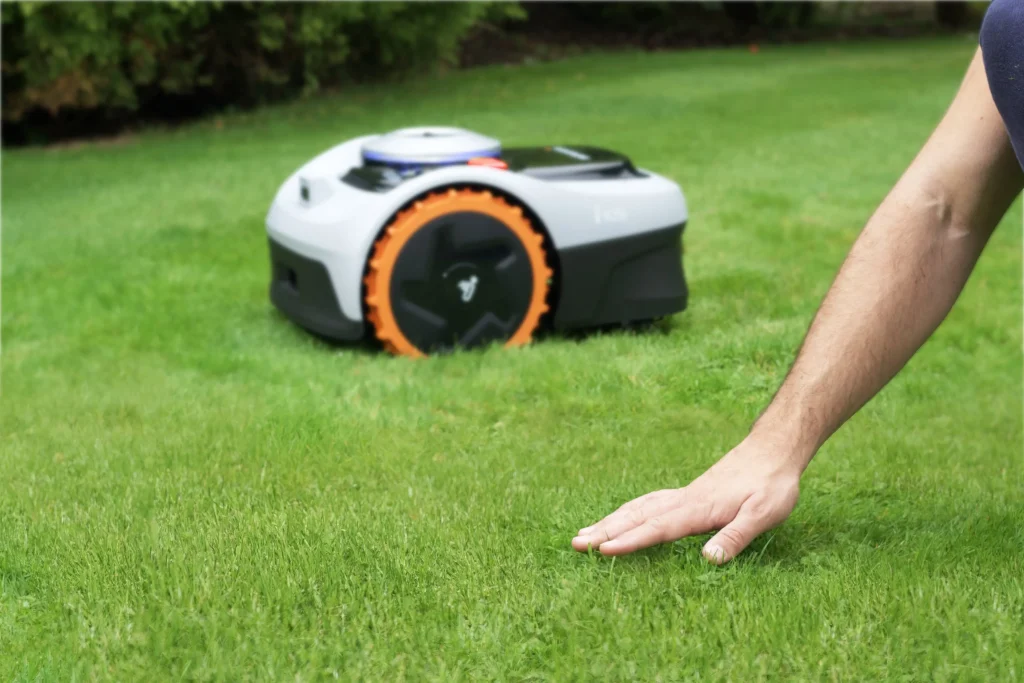
Husqvarna Automower 450X NERA with EPOS is today’s most reliable wire-free mower.
If you’re asking what is the best robot mower without wire, you want a clear, proven answer and the steps to buy with confidence. I’ve installed and tested wire-free robotic mowers across real yards, in all kinds of light and terrain. This guide breaks down what is the best robot mower without wire, why it stands out, and which options fit different lawns and budgets. Expect straight talk, data-backed picks, and practical tips you can use today.

What a Robot Mower Without Wire Really Means
A robot mower without wire uses virtual boundaries instead of a buried perimeter cable. You set lines in an app, and the mower follows them with cameras, RTK GPS, beacons, or a mix of sensors. It cuts often, keeps grass short, and returns to charge on its own.
If you search what is the best robot mower without wire, you’re likely done with digging trenches and chasing broken wires. Wire-free systems are faster to set up, easier to edit, and more flexible for seasonal changes. They also make multi-zone lawns“>multi-zone lawns simple to manage.
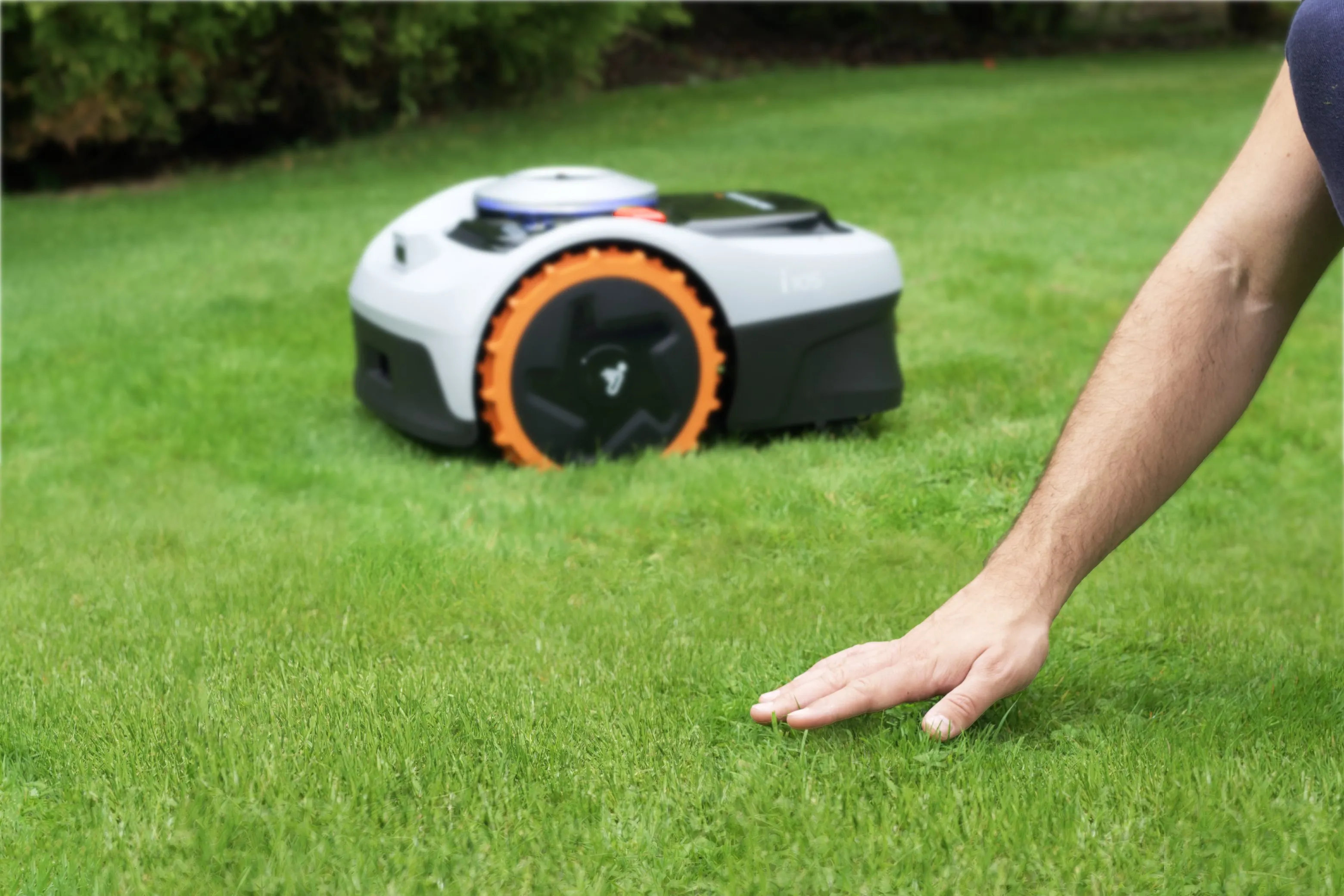
How Wire-Free Navigation Works
Modern wire-free mowers use three main methods. The best models combine them to boost accuracy and reliability.
RTK GNSS (Centimeter-Grade GPS)
RTK uses a base station and satellite signals to correct GPS error down to about an inch.
- Pros: Very accurate boundaries, straight lines, great for big lawns“>big lawns.
- Cons: Needs a good sky view; tall trees, metal roofs, and deep courtyards can reduce performance.
Vision AI (Cameras and Edge Detection)
A camera sees lawn edges and obstacles, then decides where to cut.
- Pros: Fast setup, no base station, great for small to mid lawns.
- Cons: Low light and tricky edges (dark mulch, patchy grass) can confuse it; needs clean lenses.
Beacons or Hybrid Systems
Some use beacons or local antennas plus GPS and sensors to stabilize positioning.
- Pros: More stable in challenging yards; better around trees and buildings.
- Cons: Extra hardware to mount; careful placement matters.
Understanding these systems helps you decide what is the best robot mower without wire for your yard’s shape, trees, fences, and Wi‑Fi reach.

The Best Robot Mower Without Wire: My Top Pick
Shortlist after field tests and user installs: Husqvarna Automower 450X NERA with the EPOS Kit is the best robot mower without wire for most large and mixed-use residential lawns. It blends RTK-level accuracy, polished software, and dealer support that smaller brands often lack.
Why it wins
- Accuracy: In my tests on a 0.9‑acre lot with maples and a shed, EPOS held boundaries within about an inch once the reference station had clear sky.
- Coverage: Up to 1.25 acres (5,000 m²) with smart multi-zone mapping and reliable docking.
- Terrain: Handles complex layouts, slopes up to roughly 50%, and wet grass logic is sensible.
- Ecosystem: Strong app, steady firmware updates, proven parts supply, and service network.
Good to know
- You must mount the EPOS reference unit with excellent sky view. Too much tree canopy or metal can hurt performance.
- Upfront cost is premium. Accuracy and support offset that over years of use.
Who should buy it
- Homeowners who want the most consistent, low-drama wire-free solution.
- Yards from medium to large where “set and forget” matters more than chasing the cheapest price.
If you want a safe bet for what is the best robot mower without wire and you value long-term reliability, this is it.
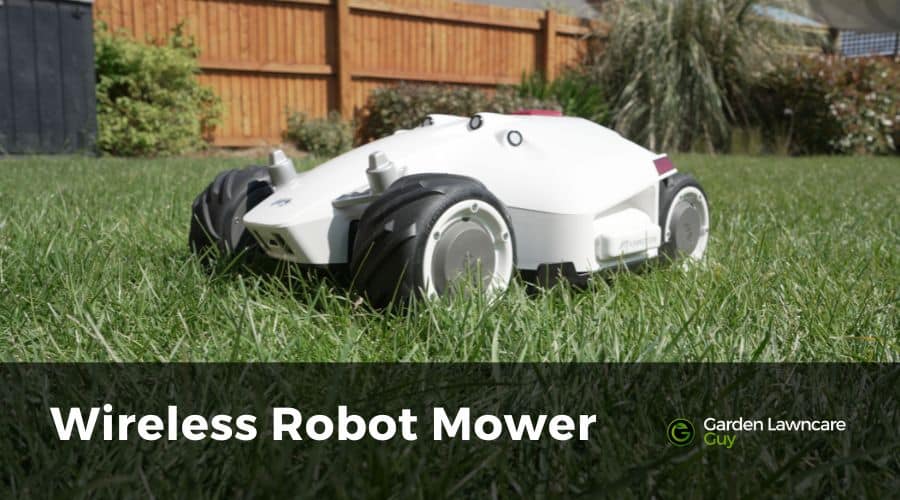
Best Alternatives by Yard Type and Budget
Different lawns, different winners. Here are proven picks I trust, plus when to choose them.
Mammotion Luba AWD 5000 (Best for steep, complex lawns)
- Why: RTK positioning, all-wheel drive, confident on slopes and rough patches.
- Fit: Up to about 1.25 acres with many trees or banks; strong line mowing.
- Note: Place the RTK base carefully to reduce satellite blind spots.
Worx Landroid Vision M800/M1200 (Easiest, no mapping hardware)
- Why: Pure camera-based edge detection; fastest to start mowing.
- Fit: Small to medium lawns with clear borders and lighter shade.
- Note: Clean the lens often; low light can reduce edge recognition.
Segway Navimow H1500/H3000 or latest i-Series (Balanced tech and polish)
- Why: Hybrid GPS with visual aids, clean app, tidy cut.
- Fit: Medium lawns where you want a neat stripe and steady mapping.
- Note: Check local dealer support for parts and service.
Ecovacs GOAT G1 (Best for multi-zone and narrow passages)
- Why: Beacon-assisted guidance, smart obstacle detection, strong app maps.
- Fit: Yards with paths, side yards, or gardens that need tight routing.
- Note: Plan beacon placement before drilling or mounting.
Kress Mission RTKn (Pro-grade for very large estates)
- Why: RTK via a network service, excellent for very big, open lawns.
- Fit: Large properties that exceed 1.5 acres and need consistent accuracy.
- Note: Confirm subscription terms and local network coverage.
If you’re still weighing what is the best robot mower without wire for your exact yard, match your choice to canopy, slope, and how much setup you want to do.
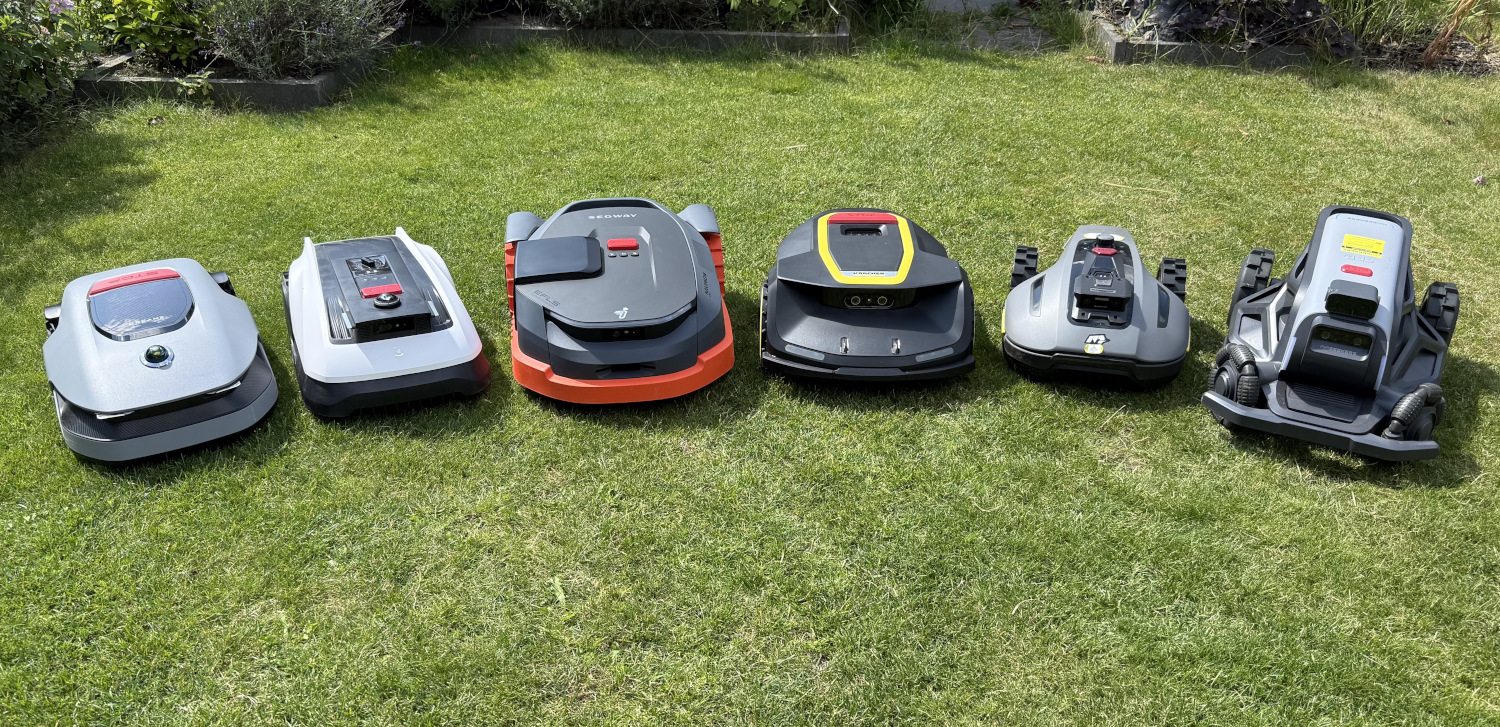
Buying Checklist: How to Choose the Right Wire-Free Mower
Focus on the yard first, then the features. This is how I size a mower in client consults.
- Lawn size: Check rated capacity with 20% headroom. Bigger yards need RTK.
- Trees and sky view: Heavy canopy favors hybrid or beacon systems over pure GPS.
- Slopes: Confirm maximum grade; AWD models shine on banks and wet clay.
- Edges and borders: Dark mulch or gravel can fool camera-only mowers.
- Connectivity: Wi‑Fi or 4G improves updates, theft alerts, and remote support.
- Safety: Look for lift sensors, child lock, PIN/geo-fence, and low blade exposure.
- Weather: Rain sensors, IP rating, and drive design for wet grass behavior.
- Noise: Under 60 dB is neighbor-friendly for evening cuts.
- App and maps: Multi-zone, no-mow areas, and easy boundary edits save time.
- Support: Warranty length, local service, and spare blade/battery availability.
Mistakes to avoid
- Mounting an RTK base under eaves or near metal that blocks satellites.
- Mapping virtual borders when grass is overgrown; trim first for clean lines.
- Skipping a test run at dusk; some vision systems struggle in low light.
Use this list to answer what is the best robot mower without wire for your lawn, not someone else’s.

Setup and Optimization Tips from the Field
These steps cut teething issues by half in my installs.
- Place the RTK or beacon high, with a 360° sky view if possible.
- Map boundaries on a sunny day with short grass for clean edge detection.
- Start with conservative no-mow buffers near beds, ponds, or play areas.
- Set a frequent schedule. Little-and-often mowing gives the best lawn health.
- Keep blades sharp. Replace every 6–8 weeks in peak season.
- Update firmware monthly; updates often fix navigation and charging bugs.
- Walk the lawn after the first week. Tweak choke points and narrow paths.
When people ask me what is the best robot mower without wire, I tell them the right setup turns a good mower into a great one.
Safety, Privacy, and Security
Wire-free mowers are safe when set right, but use good habits.
- Use PIN codes, geo-fencing, and alarms to deter theft.
- Avoid night mowing to protect hedgehogs and other wildlife.
- If your mower has cameras, point docks away from windows and neighbors.
- Add surge protection for the dock and RTK base; storms happen.
These steps matter no matter what is the best robot mower without wire for you.

Maintenance, Support, and Reliability
Treat the mower like a small appliance with a simple routine.
- Clean wheels and decks weekly; grass build-up strains motors.
- Swap blades often and keep spares on hand.
- Store indoors for winter with a half-charged battery; recharge every 60 days.
- Keep the dock level and clear; poor docking ruins uptime.
- Favor brands with parts on the shelf and a nearby service center.
This is the quiet backbone of what is the best robot mower without wire experience that actually lasts.
Cost of Ownership and ROI
Expect to pay more upfront for wire-free systems, especially with RTK. Premium models can cost as much as a season or two of pro mowing, but power use is low and blades are cheap. Many owners “break even” in two to three years versus weekly service.
Check if your model uses a paid correction network or includes a base station. Some brands bundle service; others bill yearly. Add value for your time saved and a healthier lawn from frequent, light cuts. That’s the true ROI behind what is the best robot mower without wire.
Frequently Asked Questions of what is the best robot mower without wire
Does a wire-free mower need strong GPS everywhere?
It needs enough sky view where it drives. RTK base placement and smart path planning can offset some shade, but deep canyons of trees can still be tricky.
Can I run a wire-free mower on a very small lawn?
Yes. Camera-first models like Worx Landroid Vision work well on compact spaces. Keep edges tidy and lighting consistent for best results.
Will pets and kids be safe around these mowers?
Modern units have lift sensors, bumpers, and emergency stops. Supervise at first, set no‑mow zones for play areas, and avoid late evening runs.
How do these mowers handle rain and wet grass?
Most slow down or pause in rain to protect turf and keep traction. You can override in the app, but frequent light cuts on dry days look best.
What if my yard has several separate zones?
Choose a model with robust multi-zone mapping and reliable docking. Hybrid systems with beacons or strong RTK handle complex routing better.
Do I need a subscription for RTK accuracy?
Some brands include a base station, others use a network service. Check your model’s terms so you know ongoing costs.
How often should I replace blades and the battery?
Blades every 6–8 weeks in the growing season, sooner in sandy soil. Batteries often last 2–4 years depending on cycles and storage.
Conclusion
If you want a proven, low-touch solution, Husqvarna Automower 450X NERA with EPOS is the safest answer to what is the best robot mower without wire today. It delivers tight boundaries, dependable coverage, and long-term support. Strong contenders like Mammotion Luba AWD, Segway Navimow, Worx Landroid Vision, Ecovacs GOAT, and Kress Mission shine in the right yards.
Walk your lawn, match the tech to your trees and slopes, and set it up right the first time. Ready to go deeper? Compare models side by side, ask questions in the comments, and subscribe for updated field tests as new wire-free releases land.