
Pick the right deck, match power to acreage, prioritize comfort, safety, and dealer support.
If you want to cut mowing time and get pro results, this zero turn buying guide is for you. I have set up, tested, and fixed many models over the years. I know what fails, what lasts, and what is worth your cash. Use this zero turn buying guide to choose with confidence and avoid costly mistakes.
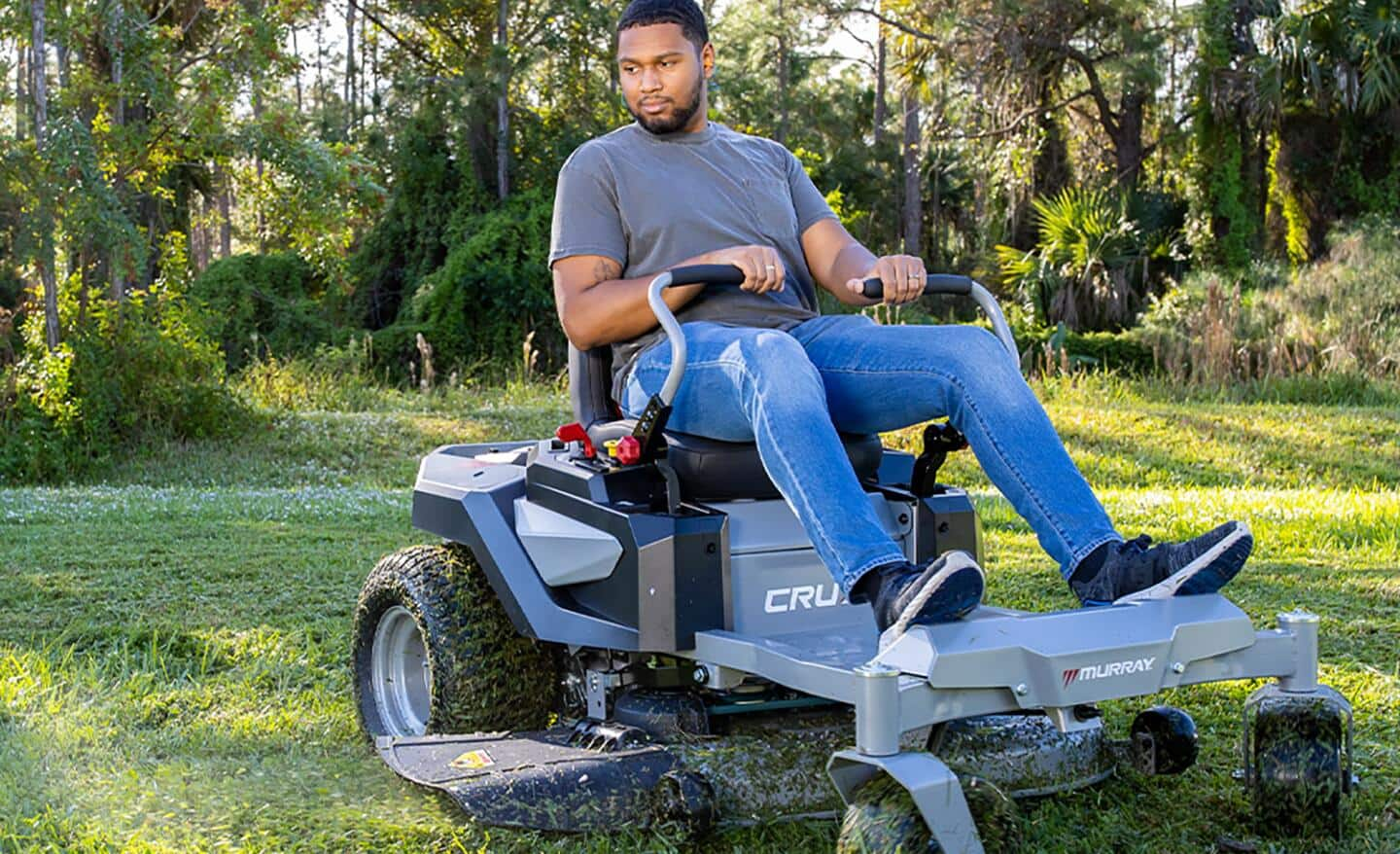
How Zero-Turn Mowers Work
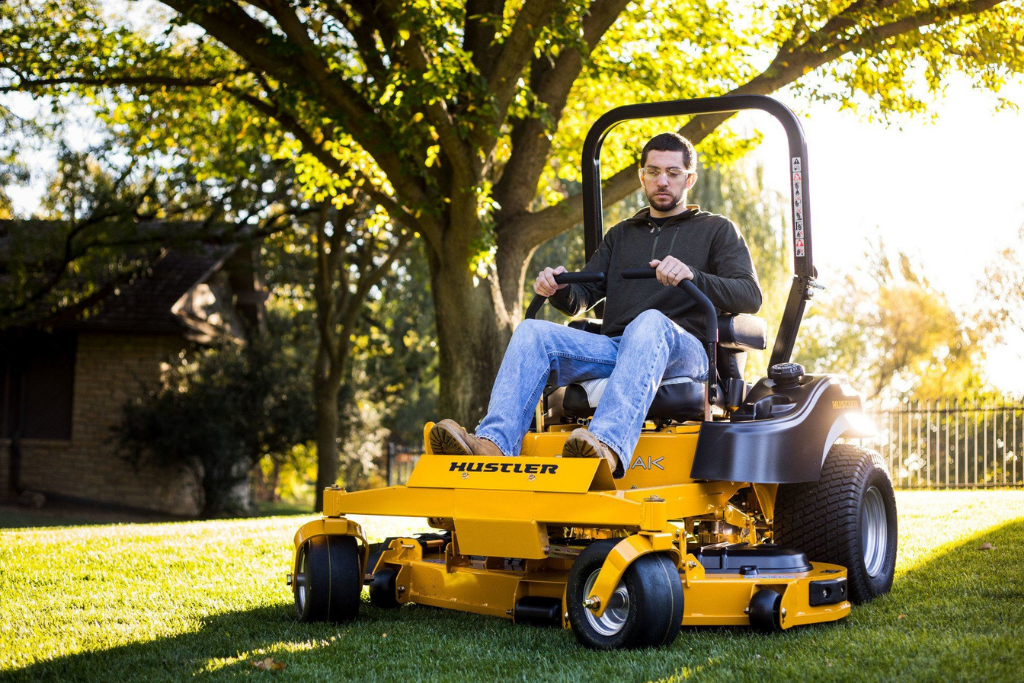
A zero-turn uses two hydro drives and lap bars to steer. Each rear wheel moves on its own. That is how it spins in place and cuts close to edges. You save time, because turns are fast and smooth.
Most models mow at 5 to 9 mph. They shine on flat to mild slopes. Steep hills are a risk. Many makers cap safe use near 15 degrees. This zero turn buying guide keeps safety front and center, so you get speed without regret.
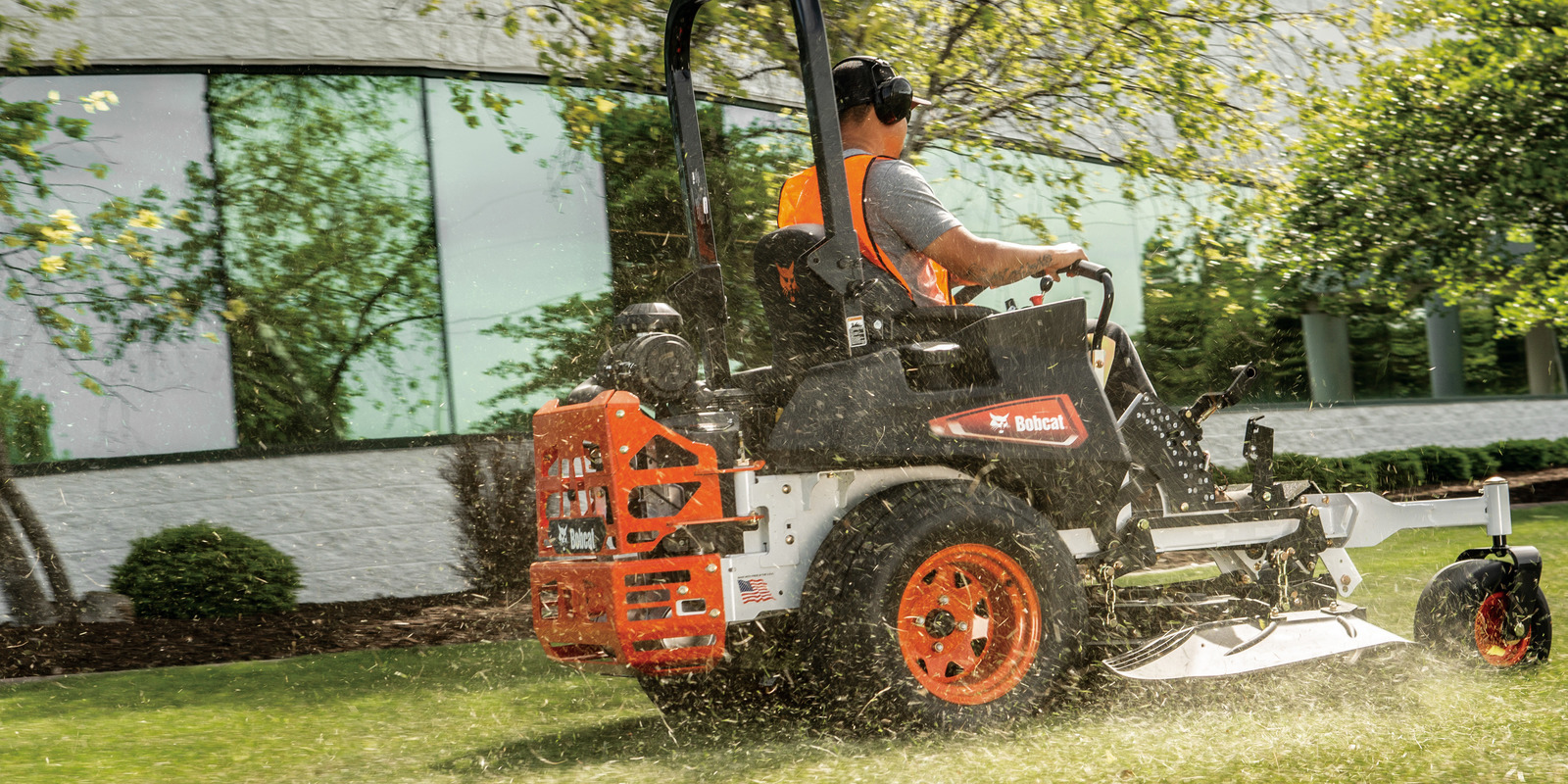
Key Buying Factors
Before you shop, get clear on these points. This zero turn buying guide ranks them by impact.
- Acreage and terrain Choose size and power to match acres and slope. Rough ground needs stronger frames and bigger tires.
- Deck width Fit the deck to your yard and your gates. Wider decks cut faster but need more room.
- Engine power and duty cycle Match horsepower and torque to grass type and hills. Wet, thick grass needs more grunt.
- Transmission class Light-duty units are fine for small, flat lots. Bigger yards and slopes need serviceable drives.
- Build quality Look at frame steel, deck design, spindles, and hardware. Feel the flex.
- Comfort and safety Seat, suspension, lap bars, ROPS, and easy controls affect long days.
- Dealer and warranty Good parts support beats a tiny price cut. Fast service keeps you mowing.
Keep this zero turn buying guide handy when you compare models.
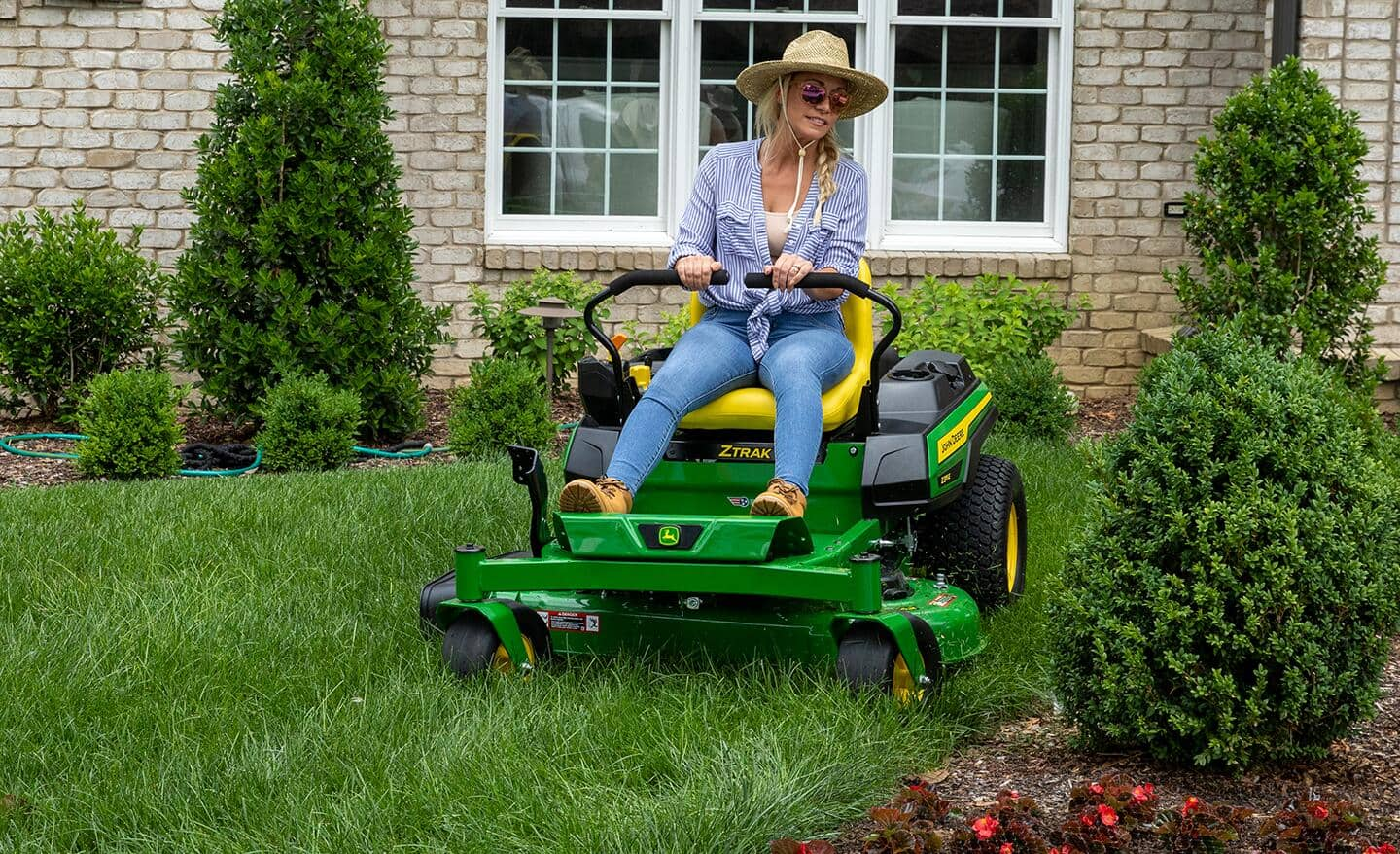
Deck Size and Cut Quality
Deck size sets your speed, gate fit, and storage needs. Use this short map from the zero turn buying guide.
- Under 0.5 acre 34 to 42 inches. Tight spaces and narrow gates.
- 1 to 2 acres 42 to 48 inches. Good balance of speed and control.
- 2 to 4 acres 48 to 54 inches. Faster cuts with room to spare.
- 4+ acres 60 inches or more. Wide open ground and fewer turns.
Stamped decks can cut smooth lawns well and dampen noise. Fabricated decks use thicker steel and stand up to bumps. Look for anti-scalp wheels, strong baffles, and easy height changes. Blade tip speed often targets about 18,000 feet per minute. Sharp blades, correct deck pitch, and steady speed give the best cut.

Engine, Transmission, and Powertrain
Engines matter a lot. V-twin engines from known brands offer smoother power. Residential units often range from 18 to 27 hp. Pro units can go higher. Bigger displacement, cyclonic air filters, and EFI help in dust and heat. EFI can save fuel and ease starts.
Transmissions drive the feel and the life span. Light-duty sealed drives, often called EZT or similar, suit small, flat yards. Serviceable drives, like ZT-2800 and up, add heavier axles, better cooling, and longer life. For hills, loads, and many hours a week, pick serviceable drives. This zero turn buying guide leans toward better drives if you can afford them.

Comfort, Ergonomics, and Safety
Comfort is not fluff. It sets how long you can mow well. I like high-back seats with armrests. Suspension seats and good tires cut bounce. Easy lap bar effort helps on long runs.
Safety needs attention too. ROPS with a seat belt can save lives if you roll. Many makers warn against steep slopes. Use slow, wide turns on hills. Add hearing and eye protection. Good lights help at dusk. The zero turn buying guide also urges traction tires for damp turf when needed.
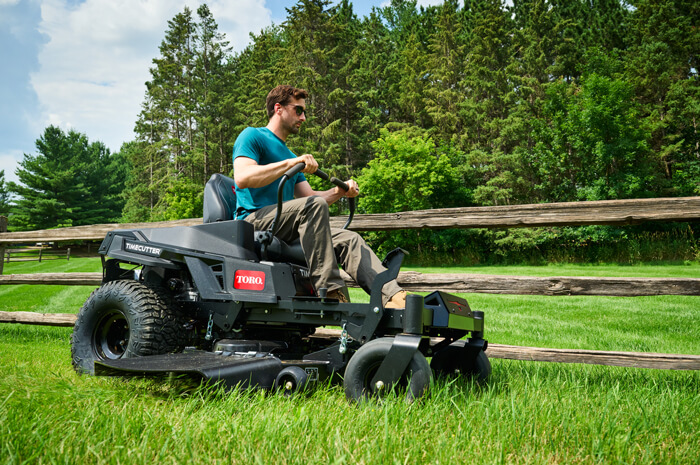
Terrain, Yard Size, and Use Cases
Your ground tells you what to buy. Small yards with many trees love 34 to 42 inch decks. Big, open lots want 54 to 60 inches or more. Bumpy land pushes you to stronger frames and serviceable drives.
Slopes need care. A stand-on or tractor may be safer on steep banks. Wet ditches can slip the rear tires. If you tow often, check the manual and rating. This zero turn buying guide always favors control and safety over raw speed.
Attachments and Versatility
A zero-turn is not just for mowing. You can add:
- Mulch kits Close the deck and lift clippings for a clean finish.
- Baggers Great for leaves and fine turf. Check engine and deck match.
- Striping kits Simple way to add crisp lawn lines.
- Tow behind tools Carts, spreaders, and sprayers within rated limits.
- Comfort add-ons Lights, seat upgrades, and canopies.
Most zero-turns are not ideal for snow. If you need year-round work, this zero turn buying guide suggests a garden tractor or a UTV with a plow.
Ownership Costs and Maintenance
Plan for the whole life, not just the sticker. Fuel use can run 1 to 2 gallons per hour. EFI can cut that by 15 to 25 percent. Oil and filter changes often fall at 50 to 100 hours. Blades need sharpening as soon as the cut looks frayed. Deck belts and spindles wear with sand and sticks.
Serviceable hydro drives may need fluid changes at set hours. Sealed drives are not serviceable. Store the mower clean and dry. Charge the battery in winter. Warranties often run three to four years on residential use. This zero turn buying guide values long, clear coverage.
Shopping Checklist and Test-Drive Tips
I use this quick list when I help buyers. It comes right from the zero turn buying guide field notes.
- Measure gates, trailer width, and storage space.
- Match deck size to acres and obstacles.
- Choose a transmission class for your hills and hours.
- Check seat, controls, and vibration at full speed.
- Inspect deck build, spindles, and belt routing.
- Ask the dealer about parts stock and service time.
- Review warranty details, hour limits, and fine print.
- Test cut if you can. Look for even clippings and no scalping.
- Confirm hitch rating before you plan to tow.
- Compare total cost, not just price. Add fuel, parts, and time.
Best Time to Buy and Where
Season timing can save money. Pre-season sales hit in late winter and early spring. Model changeovers and late fall can also bring deals. Holiday promos add extras like baggers or seats.
Where you buy matters. Big-box stores can be cheap, but service can be slow. Local dealers give setup, fast parts, and advice you can trust. Used units can be smart deals if hours are low and hydros feel strong when cold. Check deck cracks, spindle play, and leaks. This zero turn buying guide suggests you pay more for a clean, well-kept machine.
Mistakes to Avoid
These are the errors I see most. This zero turn buying guide will help you skip them.
- Buying too small A weak engine or light drive on big acres wears out fast.
- Ignoring slope limits Zero turns can slide on hills. Respect the warnings.
- Skipping dealer support Cheap today can be painful later without parts and service.
- Over-decking Narrow gates and tight beds will fight a 60 inch deck.
- Forgetting comfort A bad seat or harsh ride turns mowing into a chore.
- Neglecting maintenance Dirty air filters and dull blades kill cut quality.
Frequently Asked Questions of zero turn buying guide
What size zero-turn do I need for 1 acre?
A 42 to 48 inch deck fits most 1 acre lots. It balances speed, gate access, and control around trees.
Are zero-turn mowers good on hills?
They handle mild slopes with care. For steep banks, a stand-on or tractor is safer.
How much horsepower do I need?
For 1 to 2 acres on flat ground, 18 to 22 hp works. Add power for thick grass, slopes, or bagging.
What is the difference between stamped and fabricated decks?
Stamped decks are smooth and often quieter. Fabricated decks use thicker steel and hold up better to impacts.
How long do zero-turn transmissions last?
Light-duty sealed drives can last years on small, flat yards. Serviceable drives last longer with fluid changes and proper use.
Can I mulch with a zero-turn?
Yes. A mulch kit and sharp blades help. Match the kit to your deck size and model.
When is the best time to buy?
Pre-season and end-of-season sales are strong. Model changeovers also bring discounts and bundles.
Conclusion
A smart zero-turn choice blends deck size, power, drive class, comfort, and support. Use this zero turn buying guide to size the deck to your yard, choose a strong drive for your terrain, and lock in a dealer who will back you up. Take a short test drive, check the cut, and read the warranty.
Ready to find your fit? Apply the steps today, compare two to three models, and make a confident call. Want more tips like this zero turn buying guide? Subscribe, share your yard size in the comments, and I will suggest a perfect match.