
Last updated: October 2026 · Written by the LawnVibe editorial team.
Working out how much soil for a raised bed is simple math: multiply length by width by depth in feet to get cubic feet, then divide by 27 if you want cubic yards. A 4 x 8 foot bed that is 1 foot deep needs about 32 cubic feet, or roughly 1.2 cubic yards. Add 10 to 20 percent for settling, and remember that deep beds can be partly filled with cheaper organic material to save money.
This guide uses standard volume formulas and common gardening practice; background on the layered filling method is in the hugelkultur article on Wikipedia. If you are still choosing a bed, see our guide to the best metal raised garden bed.
Quick Answer
Working out how much soil for a raised bed is simple math: multiply length by width by depth in feet to get cubic feet, then divide by 27 if you want cubic yards. A 4 x 8 foot bed that is 1 foot deep needs about 32 cubic feet, or roughly 1. 2 cubic yards.
Key takeaways:
- Multiply length, width and depth in feet to find cubic feet, divide by 27 for cubic yards and add extra for settling.
- Use bags for small beds and bulk soil for large projects, and fill deep beds partly with organic material to save money.
The Basic Formula
For rectangular and square beds: Length (ft) × Width (ft) × Depth (ft) = Volume (cubic feet). If your measurements are in inches, divide each by 12 first, or multiply in inches and divide the result by 1,728 to get cubic feet. To convert cubic feet to cubic yards, divide by 27. To convert to liters, multiply cubic feet by about 28.3.
Raised Bed Soil Size Chart
| Bed Size (L x W) | Depth | Cubic Feet | Cubic Yards (approx.) |
|---|---|---|---|
| 4 x 2 ft | 12 in | 8 | 0.30 |
| 4 x 4 ft | 12 in | 16 | 0.59 |
| 6 x 3 ft | 12 in | 18 | 0.67 |
| 8 x 2 ft | 17 in | 22.7 | 0.84 |
| 8 x 4 ft | 12 in | 32 | 1.19 |
| 8 x 4 ft | 18 in | 48 | 1.78 |
| 8 x 4 ft | 24 in | 64 | 2.37 |
| 10 x 4 ft | 12 in | 40 | 1.48 |
| 12 x 4 ft | 18 in | 72 | 2.67 |
Values are calculated volumes before settling.
Calculating Oval and Round Beds
For round beds, use π × radius² × depth. A round bed 4 feet across (2 ft radius) and 1 foot deep holds about 3.14 × 4 × 1 = 12.6 cubic feet. For oval beds, a close estimate is π × (half the length) × (half the width) × depth. A 5 x 2.5 ft oval that is 11 inches deep (0.92 ft) holds about 3.14 × 2.5 × 1.25 × 0.92 ≈ 9 cubic feet. Many manufacturers list the soil volume for their oval beds, so check product details too.
Calculating Modular and Irregular Beds
For L-shaped, U-shaped or modular beds, split the shape into rectangles, calculate each one and add them together. Some modular kit makers publish soil volumes for each configuration, which saves time.
How Many Bags of Soil Do You Need?
Divide the total cubic feet by the volume of each bag. Common bag sizes are 1, 1.5 and 2 cubic feet. For a 32 cubic foot bed: 32 bags of 1 cu ft, about 22 bags of 1.5 cu ft, or 16 bags of 2 cu ft. Bags listed in quarts or liters can be converted: about 25.7 dry quarts equal 1 cubic foot, and about 28.3 liters equal 1 cubic foot.
Bags vs Bulk Soil
Bagged soil is convenient for small beds, clean and easy to carry. For large or several beds, bulk soil delivered by the cubic yard is usually more economical. A cubic yard is 27 cubic feet, which fills an 8 x 4 ft bed to roughly 10 inches deep. Ask suppliers for a garden or raised bed blend, and inspect quality before ordering large amounts.
Allow for Settling
New soil settles as it is watered and as organic matter breaks down, often losing several inches in the first season. Order roughly 10 to 20 percent extra, or plan to top up with compost after the first few waterings and each season after that.
What Soil Mix to Use
A common approach is to combine roughly equal parts quality topsoil and compost, or to use a commercial raised bed mix. Some gardeners add aeration materials such as fine bark or perlite. Avoid filling beds only with dense native clay or only with peat. See our guide to the best potting soil for raised beds for product ideas.
How to Reduce Soil Costs in Deep Beds
For beds 18 inches or deeper, fill the bottom third to half with coarse organic material such as untreated logs and branches, leaves, straw or old plant material, then top with at least 12 inches of quality soil. This technique, related to hugelkultur, reduces how much purchased soil you need and adds organic matter as it decomposes. Expect extra settling as the material breaks down. Our guide on how to fill a raised garden bed cheaply has more ideas.
Worked Examples
Example 1: A Standard 4 x 8 Bed, 12 Inches Deep
4 × 8 × 1 = 32 cubic feet. Divide by 27 to get about 1.19 cubic yards. Add 15 percent for settling: about 37 cubic feet, or roughly 1.4 cubic yards. With 1.5 cubic foot bags, that is about 25 bags.
Example 2: A Modular 8 x 2 Bed, 17 Inches Deep
17 inches is 1.42 feet. 8 × 2 × 1.42 = about 22.7 cubic feet. With 15 percent extra, plan for about 26 cubic feet, or around 13 bags of 2 cubic feet.
Example 3: A Deep 8 x 4 Bed, 24 Inches Deep
8 × 4 × 2 = 64 cubic feet, about 2.4 cubic yards. If you fill the bottom 10 inches with logs and leaves, the soil layer is 14 inches: 8 × 4 × 1.17 = about 37 cubic feet of soil, saving roughly 27 cubic feet.
Example 4: Two Elevated Planters
An elevated planter that is 48 x 24 inches with an 8-inch soil depth holds 4 × 2 × 0.67 = about 5.3 cubic feet. Two planters need about 11 cubic feet plus a little extra.
Weight of Soil: Why It Matters
Moist garden soil is heavy, commonly estimated in the range of roughly 75 to 100 pounds per cubic foot depending on the mix and moisture. A 32 cubic foot bed can therefore hold well over a ton of soil when wet. This matters for elevated beds, decks, balconies and rooftop gardens. Check weight ratings and use lighter potting mixes where load is limited.
Converting Common Measurements
| Unit | Equals |
|---|---|
| 1 cubic yard | 27 cubic feet |
| 1 cubic foot | About 28.3 liters |
| 1 cubic foot | About 7.5 US gallons |
| 1 cubic foot | About 25.7 dry quarts |
| 1 cubic meter | About 35.3 cubic feet |
Some bed manufacturers list capacity in gallons; divide by 7.5 to estimate cubic feet.
Ordering Bulk Soil
Measure all beds and total the volume. Round up to the supplier's minimum increment, often a half or full cubic yard. Ask whether the blend is screened, what it contains and whether it has been tested. Arrange for delivery close to your beds, since moving several yards by wheelbarrow is hard work. Cover the pile with a tarp if you cannot use it immediately.
Topping Up Each Season
Raised beds lose volume each year as organic matter decomposes and soil compacts. Plan to add 1 to 2 inches of compost every season. For an 8 x 4 ft bed, a 2-inch layer is about 5.3 cubic feet. Topping up maintains fertility and keeps the soil level near the rim.
Soil Depth by Crop
| Crop Type | Minimum Soil Depth |
|---|---|
| Lettuce, spinach, herbs | 6 to 8 inches |
| Beans, peas, onions | 8 to 10 inches |
| Tomatoes, peppers, squash | 12 inches or more |
| Carrots, parsnips, potatoes | 12 to 18 inches or more |
If the bed sits on loosened native soil, roots can grow below the bed, so shallower fill may still work.
Measuring Your Bed Correctly
Measure the inside dimensions of the bed, not the outside, because wall thickness reduces usable volume, especially with thick timber beds. Measure depth from the planned soil surface, usually an inch or two below the rim, down to the ground or base. For sloped ground, measure depth at several points and use the average.
Using an Online Calculator vs Doing It Yourself
Online raised bed calculators are convenient, but they rely on the same formula. Doing the math yourself helps you understand the result and adjust for settling, organic filler layers and odd shapes. Write down each bed's dimensions and volume in a garden notebook so you can reorder compost or soil accurately in future seasons.
Filling in Layers
Whether you use filler or not, adding soil in layers and watering each layer lightly helps eliminate air pockets and reduces later settling. If you use a layered approach, place coarse material at the bottom, then finer organic matter such as leaves and grass clippings, then compost and finally your topsoil blend. Mix the top few inches with compost for planting.
Soil for Elevated and Container Beds
Elevated beds and containers drain differently from ground-level beds. Use a lighter potting mix or raised bed mix with good drainage, rather than heavy garden soil, which can compact and become waterlogged. Lighter mixes also reduce weight on legs and decks.
Saving Money on Soil
Combine bulk purchases with neighbors to share delivery fees, ask local municipalities whether they offer compost from leaf collection programs and make your own compost from kitchen and yard waste. Leaves collected in autumn are an excellent free filler for deep beds.
Quick Reference Checklist
Measure inside length, width and planned soil depth. Convert inches to feet. Multiply to get cubic feet and divide by 27 for cubic yards. Subtract any filler layer depth for deep beds. Add 10 to 20 percent for settling. Divide by bag size or order bulk by the yard. Plan a seasonal compost top-up.
When Native Soil Is Good
If the ground beneath your bed is healthy, loose soil, you can loosen it with a fork and use a shallower bed, letting roots grow down into the native soil. This reduces how much soil you must buy. In compacted, rocky or contaminated ground, fill the full depth with quality soil and consider a barrier.
Storing Leftover Soil
Keep extra bagged soil sealed and out of the rain so it does not become waterlogged or weedy. Use it for topping up beds and containers through the season.
Soil and Tools for Filling Raised Beds
These products help you fill and top up beds. Details come from Amazon listings; we have not hands-on tested them.

FoxFarm Raised Bed Planting Mix, 1.5 cu ft
Best for: Filling beds with balanced soil
An all-purpose raised bed planting mix for vegetables and flowers.
- Ready to use
- Balanced blend
- Many bags needed for deep beds

Coast of Maine Castine Blend Raised Bed Mix, 4 Pack
Best for: Organic-minded gardeners
A raised bed mix sold in a four-pack of 1 cu ft bags.
- Premium blend
- Convenient bags
- Costly for large beds
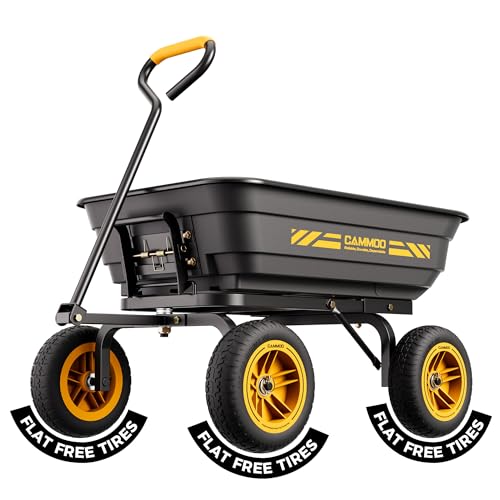
CAMMOO 10-in NO-Flat Tires 600lb Garden Dump Cart 4 Cu.Ft Wheelbarrow Black | Ga
Best for: Moving bulk soil
A garden dump cart with no-flat tires for moving bulk soil and compost into beds.
- Moves soil quickly
- Useful year-round
- Needs storage space

Luster Leaf Rapitest Soil Test Kit
Best for: Checking pH at home
A home soil test kit for pH and major nutrients.
- Quick pH check
- Inexpensive
- Less precise than a lab test

Vego Garden 9-in-1 Modular Metal Raised Bed, 17 Inch Tall
Best for: Vegetable gardeners wanting a flexible, long-lasting bed
A modular 17-inch-tall kit that builds one of nine shapes, made from steel with a zinc, aluminum and magnesium coating for corrosion resistance per Vego.
- Nine layout options
- Coated steel for longevity
- Rolled safety edges
- Assembly takes time
- Premium cost
Need a bed to fill? See our best metal raised garden bed guide.
Common Mistakes
Common mistakes include measuring inside dimensions incorrectly, forgetting to convert inches to feet, underestimating deep beds, ignoring settling, using only native clay soil and buying many small bags when bulk would be cheaper.
Final Thoughts on How Much Soil for a Raised Bed
Multiply length, width and depth in feet to find cubic feet, divide by 27 for cubic yards and add extra for settling. Use bags for small beds and bulk soil for large projects, and fill deep beds partly with organic material to save money. For beds worth filling, see our best metal raised garden bed picks.
More Questions People Ask
How many cubic feet of soil is in a bag?
Common bags hold 1, 1.5 or 2 cubic feet. Some list quarts or liters; about 25.7 dry quarts or 28.3 liters equal one cubic foot.
How much soil for a 4×4 raised bed?
A 4 × 4 ft bed 12 inches deep needs about 16 cubic feet; at 18 inches deep it needs about 24 cubic feet.
How much does a cubic yard of soil weigh?
Weight varies with mix and moisture. Moist garden soil can weigh roughly a ton or more per cubic yard.
Can I use only compost to fill a raised bed?
Pure compost can be too rich and may shrink a lot as it breaks down. Most gardeners blend compost with topsoil.
Frequently Asked Questions
How do I calculate soil for a raised bed?
Multiply length by width by depth, all in feet, to get cubic feet. Divide by 27 to convert to cubic yards. Add around 10 to 20 percent extra for settling.
How much soil does a 4 x 8 raised bed need?
A 4 x 8 ft bed that is 1 ft deep needs about 32 cubic feet, roughly 1.2 cubic yards. At 2 ft deep, it needs about 64 cubic feet, roughly 2.4 cubic yards.
How many bags of soil do I need?
Divide the cubic feet needed by the bag size. For example, 32 cubic feet requires about 22 bags of 1.5 cubic feet or 16 bags of 2 cubic feet.
Is bulk soil cheaper than bags?
For large or multiple beds, bulk soil delivered by the cubic yard is usually cheaper per cubic foot than bagged soil, though delivery fees apply.
Do I have to fill a deep raised bed completely with soil?
No. Many gardeners fill the lower part of deep beds with logs, branches, leaves or other organic material and top with 12 or more inches of quality soil.