
Last updated: October 2026 · Written by the LawnVibe editorial team.
Double digging is a traditional garden bed preparation method that loosens soil to roughly twice the depth of a spade. You dig out a trench one spade deep, loosen the subsoil underneath with a garden fork without bringing it to the surface, then fill the trench with topsoil from the next trench, repeating across the bed. The result is deep, aerated soil that roots can penetrate easily. It is hard work, so it is best used once when creating new beds on compacted or heavy soil.
This guide is based on established horticultural methods and university extension guidance. Tool choice matters for this job; see our guide to the best garden spade for spades that handle deep digging.
Why Gardeners Double Dig
Many garden soils are compacted from foot traffic, construction or heavy clay. Compacted layers restrict root growth, drainage and air movement. Double digging breaks up that layer to a greater depth than ordinary digging or rotary tilling, which often only loosens the top several inches. It is associated with intensive and biointensive gardening methods, where plants are grown closely in deep, fertile beds.
Double Digging vs Single Digging
Single digging loosens soil one spade depth and is enough for most established beds. Double digging goes a second layer deeper by forking the subsoil. Double digging takes much longer and is more physically demanding, so it is usually reserved for new beds, very compacted soil and deep-rooted crops such as carrots, parsnips and asparagus.
When to Double Dig
Double dig in spring or autumn when the soil is moist but not wet. A simple test is to squeeze a handful of soil: if it forms a ball that crumbles when poked, it is ready. Digging wet soil, especially clay, damages structure and creates hard clods. Very dry soil is difficult to penetrate.
Tools You Need
You need a sharp, sturdy garden spade, a digging fork for loosening subsoil, a wheelbarrow or tarp to hold soil from the first trench, compost or well-rotted manure, string and stakes for marking the bed and a board to stand on. A forged spade and fork are worth it for heavy soils; our guide to the best garden fork for heavy soil compares options.
How to Double Dig a Garden Bed Step by Step
Step 1: Mark Out the Bed
Use stakes and string to mark the bed. Beds around 3 to 4 feet wide can be worked from both sides without stepping on the soil.
Step 2: Clear the Surface
Remove weeds, grass and debris. If you are converting lawn, slice off the turf with a spade and set it aside to compost or place it upside down in the bottom of the trench.
Step 3: Dig the First Trench
At one end of the bed, dig a trench about one spade deep and one spade wide across the width of the bed. Move this topsoil to a wheelbarrow or tarp; you will use it to fill the final trench.
Step 4: Loosen the Subsoil
Stand in the trench or on a board and push a digging fork into the bottom of the trench to its full depth. Rock it back and forth to loosen the subsoil, working across the trench. Do not turn the subsoil over or mix it with the topsoil.
Step 5: Add Organic Matter
Spread a layer of compost or well-rotted manure over the loosened subsoil if desired. This feeds soil life and improves structure.
Step 6: Dig the Second Trench
Dig a second trench right next to the first, moving its topsoil forward into the first trench. Keep the soil layers in the same order, with topsoil on top.
Step 7: Repeat Across the Bed
Loosen the subsoil in the second trench, add compost and continue trench by trench until you reach the end of the bed.
Step 8: Fill the Last Trench
Fill the final trench with the topsoil you set aside from the first trench.
Step 9: Top-Dress and Rake
Add a layer of compost across the surface and rake the bed level. The bed will sit higher than before because the soil is loosened. Avoid walking on it.
Double Digging Clay Soil
Clay benefits most from double digging but is also hardest to dig. Work only when the clay is moist but crumbly, add plenty of organic matter and avoid turning the subsoil up. Over time, compost, cover crops and roots improve clay structure. Our guide on how deep to till a garden compares tilling depths.
Double Digging vs No-Dig Gardening
No-dig gardening builds soil from the top down with layers of compost and mulch, leaving soil structure, fungi and earthworm tunnels intact. Many gardeners and researchers favor minimal disturbance for long-term soil health. Double digging can still be useful as a one-time fix for compacted ground, after which a no-dig or minimal-dig approach maintains the bed. Soil science resources such as the USDA NRCS soil health pages explain the value of reducing disturbance.
How Long Does Double Digging Take?
Double digging is slow, physical work. A modest bed of around 4 by 8 feet can take a fit gardener a few hours, longer in heavy clay or stony soil. Break the job into sessions, dig one or two trenches at a time and stop before you are exhausted. Good technique and sharp tools matter more than speed.
Protecting Your Back While Double Digging
Use the spade's treads and your body weight rather than your arms and back. Lift smaller loads, keep the spade close to your body, bend at the knees and avoid twisting while throwing soil. Alternate your leading foot and take regular breaks. If you have back problems, consider a no-dig approach or hire help for the initial preparation.
Which Crops Benefit Most?
Deep, loose soil helps root crops such as carrots, parsnips, beets and potatoes grow straight and evenly. Long-lived perennial crops like asparagus and rhubarb benefit from deep preparation because the bed will not be dug again for years. Heavy feeders such as squash and tomatoes also appreciate the improved drainage and organic matter. Shallow-rooted crops such as lettuce grow well without double digging.
Signs Your Soil Needs Double Digging
You may benefit from double digging if water pools on the surface after rain, if a spade hits a hard layer a few inches down, if roots of previous crops grew sideways rather than down, if carrots fork or stunt, or if the area was recently a lawn, path or construction zone. A simple test is to push a long metal rod or screwdriver into moist soil; if it stops abruptly a few inches down, there is likely a compacted layer.
What to Add While Double Digging
Well-rotted compost and aged manure are the most common additions. Spread them on the loosened subsoil and again on the surface. Avoid adding large amounts of fresh manure or uncomposted material deep in the bed, as it can tie up nitrogen while decomposing. If a soil test shows low pH or nutrient deficiencies, add lime or fertilizer as recommended by the test results rather than guessing.
Maintaining a Double-Dug Bed
After double digging, protect the soil structure you have created. Do not walk on the bed; use permanent paths. Keep the surface covered with mulch or crops, add compost each season and grow cover crops in the off-season. These habits keep the soil loose for years without repeating the hard work.
Raised Beds as an Alternative
If your native soil is very poor, rocky or contaminated, building raised beds filled with quality soil and compost may be easier than double digging. Many gardeners combine the two by loosening the soil at the base of a raised bed with a fork before filling it, which improves drainage and lets roots reach deeper.
Double Digging With a Partner
Two people make the job faster and safer. One person digs and moves topsoil while the other forks the subsoil and spreads compost. Rotating roles reduces fatigue and helps maintain good technique throughout the bed.
A Brief History of Double Digging
Deep bed preparation has a long history in market gardening, especially in traditional European intensive growing, where gardeners dug deeply and added large amounts of manure to grow high yields in small spaces. In the twentieth century, the method was popularized in the English-speaking world through the French intensive and biointensive gardening movements. Modern gardeners often adapt it, combining a one-time deep loosening with no-dig maintenance afterward.
Double Digging vs Using a Broadfork
A broadfork is a wide, two-handled fork with long tines that loosens soil deeply without turning it. You step on the crossbar to drive the tines in and pull back on the handles to crack the soil. It achieves some of the benefits of double digging with less soil disturbance and less lifting. Many market gardeners use a broadfork each season instead of repeating double digging. For a home garden, a broadfork is a worthwhile tool if you have many beds to maintain.
Double Digging vs Rototilling
Rotary tillers quickly churn the top several inches of soil, which makes a fine seedbed but does little for deeper compaction. Frequent tilling can also break down soil structure and create a compacted layer, sometimes called a tillage pan, just below the tilled zone. Double digging reaches deeper and preserves soil layers, but it is much slower. Choose based on your soil problem, bed size and physical ability.
Quick Double Digging Checklist
Soil moist but not wet. Bed marked, about 3 to 4 feet wide. Weeds and turf removed. First trench dug and topsoil set aside. Subsoil forked, not turned. Compost added. Topsoil from each new trench moved forward. Final trench filled with saved topsoil. Bed raked level, top-dressed with compost and not walked on.
Is Double Digging Right for You?
If your soil is already loose, dark and full of earthworms, you probably do not need to double dig. If you are breaking new ground or fighting compaction, a single season of double digging followed by careful bed management can transform a struggling garden.
Tools for Double Digging
These tools make deep bed preparation easier. Details come from Amazon listings; we have not hands-on tested them.
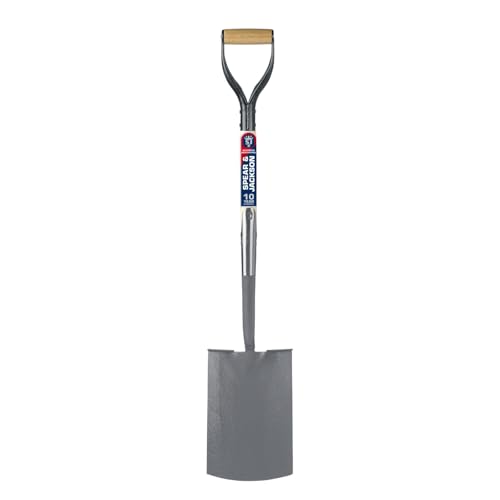
Spear & Jackson Neverbend Professional Treaded Digging Spade
Best for: Clay, rocky and compacted soil
A forged carbon steel spade with a treaded top edge for foot pressure and a weatherproofed hardwood shaft.
- Forged carbon steel
- Treads protect boots and add leverage
- Carbon steel needs oiling to prevent rust

DeWit Dutch Digging Spade
Best for: Transplanting and dividing perennials
A Dutch-style spade made from heat-treated boron steel for slicing deep into soil.
- Hardened boron steel
- Slices deep cleanly
- Premium cost

Truper 4-Tine Spading Fork with D-Handle
Best for: Loosening subsoil in each trench
A 4-tine steel spading fork for loosening subsoil and turning compost.
- Strong tines
- D-handle control
- Wood handle needs care

Senvert 5-Tine Heavy Duty Broadfork
Best for: Deep loosening without turning soil
A two-handled broadfork for loosening soil deeply with less lifting.
- Less soil disturbance
- Less lifting than digging
- Large tool to store

Blue Ribbon Organics OMRI Certified Organic Compost
Best for: Adding organic matter
OMRI-listed organic compost for improving bed soil.
- Organic certified
- Ready to use
- Buy in bulk for big beds
Compare spades for heavy digging in our best garden spade guide.
Common Double Digging Mistakes
Common mistakes include digging wet soil, mixing subsoil into topsoil, walking on the finished bed, making beds too wide to reach, using dull tools, trying to double dig huge areas in one day and repeating the process every year when it is not needed.
Final Thoughts on Double Digging
Double digging creates deep, loose soil by loosening the subsoil without bringing it to the surface. It is most valuable for new beds and compacted or clay soils, and usually needs to be done only once. Use a sharp spade and a strong fork, work when soil is moist, and keep feet off the bed afterward. For the right spade, see our best garden spade picks.
More Questions People Ask
Does double digging destroy soil structure?
It disturbs soil, which can temporarily disrupt fungi and earthworms, but loosening without inverting layers limits damage. Many gardeners double dig once, then switch to no-dig methods.
Can you double dig with a shovel?
A spade is better because it cuts clean, straight trenches. A shovel can move loose soil, but the forking of the subsoil should be done with a garden fork.
Is double digging good for clay soil?
Yes, when done in moist conditions with plenty of compost. Digging wet clay creates clods and makes things worse.
How often should you double dig?
Usually only once when creating a bed. Afterwards, add compost and avoid compaction to keep the soil loose.
Frequently Asked Questions
What is double digging?
Double digging is a bed preparation method in which you remove the top spade depth of soil, loosen the layer below with a fork, then replace the topsoil, often with compost added, to create deep, loose soil for roots.
Is double digging worth it?
It can help on compacted or heavy soils, or when creating a new bed for deep-rooted crops. On healthy, loose soil, many gardeners skip it because repeated deep digging can disrupt soil structure and life.
How deep is double digging?
Roughly two spade depths, often described as about 20 to 24 inches of loosened soil, although depth varies with the tool and soil.
Do you need to double dig every year?
No. It is usually a one-time improvement for a new or compacted bed. Afterward, adding organic matter and avoiding walking on beds keeps soil loose.
What tools do I need for double digging?
A sharp garden spade, a digging fork, a wheelbarrow or tarp, compost and a plank or board to stand on so you do not compact the bed.