
Last updated: October 2026 · Written by the LawnVibe editorial team.
The best wood to burn in a fire pit is dense, well-seasoned hardwood such as oak, hickory, maple, ash, beech or cherry. These woods burn longer and more steadily, give off more heat and produce far less smoke than softwoods or wet wood. But species is only half the story: even premium oak will smoke and smolder if it has not dried properly. The most important rule is to burn wood that is dry, with a moisture content of roughly 20 percent or less, and to never burn treated, painted or manufactured wood.
This guide explains how different woods behave, how to tell whether firewood is seasoned, how to build a fire that burns cleanly and which woods to avoid. If you are still choosing a fire pit, see our guide to the best wood burning fire pit. The information here is research-based and drawn from forestry extension and air quality sources, not hands-on burn testing.
Why the Type of Wood Matters
Firewood is not all the same. Dense woods pack more fuel into each log, so they release more heat over a longer period. Lighter woods catch fire quickly but burn out fast. Resinous softwoods contain sap that pops, throws sparks and creates more smoke. Wet wood wastes much of its energy boiling off water, which lowers the fire's temperature and produces thick smoke and soot. Choosing the right wood gives you a fire that is easier to light, more comfortable to sit around, kinder to your neighbors and safer.
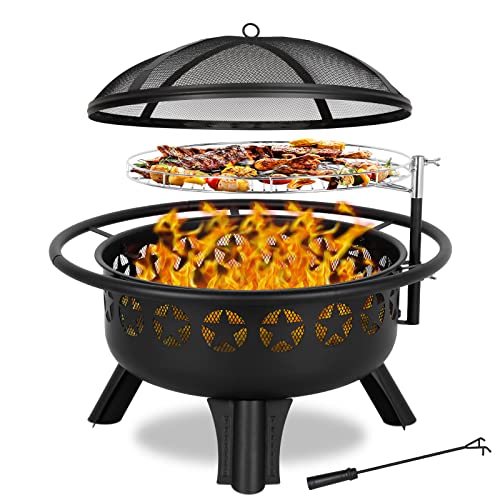
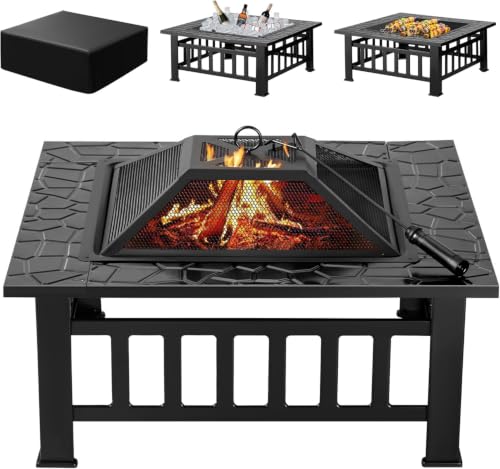
Top picks from our guide: Best Wood Burning Fire Pit : Bowls, Cooking Pits and Fire Pit Tables

As an Amazon Associate we earn from qualifying purchases. Prices and availability can change; check the current price on Amazon.
Hardwood vs Softwood for Fire Pits
Hardwoods
Hardwoods come from deciduous broadleaf trees. They are typically denser, so a log of oak contains considerably more potential heat than a log of the same size of pine. Hardwoods produce long-lasting coals, which are perfect for cooking and for keeping a fire going with fewer additions. Their main drawbacks are that they take longer to season, can be harder to light and usually cost more.
Softwoods
Softwoods come from conifers such as pine, spruce, fir and cedar. They tend to be lighter and full of resin. That makes them excellent kindling, because they ignite easily and burn hot quickly, but poor main fuel because they burn out fast, crackle and spark and produce more smoke. Cedar is popular for its pleasant aroma, but it pops and throws embers, so use it with a spark screen and in small amounts.
A practical approach is to use softwood kindling to get the fire started and seasoned hardwood logs to keep it going.
The Best Woods for a Fire Pit
Oak
Oak is often considered the benchmark firewood. It is dense, burns slowly and produces long-lasting coals with modest smoke once properly dried. The trade-off is time: oak can need a long seasoning period, often one to two years or more, especially for red oak in humid climates.
Hickory
Hickory is one of the densest common firewoods and is prized for heat output and its pleasant smoky aroma, which is why it is popular for cooking. It is hard to split and can be expensive, but a few hickory logs on a bed of coals make an excellent long-burning fire.
Maple
Sugar maple, or hard maple, burns hot and clean with good coals and moderate seasoning time. Soft maples such as red and silver maple are less dense but still decent firewood when dry.
Ash
Ash is a favorite because it has relatively low moisture when freshly cut compared with many other hardwoods and seasons faster. It splits easily, lights well and burns steadily. In many regions, ash trees killed by the emerald ash borer have increased local firewood supply, but moving that wood can spread the pest, so buy and burn it locally.
Beech and Birch
Beech is dense and burns hot with good coals. Birch lights easily thanks to its papery bark and burns bright with a pleasant smell, although it burns faster than oak. Birch bark is a handy natural fire starter.
Cherry and Apple
Fruitwoods such as cherry and apple burn with a sweet aroma that many people love around the fire pit. They produce moderate heat and good coals. They are often available as trimmings from orchards and are popular for cooking over a fire.
Firewood Comparison Table
| Wood | Density | Heat | Ease of Lighting | Sparks | Smoke When Dry |
|---|---|---|---|---|---|
| Oak | High | High | Moderate | Low | Low |
| Hickory | Very high | Very high | Moderate | Low | Low |
| Sugar maple | High | High | Moderate | Low | Low |
| Ash | Medium-high | High | Easy | Low | Low |
| Beech | High | High | Moderate | Low | Low |
| Birch | Medium | Medium-high | Easy | Low-moderate | Low |
| Cherry | Medium | Medium | Easy | Low | Low |
| Pine | Low | Medium (fast) | Very easy | High | Higher |
| Cedar | Low | Medium (fast) | Very easy | High | Moderate |
These ratings are general comparisons based on typical wood density and published extension guidance. Actual performance varies with moisture content, log size and the specific tree.
Seasoned Firewood: Why Moisture Content Matters Most
Freshly cut, or green, wood can contain a large share of water by weight. When you burn it, much of the fire's energy goes into evaporating that water, which creates a cooler fire, more smoke, more creosote and more sparks from steam pockets. Seasoned wood has been split and dried, usually for six months to two years depending on species and climate, until its moisture content is low enough to burn cleanly. The U.S. EPA Burn Wise program recommends burning only dry, seasoned wood with a moisture content of 20 percent or less to reduce smoke and pollution.
How to Tell If Firewood Is Seasoned
Look for several signs. Seasoned wood is noticeably lighter than green wood of the same size. The ends show cracks or checks radiating from the center. The bark is loose or falls off easily. Two pieces knocked together make a hollow clack rather than a dull thud. The color is grayer or faded rather than fresh. The most reliable method is a moisture meter: split a log and push the pins into the freshly exposed face for an accurate reading.
How to Season Your Own Firewood
Split logs to speed drying, because bark slows moisture loss. Stack them off the ground on a rack or pallets in a sunny, breezy spot, with the bark side up on top rows. Cover only the top of the stack so rain is kept off while air flows through the sides. Leave space between rows. Most hardwoods need at least six months to a year, and dense species like oak often need longer.
Kindling and Fire Starters
A good fire needs three sizes of fuel: tinder, kindling and logs. Tinder catches a spark or flame and includes items such as newspaper, dry leaves, birch bark or commercial natural fire starters. Kindling is small, dry sticks roughly finger to wrist thickness, ideally softwood. Logs are the main fuel. Build a small structure, such as a teepee or log cabin, with tinder in the center and kindling around it, then add progressively larger pieces once the kindling is burning well. Avoid gasoline, kerosene or lighter fluid, which are dangerous and can cause flash fires.
How to Build a Fire Pit Fire That Burns Cleanly
Start with a clean pit that has excess old ash removed, which improves airflow. Use dry kindling and seasoned hardwood. Build the fire with gaps for air to circulate. Add wood gradually rather than overloading the pit, since a smothered fire smokes heavily. Keep logs a manageable size, typically 16 inches or shorter for most backyard pits. A hot, well-ventilated fire burns more completely and produces less smoke than a large, smoldering pile.
Wood You Should Never Burn in a Fire Pit
Some materials should never go in a fire pit because they release toxic fumes, burn unpredictably or are prohibited by local rules. Never burn pressure-treated lumber, which can contain chemical preservatives. Avoid painted, stained or varnished wood, plywood, particleboard, MDF and other engineered products that contain glues and resins. Be careful with pallets: some are chemically treated, so only burn ones marked HT (heat treated) and never those marked MB (methyl bromide). Do not burn driftwood, which can release harmful compounds because of salt. Never burn poison ivy, poison oak or poison sumac, as the smoke can cause serious respiratory reactions. Skip wet or rotten wood, trash, plastics, cardboard with coatings and yard waste such as wet leaves.
Where to Get Good Firewood
Buy firewood locally, ideally within the same county or region where you will burn it. Moving firewood long distances can spread invasive insects and tree diseases, and many states regulate firewood transport. The Don't Move Firewood campaign explains the risks. Look for sellers who state that their wood is seasoned or kiln-dried, and ask about the species and when it was cut. Firewood is often sold by the cord or face cord, and terms vary by region, so confirm the exact dimensions before buying.
Kiln-Dried vs Air-Dried Firewood
Kiln-dried firewood has been dried in a heated chamber to a low moisture level, which makes it quick to light and low in smoke. It is usually more expensive. Air-dried or seasoned firewood dries naturally over months and can be just as good if properly stored. If you buy kiln-dried wood, still store it under cover so it does not absorb moisture again.
Firewood for Smokeless Fire Pits
Smokeless fire pits rely on a secondary burn that ignites smoke particles, and they work best with dry hardwood cut to fit. Wet wood overwhelms the airflow system and produces smoke even in a smokeless design. Learn more in our explainer on how smokeless fire pits work and our roundup of the best smokeless fire pit options.
Storing Firewood Safely
Store firewood off the ground and away from your house, ideally at least 20 to 30 feet, because woodpiles attract termites, ants and rodents. Keep only a small supply near the fire pit. Cover the top of the stack to shed rain. Rotate stock so older, drier wood is burned first.
Firewood and Fire-Starting Supplies
If you do not have your own seasoned wood, these products can help. Details come from Amazon listings; we have not hands-on tested them.

Smoak Firewood Kiln-Dried Premium Oak Firewood
Best for: Long, hot backyard fires
Kiln-dried oak firewood that the seller states includes fire starters.
- Kiln dried for low moisture
- Dense hardwood
- Expensive compared with local wood

Old Potters Kiln-Dried Cherry Firewood, 8-Inch Logs
Best for: Pleasant aroma and smaller pits
Short kiln-dried cherry logs sized for smaller and smokeless fire pits.
- Pleasant aroma
- Short logs fit small pits
- Small quantity

CHICIRIS Pinless Wood Moisture Meter
Best for: Checking if wood is seasoned
A pinless moisture meter with settings for wood types to check firewood dryness.
- Quick readings
- No pin holes
- Pinless readings are surface-weighted; test a fresh split face
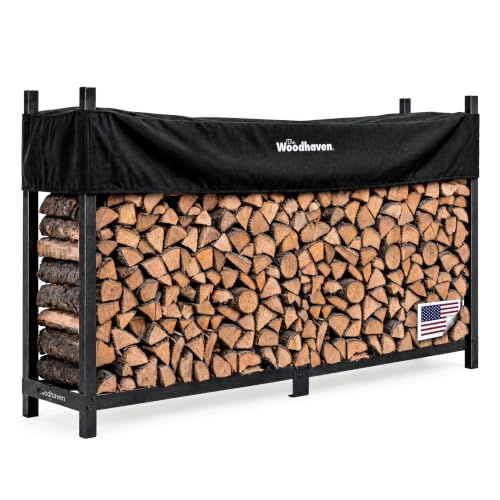
Woodhaven 8-Foot Raised Firewood Rack with Cover
Best for: Seasoning and storing wood
A raised firewood rack holding about half a cord, sold with a cover.
- Keeps wood off the ground
- Cover included
- Needs space

Realcook Natural Fire Starters
Best for: Lighting without lighter fluid
Natural all-weather fire starters for campfires and fire pits.
- No lighter fluid needed
- Weather resistant
- Consumable
Pair good wood with a quality fire pit from our best wood burning fire pit guide.
Common Mistakes When Choosing Fire Pit Wood
Common mistakes include burning green or wet wood, relying on softwoods as the main fuel, burning treated lumber or pallets of unknown origin, buying firewood transported from far away, using logs too large for the pit, overloading the fire and smothering it, and starting fires with gasoline or lighter fluid. Each of these creates more smoke, less heat or a safety hazard.
Final Thoughts on the Best Wood to Burn in a Fire Pit
For the best fire pit experience, burn dense, well-seasoned hardwoods such as oak, hickory, maple, ash, beech or fruitwoods, start them with dry softwood kindling and keep moisture content at or below roughly 20 percent. Buy local, store wood off the ground under a top cover and never burn treated or painted wood. When the evening ends, follow our guide on how to put out a fire pit safely.
More Questions People Ask
Is oak or hickory better for a fire pit?
Both are excellent. Hickory is slightly denser and gives off more heat, while oak is widely available and burns long with good coals. Either needs to be properly seasoned.
Can you burn wet wood in a fire pit?
You can, but it produces heavy smoke, less heat and more sparks. Split wet wood and let it season, or buy kiln-dried wood.
What wood smells best in a fire pit?
Fruitwoods such as apple and cherry, and hickory, are popular for pleasant aromas. Cedar smells nice but sparks heavily.
Is it safe to burn pallets in a fire pit?
Only pallets stamped HT (heat treated) are generally considered acceptable. Never burn pallets marked MB, painted pallets or those of unknown origin.
Frequently Asked Questions
What is the best wood to burn in a fire pit?
Dense, well-seasoned hardwoods such as oak, hickory, maple, ash and beech are among the best choices. They burn longer and hotter and produce less smoke than wet or resinous wood.
Can I burn pine in a fire pit?
Dry pine can be used as kindling, but it burns fast, pops and throws sparks and produces more smoke and creosote. Use it sparingly and mix it with hardwood.
How do I know if firewood is seasoned?
Seasoned wood is lighter, has cracks in the end grain, sounds hollow when two pieces are knocked together and has loose or missing bark. A moisture meter reading around 20 percent or lower is a common target.
What wood should I never burn in a fire pit?
Never burn pressure-treated, painted or stained wood, plywood, particleboard, pallets of unknown origin, driftwood, poison ivy, oak or sumac, or green wet wood.
Which firewood produces the least smoke?
Dry, seasoned hardwood produces the least smoke. Moisture is the biggest cause of smoky fires, so the dryness of the wood matters more than the species.