
Introduction
Do you have shady spots in your yard? Finding the best grass for shade can be tricky. This guide will help you choose the right grass. You will learn which grass types thrive in low-light conditions.
Why Shade Matters
Grass needs sunlight to grow. But some grasses can thrive in shady areas. Choosing the right shade-tolerant grass is important. It ensures a lush, green lawn even in low-light conditions.
Top Shade-Tolerant Grass Types
Let’s explore the best grass types for shady areas. These grasses can thrive with limited sunlight.
| Grass Type | Shade Tolerance | Maintenance Level |
|---|---|---|
| Fine Fescue | High | Low |
| St. Augustine Grass | Medium | Medium |
| Zoysia Grass | Medium | Medium |
| Ryegrass | High | Medium |
| Bentgrass | High | High |
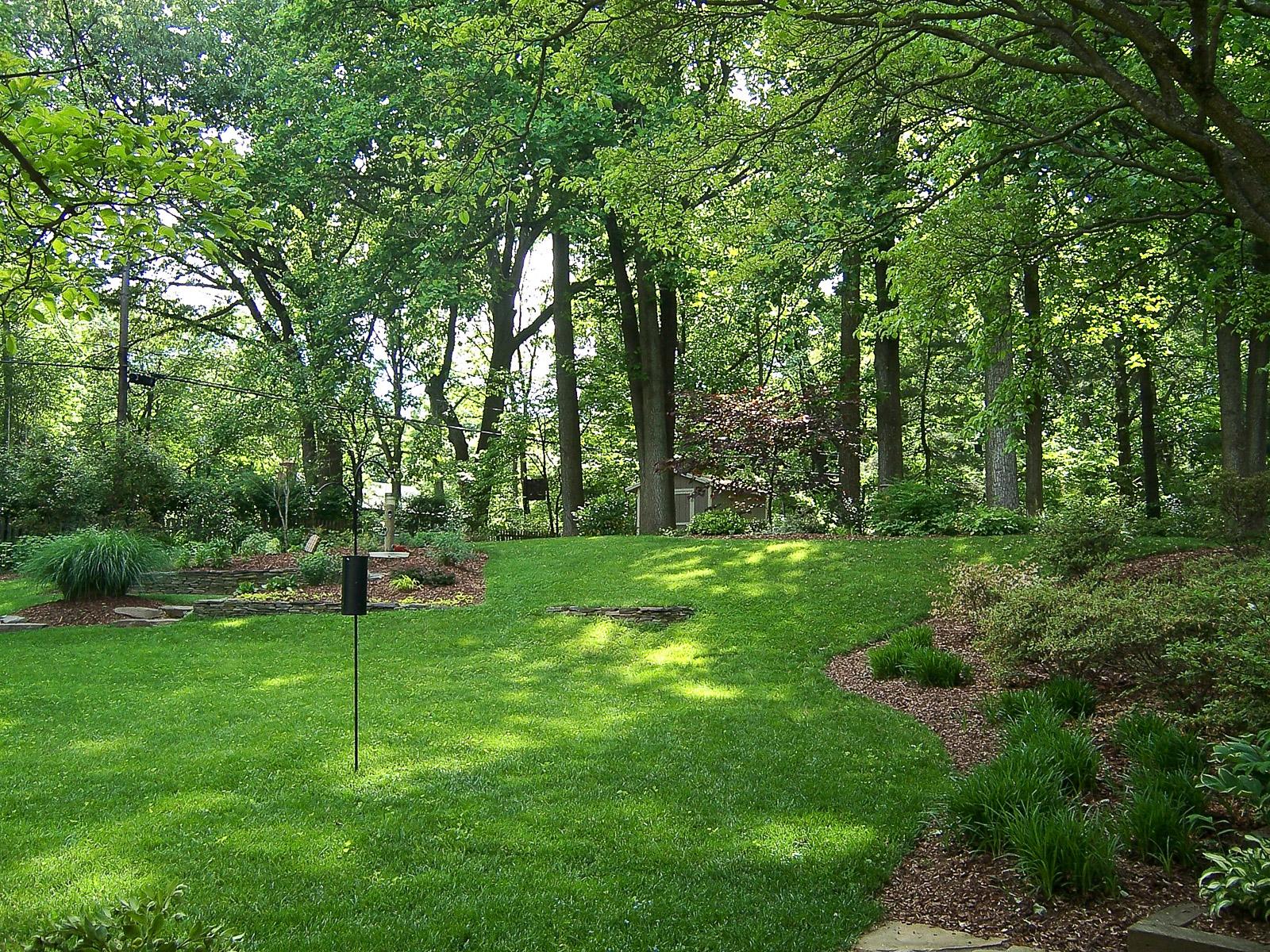
Credit: extension.umd.edu
Fine Fescue
Fine Fescue is a great choice for shady areas. It has high shade tolerance. This grass type is low maintenance. It grows well in cool climates. Fine Fescue has fine, soft blades. It creates a dense, lush lawn.
St. Augustine Grass
St. Augustine Grass is another option for shaded lawns. It has medium shade tolerance. This grass type prefers warm climates. It has broad, coarse blades. St. Augustine Grass requires moderate maintenance. It can grow well with some sunlight.
Zoysia Grass
Zoysia Grass is a good choice for partial shade. It has medium shade tolerance. This grass type is suitable for warm climates. Zoysia Grass has fine, soft blades. It forms a dense, carpet-like lawn. This grass requires moderate maintenance.
Ryegrass
Ryegrass is a versatile grass type. It has high shade tolerance. This grass grows well in cool climates. Ryegrass has fine, soft blades. It creates a lush, green lawn. This grass type requires moderate maintenance. It is a good choice for shaded areas.
Bentgrass
Bentgrass is a high-maintenance option for shade. It has high shade tolerance. This grass type is suitable for cool climates. Bentgrass has fine, soft blades. It creates a dense, lush lawn. This grass requires frequent mowing and care. It is ideal for golf courses and high-end lawns.
Factors to Consider When Choosing Shade-Tolerant Grass
When choosing grass for shade, consider these factors:
- Climate: Choose grass that suits your climate.
- Maintenance: Consider the maintenance level you can manage.
- Sunlight: Know the amount of sunlight your lawn receives.
- Soil Type: Check if the grass is suitable for your soil type.
- Watering Needs: Ensure you can meet the grass’s watering needs.
Tips for Growing Grass in Shade
Growing grass in shade requires special care. Follow these tips for a lush, green lawn:
- Choose the right shade-tolerant grass type.
- Keep the soil well-drained.
- Fertilize your lawn regularly.
- Water deeply but infrequently.
- Mow your lawn at a higher height.
- Remove debris and fallen leaves.
- Trim surrounding trees and bushes.

Credit: m.youtube.com
Frequently Asked Questions
What Grass Grows Best In Shade?
Fine fescue and St. Augustine are top choices for shaded areas.
Can Grass Grow In Full Shade?
Yes, certain grasses like fine fescue can thrive in full shade.
How To Maintain Shaded Grass?
Regular watering and minimal mowing help maintain shaded grass.
Which Grass Is Low Maintenance For Shade?
Fine fescue is low maintenance and shade-tolerant.
Conclusion
Finding the best grass for shade is easy with the right information. Choose a grass type that suits your climate and maintenance level. Follow our tips for growing grass in shade. You will enjoy a lush, green lawn even in low-light conditions.