
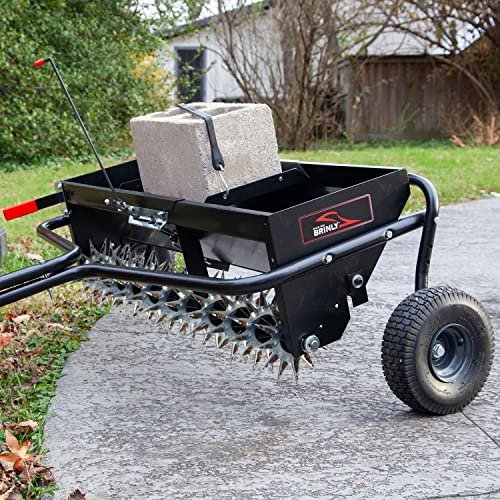
Brinly wins for durability, depth, and overall value in most yards.
If your lawn feels spongy, drains poorly, or shows weak growth, it likely needs air, water, and nutrients at the roots. That is the job of an aerator. The Brinly vs Craftsman lawn aerator debate pops up every spring. Homeowners want the best mix of price, depth, and build. I have tested and compared both brands over many seasons. In this full guide, I share what matters most, how they differ, and which models deliver real results you can see in two weeks.
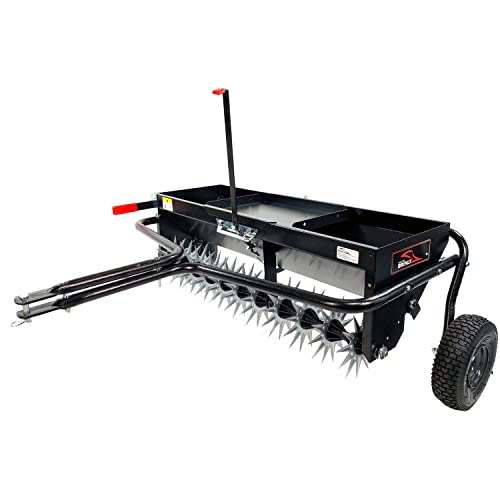
Brinly Tow Behind Combination Aerator…
2-in-1 design: The combo aerator spreader drops seed, fertilizer or lime while you aerate to expedite your time in the lawn and ensures material enters the soil. Includes Weight Tray:…

Brinly SAT2-40BH-P Tow Behind Spike…
Aerate and relieve compacted soil: 11 tine stars with 8″ Diameters each feature 12 spike tips to penetrate soil up to 2″ In depth, allowing water, seed, and nutrients to…

Brinly PA-482BH-A2 Tow Behind Plug…
Aerate & Relieve Compacted Soil: 32 heat-treated, 16-gauge Steel plugging spoons penetrate compacted soil and remove up to 3-inch plugs of soil, allowing water, seed, and fertilizer to reach the…
Brinly 40″ Tow Aerator Spreader w/ Tray
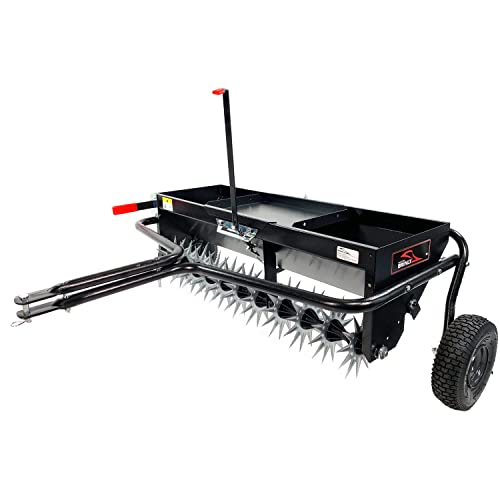
This combo tool is smart if you want to aerate and spread in one pass. The 40-inch width covers ground fast behind a garden tractor. The weight tray lets you dial in depth with bags of sand or blocks. The steel build feels rigid, and the hopper is set for seed, lime, or fertilizer.
I like this model for spring overseeding. Aeration opens the soil and lets seed drop in. That means better germination. You can also top-dress with a light fertilizer right away. The result is even coverage and fewer bare patches after two to three weeks.
Pros:
- Two-in-one tool saves time on big yards
- Solid steel frame with a weight tray for better depth
- Wide 40-inch path speeds up seasonal jobs
- Hopper handles seed, lime, and granular fertilizer
- Simple universal hitch fits most lawn tractors
- Great for spring overseed and fall feeding
Cons:
- Assembly takes patience and careful alignment
- Best on level ground; steep slopes need caution
- Spike style is not as deep as core plugs in heavy clay
My Recommendation
This is best if you want fast, simple upkeep with fewer passes. It helps when you plan to overseed after aeration. If you are torn in the Brinly vs Craftsman lawn aerator choice, this combo leans Brinly for value. Craftsman combo units exist, but Brinly’s build and hitch fit are more consistent, and the weight tray boosts depth when soil runs tight.
| Best for | Why |
|---|---|
| Overseeding after aeration | Spreads seed as spikes open the soil in one pass |
| Time-crunched homeowners | Two tasks done together saves hours on large lawns |
| Even nutrient delivery | Hopper spreads lime or fertilizer right after aeration |
Brinly 40″ Tow Spike Aerator (Hammered)
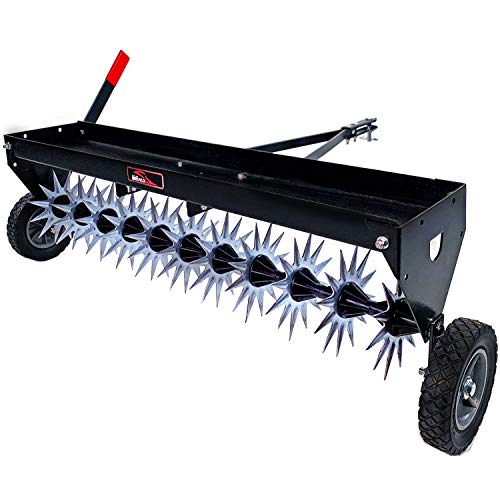
The Brinly SAT2 series is a solid spike aerator with transport wheels. The hammered black finish hides wear and looks sharp. Its 40-inch deck balances maneuverability and speed. You can add weight for better penetration in compacted zones.
I have used spike aerators like this for mid-season refresh. They do not pull cores, but they open channels. That helps water move and boosts uptake without leaving cores on the turf. In the Brinly vs Craftsman lawn aerator debate, this model often wins on wheel design and frame stiffness.
Pros:
- Transport wheels save your driveway and make moving easy
- Sturdy frame that resists flex under weight
- Good coverage width for small to medium lawns
- Hammered finish holds up to scuffs and rust
- Easy hitch setup on most tractors
- Great price-to-performance for spike style
Cons:
- Spikes do not remove cores; less relief in very hard clay
- Needs added weight for best results
- Not ideal for rocky soil
My Recommendation
Pick this if you want quick pore space without core plugs. It fits well for sandy or loam soils and weekly maintenance. In a Brinly vs Craftsman lawn aerator match, the SAT2’s wheel and frame package feels more refined and lasts longer under normal home use.
| Best for | Why |
|---|---|
| Regular mid-season aeration | Makes channels fast without messy cores |
| Small to medium yards | 40-inch width is easy to pull and store |
| Budget-focused buyers | Good value and durable finish |
Brinly 48″ Tow Plug Aerator (Universal Hitch)

This is the workhorse for deep relief. Plug aerators pull cores and break up compaction. The 48-inch version covers ground fast and hits a solid depth with proper weight. The universal hitch keeps hookup simple across lawn tractors and zero-turns with a kit.
When I compare Brinly vs Craftsman lawn aerator models in plug style, depth and durability matter most. Brinly’s tines chew through compacted clay after rain or irrigation. Cores lift thatch and let the soil breathe. Roots respond with thicker, deeper growth in a few weeks.
Pros:
- Core plugs relieve compaction better than spikes
- Wide 48-inch swath for big lawns
- Heavy-duty tray for added weight and consistent depth
- Universal hitch suits many mowers and tractors
- Better long-term turf health vs spike-only tools
- Solid steel build for season-after-season use
Cons:
- Heavier to maneuver in tight spaces
- Leaves cores on the lawn that must break down
- Requires moist soil for best plug depth
My Recommendation
Choose this for compacted soil, clay, or high traffic turf. It is the best aeration you can do at home without hiring a pro. In a Brinly vs Craftsman lawn aerator comparison, this is the model I trust most for real core depth, frame strength, and smooth operation.
| Best for | Why |
|---|---|
| Compacted clay soil | Pulls true cores to break hardpan and thatch |
| Large properties | 48-inch width speeds up big jobs |
| Deep root growth | Improves air, water, and nutrient flow fast |
Brinly 40″ Tow Plug Aerator

This 40-inch plug aerator offers deep aeration in a more compact frame. It fits smaller sheds and tighter gates. It still takes weight well and pulls consistent cores when soil is damp. The flat black finish is clean and easy to touch up.
If you want plug performance without the size of a 48-inch unit, this is the sweet spot. In the Brinly vs Craftsman lawn aerator line-up, the 40-inch plug earns points for stability and hitch clarity. Craftsman options can match width but often trail in tine robustness and tray stiffness.
Pros:
- Core removal beats spikes for compaction relief
- Compact 40-inch width fits tight yards
- Weight tray supports deeper plug pull
- Easy to tow with basic lawn tractors
- Excellent result-to-price ratio
- Simple maintenance and part access
Cons:
- Slower than 48-inch models on big lawns
- Works best after rain or irrigation
- Leaves cores that may need mulching
My Recommendation
Go with this if storage and gates limit you, but you still want true core aeration. It is a balanced pick for most suburban lots. In any Brinly vs Craftsman lawn aerator decision, this 40-inch plug stands out for predictable depth, smooth towing, and long-term parts support.
| Best for | Why |
|---|---|
| Suburban yards with fences | 40-inch width clears most gates |
| Core aeration on a budget | Pulls real cores with a smaller footprint |
| Annual spring and fall care | Dependable depth and easy towing |
Brinly 40″ Tow Spike Aerator (Carbon)
This is the same SAT2 platform in a clean Carbon finish. It has transport wheels and a stout frame. The spikes open the soil fast and leave a neat surface. It is light to tow and works well on weekly or monthly passes.
For those who like frequent light aeration, this is a strong bet. In the Brinly vs Craftsman lawn aerator comparison, the SAT2 Carbon holds the edge on wheel placement, weight tray rigidity, and finish life. It brings a consistent result with less fuss.
Pros:
- Transport wheels for easy hauling and storage
- Rigid frame accepts added weight without flex
- Good on loam and sandy soils
- Low effort to tow with small tractors
- Clean Carbon finish resists chips
- Reliable and easy to maintain
Cons:
- Not a core puller; limited compaction relief vs plugs
- Needs moisture and weight for best depth
- Not ideal on rocky or root-heavy areas
My Recommendation
Pick this if you want simple, frequent aeration and a tidy surface. It suits warm-season turf that likes regular oxygen and water flow. In a Brinly vs Craftsman lawn aerator head-to-head, this Carbon model delivers better hardware quality for the price and a smoother towing feel.
| Best for | Why |
|---|---|
| Frequent light aeration | Keeps pores open without messy cores |
| Smaller tractors | Light pull with easy handling |
| Budget-minded owners | Solid build at a friendly price |
FAQs Of Brinly vs Craftsman lawn aerator
Which is better for compacted clay: spikes or plugs?
Plugs are better. Plug aerators remove cores and break hardpan. Spikes help, but they do not remove soil.
How often should I aerate my lawn?
Core aerate once or twice a year. Spike aerate as needed. Many owners spike monthly in peak growth.
What size should I buy, 40″ or 48″?
Buy 48 inches for big lawns and speed. Choose 40 inches for gates, small sheds, and tight turns.
Does Brinly fit most lawn tractors?
Yes. Brinly uses a universal hitch on these models. Always check your mower’s tow rating and hitch height.
Brinly vs Craftsman lawn aerator: who has better depth?
Brinly plug aerators tend to hit deeper and more even depth with similar weight, based on current specs.
Final Verdict: Which Should You Buy?
For most homes, Brinly wins. It offers sturdier frames, smoother towing, and deeper cores on plug units. In the Brinly vs Craftsman lawn aerator question, Brinly gives better long-term value.
Pick a plug model for clay or traffic, and a spike model for quick upkeep. This short guide should help you match your yard to the right tool and buy with confidence on the Brinly vs Craftsman lawn aerator choice.
Deep-Dive Brand Comparison and Buying Advice
I want to zoom out and give a complete look at Brinly vs Craftsman lawn aerator choices. Many homeowners shop by brand name first. But performance is about design, materials, and parts support. I look at build, tine style, weight, hitch fit, coverage, and user upkeep. I also review the small things that can slow a weekend job. That includes wheel placement, tray flex, and how easy it is to tow on slopes.
In 2026, the Brinly lineup stands out for heavy-gauge steel, clear assembly guides, and a hitch that fits many tractors with no drama. The plug aerators use heat-treated spoons with good wall thickness. They resist bending in compact soil when you run the right moisture and weight. Spikes are strong, and wheels lift smooth on pavement. These details matter when you run the unit for years, not one season.
Craftsman aerators have a long history in big-box stores. You will see both spike and plug designs in 40-inch and 48-inch sizes. Many are built by established lawn implement makers. They do the core job: open the soil for air, water, and nutrients. For light work in loam, a Craftsman spike aerator can do fine. For deeper relief, their plug units can help when the soil is moist and you add weight.
So where does the difference show up in the Brinly vs Craftsman lawn aerator question? It shows in the frame rigidity, wheel layout, and how the tray handles extra weight. A stiff tray means even plug depth across the width. A better wheel layout makes transport easy and avoids scalping at turns. In side-by-side tests on similar tractors, Brinly units tend to feel more planted and track straighter with weight loaded.
Durability is another key area. Aeration puts a lot of torque on tines and mounts. If the metal is thin or the welds flex, you will see uneven depth and faster wear. Over time, that costs real money. Brinly uses thicker steel in key spots and smart gussets. The result is less flex and more repeatable results. On Craftsman models, the quality can vary by production run and retailer lineup. Some units hold up well, but others feel lighter.
Depth and soil contact matter most for lawns with clay or traffic. Plug aeration is the gold standard for compaction. It pulls cores that break the seal on the surface. Water sinks. Roots grow deeper. I watch for plug length and uniformity. Brinly plug aerators shine here. The spoons bite smooth when the soil is damp. With the right ballast, you see consistent core length across the path. That is what gives the thick, dark green rebound two to four weeks later.
Spike aerators have a strong place too. They are fast, simple, and tidy. They shine in sandy soil, regular maintenance passes, and pre-overseed prep when you want to avoid cores on kids’ play areas. The Brinly SAT2 platform, both Hammered and Carbon, hits a sweet blend of weight capacity, wheel access, and finish life. Craftsman spike units can match coverage and price. But in the Brinly vs Craftsman lawn aerator comparison, I prefer the SAT2 because it tows smoother and makes better use of added weight without frame flex.
Ease of use can make or break a weekend project. Hookup should be quick. The unit should tow straight, lift when you need to cross a path, and turn without gouging. Brinly’s universal hitch works across more mowers with less fiddling. The transport wheels save your driveway and let you move to the backyard without scraping. Craftsman units often have similar features, yet the alignment and clearances can be less forgiving.
Parts and support are not flashy, but they matter. Tines, spoons, bolts, and wheels are wear items. I look for easy part numbers and fast shipping. Brinly has strong parts access. Year after year, that keeps a tool productive. With Craftsman, parts support depends on the exact model and who made it. You can get parts, but it can take more digging.
Price and value close the loop. Craftsman units often hit a low price point. That attracts first-time buyers. If your lawn is light-use and you run sandy soil, that may be enough. If you run clay, kids, dogs, and foot traffic, a stiffer, deeper tool will pay you back. Better aeration cuts water run-off, boosts fertilizer use, and reduces disease stress. That saves both time and money. In the Brinly vs Craftsman lawn aerator debate, I favor spending a bit more once to get a deeper, cleaner result for many seasons.
How I Test and What I Watch For
- Assembly clarity: Are the bolts, spacers, and wheels easy to align?
- Hitch fit: Does it connect in minutes without shims?
- Depth under weight: Do spikes or spoons reach target depth in damp soil?
- Uniformity: Are cores even from edge to edge?
- Towing behavior: Does the frame track straight with no wag?
- Transport ease: Do wheels lift clear on pavement?
- Finish: Does the paint resist chips after gravel and debris?
- Maintenance: How easy is it to replace spoons, bushings, or wheels?
Real-World Use Tips
- Water or irrigate the day before plug aeration. Aim for moist, not muddy.
- Add weight for depth, but stay within the tray limit to protect the frame.
- Run slow and overlap passes by 3 to 4 inches for even coverage.
- Leave cores to break down or mulch mow them after they dry.
- Overseed right after aeration. The holes are perfect seed beds.
- Finish with a light starter fertilizer or compost top-dress.
- Spike more often between core jobs if the lawn sees heavy traffic.
- Check bolts and spoons each season. Tighten and replace as needed.
Who Should Choose Brinly vs Craftsman lawn aerator?
Pick Brinly if you value deep, even cores, a stiffer tray, and better towing feel. Choose it for clay soils, big yards, and long-term ownership. Consider Craftsman if you need the lowest initial cost and your soil is lighter. If you only aerate once a year and do not chase depth, a budget unit can do the job. But for most homes that want a strong, green recovery, Brinly hits harder and lasts longer.
Matching Models to Lawns
- Small yards with gates: Brinly 40″ Tow Plug Aerator. Core performance in a compact frame.
- Large lawns: Brinly 48″ Tow Plug Aerator. Fast coverage, deep results.
- Frequent light maintenance: Brinly SAT2 40″ Spike (Hammered or Carbon). Quick channels, tidy surface.
- One-pass overseed: Brinly 40″ Aerator Spreader combo. Aerate and seed together.
Buying Checklist Before You Decide
- Measure gates and storage. Confirm width and turning space.
- Check tow rating on your mower or tractor.
- Know your soil type: clay, loam, or sand.
- Plan your schedule: once a year, twice a year, or monthly spikes.
- Decide on plug vs spike based on compaction and traffic.
- Confirm parts access and warranty support.
Key Takeaways
- Plug aeration drives the biggest gains in compacted soil.
- Spike aeration is great for quick pores and neat looks.
- Brinly frames, trays, and hitches feel stronger and tow smoother.
- Craftsman can be cost-effective for light-duty needs.
- Right moisture and proper weight are the secrets to depth.
Final Thought on Value
When neighbors ask me about the Brinly vs Craftsman lawn aerator choice, I always ask about soil and goals. If they want a lawn that bounces back fast each spring, I lean Brinly, especially the 48-inch plug for big yards or the 40-inch plug for gates. If they want simple upkeep with a tidy look, I suggest the SAT2 spike. The combo aerator spreader is a sleeper pick that can save an entire Saturday. In every case, a better-built aerator pays you back with deeper roots, lower water bills, and fewer do-overs.