
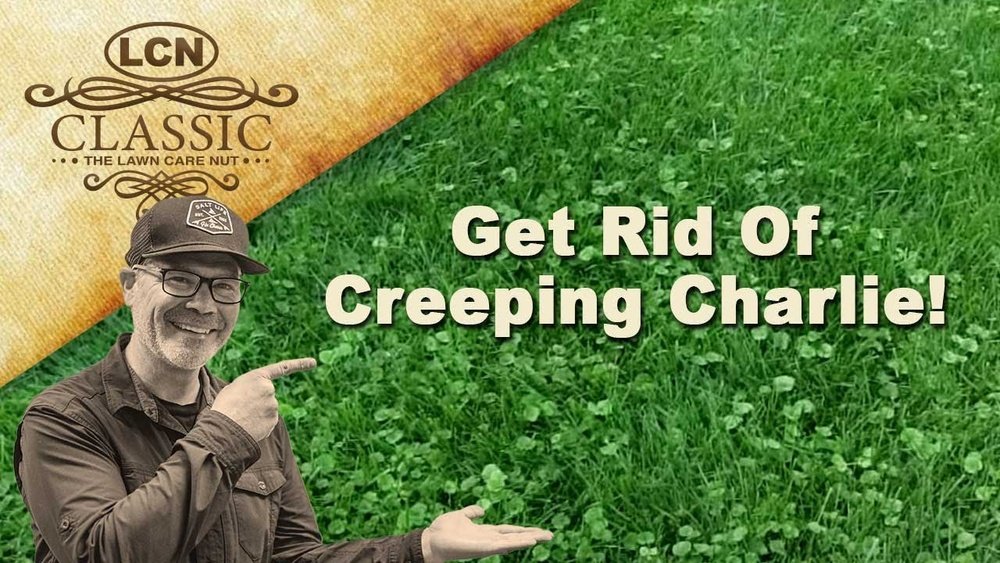
Ground ivy, also called Creeping Charlie, can quickly take over a lawn and frustrate even dedicated homeowners. Its shiny, rounded leaves and purple flowers might look harmless at first, but this plant is a stubborn invader. Left unchecked, ground ivy forms thick mats, chokes out grass, and spreads through both seeds and creeping stems. If you’ve noticed patches of this weed taking hold in your yard, you’re not alone—it’s one of the most common and challenging lawn problems across the United States.
This article explains, in simple and clear language, how to get rid of ground ivy in your lawn. You’ll learn what makes this weed so persistent, why some solutions fail, and how to choose the best approach for your yard.
Whether you want a chemical-free solution, don’t mind using selective herbicides, or just want to improve your lawn’s health, you’ll find practical steps, expert tips, and strategies that work for real people. Along the way, you’ll see data, tables, and real examples to help you decide what’s best for your situation.
What Is Ground Ivy And Why Is It A Problem?
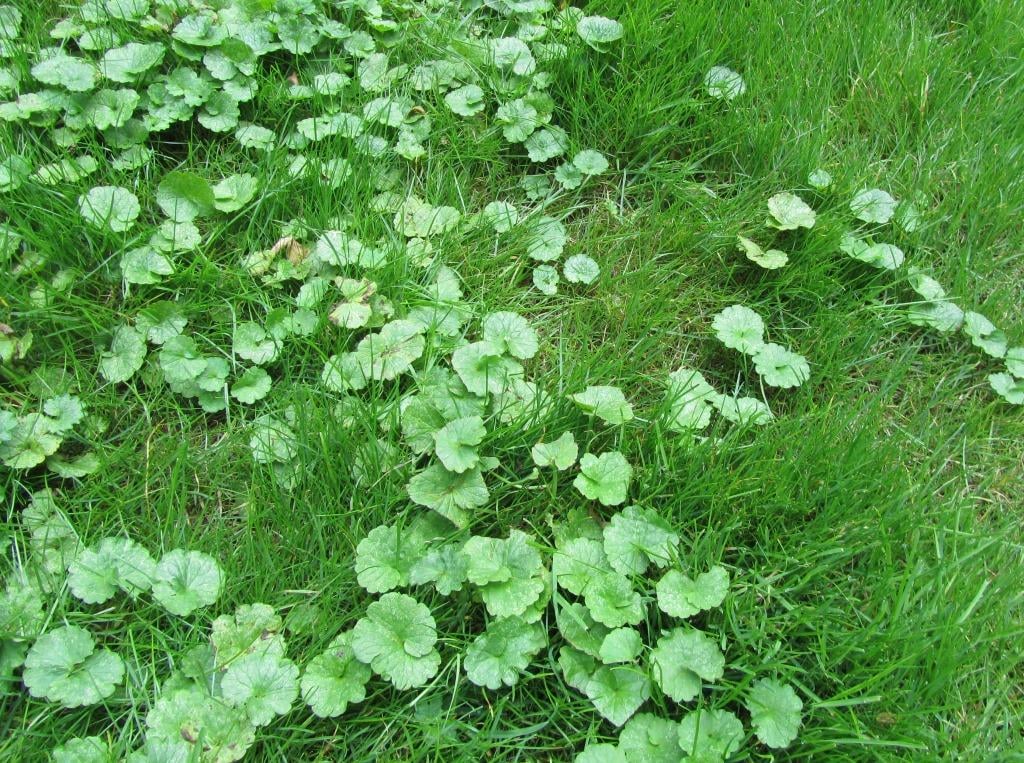
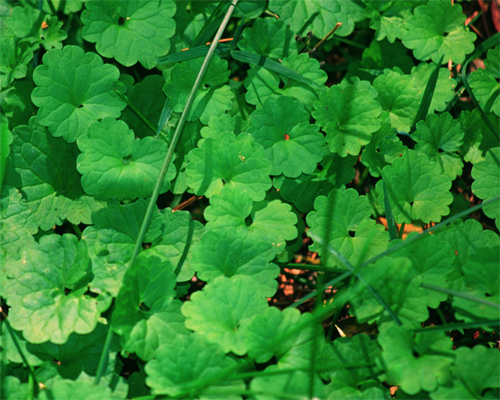
Ground ivy (Glechoma hederacea) is a low-growing perennial plant in the mint family. It spreads aggressively through creeping stems called stolons, rooting at each node. You can spot it by its scalloped, kidney-shaped leaves and small bluish-purple flowers that bloom in spring and early summer.
But Why Is It Such A Serious Weed?
- Spreads rapidly: Stems root wherever they touch the ground, quickly forming thick carpets.
- Difficult to pull: Even small pieces left behind can regrow.
- Tolerates shade and sun: It thrives under trees, along fences, and in open lawns.
- Competes with grass: Dense mats block sunlight and steal water and nutrients from your turf.
Ground ivy is sometimes confused with other weeds like wild violet or clover. One quick test: crush the leaves—if you smell a strong minty odor, it’s ground ivy.
How Ground Ivy Spreads In Lawns
Understanding how ground ivy spreads helps you control it more effectively. It uses two main methods:
- Stolons (Creeping Stems): The main way ground ivy moves. Stems run along the soil surface, rooting at each node and creating new plants.
- Seeds: Though less common, ground ivy also produces seeds that can start new patches.
What makes this plant so tough is its ability to survive mowing, drought, and even some herbicides. A small fragment can restart the invasion if not completely removed.
Table: Key Features Of Ground Ivy Vs. Similar Weeds
| Weed | Leaf Shape | Flower Color | Growth Habit | Distinctive Feature |
|---|---|---|---|---|
| Ground Ivy | Kidney/rounded, scalloped edge | Blue-purple | Creeping, low-growing | Minty smell when crushed |
| Wild Violet | Heart-shaped, smooth edge | Purple/blue | Clumping, not creeping | No minty smell |
| Clover | Trifoliate (three leaflets) | White/pink | Low, patch-forming | Distinct three-leaf pattern |
Credit: blog.nutrilawn.com
Why Ground Ivy Is Hard To Control
Many homeowners are surprised at how difficult it is to remove ground ivy. Here’s why:
- Survives mowing: The stems grow below mower height, so cutting the lawn doesn’t stop it.
- Regrows from fragments: Even a small piece left after pulling can regrow.
- Resistant to common weed killers: Basic broadleaf herbicides often don’t work.
- Thrives in poor lawn conditions: Thin grass, shade, and wet soils give ground ivy an advantage.
Many people try pulling ground ivy by hand, only to see it return stronger. Others use weed-and-feed products and get no results. Knowing what doesn’t work is just as important as knowing what does.
Common Mistakes When Trying To Remove Ground Ivy
- Using the wrong herbicide: Not all weed killers are effective on ground ivy. Some only weaken it.
- Inconsistent treatment: Missing a section or stopping treatments early lets ground ivy recover.
- Ignoring lawn health: Weak, thin grass gives weeds space to grow.
- Pulling without removing all roots and stems: Fragments left in the soil restart the problem.
- Not addressing shade and moisture: Ground ivy loves shady, damp spots—fixing these is part of long-term control.

Credit: www.youtube.com
Best Strategies To Get Rid Of Ground Ivy
There’s no single “magic bullet” for ground ivy, but you can get rid of it using a combination of methods. The best strategy depends on your lawn’s size, your tolerance for chemicals, and how much work you’re willing to do.
Table: Overview Of Ground Ivy Control Methods
| Method | Effectiveness | Speed | Safety | Cost |
|---|---|---|---|---|
| Hand Pulling | Low to Moderate | Slow | Very Safe | Low |
| Cultural Practices (lawn care) | Moderate | Slow | Very Safe | Low to Moderate |
| Herbicides (selective) | High | Medium | Moderate | Moderate |
| Smothering (solarization) | Moderate | Slow | Very Safe | Low |
Let’s look at each approach in detail.
Manual Removal: When And How It Works
Hand pulling can be effective in small lawns or for isolated patches, but it’s rarely enough for large areas. If you try this method:
- Wait until after rain: Wet soil makes it easier to pull up roots and stems.
- Use a weeding tool: A forked tool or dandelion digger helps get under the roots.
- Remove all fragments: Even small pieces can regrow, so be thorough.
- Repeat often: Check weekly for new growth and pull it before it spreads.
Tip: Many people miss the “runners” (stolons) that sneak under grass. Carefully lift the turf to find hidden stems. Place all pulled material in a bag—don’t compost it, as it can survive and spread.
Manual removal is best for:
- Small infestations (less than 10% of the lawn)
- Garden beds or edges, where spraying isn’t practical
- People who prefer a chemical-free approach
Non-obvious insight: If you hand-pull, overseed the bare spots immediately with grass seed. Otherwise, ground ivy or other weeds will quickly recolonize the area.
Improving Lawn Health To Crowd Out Ground Ivy
Healthy, thick grass is your best defense against ground ivy. Weeds usually invade where grass is weak. Here’s how to strengthen your lawn:
- Mow at the right height: Most grass species (like Kentucky bluegrass or fescue) do best when kept at 3–4 inches. Taller grass shades the soil and makes it harder for weeds to sprout.
- Fertilize correctly: Apply a balanced fertilizer in spring and fall. Too much fertilizer can help weeds, but too little weakens grass.
- Water deeply and infrequently: This encourages deep roots. Shallow, frequent watering favors ground ivy.
- Aerate compacted soil: Dense soil stresses grass and gives weeds an opening.
- Overseed thin areas: Add new grass seed to bare patches so weeds can’t move in.
Pro tip: Ground ivy loves shade. If possible, trim lower branches from trees or shrubs to let more sunlight reach the lawn. Grass grows best with at least 4–6 hours of sun per day.
Table: Grass Height And Ground Ivy Risk
| Mowing Height | Grass Health | Ground Ivy Risk |
|---|---|---|
| 2 inches or less | Weak/thin | High |
| 3–4 inches | Thick/strong | Low |
| 4+ inches (too tall) | May get floppy | Moderate |
Non-obvious insight: Many people think mowing short will control ground ivy, but it actually weakens the grass and helps the weed spread.
Selective Herbicides: What Works And What Doesn’t
If you have a large infestation, using a selective herbicide is often the most practical solution. But not all weed killers work on ground ivy.
Best Active Ingredients
- Triclopyr: Most effective for ground ivy. Products with triclopyr (alone or with 2,4-D and dicamba) are widely recommended.
- Dicamba: Moderately effective but works better when combined with other actives.
- 2,4-D: By itself, it’s usually not enough for ground ivy.
Look for a product labeled for “creeping Charlie” or ground ivy control. Always follow label instructions exactly.
How To Apply Herbicides
- Treat in spring or fall: Ground ivy is most vulnerable when actively growing—in late spring (after flowering) or early fall.
- Spray on a dry, calm day: Rain within 24 hours can wash the product off. Wind can drift spray onto desirable plants.
- Don’t mow right before or after: Wait at least 2–3 days after mowing to treat, and don’t mow for 2–3 days after applying.
- Repeat if needed: Most infestations need at least two treatments, spaced 2–4 weeks apart.
Safety note: Keep pets and kids off the lawn until the product dries. Wear gloves and long sleeves when mixing and spraying.
Common mistake: Some people try “weed and feed” products that combine fertilizer and herbicide. Most of these are not effective for ground ivy—they work better on dandelions or clover.
When To Avoid Herbicides
- Near vegetable gardens, ponds, or natural areas
- On new lawns (wait until grass is well established)
- If you want a fully organic approach
Organic And Natural Methods
If you prefer not to use chemicals, there are some natural options. However, they require more patience and effort.
Vinegar And Natural Sprays
Some people try household vinegar (acetic acid) or commercial “natural” weed sprays. These can burn the leaves but rarely kill the roots. Ground ivy usually regrows after a few weeks.
Smothering (solarization)
For larger patches or problem spots, you can cover the area with clear plastic sheeting for 4–6 weeks during the hottest part of summer. The heat kills ground ivy and most weed seeds.
Steps:
- Mow the area short and water well.
- Lay clear plastic (not black) over the patch, weigh down the edges, and leave for several weeks.
- After removing the plastic, rake out dead weeds and reseed with grass.
Boiling Water
Pouring boiling water directly on ground ivy will kill top growth and some roots, but it also kills grass. This method is best for cracks, edges, or non-lawn areas.
Non-obvious insight: Smothering is especially useful under trees or along fences where ground ivy is thick and grass struggles. Follow up with shade-tolerant grass seed.
Preventing Ground Ivy From Returning
Once you’ve removed ground ivy, keeping it out is an ongoing process. Focus on these steps:
- Mow high: Taller grass shades out weeds.
- Thicken your lawn: Overseed and fertilize as needed.
- Fix drainage: Wet spots encourage ground ivy—improve drainage if possible.
- Reduce shade: Trim trees or shrubs to let in more sunlight.
- Check problem areas: Walk your yard monthly and pull any new weeds before they spread.
Pro tip: Edging garden beds with a deep border (4–6 inches) can stop ground ivy from creeping in.
What To Do If Ground Ivy Keeps Coming Back
Sometimes, even after your best efforts, ground ivy returns. This usually means there’s an underlying problem:
- Shade is too dense for grass
- Soil is compacted or always wet
- You missed a patch during treatment
In these cases, consider:
- Switching to a shade-tolerant ground cover (like pachysandra or sweet woodruff) instead of grass in problem areas.
- Improving soil with compost and aeration.
- Installing drains or grading to move water away from the lawn.
Real-life Example: One Homeowner’s Success Story
Sarah, a homeowner in Ohio, struggled with ground ivy for years. She tried hand-pulling, but it always grew back. After talking with her local extension office, she changed her approach:
- Spring: She applied a triclopyr-based herbicide after the ground ivy flowered, then repeated two weeks later.
- Early summer: She aerated her lawn and overseeded with shade-tolerant fescue.
- Fall: She fertilized and raised her mower to 3.5 inches.
By the next year, Sarah’s lawn was thick and nearly weed-free. She still walks her yard every month to check for new patches.
When To Call A Lawn Care Professional
If ground ivy covers more than a third of your lawn, or if you’ve tried multiple methods without success, it may be time to call in a pro. A licensed lawn care service can:
- Identify the exact weed and recommend the right product
- Apply professional-grade herbicides safely
- Suggest long-term solutions (like soil testing or tree trimming)
Non-obvious insight: Professionals can often access herbicides with higher concentrations or different ingredients than what’s sold at garden centers. This can make a difference in tough cases.
The Role Of Soil And Lawn Type
Ground ivy thrives in certain soil and lawn conditions:
- Heavy clay or compacted soils: Grass struggles, weeds thrive.
- Poor drainage: Constant moisture helps ground ivy take over.
- Shade: Most cool-season grasses need sun; ground ivy doesn’t.
Consider doing a soil test (available at most county extension offices). If your soil is acidic, very compacted, or lacking nutrients, ground ivy will have the advantage until you fix these problems.
Should You Tolerate Some Ground Ivy?
Some homeowners decide to let ground ivy fill in shady spots where grass won’t grow. While this might not give you a “perfect” lawn, ground ivy does provide ground cover, controls erosion, and has small flowers that attract bees.
If you choose this path:
- Mow regularly to keep it neat
- Edge garden beds to keep it from spreading
- Watch for allergies (some people are sensitive to ground ivy pollen)
This approach isn’t for everyone, but it’s a practical solution for difficult areas.
Final Thoughts
Getting rid of ground ivy in your lawn takes patience and a multi-pronged strategy. There’s no single “easy fix,” but with persistence and the right methods—strong lawn care, targeted herbicides, or natural controls—you can reclaim your yard. The real secret is not just killing ground ivy, but making your lawn so healthy and thick that weeds simply don’t have a chance.
Remember, even experts don’t win this battle overnight. Regular care, quick action at the first sign of return, and a willingness to adjust your plan will keep your grass looking its best.
For more detailed information on weed control, check out the resources at your local cooperative extension or visit University of Minnesota Extension.
Credit: njaes.rutgers.edu
Frequently Asked Questions
What Time Of Year Is Best To Kill Ground Ivy?
The most effective times to treat ground ivy are late spring (after it flowers) and early fall. The plant is actively growing and will absorb herbicides better during these periods. Avoid treating during drought or extreme heat, as the weed may not take up the product as well.
Are There Any Grass Types That Resist Ground Ivy Invasion?
Yes, shade-tolerant grasses like fine fescues and turf-type tall fescue can help crowd out ground ivy, especially in partial shade. However, no grass is completely immune—maintaining a thick, healthy lawn is more important than choosing a specific type.
Is Ground Ivy Harmful To Pets Or Children?
Ground ivy is not considered highly toxic, but eating large amounts can cause stomach upset in pets. Most pets avoid it, but it’s best to keep children and animals off the lawn after herbicide application until the product dries.
How Long Does It Take To Get Rid Of Ground Ivy Completely?
It often takes one full growing season (spring to fall) to control ground ivy fully. Stubborn patches may take several years of repeated treatments and improved lawn care. Persistence and follow-up are key to long-term success.
Can I Compost Ground Ivy After Pulling It?
It’s better not to compost pulled ground ivy. The plant can survive and root in compost piles, especially if the pile doesn’t get hot enough. Bag and dispose of it with regular yard waste to avoid spreading it further.