
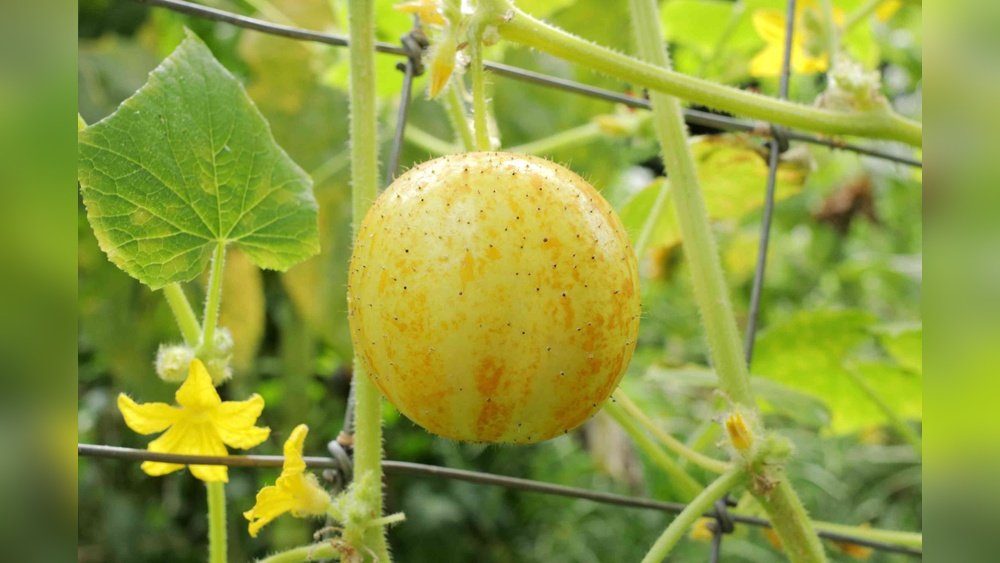
Lemon cucumbers are a unique and delightful addition to any garden. Their round, yellow fruits look like small lemons but taste like mild, sweet cucumbers. If you’re curious about growing lemon cucumbers, you’re not alone. These heirloom plants are gaining popularity for their flavor, crisp texture, and charm.
Whether you’re a new gardener or have some experience, this guide will show you how to grow lemon cucumbers successfully, from seed to harvest. You’ll learn step-by-step techniques, practical advice, and insider tips that will help you get the best results.
What Makes Lemon Cucumbers Special?
Lemon cucumbers, also known as Cucumis sativus ‘Lemon’, are not a cross between lemons and cucumbers. They got their name because their shape and color resemble lemons. The fruits are round, usually 2–3 inches in diameter, and turn golden yellow when ripe. Their flavor is sweeter and less bitter than typical green cucumbers. The skin is thin, making them perfect for eating fresh, pickling, or adding to salads.
These cucumbers grow well in warm climates but can adapt to cooler regions with the right care. Their vines are vigorous and produce plenty of fruits during summer. Lemon cucumbers are also known for their resistance to some common cucumber diseases, making them a good choice for organic gardens.
Another interesting feature is their crisp texture. When you bite into a lemon cucumber, the crunch is satisfying and the flesh is juicy—much less watery than some green cucumber varieties. Because the skin is thin and tender, you don’t need to peel them, which saves time and preserves nutrients.
Many gardeners also find lemon cucumbers easier to digest than regular cucumbers. This is thanks to their lower bitterness and fewer compounds that can cause bloating. If you or someone in your family usually avoids cucumbers, lemon cucumbers may be a pleasant surprise.
In addition, lemon cucumbers can attract attention in your garden. Their bright yellow color stands out among green plants, making them both a conversation starter and a favorite for children. Some gardeners use lemon cucumbers as border plants or mix them with flowers for a decorative touch.
Planning Your Lemon Cucumber Garden
Before planting, it’s important to plan your garden area. Lemon cucumbers need space, sunlight, and good soil to thrive.
Choosing The Right Location
- Pick a spot with full sun—at least 6–8 hours each day.
- Avoid areas where cucumbers or their relatives (melons, squash) have grown recently to reduce disease risk.
- The site should be protected from strong winds but have good air circulation.
If your garden space is limited, choose the sunniest corner. Lemon cucumbers tolerate partial shade, but fruit production drops if sunlight is low. If you live in a rainy area, raised beds or mounded rows help keep roots dry and healthy.
Soil Preparation
- Lemon cucumbers prefer loamy, well-drained soil.
- The ideal soil pH is between 6.0 and 7.0.
- Enrich the soil with compost or well-rotted manure before planting.
- Avoid heavy clay soils. If your soil is poor, consider raised beds.
Experienced gardeners often test their soil before planting. You can buy simple soil test kits at garden centers. If your soil is acidic, add lime to raise the pH. For sandy soil, mix in extra compost or organic matter to hold water and nutrients.
Remember, healthy soil means healthier plants and better yields.
Soil Quality Comparison
Here’s a look at how different soil types affect cucumber growth:
| Soil Type | Drainage | Growth Quality | Recommended? |
|---|---|---|---|
| Loam | Excellent | Best fruit yield | Yes |
| Sand | Good | Moderate yield | Yes, if improved |
| Clay | Poor | Stunted growth | No |
| Silt | Moderate | Average yield | Yes, if amended |
If you’re unsure about your soil type, squeeze a handful of moist soil. Loam feels crumbly but holds its shape. Sandy soil falls apart, while clay feels sticky.
Space And Layout
Lemon cucumbers can be grown on the ground or up a trellis. Trellising saves space and keeps fruit cleaner.
- For ground planting: Space plants 18–24 inches apart in rows 3–4 feet apart.
- For trellising: Place trellis or cages before planting. Vines will climb naturally.
If you plan to trellis, consider placing the structure north–south so all plants get sunlight. Trellising also allows you to grow more plants in less space, and it makes harvesting easier. If planting in rows, leave enough space to walk and reach each plant.
:max_bytes(150000):strip_icc()/lemon-cucumber-growing-guide-5202251-hero-960bdf97befe4d58830b32d22f42b70b.jpg)
Credit: www.thespruce.com
Starting Lemon Cucumber Seeds
You can start lemon cucumber seeds indoors or sow them directly outside. Both methods work, but starting indoors gives you a head start.
Indoor Seed Starting
- Start seeds 3–4 weeks before the last frost.
- Use seed trays or small pots with moist seed-starting mix.
- Plant seeds ½ inch deep.
- Keep soil temperature 70–80°F for best germination.
- Seeds sprout in 7–10 days.
Transplant seedlings outside when they have two true leaves and nighttime temperatures stay above 50°F.
If you use peat pots, you can plant the whole pot in the ground—this reduces transplant shock. Make sure to keep seedlings under grow lights or in a sunny window. If seedlings grow tall and thin, they may need more light.
Direct Sowing
- Wait until the soil is warm (at least 60°F).
- Plant seeds directly in the garden, ½ inch deep.
- Water gently and keep soil moist.
Direct sowing is easier, but you risk losing seeds to cold or wet weather. If your spring is unpredictable, cover the area with plastic or row covers to warm the soil.
Seed Quality And Germination Rates
Comparing indoor vs. outdoor seed starting:
| Method | Germination Rate | Time to Transplant | Risk of Frost |
|---|---|---|---|
| Indoor | 85–95% | 3–4 weeks | Low |
| Direct Outdoor | 70–80% | 2–3 weeks | Medium |
If you’re new to gardening, starting seeds indoors gives you more control. You can check progress daily and react to problems quickly. Also, indoor-grown seedlings tend to grow faster once transplanted, because they start in ideal conditions.
Planting Lemon Cucumbers
When planting lemon cucumbers, timing and technique matter.
- Wait until all danger of frost has passed.
- If transplanting, handle seedlings gently to avoid root damage.
- Plant at the same depth as they were in pots.
- Water well after planting.
If you’re using a trellis, train the vines to climb as they grow. This prevents disease and keeps fruit off the ground.
Planting in the morning is best, as plants have time to adjust before evening. If you have several seedlings, choose only the strongest to plant—weak seedlings often struggle and produce less fruit.
For ground planting, make small hills of soil, spacing each plant on a mound. This improves drainage and helps roots grow strong. If planting in rows, mulch between plants right after planting to reduce weeds.
Caring For Lemon Cucumber Plants
Healthy plants produce more and better fruit. Here’s how to care for your lemon cucumbers:
Watering
- Cucumbers need consistent moisture.
- Water deeply, 1–2 inches per week.
- Avoid overhead watering, which can cause leaf diseases.
- Mulch around plants to keep soil moist and reduce weeds.
Watering early in the day helps leaves dry off before evening, lowering disease risk. If your climate is dry, increase watering during heat waves. Drip irrigation or a soaker hose is ideal, as it delivers water directly to roots.
Feeding
- Apply a balanced fertilizer (such as 10-10-10) when plants start growing.
- Add compost tea or organic liquid feed every 2–3 weeks.
- Too much nitrogen causes leafy growth but fewer fruits.
If leaves turn yellow, it may signal a lack of nutrients. Adding fish emulsion or seaweed extract can boost growth. Always follow label instructions for fertilizers—too much can burn roots.
Mulching
- Use straw, dried leaves, or grass clippings as mulch.
- Mulch keeps soil warm, reduces evaporation, and prevents weeds.
Mulching also protects fruits from direct contact with soil, which lowers the risk of rot and blemishes. Refresh mulch as needed through the season.
Trellis And Support
Lemon cucumbers grow well on trellises. This encourages airflow and makes picking easier.
- Use sturdy trellises—at least 4–6 feet tall.
- Tie vines gently with soft twine if needed.
- Trellised plants produce cleaner, healthier fruits.
A trellis can be as simple as a wire fence or as fancy as an arch. If you grow in containers, use tomato cages for support.
Pruning
Pruning isn’t essential, but it can help with airflow and reduce disease.
- Remove dead or damaged leaves.
- Cut back crowded vines if space is limited.
If leaves show signs of mildew, prune affected parts and dispose away from the garden. Pruning also helps sunlight reach all fruits, improving color and flavor.
Disease And Pest Control
Lemon cucumbers are less prone to powdery mildew, but they can still attract pests.
- Look out for aphids, cucumber beetles, and spider mites.
- Use neem oil or insecticidal soap for light infestations.
- Crop rotation and healthy soil reduce disease risk.
Be alert for signs like yellow leaves, chewed edges, or sticky residue. Early action prevents pests from spreading. Another tip: interplant with marigolds to deter beetles naturally.
Common Pests And Solutions
| Pest | Symptoms | Control Method |
|---|---|---|
| Aphids | Curled leaves, sticky residue | Spray with water, use neem oil |
| Cucumber Beetles | Chewed leaves, stunted growth | Row covers, hand-picking |
| Spider Mites | Yellowing leaves, webbing | Insecticidal soap |
If pest levels are high, remove affected plants to protect the rest. Always check under leaves, where pests often hide.
Pollination And Fruit Set
Lemon cucumbers have separate male and female flowers on the same plant. Bees and other pollinators are needed for fruit set.
- Encourage pollinators by planting flowers nearby.
- Avoid using pesticides when bees are active.
- If pollination is low, hand-pollinate using a small paintbrush.
Some gardeners grow sunflowers or cosmos near cucumber beds to attract bees. If your area has few pollinators, hand pollination ensures you get fruit. To hand-pollinate, touch the center of a male flower with a brush, then gently touch a female flower.
Fruit Development
After pollination, fruits form quickly. They grow to full size in 10–14 days. Monitor plants regularly for ripe cucumbers.
If fruits stop developing, it may mean poor pollination or environmental stress. Keeping plants healthy and encouraging pollinators usually solves these issues.

Credit: www.youtube.com
Harvesting Lemon Cucumbers
Timely harvest is crucial for flavor and plant health.
- Pick fruits when they are bright yellow and 2–3 inches wide.
- Overripe cucumbers become bitter and seedy.
- Harvest regularly; picking encourages more fruit.
Use clean scissors or twist fruit gently. Avoid pulling hard, which can damage vines.
Harvesting early in the day keeps cucumbers crisp. If you miss a few and they overripe, remove them to prevent plant stress.
Harvesting Data
- Average yield per plant: 10–15 pounds of cucumbers
- Peak harvest season: June–August (in most US regions)
- Days from planting to first harvest: 50–60 days
Some gardeners report up to 20 pounds per plant in ideal conditions, especially with regular feeding and watering. If you notice fruit slowing down, check for pests or nutrient problems.
Storing And Using Lemon Cucumbers
Lemon cucumbers are best eaten fresh, but you can also store them.
- Refrigerate cucumbers in a plastic bag; they stay fresh for up to 7 days.
- For longer storage, pickle the cucumbers in brine.
- Avoid storing at room temperature; they wilt quickly.
For best flavor, eat cucumbers within a few days of picking. If you have a large harvest, share with neighbors or try making cucumber relish.
Culinary Uses
- Slice for salads or sandwiches.
- Pickle whole or sliced for tangy snacks.
- Add to cold soups or salsas.
Their mild flavor pairs well with herbs like dill, mint, and basil.
Try blending lemon cucumbers with yogurt and mint for a refreshing summer dip. You can also use them in Asian stir-fries or Mediterranean dishes. Because their skin is thin, lemon cucumbers add crunch without bitterness.
Common Growing Mistakes To Avoid
Even experienced gardeners sometimes make errors with lemon cucumbers. Here are mistakes to watch out for:
- Planting too early: Cucumbers hate cold soil. Wait until it’s warm.
- Overwatering or underwatering: Both can cause poor fruit and disease.
- Too much fertilizer: Especially nitrogen, which reduces flowering.
- Ignoring pests: Small problems can become big quickly.
- Letting cucumbers overripe: Harvest often for best taste.
- Crowding plants: Poor air flow leads to mildew.
- Using old seeds: Fresh seeds have higher germination rates.
- Skipping mulch: Mulch controls weeds and moisture.
- Neglecting trellis: Fruits stay cleaner and healthier off the ground.
- Not rotating crops: Crop rotation prevents soil-borne diseases.
Another mistake is failing to check soil pH. Cucumbers grow poorly in acidic or alkaline soil, so testing and adjusting pH can make a big difference. Also, many beginners don’t thin seedlings enough. Overcrowded plants compete for light and nutrients, leading to smaller fruit.
Advanced Tips For Bigger, Sweeter Lemon Cucumbers
If you want more and tastier cucumbers, try these pro strategies:
- Soak seeds overnight before planting to speed up germination.
- Plant borage or nasturtium nearby; these attract pollinators and deter pests.
- Add calcium-rich amendments (like crushed eggshells) to reduce blossom end rot.
- Water in the morning; evening watering can promote fungal disease.
- Thin seedlings early, so only the healthiest plants remain.
- Use row covers early in the season to block beetles, then remove for pollination.
- Fertilize with seaweed extract for trace minerals.
- Watch for wilting leaves—this can signal root problems or water stress.
Try rotating cucumber beds every year. This prevents buildup of soil-borne diseases and pests. Another advanced tip: use drip irrigation to deliver steady moisture without wetting leaves.
If you see flowers but no fruit, check if temperatures are too high or too low. Extreme weather can affect pollination and fruit set.
Lemon Cucumber Varieties And Seed Sources
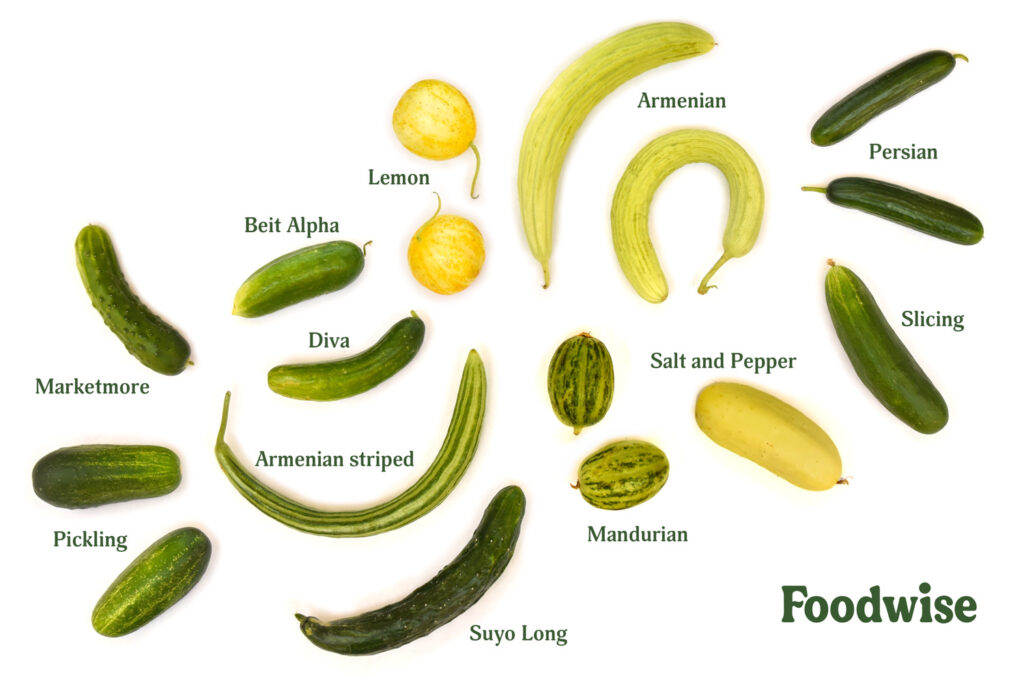
There are a few different lemon cucumber varieties. Some are heirlooms, others are newer hybrids.
Popular Varieties
- Lemon Cucumber (classic heirloom): Round, yellow, sweet flavor.
- Crystal Apple: Slightly larger, pale yellow, mild taste.
- Garden Lemon: Very productive, bright yellow, thin skin.
Most seed catalogs carry lemon cucumber seeds. For high germination, buy from reputable sources.
- Seed Savers Exchange
- Burpee
- Johnny’s Selected Seeds
If you buy seeds locally, check the packet for harvest times and disease resistance. Heirloom seeds can be saved from year to year, while hybrids may not produce identical fruit.
Variety Comparison
| Variety | Fruit Size | Color | Taste | Yield |
|---|---|---|---|---|
| Lemon Cucumber | 2–3 in | Bright yellow | Sweet, crisp | High |
| Crystal Apple | 3–4 in | Pale yellow | Mild, juicy | Medium |
| Garden Lemon | 2–2.5 in | Yellow | Thin skin, mild | Very high |
If you’re unsure which variety to try, start with the classic lemon cucumber. It’s reliable, tasty, and easy to grow in most regions.
Lemon Cucumbers In Containers And Small Spaces
If you don’t have a garden, lemon cucumbers grow well in containers.
- Use pots at least 5 gallons in size.
- Fill with rich, well-draining potting mix.
- Place containers in full sun.
- Water more often; container plants dry out quickly.
- Use small trellises or tomato cages for support.
Container gardening lets you grow cucumbers on patios, balconies, or rooftops.
If your climate is hot, place containers in spots with morning sun and afternoon shade. Container soil heats up quickly, so mulch the surface and check moisture daily.
Container Size Guide
- For one plant: 5-gallon pot
- For two plants: 10-gallon pot
- Maximum: Don’t overcrowd; limit 1–2 plants per pot
Use self-watering pots if possible. This helps keep soil moisture consistent, which is key for container cucumbers.
Credit: foodwise.org
Organic Growing Methods
Lemon cucumbers are perfect for organic gardening.
- Use compost and organic fertilizers.
- Avoid synthetic pesticides; use natural sprays like neem oil.
- Practice crop rotation and plant diversity.
- Add cover crops in the off-season to enrich soil.
Organic methods produce healthier, tastier cucumbers and protect pollinators.
For added soil health, grow legumes or oats in winter, then turn them under in spring. Compost tea is a great organic booster—simply brew compost in water, strain, and pour around plants.
Climate And Regional Growing Tips
Lemon cucumbers grow best in warm regions, but you can adapt their care for different climates.
- Hot climates: Provide afternoon shade, mulch deeply.
- Cool climates: Start seeds indoors, use black plastic to warm soil.
- Humid regions: Space plants wider for better airflow.
Lemon cucumbers are popular in California, Texas, and parts of the Midwest. In northern states, use shorter season varieties and grow under cover.
If your growing season is short, choose early-maturing varieties and cover plants at night. In dry regions, water extra during flowering and fruiting.
Saving Lemon Cucumber Seeds
If you want to save seeds for next year, it’s easy with lemon cucumbers.
- Let a few cucumbers fully ripen on the vine until they turn deep yellow and soft.
- Cut open, scoop out seeds, and rinse in water.
- Dry seeds on a paper towel for 5–7 days.
- Store in a cool, dry place.
Seed-saving keeps heirloom varieties alive and lets you grow cucumbers year after year.
Once seeds are dry, label the envelope with variety and date. Store away from heat and moisture. Home-saved seeds usually last 3–5 years if stored properly.
Lemon Cucumber Health Benefits
Lemon cucumbers are not only tasty, they’re healthy.
- High in vitamin C and antioxidants
- Good source of fiber
- Hydrating—mostly water, low in calories
- Contains potassium for heart health
Eating lemon cucumbers supports hydration, digestion, and overall wellness.
Their fiber aids digestion, while vitamin C boosts immunity. For people watching calories or carbs, lemon cucumbers are a smart choice—most servings are less than 20 calories.
Real-world Examples And Data
Lemon cucumbers have been grown for over a century. In the US, they’re especially popular in farmers’ markets and backyard gardens.
- Average market price: $2–$4 per pound
- Home gardeners report up to 20 fruits per plant in good conditions
- Lemon cucumbers are featured in food blogs, recipes, and health articles
Some farmers sell lemon cucumbers for premium prices due to their novelty and appearance. If you’re interested in local markets, lemon cucumbers can be a great niche crop.
For more information, see this Wikipedia article on cucumbers.
Frequently Asked Questions
What Are Lemon Cucumbers And How Do They Differ From Regular Cucumbers?
Lemon cucumbers are round, yellow cucumbers with a sweet, mild flavor. They look like small lemons but taste like traditional cucumbers. Their skin is thin and less bitter than most green varieties.
Can Lemon Cucumbers Grow In Containers Or Small Spaces?
Yes, lemon cucumbers grow well in containers. Use a 5-gallon pot per plant, good potting mix, and a small trellis. Water often and place in full sun for best results.
What Are Common Pests For Lemon Cucumbers?
Aphids, cucumber beetles, and spider mites are the main pests. Use neem oil, insecticidal soap, or row covers. Regular inspection helps control problems early.
How Long Does It Take For Lemon Cucumbers To Mature?
Lemon cucumbers take 50–60 days from planting to harvest. They grow quickly after pollination. Pick fruits when they’re bright yellow and 2–3 inches wide.
How Should Lemon Cucumbers Be Stored After Harvest?
Store lemon cucumbers in the refrigerator, inside a plastic bag. They stay fresh up to 7 days. For longer storage, pickle them or use in salads soon after picking.
Growing lemon cucumbers is a rewarding experience. Their cheerful color, sweet taste, and easy-growing nature make them a favorite for gardeners of all skill levels. With the right care, soil, and attention, you’ll enjoy a bumper crop of delicious cucumbers all summer long.
Try different varieties, experiment with recipes, and share your harvest with friends. Lemon cucumbers bring a touch of sunshine to any garden—and to every meal.