
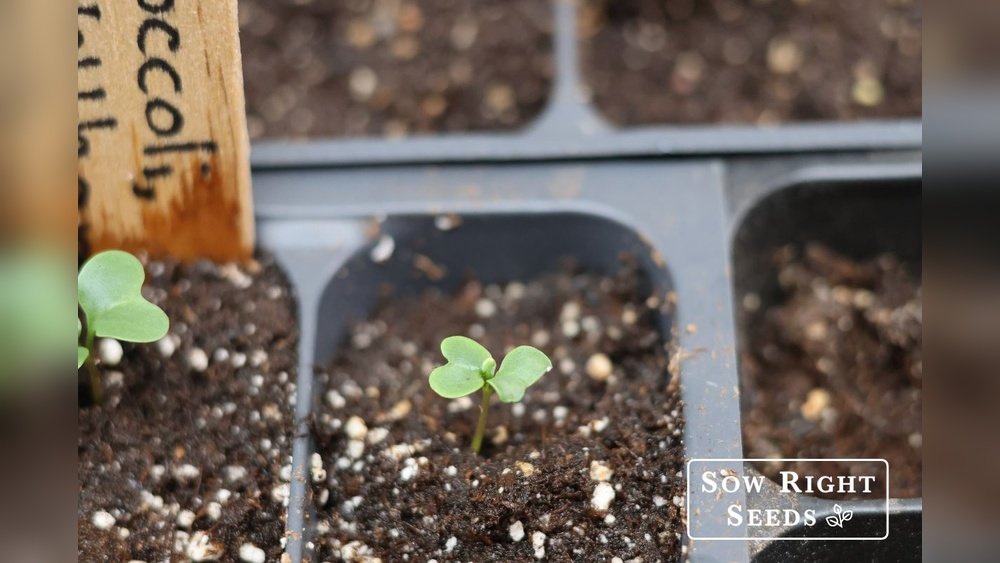
Growing your own broccoli from seed can feel like a small miracle—watching tiny seeds transform into large, green heads bursting with nutrition. If you’ve ever tasted homegrown broccoli, you know it’s sweeter, crunchier, and more flavorful than anything you can buy in a store.
But growing broccoli from seed isn’t as simple as just tossing some seeds into the ground. It takes good planning, patience, and a few smart techniques.
This guide will walk you through every step of the process, from selecting the right seeds to harvesting your first crop. Along the way, you’ll learn practical tips, avoid common mistakes, and pick up insights that most beginner gardeners overlook.
Whether you have a large backyard or just a few pots on a balcony, you’ll finish ready to grow healthy, delicious broccoli from seed—successfully.
Why Grow Broccoli From Seed?
Many people ask, “Why not just buy young broccoli plants?” Growing broccoli from seed has real advantages. Seeds are cheaper, offer more variety, and allow you to control every part of the plant’s life. You can also time your planting to fit your schedule, and growing from seed helps you avoid the pests and diseases that sometimes come with nursery plants. For those seeking organic or heirloom varieties, starting from seed is often the only way.
Understanding Broccoli: Basics For Beginners
Broccoli (Brassica oleracea var. italica) is a cool-season vegetable. It loves mild temperatures and sunlight. Broccoli’s main edible part is the tight cluster of flower buds, which must be harvested before blooming.
Broccoli comes in several types:
- Calabrese: Large, green heads; most common.
- Sprouting broccoli: Smaller heads, multiple stems.
- Romanesco: Spiral-shaped, lime green heads.
Knowing your local climate helps you pick the right type and timing. Broccoli grows best in areas where daytime temperatures are 65–75°F (18–24°C).

Credit: milesawayfarmww.com
Choosing The Right Seeds
The first step is choosing seeds that fit your taste, climate, and gardening space. Here’s what matters:
- Variety: Pick a variety that matches your growing season. For hot climates, look for heat-tolerant types; for short seasons, choose fast-maturing varieties. Some popular options are ‘Waltham 29’, ‘Green Magic’, and ‘Packman’.
- Disease resistance: Some seeds are bred to resist diseases like downy mildew or clubroot. This is crucial if you’ve had problems in the past.
- Seed quality: Always buy seeds from a reputable supplier. Fresh seeds (packed for the current year) have higher germination rates.
- Organic or hybrid: Decide if you want organic, non-GMO, or hybrid seeds. Hybrids often have better yields, but heirloom types offer unique flavors.
Example: Comparing Broccoli Seed Types
| Variety | Days to Maturity | Best For | Notable Feature |
|---|---|---|---|
| Waltham 29 | 85 | Cool climates | Heirloom, good side shoots |
| Green Magic | 57 | Warmer regions | Heat tolerant |
| Romanesco | 75-100 | Mild climates | Unique spiral heads |
Timing: When To Start Broccoli Seeds
Broccoli is sensitive to temperature. Planting at the right time is critical. If seeds are started too early or too late, plants may “bolt” (flower early) or fail to form heads.
- Spring planting: Start seeds indoors 6–8 weeks before your last expected frost date.
- Fall planting: Sow seeds outdoors 85–100 days before your first fall frost.
In warm climates, fall planting often gives better results because broccoli dislikes hot summers.
Pro tip: If you live where summers are hot, aim for a fall crop instead of spring.
How To Start Broccoli Seeds Indoors
Starting seeds indoors gives you more control, lets you avoid early-season pests, and produces stronger plants. Here’s how to do it:
- Choose containers: Use seed trays, cell packs, or 2–4 inch pots. Make sure they have drainage holes.
- Select a seed starting mix: Use a sterile, light mix—not garden soil. This prevents disease and helps roots grow.
- Moisten the mix: Dampen the seed starting mix before filling containers.
- Sow seeds: Plant seeds ¼ inch deep. Cover lightly with soil.
- Label containers: Write the variety and date on a waterproof label.
- Provide warmth: Place trays in a warm spot (70–75°F/21–24°C) for fast germination.
- Keep moist: Water gently. Do not let soil dry out or become soggy.
- Give light: As soon as seeds sprout (in 4–7 days), move them under grow lights or a sunny window. Plants need 14–16 hours of light daily.
Non-obvious insight: Many beginners forget to lower their grow lights after seeds sprout. Keep lights just 2–3 inches above seedlings to prevent leggy, weak plants.
Transplanting Seedlings Outdoors
When seedlings have 2–4 true leaves and outdoor temperatures are steady (above 50°F/10°C at night), it’s time to move them outside. But don’t rush. Broccoli dislikes shock.
Hardening Off
Gradually expose seedlings to outdoor conditions for 7–10 days:
- Start with a few hours in shade.
- Increase sun and wind each day.
- Bring them inside at night if cold.
This helps prevent transplant shock and lets roots adjust.
Preparing The Bed
Broccoli loves rich, well-drained soil. Here’s how to prepare:
- Loosen soil 12–15 inches deep.
- Mix in compost (2–4 inches) for nutrients.
- Test pH: Aim for 6.0–7.0. Add lime if soil is acidic.
- Fertilize: Work in a balanced fertilizer before planting.
Spacing: Plant seedlings 18–24 inches apart in rows 24–36 inches apart. Crowding limits head size and increases disease risk.
Transplant Steps
- Water seedlings a few hours before planting.
- Dig a hole slightly deeper than the root ball.
- Plant so the first leaves are just above soil level.
- Firm soil gently around roots.
- Water well to settle soil.
Non-obvious insight: Transplant broccoli on a cloudy day or late afternoon. This reduces stress from bright sun.

Credit: www.youtube.com
Direct Sowing: Planting Seeds Outdoors
If you live in a mild climate or want a fall crop, you can sow seeds directly in the garden. Wait until soil is at least 50°F (10°C).
- Make shallow rows ¼ inch deep.
- Space seeds 3 inches apart.
- Cover lightly with soil.
- Thin seedlings to 18–24 inches apart once they have two leaves.
Direct-sown broccoli often grows a stronger taproot but may face more pests.
Caring For Broccoli Plants
Broccoli needs steady care to grow large, flavorful heads. Here’s what matters most:
Watering
Broccoli prefers consistent moisture. Water deeply, 1–1.5 inches per week, especially during dry spells. Avoid soaking leaves late in the day (prevents disease).
- Mulch with straw or leaves to keep soil cool and moist.
- Water at soil level, not on leaves.
Fertilizing
Broccoli is a heavy feeder. For best growth:
- Add compost or aged manure before planting.
- Side-dress with a nitrogen-rich fertilizer 3 weeks after transplanting.
- Repeat side-dressing every 3–4 weeks until heads form.
Weed And Pest Control
Keep beds weed-free. Weeds compete for water and nutrients.
Common pests:
- Cabbage worms: Small green caterpillars; pick off by hand or use row covers.
- Aphids: Small green bugs; spray with water or insecticidal soap.
- Flea beetles: Tiny black jumping insects; use floating row covers.
Disease prevention: Avoid overhead watering and rotate crops (don’t plant brassicas in the same spot each year).
Credit: gardenerspath.com
Common Problems And How To Solve Them
Even with care, broccoli sometimes struggles. Here’s how to spot and fix issues:
Bolting
Broccoli “bolts” (flowers early) if exposed to heat or drought. Bolted broccoli has small, bitter heads.
- Prevention: Plant at the right time and keep soil moist.
Small Heads
If heads are tiny, the cause is often poor soil, crowding, or lack of nutrients.
- Solution: Space plants correctly, feed regularly, and ensure full sun.
Yellow Leaves
Yellowing may mean overwatering, poor drainage, or a nitrogen shortage.
- Fix: Improve drainage and fertilize with a balanced mix.
No Head Formation
Sometimes plants make leaves but no head.
- Cause: Too much nitrogen, not enough sun, or wrong variety for the season.
Example: Broccoli Problems And Solutions
| Problem | Possible Cause | Solution |
|---|---|---|
| Bolting | Heat stress | Plant earlier/later, add mulch |
| Yellow leaves | Poor drainage, low nitrogen | Improve soil, fertilize |
| Tiny heads | Crowding, low nutrients | Thin plants, feed regularly |
Harvesting Broccoli
Timing is everything. Harvest too early, and heads are small. Too late, and yellow flowers appear.
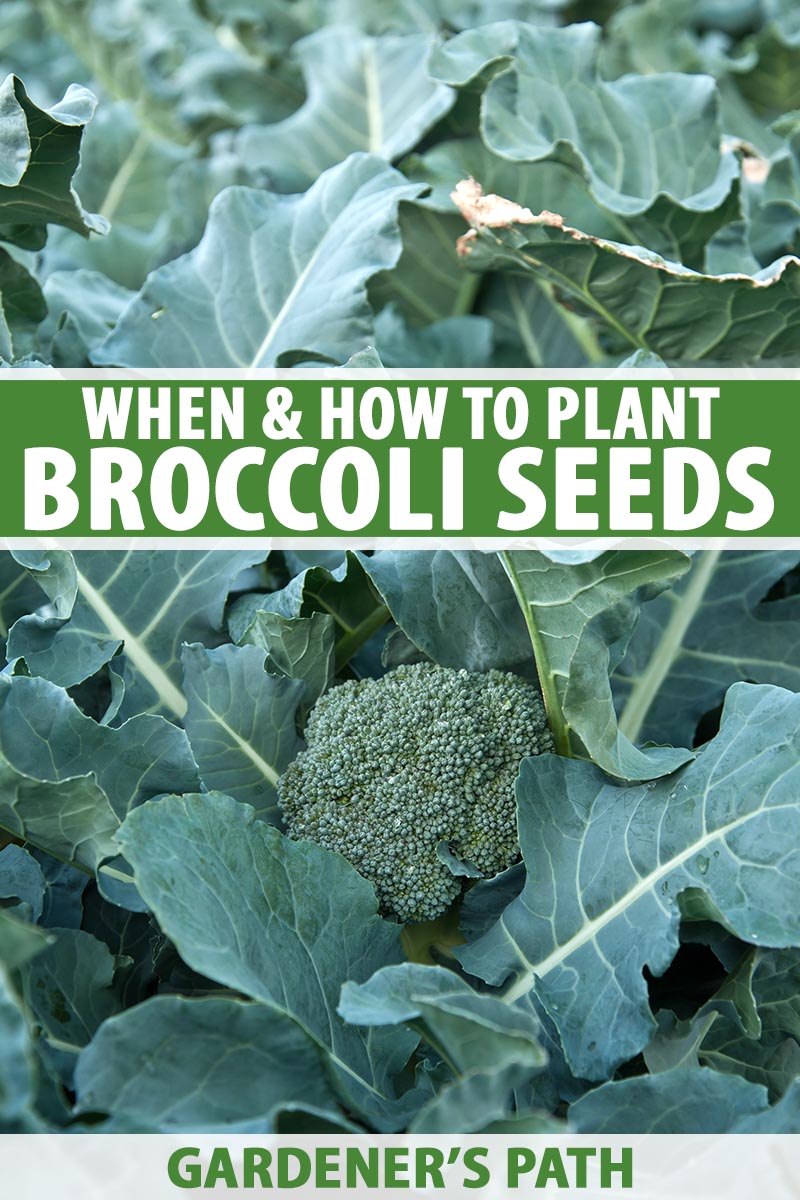
- When to harvest: Broccoli is ready when heads are firm, tight, and 4–7 inches across. Buds should be compact, with no yellow petals.
- How to harvest: Use a sharp knife to cut the main stem 5–8 inches below the head. Cut at a slight angle to shed water.
- Side shoots: After the main head is cut, most varieties grow smaller side shoots for weeks. These taste great and extend your harvest.
Pro tip: Harvest in the morning when heads are crisp and cool.
Saving Broccoli Seeds
If you want to save seeds for next year, let a few plants fully mature and flower. Broccoli is a biennial, so it usually needs two seasons to set seed. But in mild climates, some will flower the first year.
- Let pods dry on the plant.
- Collect pods before they split open.
- Store seeds in a cool, dry place.
Note: Broccoli can cross-pollinate with other brassicas, so only save seeds if no related crops are nearby.
Growing Broccoli In Containers
Short on space? You can grow broccoli in pots or raised beds. Here’s how:
- Container size: At least 5 gallons, 12–18 inches deep.
- Soil: Use rich potting mix with compost.
- Watering: Pots dry out faster, so check daily.
- Fertilizer: Feed every 2–3 weeks with a balanced liquid fertilizer.
Non-obvious insight: Container broccoli needs support in windy spots. Use small stakes to keep plants upright.
Broccoli Companion Planting
Some plants help broccoli grow better, while others should be avoided.
Good companions:
- Onions, garlic: Repel pests.
- Celery, herbs (dill, chamomile): Improve growth and taste.
- Spinach, lettuce: Use space between broccoli.
Avoid planting with:
- Tomatoes, strawberries: Compete for nutrients.
- Other brassicas: Attract same pests and diseases.
Pro tip: Rotate broccoli with legumes (beans, peas) to add nitrogen to the soil.
Succession Planting For Continuous Harvest
To enjoy broccoli for months, plant in stages. Sow a few seeds every 2–3 weeks during the planting season. This way, not all heads mature at once. Succession planting is key for a long harvest window.
Example planting schedule:
- Early spring: Start seeds indoors.
- 2 weeks later: Start a new batch.
- Continue until weather becomes too hot.
Climate And Broccoli: Special Considerations
Broccoli’s main challenge is temperature. Here’s how to adapt:
- Hot climates: Plant in late summer for a fall crop. Use shade cloth to cool plants.
- Cool climates: Choose fast-maturing varieties to avoid early frost.
- Rainy areas: Ensure beds drain well; mulch to reduce disease.
Non-obvious insight: In places with unpredictable weather, use row covers to protect young plants from surprise cold or insect attack.
Organic Tips For Growing Broccoli
If you want organic broccoli, avoid synthetic fertilizers and pesticides.
- Feed with compost, worm castings, or fish emulsion.
- Control pests with hand-picking, neem oil, or floating row covers.
- Use natural mulch to suppress weeds and conserve water.
Organic broccoli may take more effort but rewards you with safer, tastier harvests.
Storing And Using Broccoli
Fresh broccoli is best used quickly, but you can store it:
- In the fridge: Wrap in a damp towel; lasts 3–5 days.
- Freezing: Blanch for 2–3 minutes, cool, dry, then freeze for up to 12 months.
Broccoli is packed with vitamin C, fiber, and antioxidants. Use it in salads, stir-fries, or steam for a healthy side.
Broccoli Growing Timeline
Here’s a summary of how long each stage takes:
| Stage | Days | Notes |
|---|---|---|
| Seed sowing to germination | 4–7 | Faster with warmth |
| Germination to transplant | 4–6 weeks | Grow to 2–4 true leaves |
| Transplant to harvest | 50–85 | Varies by variety |
| Total time from seed | 60–100 | Plan for season length |
Mistakes Beginners Make And How To Avoid Them
- Planting at the wrong time: Broccoli needs cool weather. Check your local frost dates.
- Poor soil preparation: Skipping compost or fertilizer leads to weak plants.
- Crowding plants: Give each plant enough space for airflow and head development.
- Ignoring pests early: Cabbage worms can destroy a crop quickly if not caught.
- Overwatering or underwatering: Both stress plants; keep soil evenly moist.
- Not hardening off seedlings: Sudden outdoor sun and wind can kill tender plants.
- Harvesting too late: Heads turn yellow and lose flavor if not picked at the right time.
Non-obvious insight: Many gardeners forget to check the variety’s days to maturity. Always count backward from your first/last frost to ensure your broccoli has time to form heads.
Resources For Further Learning
Growing broccoli is a skill that improves each season. For more details, check the guides at University of Minnesota Extension. Their advice is based on current research and experience.
Frequently Asked Questions
How Much Sun Does Broccoli Need?
Broccoli grows best with full sun, meaning at least 6 hours of direct sunlight daily. In very hot areas, provide afternoon shade to reduce stress and prevent bolting.
Can I Grow Broccoli In Hot Weather?
Broccoli prefers cool weather, but you can grow it in hot climates by planting for a fall harvest. Start seeds indoors in late summer and plant out after the hottest months. Using shade cloth helps keep plants cool.
How Do I Stop Broccoli From Getting Pests?
The best way is to use row covers from the start. Inspect plants often for cabbage worms and aphids. Remove pests by hand, spray with water, or use organic controls like neem oil if needed.
Is Broccoli Hard To Grow For Beginners?
Broccoli is not the easiest vegetable, but it’s not the hardest either. With the right timing, good soil, and regular care, most beginners can grow a successful crop. Start small, follow this guide, and you’ll learn quickly.
How Do I Know When Broccoli Is Ready To Harvest?
Broccoli is ready when the central head is tight and dark green, about 4–7 inches across. Harvest before any yellow flowers open. Cut with a sharp knife, and watch for new side shoots to extend your harvest.
Growing broccoli from seed is rewarding and, with a little patience and attention to detail, quite achievable for gardeners of all experience levels. By following these steps, adapting to your climate, and learning from each season, you’ll soon enjoy fresh, homegrown broccoli that’s tastier and healthier than anything from the store.
Happy gardening!