
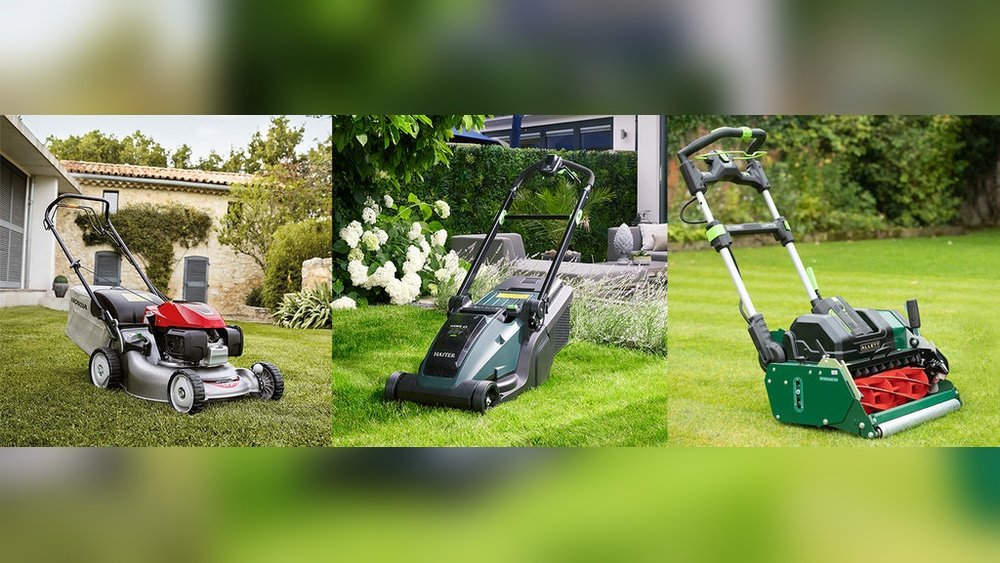
Picking the right lawn mower for your yard can feel overwhelming. There are so many types, features, and price points. Whether you’re a new homeowner or want to upgrade your old mower, making the right choice is important. The right mower saves you time, makes your lawn look better, and can even make yard work fun.
But how do you know which one fits your needs? Let’s break down the important factors, types of mowers, and key mistakes to avoid, so you can feel confident about your next purchase.
Why Picking The Right Lawn Mower Matters
Choosing the right lawn mower is more than just finding one that fits your budget. Your yard has unique needs. The wrong mower can make mowing harder, damage your grass, and waste your money. For example, using a small push mower on a large yard will take much longer and tire you out quickly.
On the other hand, a large riding mower in a small yard is hard to maneuver and can damage landscaping.
A good mower helps you:
- Save time with each mow
- Get a clean, even cut for healthy grass
- Reduce maintenance and repair costs
- Avoid injury and frustration
Many people overlook the importance of matching the mower to their yard’s size, terrain, and grass type. These small details make a big difference in the long run.
Know Your Yard: The Key Factors
Before you look at mowers, it’s important to understand your yard’s needs. Here are the key points to consider:
Yard Size
- Small yards (under 1/4 acre): Usually less than 10,000 square feet. Easier to mow, often possible with a simple push or electric mower.
- Medium yards (1/4 to 1/2 acre): Need a mower with a wider cutting deck and possibly self-propulsion.
- Large yards (over 1/2 acre): May require a riding mower or zero-turn mower for efficiency.
Terrain And Obstacles
- Flat yards: Any mower type is suitable.
- Hilly or uneven yards: Self-propelled or riding mowers with good traction work best.
- Obstacles: Trees, flower beds, or garden paths require a mower with good maneuverability.
Grass Type And Thickness
Some grass, like Bermuda or St. Augustine, grows thick and tough. These types need a mower with a strong motor and sharp blades. Fine grasses, like fescue, are easier to cut and don’t need as much power.
Storage Space
Do you have a garage or shed? Some mowers fold for easy storage, while larger models need more space.
Power Source
- Gas: Powerful, good for large or tough yards, but needs more maintenance.
- Electric corded: Quiet, low maintenance, but the cord can limit movement.
- Battery-powered: Easy to use, quiet, but limited by battery life.
- Manual: Simple, eco-friendly, best for very small, flat yards.

Credit: www.trirentall.net
Main Types Of Lawn Mowers
Understanding mower types is crucial. Each has strengths and weaknesses. Here’s a quick overview:
| Type | Best for | Main Pros | Main Cons |
|---|---|---|---|
| Push Reel | Small, flat yards | Eco-friendly, quiet, low cost | Manual effort, not for thick grass |
| Electric (Corded) | Small to medium yards | Low maintenance, quiet | Limited by cord length |
| Electric (Battery) | Small to medium yards | No cords, easy to start | Battery run time limits |
| Gas Push | Medium yards, thick grass | More power, handles tough grass | Louder, needs fuel and maintenance |
| Self-Propelled | Medium to large yards, slopes | Less effort, handles hills | Heavier, more expensive |
| Riding | Large yards | Fast, less physical effort | Costly, needs space |
| Zero-Turn | Very large, complex yards | Extreme maneuverability, fast | High price, learning curve |
| Robotic | Small, simple yards | Automatic, time-saving | Expensive, not for complex yards |
How To Match A Mower To Your Yard
Let’s look at practical examples for different yard types and situations.
Small, Flat Yards
If you have a small, flat yard with soft grass, a reel mower or a corded electric mower is often enough. These mowers are quiet, light, and easy to store. For example, a 1,500-square-foot city lawn can be mowed in about 15 minutes with a reel mower. Corded electric mowers are also a good choice if you have outdoor power outlets and don’t mind managing the cord.
Medium Yards With Slopes
For medium-sized yards, especially those with slopes, a self-propelled electric or gas mower is ideal. Self-propulsion means the mower moves forward by itself; you just guide it. This feature saves energy and reduces fatigue, especially on hills. Battery-powered self-propelled mowers are becoming more popular as batteries improve. They can mow up to 1/3 acre on a single charge and are much quieter than gas models.
Large Or Complex Yards
If your yard is large (over 1/2 acre), a riding mower or zero-turn mower is a game changer. Riding mowers are comfortable, fast, and can handle rough terrain. Zero-turn mowers are best if you have lots of trees or obstacles, as they can turn on the spot. For a 1-acre yard, a riding mower can finish the job in about 30-45 minutes. Many riding mowers also come with attachments for mulching, bagging, or even snow plowing.

Credit: us.mammotion.com
Features That Really Matter
Many buyers focus only on price or brand. But certain features can make mowing much easier or safer. Here’s what to look for:
- Cutting Width: Wider decks (20–30 inches) cover more ground with each pass. Narrow decks fit better in tight spaces.
- Height Adjustment: Easy-to-use levers let you change the cutting height for different grass types or seasons.
- Mulching, Bagging, or Side Discharge: Some mowers offer all three, giving you more control over clippings.
- Start Mechanism: Electric start buttons are easier than pull cords, especially for people with limited strength.
- Self-Propulsion: Front-wheel drive is good for flat yards; rear-wheel drive is better for hills.
- Safety Features: Blade stop systems, child locks, and automatic shut-off can prevent accidents.
- Wash-Out Port: Lets you clean the deck with a hose, preventing buildup and rust.
- Handle Adjustment/Folding: Adjustable or foldable handles save space and make mowing comfortable for different users.
One insight beginners miss: weight matters. Heavier mowers are harder to push, especially on slopes or when turning. Always check the mower’s weight and test it in the store if possible.
Gas, Electric, Or Manual: Which Power Source Is Best?
The power source you choose affects not only performance but also maintenance, comfort, and cost. Here’s a comparison:
| Power Type | Noise Level | Maintenance | Ongoing Cost | Best For |
|---|---|---|---|---|
| Gas | High | Frequent (oil, filters, spark plug) | Fuel + parts | Large, tough yards |
| Electric (Corded) | Low | Minimal | Low (electricity) | Small yards |
| Electric (Battery) | Very low | Minimal (battery care) | Medium (battery replacement) | Small–medium yards |
| Manual Reel | Silent | Blade sharpening | None | Very small, flat yards |
Gas mowers are best for power and long run times but require more care. Electric mowers are cleaner and quieter, but their battery or cord can limit you. Manual reel mowers are eco-friendly but need more effort and don’t handle tall or thick grass well.
Common Buyer Mistakes To Avoid
- Ignoring Yard Size: Buying a mower that’s too small or too large makes mowing frustrating and inefficient.
- Overlooking Terrain: Flat yards can use any mower, but hills need extra traction and power.
- Forgetting Storage Needs: Large mowers need more space. If you have a small garage, measure before buying.
- Chasing the Lowest Price: Cheap mowers may break quickly or lack important features.
- Ignoring Noise and Emissions: Gas mowers are loud and pollute. If you have close neighbors, consider electric.
- Not Checking Local Rules: Some cities ban gas mowers or have noise limits.
- Underestimating Maintenance: All mowers need care. Gas mowers need more, but even electrics need blade sharpening and cleaning.
- Missing Warranty and Support: Choose brands with good customer service and easy access to parts.
One more insight: future-proof your choice. Battery tech is getting better each year, and more cities are encouraging electric models. If you might upgrade your yard or move, consider a mower that can adapt.
Comparing Top Brands And Models
Brand reputation matters. Leading brands like Honda, Toro, John Deere, Ego, and Greenworks have strong reviews and good support. For example, the Ego Power+ 56V battery mower is often rated best for medium yards due to its power and quiet operation. Honda’s gas push mowers are famous for durability and cut quality.
It’s smart to read owner reviews and check for recall history. Also, see if local dealers can help with repairs, so you’re not stuck waiting weeks for parts.

Credit: mdsupply.com
Maintenance Tips For Longer Mower Life
No matter which mower you pick, basic care keeps it running better for longer:
- Clean the deck after each mow to prevent grass buildup
- Sharpen blades once per season or more if needed
- Change oil and filters on gas mowers regularly
- Charge batteries as directed and store them indoors during winter
- Check bolts and parts for tightness before each mow
Well-maintained mowers cut cleaner and last longer, saving you money over time.
Should You Hire A Lawn Care Service Instead?
Sometimes, it makes sense to hire a pro instead of buying a mower. If you travel often, have health issues, or simply dislike mowing, this can be a good investment. However, owning your own mower gives you more control over timing, cut height, and appearance.
According to the National Association of Landscape Professionals, the average cost for professional mowing is about $30–$80 per visit for a medium yard. Over a season, this can add up quickly. If you enjoy being outside and want to save in the long run, buying the right mower is usually worth it.
Frequently Asked Questions
What’s The Best Type Of Mower For A Small Yard?
For small, flat yards, a reel mower or corded electric mower works best. They are affordable, easy to use, and require little maintenance. If you want something even simpler, consider a battery-powered mower for more flexibility.
How Often Should I Sharpen My Mower Blade?
Blades should be sharpened at least once per mowing season. If you hit rocks or mow thick grass, sharpen more often. A sharp blade gives a cleaner cut and healthier grass.
Are Battery Mowers Powerful Enough For Thick Grass?
Modern battery-powered mowers are much stronger than older models. Many can handle thick grass, but you may need to mow more slowly or recharge the battery for larger areas. Check reviews for your grass type before buying.
What’s The Difference Between Self-propelled And Push Mowers?
Self-propelled mowers move forward on their own—you just steer. They’re great for hills or larger yards. Push mowers need your muscle to move, so they’re best for small, flat lawns.
Where Can I Find More Tips On Lawn Mower Care?
For in-depth care guides and the latest mowing tips, visit the official Consumer Reports page on lawn mowers.
Picking the right lawn mower is about more than price or brand. When you match the mower to your yard size, terrain, and grass type, you make mowing easier and your lawn healthier. Take your time, compare your options, and you’ll find a mower that makes yard work a breeze for years to come.