
Moss can turn a once-beautiful lawn into a patchy, uneven green carpet. While moss itself is not harmful, it signals that your lawn is struggling. Many homeowners try quick fixes, but soon the moss comes back. If you want to treat moss in your lawn permanently, you need more than just a temporary solution.
You must understand why moss grows and make changes that last. This guide will walk you through the real steps to a moss-free, healthy lawn.
Why Moss Grows In Lawns
Moss does not compete with healthy grass. Instead, it moves in when your grass is weak. Before removing moss, it’s important to know what encourages moss:
- Shade: Moss loves shade and grows where grass gets little sun.
- Poor drainage: Wet, compacted soil helps moss spread.
- Low soil fertility: Grass struggles when soil lacks nutrients, giving moss space.
- Low soil pH: Acidic soil (pH below 6.0) is perfect for moss.
- Compacted soil: Hard soil makes it hard for grass roots to grow.
Understanding these causes is the first step. If you only remove moss but ignore these problems, it will always return.
Step 1: Identify The Problem Areas
Walk around your lawn and look for patterns. Notice where moss is thickest. Check for:
- Standing water after rain
- Deep shade from trees or buildings
- Thin, yellow, or patchy grass
- Bare soil or areas where nothing grows
Take notes and photos. This helps you decide what changes are needed.
Credit: www.mossout.com
Step 2: Test And Improve Your Soil
Healthy soil is the foundation of a moss-free lawn. Start with a simple soil test. You can buy a test kit at a garden center or ask a local extension office.
What To Test For
- PH level
- Nutrient levels (nitrogen, phosphorus, potassium)
- Soil texture (clay, sand, loam)
Interpreting Results
Ideal lawns have a pH between 6. 0 and 7. 0. If your soil is too acidic, moss will thrive and grass will struggle.
How To Fix Common Problems
- Low pH (acidic soil): Add lime to raise the pH. Follow test kit recommendations.
- Low fertility: Use a balanced lawn fertilizer based on your test results.
- Compacted soil: Aerate the lawn using a garden fork or a core aerator.
Non-obvious insight: Even small pH changes make a big difference. Don’t guess—test!
Step 3: Remove Existing Moss
Before fixing the lawn, remove as much moss as possible. This gives your grass a fighting chance.
How To Remove Moss
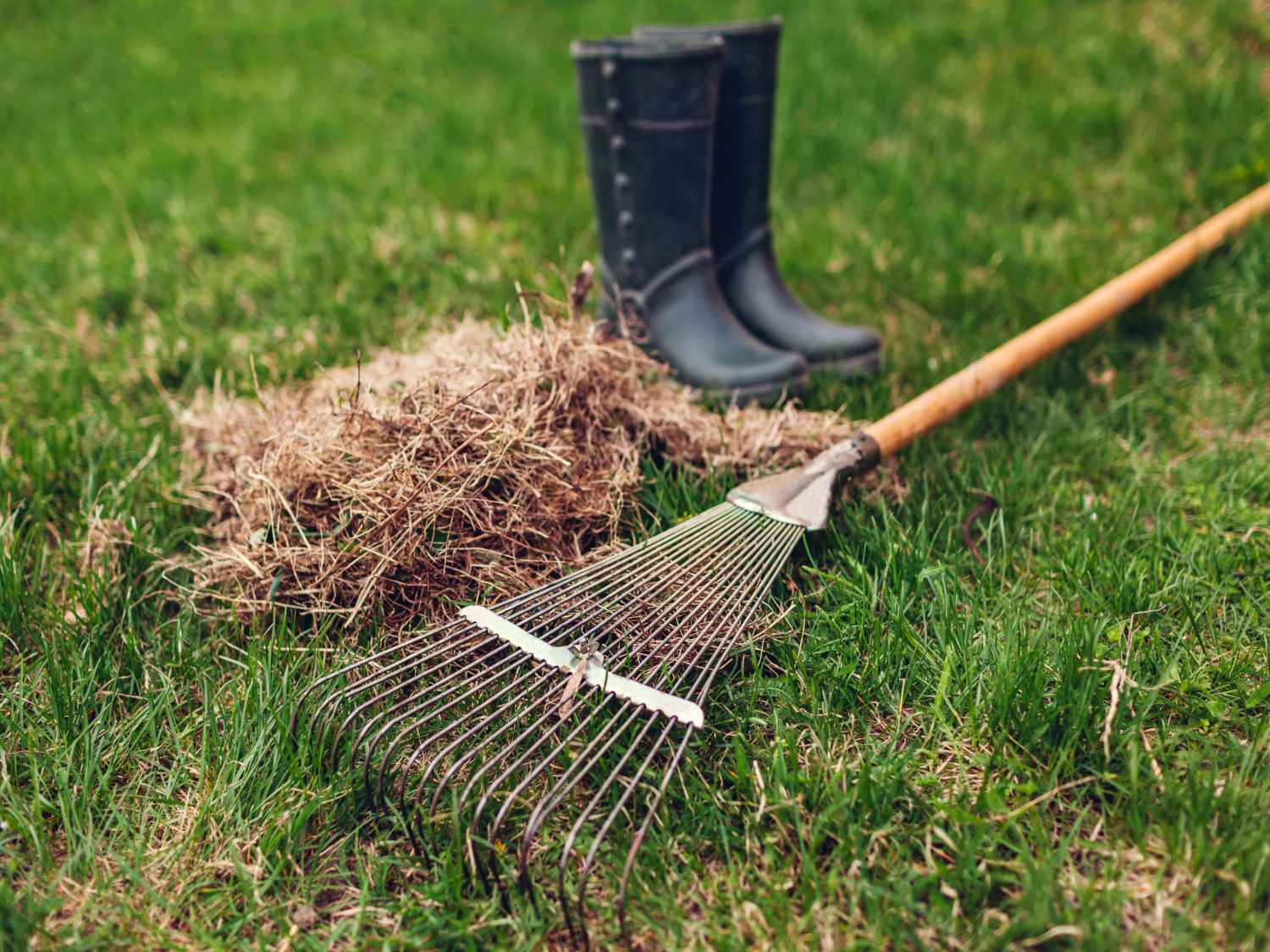
- Hand raking: Use a spring-tine rake to pull up moss. This works for small patches.
- Scarifying: For large areas, rent a scarifier or dethatcher. These machines pull moss and dead grass from the soil.
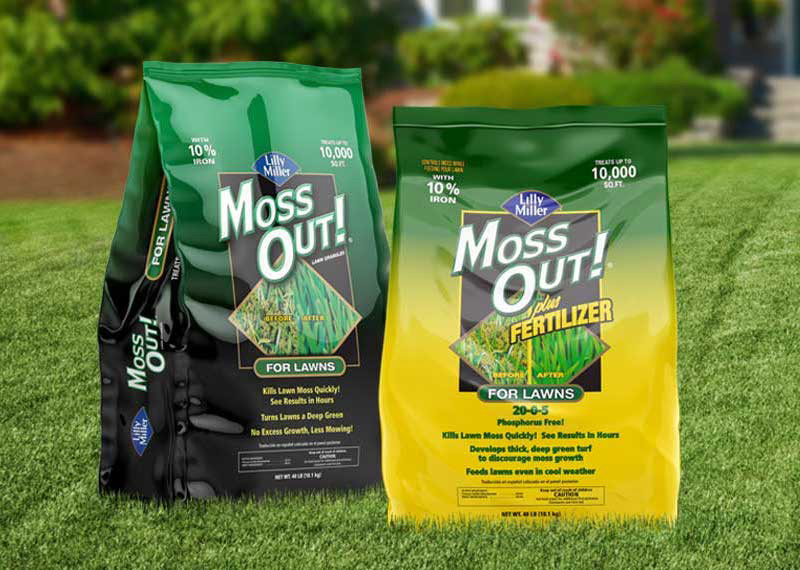
- Moss killer products: Iron sulfate is effective. It turns moss black within days. Always follow label instructions and keep pets off until dry.
Important: Remove all moss debris. Leaving dead moss on the lawn blocks grass and encourages regrowth.
Step 4: Address Shade Issues
Moss loves shade. If possible, make your lawn sunnier.
Practical Solutions
- Prune tree branches to let in more sunlight.
- Trim shrubs or remove lower branches.
- If you can’t remove shade, consider planting shade-tolerant grasses.
Non-obvious insight: Some lawns are simply too shady for grass. In these spots, consider ground covers or mulch instead.
Step 5: Improve Drainage
Wet, soggy soil is a moss magnet. Improving drainage keeps your lawn healthy.
How To Improve Drainage
- Aerate the soil: Poke holes 2–4 inches deep across the lawn. This helps water soak in and roots grow.
- Top-dress with sand: After aeration, spread a thin layer of coarse sand to keep soil loose.
- Level low spots: Fill in holes or dips with soil to prevent puddles.
- Install drainage pipes: For serious problems, you may need professional help.
| Drainage Problem | DIY Solution | When to Call a Pro |
|---|---|---|
| Minor puddling | Level soil, aerate | No |
| Heavy clay soil | Add sand/topsoil, aerate | Maybe |
| Waterlogged all year | French drain, regrade | Yes |
Step 6: Reseed And Repair Lawn Bare Spots
After moss removal, you may have bare patches. Fill these quickly to prevent moss from returning.
How To Reseed
- Loosen the soil: Rake to break up the surface.
- Spread grass seed: Choose a mix suited for your climate and sunlight.
- Cover lightly: Use a thin layer of compost or topsoil.
- Keep moist: Water daily until seeds sprout (usually 7–14 days).
Tip: Use more seed in shady or difficult areas. Consider mixes labeled “shade-tolerant.”
Step 7: Change Your Lawn Care Habits
Lawns need regular care to stay moss-free. Small changes make a big difference.
Mowing
- Mow at the right height: Keep grass 2.5–3 inches tall. Taller grass shades out moss.
- Never remove more than one-third of the blade at once.
Watering
- Deep, infrequent watering: Water once a week for 30–60 minutes, not a little every day.
- Morning is best: This prevents disease and moss.
Feeding
- Fertilize in spring and fall using a balanced fertilizer.
- Avoid over-fertilizing, which can cause weak grass.
Aeration
- Aerate yearly in early spring or fall.
| Lawn Care Task | Best Time | Effect on Moss |
|---|---|---|
| Mowing | Weekly, spring-fall | Reduces moss growth |
| Watering | Once a week | Prevents soggy soil |
| Fertilizing | Spring & Fall | Strengthens grass |
| Aeration | Spring or Fall | Improves drainage |

Credit: www.thisoldhouse.com
Step 8: Monitor And Repeat As Needed
Moss control is not “one and done. ” Even after you fix problems, keep an eye on your lawn.
- Check for new moss patches every few weeks.
- Reseed thin areas quickly.
- Repeat aeration and scarifying every year in problem spots.
Experience shows: The first year is the hardest. After that, maintenance is easier.
Step 9: Consider Alternatives For Shady, Wet Areas
In some places, no matter what you do, moss returns. If you have deep shade and wet soil, grass may never thrive. It’s smart to change your plan:
- Plant shade-loving ground covers like pachysandra or ajuga.
- Use mulch or decorative gravel.
- Create a shade garden with ferns and hostas.
These choices need less work and look good all year.
Credit: www.nature-and-garden.com
Step 10: Avoid Common Moss Removal Mistakes
Many people waste time and money on quick fixes. Here’s what not to do:
- Only using moss killers: These work fast but don’t solve the cause.
- Skipping soil testing: Guessing at pH or nutrients means you may miss the real problem.
- Overwatering: Extra water helps moss, not grass.
- Neglecting shade: If you don’t address shade, grass will always be weak.
- Not removing dead moss: Moss left on the soil blocks new grass from growing.
Key insight: Permanent moss control is about healthy lawn practices, not just killing moss.
The Science Behind Permanent Moss Control
Moss spores are everywhere, but they can’t take over a healthy, dense lawn. When you keep your grass strong, moss rarely stands a chance. Research shows that lawns with balanced pH, good drainage, and proper sunlight have 80% less moss (Royal Horticultural Society data).
In the end, your goal is not just to remove moss, but to create a lawn environment where it cannot compete.
For more science-based tips, the Royal Horticultural Society offers trusted guidance.
Frequently Asked Questions
What Is The Best Moss Killer For Lawns?
Iron sulfate is a popular and effective moss killer. It turns moss black within days and is safe for most lawns if used correctly. Always follow label instructions and keep children and pets off treated areas until dry.
Will Lime Alone Remove Moss From My Lawn?
No. Lime raises soil pH, which helps grass, but it does not kill moss. You need to remove moss first and fix other problems (drainage, shade, poor grass growth) for a permanent solution.
How Do I Know If My Soil Needs Lime?
A soil test is the only reliable way to check. If pH is below 6.0, adding lime can help. Too much lime can harm your lawn, so always test before adding.
Can I Grow Grass In Full Shade?
Most common grasses need at least 4 hours of sun daily. In deep shade, even shade-tolerant grasses struggle. Consider ground covers or mulch if you have very shady areas.
How Long Does It Take To Get Rid Of Moss Permanently?
With correct steps, you can see big changes in one season (3–6 months). However, full recovery and a dense lawn may take a year or more. Regular care and monitoring are key to keeping moss away for good.
Permanent moss control is possible, but it takes knowledge, patience, and the right steps. By understanding what moss needs—and taking those things away—you can enjoy a healthy, beautiful lawn for years to come.