
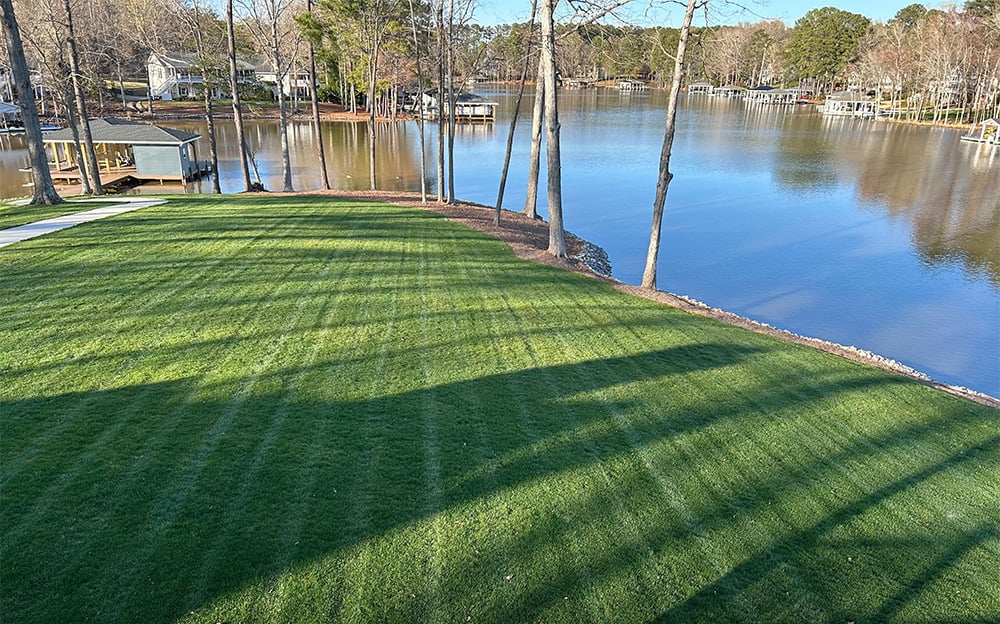
A lush, thick lawn is not just beautiful—it’s also a sign of a healthy yard. For many homeowners, seeing thin, patchy, or weak grass can be frustrating. You might wonder, “How can I get thick grass fast? ” The good news is that with the right steps, you can transform your lawn into a green carpet in just one growing season.
This guide covers everything you need to know, from soil to mowing, so you can enjoy a thick, healthy lawn quickly.
Why Thick Grass Matters
Thick grass is more than just about looks. When your lawn is dense, it stops weeds from taking over, protects soil from erosion, and even cools the area around your home. Plus, it’s softer for children and pets to play on.
A healthy lawn also increases your home’s value and can make your outdoor space more enjoyable.
Test And Improve Your Soil First
Many people skip this step and struggle with thin grass for years. Soil quality is the foundation of a healthy lawn. If the soil is too hard, acidic, or lacking nutrients, grass will struggle to grow thick and strong.
- Soil testing: Buy a simple soil test kit at a garden center or send a sample to a local agricultural extension office. You’ll learn the pH and nutrient levels.
- Ideal pH: Grass grows best in soil with a pH between 6.0 and 7.0. If your soil is outside this range, add lime to raise pH or sulfur to lower it.
- Organic matter: Mix compost into the top 2-4 inches of soil. Compost adds nutrients and improves soil structure, helping roots grow deep and strong.
Non-obvious tip: Compacted soil makes it hard for roots to spread. If you haven’t aerated your lawn in the past year, now is the time.
Choose The Right Grass Seed
Not all grass types are the same. Some are perfect for cold places, some for warm, and some can handle lots of foot traffic.
| Grass Type | Best For | Growth Speed | Texture |
|---|---|---|---|
| Kentucky Bluegrass | Cool climates | Medium | Fine |
| Bermuda | Warm climates | Fast | Medium |
| Perennial Ryegrass | Quick cover, cool season | Very Fast | Fine |
| Tall Fescue | Shade, drought | Medium | Coarse |
- Check your region: Use a grass type that matches your climate. Mixing several types gives better results for most lawns.
- Certified seed: Always buy seed labeled as “certified” or “weed-free.” Cheap seed often contains weed seeds or old seed that won’t sprout well.
- Overseeding: For fast results, spread seed over your existing lawn. This fills in thin spots and quickly thickens the grass.
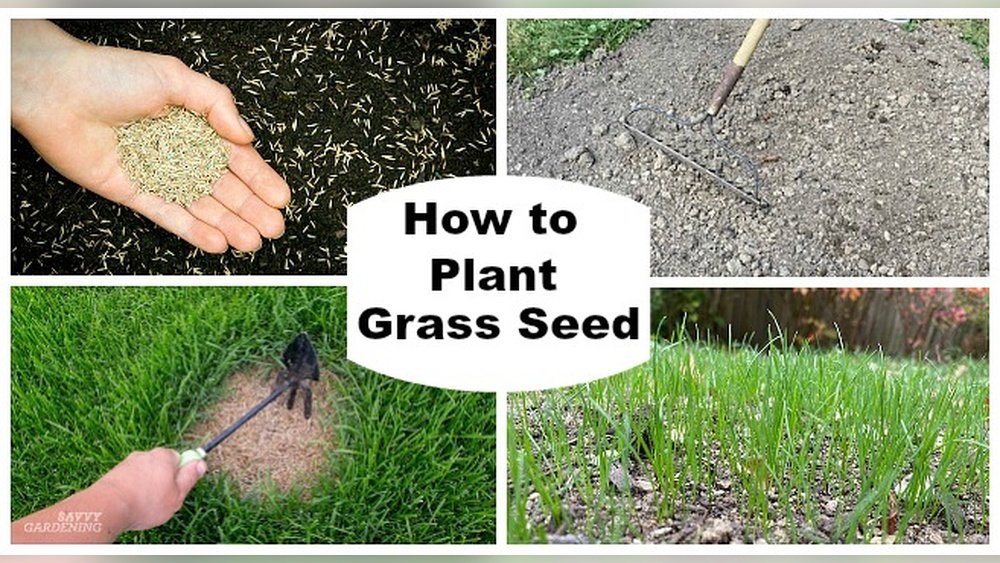
Proper Seeding And Overseeding Steps
Getting thick grass fast depends on how you plant your seed.
- Mow low: Before seeding, cut your grass to about 2 inches. This lets new seed reach the soil.
- Rake or dethatch: Remove dead grass and debris so seed touches soil.
- Spread seed evenly: Use a broadcast spreader for even coverage.
- Rake lightly: Drag a rake or broom over the area so seed sits just under the soil surface.
- Topdress with compost: Add a thin layer (about 1/4 inch) of compost to improve germination.
- Water gently: Keep the soil moist, not soggy, until seeds sprout.
Hidden mistake: Many people plant too much seed, thinking more is better. This can cause seedlings to compete for resources, leaving you with weak grass.
Fertilize For Quick Growth
Fertilizer gives grass the nutrients it needs to grow thick and green. But using the wrong kind, or too much, can do more harm than good.
- Starter fertilizer: Use a fertilizer high in phosphorus (the middle number on the bag) when planting seed. Phosphorus helps roots grow fast.
- Follow instructions: More fertilizer does not mean faster growth. Too much can burn new grass.
- Feed regularly: After grass is established, switch to a balanced fertilizer. Feed every 6-8 weeks during the growing season.
Pro insight: Slow-release fertilizers feed grass for weeks, so you get steady growth without sudden surges.
Water The Right Way
Watering seems simple, but most people either water too little or too often. Both can result in thin, stressed grass.
- Deep, infrequent watering: Water deeply (about 1 inch per week), but not every day. This encourages deep roots.
- Morning is best: Water early so grass dries during the day, which prevents disease.
- Sprinkler check: Place a cup on your lawn and run your sprinkler. When it collects 1 inch, you know how long to water.
| Watering Frequency | Amount Each Time | Best Time |
|---|---|---|
| Established Lawns | 1 inch/week | Early morning |
| New Seed | Keep moist (light, daily) | Morning & evening |
Non-obvious tip: If you walk on your lawn and the grass doesn’t spring back, it needs water.

Credit: www.jonathangreen.com
Mow For Thickness
How and when you mow affects how thick your grass becomes.
- Mow high: Keep grass 2.5 to 4 inches tall. Taller grass shades the soil, stopping weed seeds from sprouting and encouraging deeper roots.
- Sharp blades: Dull mower blades tear grass, making it weak and open to disease.
- Never cut more than one-third: Cutting too much at once stresses grass. Remove only the top one-third of the blade each time.
Aerate And Dethatch
Compacted soil and thick layers of dead grass (thatch) stop air, water, and nutrients from reaching roots.
- Aerating: Use a lawn aerator to punch small holes in the soil. This lets roots breathe and helps new grass grow faster.
- Dethatching: If thatch is over 1/2 inch thick, remove it with a dethatching rake or machine.
Pro tip: Aerate in spring or fall for best results. Many people forget this, but it can make a huge difference in grass density.
Credit: growcycle.com
Control Weeds And Pests
Weeds and insects steal water and nutrients from your grass, making it thin and patchy.
- Pre-emergent herbicide: Apply in spring to stop weed seeds from growing.
- Spot treat: Use a handheld sprayer to target weeds, not the whole lawn.
- Watch for insects: If you see brown patches, check for grubs or other pests.
Hidden insight: Don’t use weed killers right after seeding. Wait until new grass is established, or you’ll kill young seedlings.
Feed With Organic Material
Natural amendments like compost or worm castings add nutrients and improve soil health.
- Compost: Spread a thin layer over your lawn each year.
- Grass clippings: Leave clippings on the lawn after mowing (unless they form clumps). They break down and return nitrogen to the soil.
Little-known fact: Microbes from organic material help break down thatch and release nutrients, making grass thicker over time.
Patch Thin Or Bare Spots
Even the best lawn can get thin spots from pets, foot traffic, or shade.
- Rake the area: Remove dead grass and loosen soil.
- Add seed: Use the same grass seed as the rest of your lawn.
- Cover lightly: Sprinkle a little compost or soil on top.
- Keep moist: Water daily until new grass is a few inches tall.
Pro tip: If you have shady areas, choose a shade-tolerant grass mix for those spots.
Avoid Common Mistakes
Many people slow their progress with small errors.
- Overwatering: Too much water causes shallow roots and disease.
- Mowing too short: Scalping the lawn weakens grass and opens space for weeds.
- Skipping soil test: Guessing about nutrients often leads to poor results.
- Planting at the wrong time: Early spring or fall are best for seeding most grasses.
Use Mulch Or Straw For New Seed
Covering new seed helps keep moisture in and stops birds from eating the seed.
- Mulch: Use a light layer of straw or commercial seed mulch.
- Don’t smother: Too much cover blocks sunlight and stops seeds from sprouting.
Monitor And Adjust
Every lawn is different. Watch your grass closely and adjust your care routine as needed.
- Yellow grass: May need more nitrogen or less water.
- Bare patches: Check for grubs or fungal disease.
- Slow growth: Aerate, fertilize, or overseed as needed.
When To Expect Results
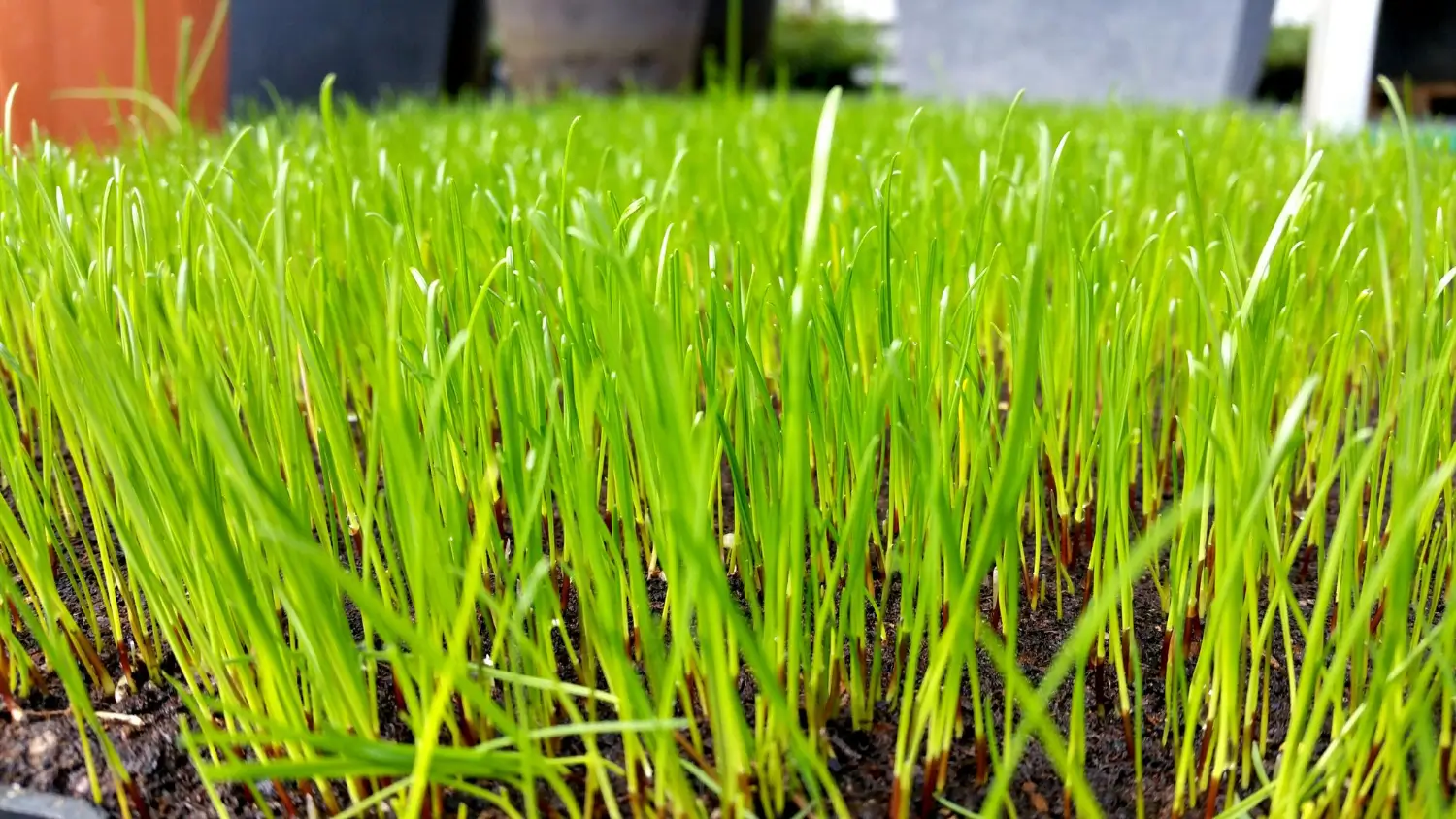
With the right steps, you can see a visible difference in 3-6 weeks during the growing season. Cool-season grasses grow fastest in spring and fall, while warm-season types grow best in late spring through summer. Full transformation to a thick, lush lawn usually takes one full growing season, but you’ll notice better color and density much sooner.
Real-world Example
James in Ohio struggled with patchy, thin grass for years. After testing his soil, he found it was too acidic and low in phosphorus. He applied lime to adjust the pH and added a starter fertilizer rich in phosphorus. By overseeding in September and keeping the area moist, he saw thick green grass covering his yard by late October.
The real difference came from fixing the soil before adding seed—a step many homeowners miss.
Quick Comparison: Fastest Ways To Thicken Grass
| Method | Speed | Best For | Cost |
|---|---|---|---|
| Overseeding | 3-6 weeks | Thin lawns | Low |
| Fertilizing | 2-4 weeks | All lawns | Medium |
| Aeration | 4-8 weeks | Compacted soil | Medium |
| Instant Sod | 1 day | Bare yards | High |
The Bottom Line
Getting thick grass fast is possible with a focused approach. Start with healthy soil, choose the right seed, and use proper watering and mowing. Don’t forget to fertilize, aerate, and address weeds or pests early. Small details—like seed-to-soil contact and sharp mower blades—make a big difference.
Monitor your lawn’s progress, and adjust as you go. With some care and patience, you’ll enjoy a thick, green yard in just a few weeks.
For more in-depth lawn care science, check out the Gardening Know How Lawn Care Guide.
Credit: info.supersod.com
Frequently Asked Questions
How Often Should I Water New Grass Seed?
New grass seed needs to be kept moist, but not soaked. Water lightly once or twice a day until seeds germinate and the grass is a few inches tall. After that, switch to deeper, less frequent watering.
What’s The Best Time Of Year To Thicken My Grass?
For cool-season grasses (like fescue and bluegrass), early fall or spring is ideal. Warm-season grasses (like Bermuda) do best when seeded in late spring through early summer.
Can I Use Regular Fertilizer For New Grass Seed?
No, use a starter fertilizer high in phosphorus when planting new seed. This helps roots develop quickly. Switch to a balanced fertilizer once the grass is established.
Why Does My Grass Stay Thin Even After Overseeding?
Thin grass after overseeding can be caused by poor soil, not enough water, compacted soil, or mowing too short. Always test your soil, keep it moist, and mow high for best results.
How Long Will It Take To See Thick Grass?
Most lawns show improvement in 3-6 weeks if you follow these steps. The fastest method is sod, but overseeding and proper care will give lasting results in one growing season.