
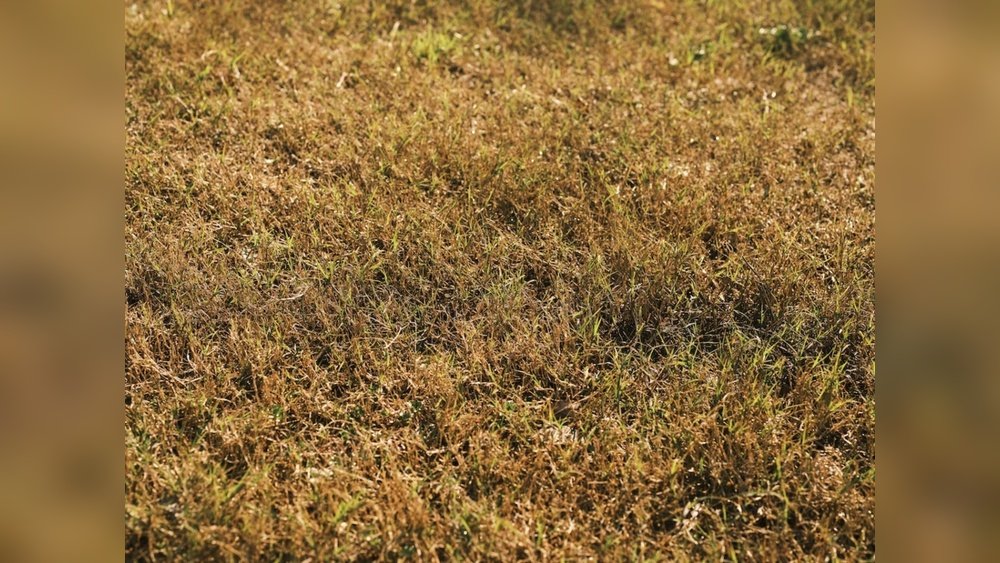
When your once-green lawn turns brown and dry after a drought, it can be frustrating and even a little worrying. Grass that looks dead might actually be dormant and waiting for the right care to bounce back. Knowing how to revive dead grass after drought is not just about watering; it’s about understanding what your lawn needs at each step.
With careful observation and proper action, most lawns can recover and thrive again—even after extreme drought.
Assessing The Damage
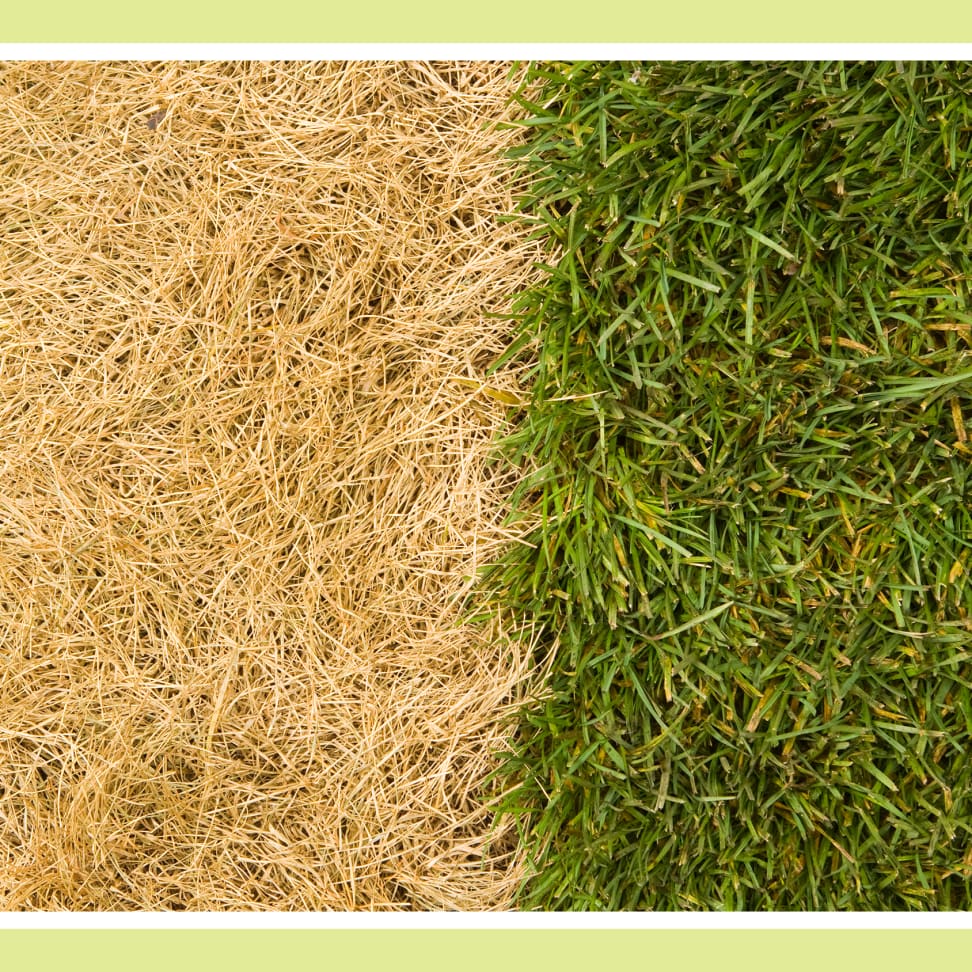
Before you start any lawn rescue, you need to know if your grass is dead or dormant. Many types of grass protect themselves during drought by going dormant, turning brown to save energy. Dormant grass can recover, but dead grass will not return.
- Dormant grass: Feels firm when pulled; roots stay intact.
- Dead grass: Pulls out easily with roots detached; feels brittle.
Use your hand to gently tug on a patch. If it comes out quickly, that area might be lost. If it’s still anchored, there’s hope. Another sign is the color of the crown (the base of the grass). A white or cream-colored crown means the grass is alive, while a brown or black crown means it is dead.
Cleaning Up The Lawn
A healthy recovery starts with removing debris. Dry, dead leaves, fallen twigs, and thatch (thick layers of dead grass) block sunlight and water. Use a rake to clear the lawn, but avoid aggressive raking, which can pull out living roots.
Pay attention to compacted soil. Drought often hardens the ground, making it tough for water to reach the roots. If you see cracked soil or water pooling on the surface, your lawn may need aeration.
Credit: www.reviewed.com
Aerating The Soil
Aeration helps water and nutrients reach the root zone. For small lawns, a manual spike aerator or a simple garden fork works. For larger areas, renting a core aerator is wise. Focus on:
- Areas with heavy foot traffic
- Soil that feels hard like concrete
- Lawns with thick thatch layers
Aerate when the soil is slightly moist, not bone dry or muddy. The best time is early morning or after a light rain.
Watering The Right Way
After a drought, your lawn’s thirst is high, but flooding your yard is a mistake. Start slow and steady.
- Deep watering: Water early in the morning, 2-3 times a week, aiming for 1 inch (25 mm) per session. Use a rain gauge or empty can to measure.
- Avoid run-off: Water until the soil is moist 6 inches deep. If water starts running off, stop and wait for it to soak in.
- Gradual increase: Over two weeks, increase watering frequency, but do not let the lawn stay soggy.
A common beginner mistake is watering every day with small amounts. This leads to shallow roots and weak grass. Deep, less frequent watering encourages strong roots.
Fertilizing For Recovery
Drought-stressed grass needs nutrients, but too much fertilizer can burn new shoots. Choose a balanced, slow-release fertilizer with a nitrogen-phosphorus-potassium (N-P-K) ratio like 10-10-10 or 15-15-15.
- Apply after a good rain or after you’ve started regular watering.
- Use a spreader for even coverage.
- Water lightly after fertilizing to help nutrients soak in.
Avoid fertilizing in extreme heat, which can further stress your lawn.
Overseeding Bare Patches
Some areas may not bounce back and need reseeding. Overseeding fills in dead spots and thickens your lawn.
- Choose a grass seed type that matches your existing lawn (cool-season or warm-season).
- Lightly rake bare areas to loosen the soil.
- Spread seed evenly and cover with a thin layer of compost or soil.
Keep the soil moist until new grass reaches at least 2 inches (5 cm) tall. Do not let the area dry out during germination.
Selecting The Right Grass Seed
Choosing the right grass seed is crucial for long-term recovery. Some grasses resist drought better than others. Here’s a comparison of common lawn grasses and their drought tolerance:
| Grass Type | Drought Tolerance | Ideal Climate |
|---|---|---|
| Bermuda | High | Warm-season, full sun |
| Zoysia | High | Warm-season, sun/partial shade |
| Fescue | Moderate | Cool-season, shade tolerant |
| Bluegrass | Low | Cool-season, needs regular water |
| Ryegrass | Low | Cool-season, fast germination |
If your area experiences frequent drought, consider overseeding with a more drought-tolerant variety.
Mowing After Drought
Mowing too soon or too short can damage recovering grass. Wait until your lawn is at least 3-4 inches tall and looks green again.
- Set your mower blade to the highest setting.
- Cut no more than one-third of the grass blade at a time.
- Leave clippings on the lawn to return nutrients to the soil.
Resist mowing dormant or brown grass. It cannot heal from cuts until it’s actively growing.

Credit: scottsmiraclegro.com
Managing Weeds And Pests
After drought, weeds often invade thin lawns. Be careful with herbicides—they can harm weak grass. Hand-pull weeds or use spot treatments. Keep an eye out for insects like grubs or chinch bugs, which target stressed lawns.
If you notice brown patches that don’t improve with water or fertilizer, dig up a small section to check for pests. Use targeted, lawn-safe products if needed.
Mulching And Topdressing
Adding a thin layer of compost or organic mulch helps retain moisture and adds nutrients. Spread 1/4 inch (6 mm) over the lawn and water it in. Topdressing supports soil microbes, improving long-term health.
Don’t smother the grass—too much mulch can block sunlight.
Preventing Future Drought Damage
Reviving your lawn is only part of the battle. Protect your grass from future drought with smart practices.
- Water deeply, less often: Trains roots to seek water deeper in the soil.
- Mow high: Taller grass shades the soil, reducing evaporation.
- Fertilize appropriately: Too much fertilizer increases water needs.
- Aerate yearly: Prevents soil compaction and improves water flow.
- Choose drought-tolerant varieties: Especially if droughts are common in your region.
Here’s a quick look at the difference between shallow and deep watering strategies:
| Watering Method | Frequency | Root Depth Result |
|---|---|---|
| Shallow, frequent | Daily | Shallow roots (weak) |
| Deep, infrequent | 2-3 times/week | Deep roots (strong) |
Practical Tips For Faster Recovery
- Test your soil: A soil test shows if your lawn lacks vital nutrients or has a pH problem. Many local extension offices offer testing.
- Don’t overwater: Too much water can suffocate roots and encourage disease.
- Fix low spots: Water can pool in dips and lead to fungus. Fill with soil and reseed if necessary.
- Rotate sprinklers: Move sprinklers regularly to avoid overwatering one spot.
- Look for hidden stress: Dog urine, foot traffic, or compacted areas can slow recovery. Address these issues along with drought damage.
One often-missed insight: the timing of all these steps matters. For example, overseeding in early fall (for cool-season grasses) or late spring (for warm-season grasses) gives seeds the best chance. Also, aeration should not be done during peak drought—wait until moisture returns.

Credit: lawnlove.com
Understanding When To Replace Grass
Sometimes, patches of your lawn are truly dead and cannot be revived. In these cases, you have two main choices: reseeding or sodding.
- Reseeding: More affordable, but slower. Good for large areas with scattered dead spots.
- Sodding: Instant green, but more expensive. Best for completely dead or high-traffic areas.
If you decide on sodding, make sure to prepare the soil well—remove all dead grass, loosen the soil, and water deeply before laying sod.
Monitoring Progress
Be patient—recovery takes time. It can take several weeks for new grass to grow and months for a thick, healthy lawn to return. Keep a simple journal or take photos every week to track changes. Adjust your care plan based on what you see.
If you don’t see improvement after 4–6 weeks of good care, consider testing your soil or asking a local lawn expert for advice.
When To Call A Professional
Sometimes, even the best efforts don’t bring a lawn back. If you notice:
- Large areas with no green at all
- Soil that stays dry despite watering
- Persistent pest or disease problems
A lawn care professional can help with soil testing, irrigation systems, and tailored recovery plans. They may also spot issues you missed, like underground water lines or fungal infections.
Frequently Asked Questions
How Do I Know If My Grass Is Really Dead Or Just Dormant?
Check by gently pulling on the grass. If it resists and the crown (base) is white or cream, it’s likely dormant. If it pulls out easily and the crown is brown or black, it’s probably dead.
How Long Does It Take For Grass To Recover After A Drought?
Recovery usually takes 3–6 weeks with proper care, but full regrowth can take several months, especially if you need to reseed or replace large areas.
Is It Better To Reseed Or Lay Sod On Dead Patches?
Reseeding is cheaper and works for small areas, but takes longer. Laying sod gives instant results and is best for large, completely dead patches.
Should I Fertilize My Lawn Right After A Drought?
Wait until you’ve watered the lawn and see some green return. Too much fertilizer on stressed grass can burn it. Use a balanced, slow-release fertilizer for best results.
What Is The Best Grass For Drought-prone Areas?
Grasses like Bermuda and Zoysia are very drought-tolerant and perform well in hot, dry climates. For more information, visit the Gardening Know How website.
Reviving dead grass after drought is all about timing, patience, and understanding your lawn’s needs. With the right approach, even the driest, brownest lawn can return to life—and may end up even stronger than before.