
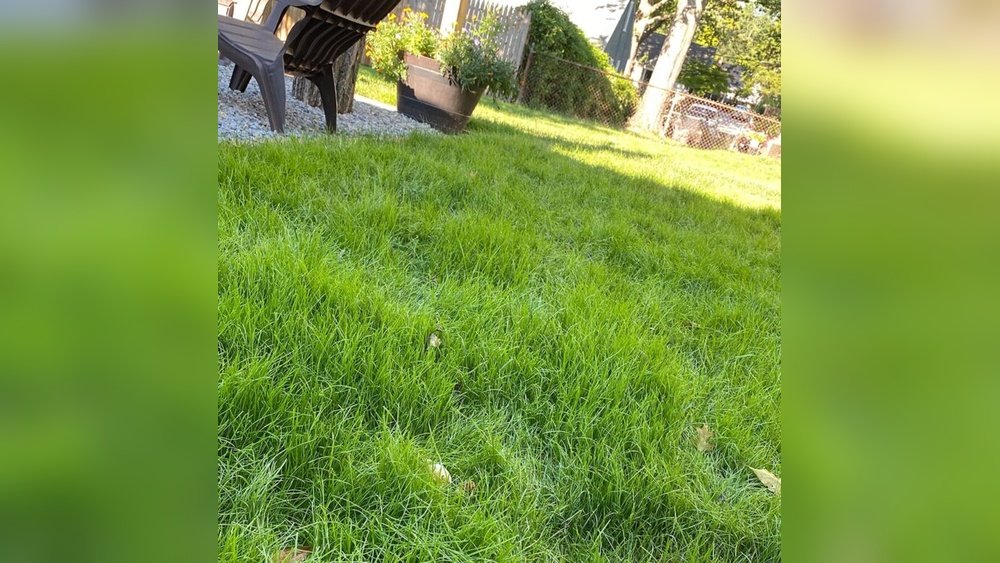
Growing a green, healthy lawn is a dream for many homeowners. The process starts with seeding, but it can be frustrating to wait weeks for grass to fill in. If you want to know how to grow grass faster after seeding, you’re not alone.
Understanding what makes grass sprout quickly—and what slows it down—can save you time, money, and effort. Whether you’re starting a new lawn or fixing bare spots, there are proven ways to speed up grass growth and get the lush results you want.
Why Grass Grows Slowly After Seeding
Grass seeds are tiny. They need the right mix of soil, water, air, and warmth to grow. The most common mistakes are planting seeds too deep, not watering enough, or using the wrong type of seed. Many people also forget that grass species grow at different speeds. For example, perennial ryegrass can sprout in 5 days, while Kentucky bluegrass takes 14–21 days. Fast growth depends on removing obstacles and giving seeds what they need.
Preparing The Soil For Fast Germination
Good soil is the foundation of a quick-growing lawn. Before you spread any seed, spend time on these steps:
- Clear debris: Remove rocks, sticks, and old roots. They block seeds and slow growth.
- Loosen the topsoil: Use a rake or tiller to loosen at least the top 2–3 inches. This helps roots grow deeper.
- Check soil pH: Grass prefers a pH between 6.0 and 7.0. Use a simple test kit. If the pH is off, add lime (to raise pH) or sulfur (to lower it).
- Add organic matter: Mix in compost or aged manure. This improves soil texture and nutrients.
- Level the ground: Fill low spots so water doesn’t pool or run off.
Non-obvious insight: Many beginners don’t realize that compacted soil can delay germination by a week or more. Aerate your soil if it feels hard underfoot.
Choosing The Right Grass Seed For Your Region
Not all grass seeds are equal. Pick a seed type that matches your climate, sunlight, and soil. Here’s a quick comparison:
| Grass Type | Best For | Germination Time | Climate |
|---|---|---|---|
| Perennial Ryegrass | Quick cover, overseeding | 5-7 days | Cool-season |
| Kentucky Bluegrass | Dense, lush lawns | 14-21 days | Cool-season |
| Bermuda Grass | High-traffic, drought areas | 7-14 days | Warm-season |
| Fescue | Shade tolerance | 7-14 days | Cool-season |
| Zoysia | Heat and drought | 14-21 days | Warm-season |
Non-obvious insight: If you want fast results, choose a blend with at least 50% perennial ryegrass. It helps fill in gaps while slower grasses catch up.
Sowing Grass Seed Properly
How you plant your seed matters as much as the seed itself.
- Spread evenly: Use a broadcast spreader for large areas, or your hand for small patches.
- Don’t bury too deep: Seeds should sit about 1/8 inch below the surface. Too deep and they won’t sprout.
- Press seeds in: Lightly rake or roll over the area so seeds touch the soil.
- Cover lightly: Sprinkle a thin layer of straw or peat moss. This keeps moisture but lets light in.
Tip: Avoid using hay as mulch. It often contains weed seeds, which compete with your grass.
Watering For Fast Grass Growth
Water is the most critical step after seeding. Seeds need moisture 24/7 to sprout.
- First 2 weeks: Water lightly 2–3 times a day, keeping the soil moist but not soaked.
- After germination: Reduce to once a day, then every other day as grass grows.
- Best time: Early morning is ideal. Avoid watering at night, as this can cause fungus.
| Growth Stage | Water Frequency | Water Amount |
|---|---|---|
| Seeding to Germination | 2–3 times/day | Light mist |
| After Sprouting | 1 time/day | ¼ inch |
| Established Grass | 2–3 times/week | ½ inch |
Important: Don’t let the soil dry out during the first 10 days. Even a few dry hours can kill new seeds.
Fertilizing For Quicker Results
Fertilizer gives seeds the energy to grow faster. But timing and type are key.
- Use starter fertilizer: Look for a product with a higher phosphorus (the middle number, like 18-24-12). Phosphorus helps roots develop.
- Apply before or at seeding: This puts nutrients right where roots form.
- Don’t overdo it: Too much fertilizer can burn new seedlings. Follow label rates exactly.
Example: For a 1,000 sq ft lawn, use about 1.5 pounds of starter fertilizer.
Quick tip: Avoid using weed and feed products on new grass. Herbicides can damage tender seedlings.

Credit: www.jonathangreen.com
Covering Seeds For Protection
Grass seed is vulnerable to birds, wind, and heavy rain. Light coverage can help.
- Straw: Use clean straw, enough to see 50% of the soil through it.
- Compost or peat moss: Good for small patches and adds nutrients.
- Seed blankets: Biodegradable mats that hold seeds in place.
Caution: Avoid thick layers—more than ¼ inch can block light and slow growth.
Mowing New Grass The Right Way
Mowing too soon can pull up young seedlings, but waiting too long can cause weak, floppy grass.
- Wait until grass is 3–4 inches tall
- Set mower high: Use the highest setting to avoid stressing new growth.
- Cut no more than 1/3 of the blade at a time.
Pro tip: Sharpen your mower blade before the first cut. Dull blades tear instead of cut, which can damage young grass.

Credit: www.youtube.com
Managing Weeds Without Slowing Grass
Weeds steal water and nutrients from new grass. But most weed killers harm seedlings.
- Hand pull large weeds as soon as you see them.
- Mow regularly: This stops weeds from seeding.
- Avoid herbicides: Wait at least 6 weeks after seeding before using any.
Prevention: Good soil prep and thick seeding help grass outcompete most weeds.
Protecting Grass Seedlings From Pests And Disease
Young grass is sensitive to both bugs and fungus. These problems can slow or kill growth.
- Watch for birds: Use netting or scare tactics if they eat seeds.
- Prevent fungus: Water in the morning, not at night, and don’t overwater.
- Monitor for insects: Most are not a problem, but grubs or cutworms can eat roots.
Quick action: If you see patches turning yellow or disappearing, investigate right away.
Temperature And Sunlight: Timing Matters
Grass seed needs the right temperature to sprout quickly.
- Cool-season grasses: Best planted in early fall or spring. Soil temperature should be 50–65°F (10–18°C).
- Warm-season grasses: Plant in late spring or early summer, when soil is above 65°F (18°C).
Data: Seeds planted outside these windows may take up to twice as long to germinate.
Sunlight is also critical. Most grasses need at least 4–6 hours of sun daily for fast growth. If your lawn is shady, choose shade-tolerant seeds and remove branches if possible.
Common Mistakes That Slow Down Grass Growth
Many people slow grass growth without realizing it. Avoid these errors:
- Planting at the wrong time: Too hot or cold delays growth.
- Overwatering: Causes seeds to rot or wash away.
- Underwatering: Seeds dry out and die.
- Using old seed: Germination rates drop each year. Use fresh seed for best results.
- Skipping soil prep: Compacted or poor soil wastes seed.
- Applying fertilizer incorrectly: Too much or too little hurts new grass.
Monitoring Progress And Troubleshooting
Keep an eye on your new lawn every day, especially in the first two weeks.
- Check moisture: The surface should feel damp, not soggy.
- Look for sprouting: Most grass will sprout in 7–21 days, depending on type.
- Thin spots: Reseed if areas look bare after 3 weeks.
- Color: Healthy new grass is bright green. Yellow or brown means trouble.
Tip: If you see no growth after 3 weeks, double-check your steps—especially watering and seed quality.
Comparing Fast-growing Grass Strategies
If you want to compare which strategies help the most, look at these results from lawn care studies:
| Strategy | Time to First Sprout | Full Lawn Coverage |
|---|---|---|
| Proper watering | 5-7 days | 21 days |
| Starter fertilizer | 6-8 days | 23 days |
| No mulch | 8-10 days | 28 days |
| Seed blanket | 5-6 days | 18 days |
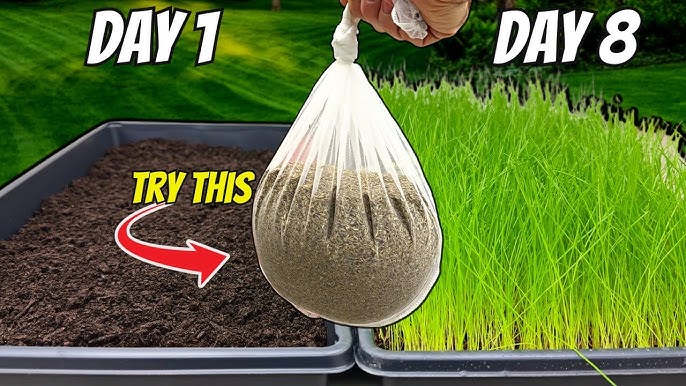
Insight: Combining proper watering and light mulch gives the fastest and most reliable results.
Credit: www.youtube.com
Final Tips For A Fast-growing Lawn
- Use fresh, high-quality seed that matches your region
- Water consistently, never letting soil dry out in the first two weeks
- Don’t rush mowing; let grass get strong first
- Correct soil issues before planting for the best start
- Keep pets and heavy traffic off new grass until it’s established
Growing grass quickly after seeding is not magic—it’s about following proven steps and paying attention to details. With the right approach, your lawn can be green and full in just a few weeks.
For deeper scientific detail on grass seed germination, you can visit the Wikipedia Lawn page.
Frequently Asked Questions
How Long Does It Take For Grass Seed To Germinate?
Most grass seeds will germinate in 5–21 days, depending on the type. Perennial ryegrass is one of the fastest, sprouting in about a week. Kentucky bluegrass and zoysia can take up to three weeks.
Can I Walk On My Lawn After Seeding?
It’s best to avoid walking on newly seeded areas for at least 3 weeks. Foot traffic can crush seeds or new shoots, making bare spots. Wait until the grass is at least 3 inches tall and well-rooted.
What’s The Best Time Of Year To Plant Grass Seed?
For cool-season grasses, early fall or spring is best. For warm-season grasses, late spring or early summer is ideal. Planting at the right time ensures faster and healthier growth.
Do I Need To Fertilize After Seeding?
Yes, using a starter fertilizer with higher phosphorus helps seeds develop strong roots quickly. Apply it just before or at the same time as seeding for best results.
Why Are There Bare Patches After Seeding?
Bare spots can be caused by uneven seeding, poor soil contact, birds eating seeds, or dry soil. Reseed thin areas, keep soil moist, and cover seeds lightly to improve results.
A little extra care and attention at the start can help you grow grass faster after seeding—and enjoy a thick, green lawn much sooner.