
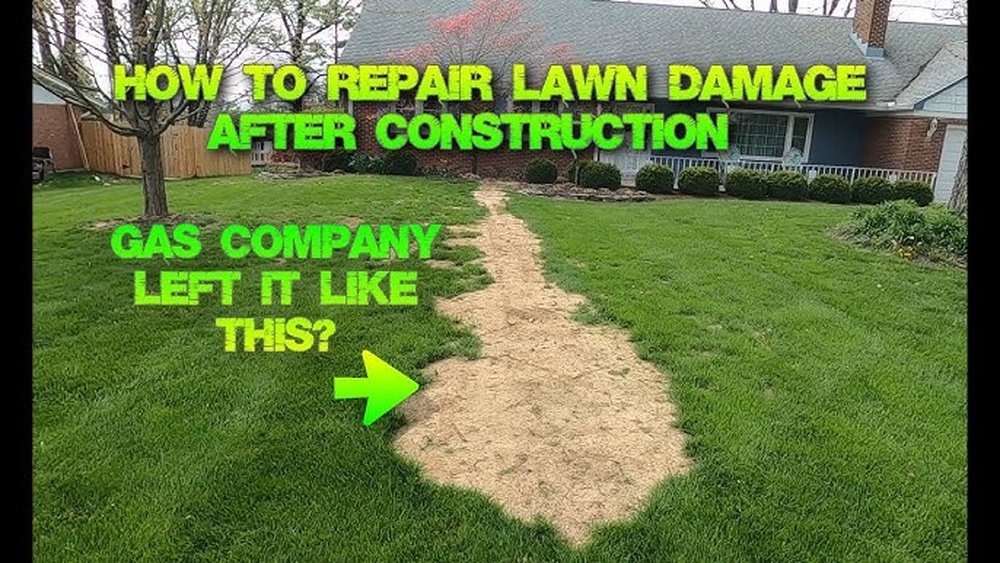
After a construction project, your lawn can look like a battlefield—bare soil, compacted ground, deep tire ruts, and dead grass. Seeing the damage is discouraging, but with the right steps, you can restore your yard’s green beauty. Many homeowners rush to reseed, only to get poor results.
The real secret lies in understanding the damage, fixing the soil, and choosing the right repair methods. This guide shows you how to bring your lawn back to life after construction, even if you’re starting from bare dirt.
Assessing Construction Damage
Before fixing your lawn, you need to know what’s wrong. Construction can cause several types of damage:
- Compacted soil from heavy machines, making it hard for roots to grow.
- Removed or buried topsoil, leaving poor subsoil on the surface.
- Deep ruts and holes from tires or foot traffic.
- Buried debris like bricks, wood, or concrete.
- Destroyed grass and missing plants.
Walk the area and look for:
- Hard, smooth surfaces (compaction)
- Uneven spots or puddles after rain
- Exposed stones or gravel
- Thin or missing grass
Take photos to help you track progress and share with professionals if you need help.
Clearing Debris And Leveling
Start by removing everything that doesn’t belong in your lawn. Construction sites often leave behind rocks, wood, plastic, and trash. These block roots and damage mower blades.
- Pick up visible debris by hand.
- Use a rake to gather smaller items.
- For large areas, a landscape rake or even a metal detector can help find hidden metal scraps.
Next, focus on leveling. Uneven ground causes water to collect in low spots, making grass die.
- Fill deep ruts with a mix of topsoil and compost.
- For small bumps, use the back of a rake to spread soil evenly.
- Check slopes to make sure water drains away from buildings.
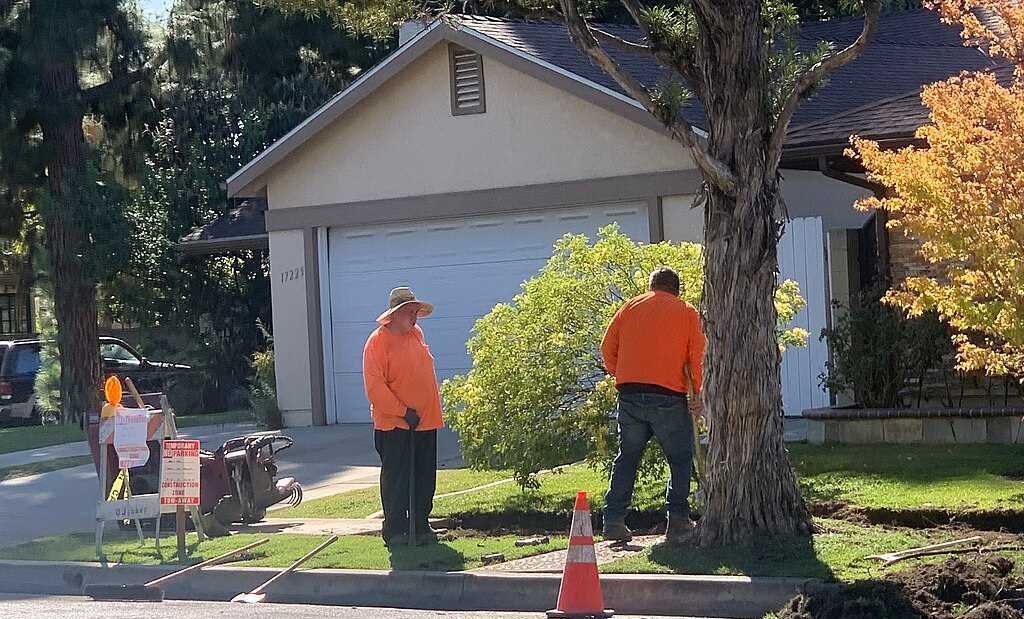
Credit: trysodpods.com
Fixing Compacted Soil
Compaction is the most common problem after construction. Grass roots need loose soil for air, water, and nutrients.
Testing For Compaction
Try pushing a screwdriver into the soil. If it’s hard to push, the soil is compacted.
Solutions
- Manual Aeration: For small yards, use a manual core aerator. This tool pulls out plugs of soil.
- Mechanical Aeration: For large areas, rent a power aerator. It’s faster and removes deeper plugs.
- Double Passes: Go over the worst spots twice.
- Add Organic Matter: Spread compost (about 1/2 inch thick) after aerating. It helps loosen soil and feed microbes.
Avoid rolling or pressing the soil down more. Let rain or light watering settle the soil naturally.
Restoring Topsoil And Grading
Construction often removes or buries the best topsoil. Grass needs at least 4 to 6 inches of good topsoil to thrive.
Rebuilding The Soil Layer
- Add screened topsoil to low or bare areas.
- Mix in organic compost to improve fertility.
- Use a rake to spread the soil evenly to the desired thickness.
- Check grade with a long board and level.
If you’re unsure, measure the soil depth with a trowel. Less than 4 inches? Add more.
Seeding Or Sodding Damaged Areas
Now it’s time to grow new grass. You have two main choices: seeding or sodding.
| Method | Cost | Time to Establish | Best For |
|---|---|---|---|
| Seeding | Low | 2-3 months | Large areas, tight budgets |
| Sodding | High | 2-3 weeks | Instant results, small/medium lawns |
Seeding Steps
- Choose a grass seed that matches your region (cool-season or warm-season).
- Spread seed evenly with a broadcast spreader.
- Lightly rake to mix seed into the top 1/4 inch of soil.
- Add a thin layer of straw mulch to hold moisture.
Sodding Steps
- Lay sod strips in a staggered brick pattern.
- Press edges together tightly (no gaps).
- Roll sod with a lawn roller for good root contact.
Both methods need frequent, light watering for the first few weeks.
Watering For New Growth
Proper watering is key for new lawns. Too little and seeds dry out. Too much and seeds rot.
- First 2 weeks: Water lightly 1-2 times per day to keep soil moist, not soggy.
- Weeks 3-4: Water less often but more deeply to encourage roots.
- After 1 month: Water 1 inch per week (including rainfall).
Use a rain gauge or a shallow can to measure water. Early morning is best to reduce evaporation.
Fertilizing And Feeding
New lawns are hungry. Fertilizer helps grass grow thick and green.
- Use a starter fertilizer high in phosphorus to boost root growth.
- Apply according to label instructions—too much can burn new roots.
- After 6-8 weeks, switch to a balanced, slow-release fertilizer.
Tip: Avoid using “weed and feed” products on new lawns. They can harm seedlings.
Dealing With Erosion And Runoff
Bare soil after construction is at risk for erosion during heavy rain. Grass seed can wash away, leaving patches.
To prevent erosion:
- Cover seeded areas with straw mats or erosion control blankets.
- Plant fast-growing annual ryegrass as a temporary cover.
- Use mulch or wood chips on slopes until grass is established.
Check for signs of erosion after storms. Re-seed bare patches quickly.
Managing Weeds And Pests
After construction, weeds often grow faster than grass. Prevent weeds while your new lawn gets established:
- Pull large weeds by hand.
- Mow when grass reaches 3–4 inches. This removes weed tops.
- Avoid using herbicides until new grass is at least 3 months old.
Watch for signs of pests like grubs or ants. If you see brown patches or holes, ask a local garden center for advice.
Repairing Heavy Damage: When To Start Over
Sometimes, construction leaves the lawn so damaged that repair is not enough. Consider a full lawn renovation if:
- More than 50% of the area is bare or covered with debris.
- The soil is mostly clay, gravel, or subsoil.
- There are drainage problems that don’t improve after grading.
A full renovation means removing old soil, bringing in new topsoil, and starting fresh with seed or sod. This costs more but gives better long-term results.

Credit: www.youtube.com
Real-world Example: Timeline For Recovery
Here’s what a typical lawn recovery might look like after home renovation:
- Week 1: Remove debris, grade soil, fix compaction.
- Week 2: Add topsoil, seed or sod, cover with mulch.
- Weeks 3–4: Water daily, watch for weeds and erosion.
- Weeks 5–8: First mowing, apply fertilizer, spot repair any thin areas.
- 3 months: Lawn is green, thick, and safe to use lightly.
- 6–12 months: Lawn fully established, normal use resumes.
Most lawns take at least one growing season (spring or fall) to recover fully.
Avoiding Common Mistakes
Many homeowners repeat the same errors when fixing lawns after construction. Here’s how to avoid them:
- Skipping soil repair: Don’t seed over compacted or poor soil; grass won’t grow well.
- Overusing fertilizer: Too much can burn young grass.
- Not leveling: Low spots collect water, killing new grass.
- Neglecting watering: New seed dries out quickly.
- Ignoring erosion: Unprotected slopes can wash away in one rainstorm.
A little extra care at the start saves months of frustration later.
Comparing Lawn Recovery Costs
Lawn repairs range from DIY fixes to full professional renovation. Here’s a cost comparison for a typical 1,000 square foot yard:
| Repair Type | DIY Cost | Professional Cost | Time Needed |
|---|---|---|---|
| Basic Seeding | $100 – $200 | $400 – $800 | 1-2 days |
| Sodding | $500 – $1,200 | $1,500 – $3,000 | 1 day |
| Full Renovation | $1,000 – $2,500 | $3,000 – $6,000 | 2-5 days |
DIY is cheaper but takes more time and effort. Professional help costs more but ensures faster, sometimes better, results.
When To Call A Professional
Most homeowners can handle basic repairs. But call a pro if:
- The area is larger than 2,000 square feet.
- Drainage or grading problems remain after your repairs.
- You find buried pipes, wires, or contamination.
- You want a perfect, instant lawn for resale or events.
Landscape contractors have tools for large projects, such as power rakes, heavy rollers, and soil testers.

Credit: www.thisoldhouse.com
Two Non-obvious Tips For Better Results
- Test Your Soil pH: After construction, soil can become too acidic or alkaline. Grass usually grows best at a pH of 6.0–7.0. Simple test kits are available at garden centers. Adjust with lime (to raise pH) or sulfur (to lower pH) before seeding.
- Check for Hidden Compaction: Sometimes, only the top inch looks loose, but deeper layers are still hard. Use a long screwdriver to test several spots. Deep compaction stops roots from growing down, causing problems months later. Deep aeration helps roots reach water in dry spells.
Helpful Resources
For more detailed guides and local advice, check the Turfgrass Producers International. They offer science-backed tips for every region.
Frequently Asked Questions
How Long Does It Take For A Lawn To Recover After Construction?
Most lawns show green growth within 3–4 weeks after repair, but full recovery (thick, durable turf) usually takes 3–12 months. Timing depends on weather, grass type, and how well you fix soil problems.
Can I Just Throw Grass Seed On Damaged Soil?
You can, but results are poor unless you loosen the soil, fix compaction, and add topsoil or compost. Seeds need good soil contact and moisture to sprout. Skipping soil prep is the main reason for patchy lawns.
What Type Of Grass Seed Is Best For Repair After Construction?
Choose a blend suited to your region (cool- or warm-season). Fescue, ryegrass, and Kentucky bluegrass are popular for cool climates; Bermuda and zoysia for warm. Mixing types gives better coverage and disease resistance.
Is It Better To Seed Or Sod After Construction?
Sod gives instant results but costs more and needs good soil prep. Seed is cheaper for large areas but takes longer to fill in. Use sod for small, visible spots and seed for larger, less visible areas.
What Should I Do If My Lawn Keeps Washing Away After Repair?
Use erosion control blankets, mulch, or fast-growing annual grasses to hold soil. Fix drainage problems, and avoid working on the lawn during heavy rain. Reseed bare spots quickly to prevent weeds.
Restoring your lawn after construction takes patience, but following these steps ensures a thick, green yard that looks even better than before your project began.