
Bermuda grass is a favorite choice for lawns in warm climates. Its green color and ability to spread quickly make it popular for homes, sports fields, and golf courses. But sometimes, Bermuda grass can look thin, patchy, or weak. If you want a thick, healthy Bermuda lawn, you need to know more than just mowing and watering.
Getting that carpet-like look requires the right care, timing, and a few expert tricks.
Most people think simply adding fertilizer will fix their lawn. But Bermuda grass has special needs. Without the right steps, it can become thin, let weeds grow, or get brown patches. In this guide, you’ll learn how to make Bermuda grass thicker, greener, and more resilient all year.
You’ll get practical advice, proven methods, and tips that even experienced gardeners sometimes overlook. Let’s dive in and transform your lawn into a dense, beautiful space you can be proud of.
Understanding Bermuda Grass Growth
Before you start, it helps to know how Bermuda grass grows. This warm-season grass spreads by stolons (above-ground runners) and rhizomes (underground stems). These help it fill bare spots and form a thick mat. But Bermuda grass also has high energy needs. It grows best in full sun and struggles in shade. High traffic, poor soil, or wrong mowing can thin it out fast.
Key insight: Bermuda grass goes dormant and turns brown in cool weather. If your lawn looks thin in early spring, wait until the grass starts to green up before making changes.
Soil Preparation: The Foundation Of Thickness
A thick lawn starts with healthy soil. If the soil is compacted, lacks nutrients, or is too sandy, Bermuda won’t grow well. Here’s how to set the right foundation:
- Test Your Soil – Use a simple soil test kit to check pH and nutrient levels. Bermuda prefers a pH of 6.0 to 6.5. If your soil is too acidic or alkaline, grass won’t use nutrients efficiently.
- Amend as Needed – Add lime to raise pH or sulfur to lower it. Mix in compost or organic matter if your soil is sandy or has a lot of clay. This helps roots grow deeper and stronger.
- Aerate the Lawn – Compacted soil stops roots from spreading. Use a core aerator in late spring or early summer to punch holes and let air, water, and fertilizer reach the roots.
Pro tip: Many people skip soil testing and wonder why their grass doesn’t improve. A $10 test can save months of frustration.
Proper Mowing For Thicker Bermuda Grass
Mowing isn’t just for looks—it’s critical for making Bermuda grass spread and thicken.
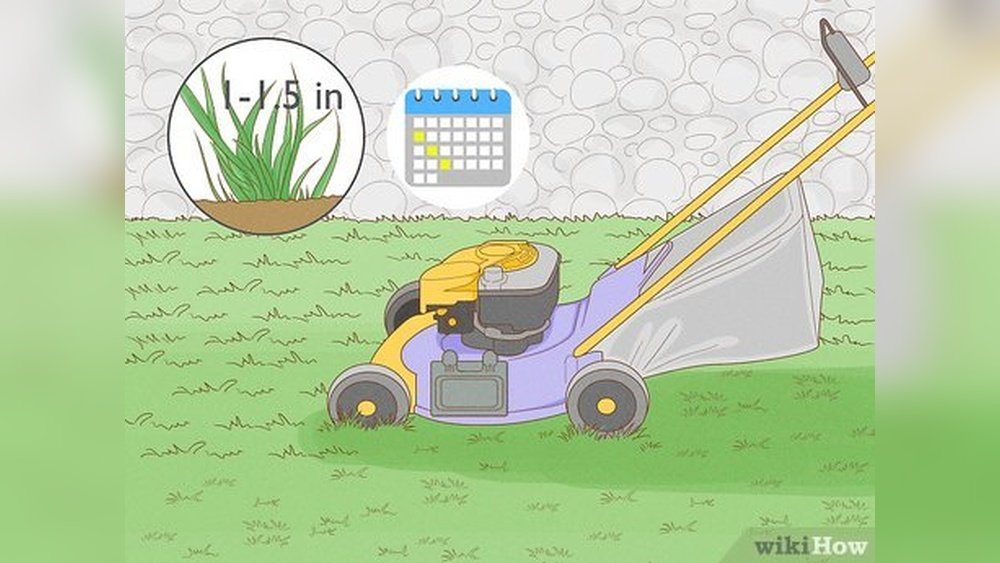
- Mow Low, but Not Too Low: Bermuda thrives when cut to 1-1.5 inches. Cutting lower than 1 inch can stress the grass. If the lawn is too tall, lower the mower height gradually over a few weeks.
- Sharpen Mower Blades: Dull blades tear grass instead of cutting it cleanly. Torn blades turn brown at the tips, making the lawn look dull.
- Mow Often: During peak growth (late spring to summer), mow every 5-7 days. Removing more than one-third of the blade at once can weaken the grass.
Mowing Height Comparison
Here’s how mowing height affects Bermuda grass:
| Mowing Height | Effect on Bermuda Grass |
|---|---|
| <1 inch | Stressed, brown patches, weak roots |
| 1–1.5 inches | Thick, healthy, spreads quickly |
| >2 inches | Thin, prone to thatch, more weeds |
Watering For Maximum Density
Bermuda grass loves water, but too much or too little can cause problems.
- Deep and Infrequent Watering: Water deeply 1–2 times per week, giving about 1 inch each time. This encourages roots to grow deeper.
- Morning Watering: Water early in the day to let leaves dry and prevent disease.
- Adjust for Rain: Skip watering if there’s been heavy rain. Too much water can cause shallow roots and fungal growth.
Non-obvious tip: Set an empty tuna can on your lawn while watering. When it’s full, you’ve applied about 1 inch.
Credit: thegrassoutlet.com
Fertilizing Bermuda Grass The Right Way
Fertilizer is fuel for Bermuda grass. But using the wrong type, amount, or timing can do more harm than good.
- Use High-Nitrogen Fertilizer: Look for a ratio like 16-4-8 or 21-0-0. Nitrogen boosts green, leafy growth.
- Timing Matters: Start fertilizing when grass turns green in spring, then every 4–6 weeks until late summer. Stop in early fall to avoid weak winter growth.
- Don’t Overdo It: Too much fertilizer can burn grass and increase thatch.
- Apply Evenly: Use a broadcast spreader for consistent coverage.
Fertilizer Schedule Example
| Month | Fertilizer Type | Amount per 1,000 sq ft |
|---|---|---|
| April | 16-4-8 | 1 lb nitrogen |
| June | 21-0-0 | 1 lb nitrogen |
| August | 16-4-8 | 1 lb nitrogen |
Insight: Many beginners use “weed and feed” mixes too early in spring. Wait until Bermuda is fully green to avoid damaging new growth.
Overseeding Bare Or Thin Areas
If your Bermuda lawn has thin spots, overseeding can help it fill in faster.
- Choose Certified Bermuda Seed: Use the same variety as your existing lawn for even color and texture.
- Time It Right: Seed in late spring or early summer when soil is warm (above 65°F/18°C).
- Prep the Area: Rake or lightly till thin spots, remove debris, and spread seed evenly.
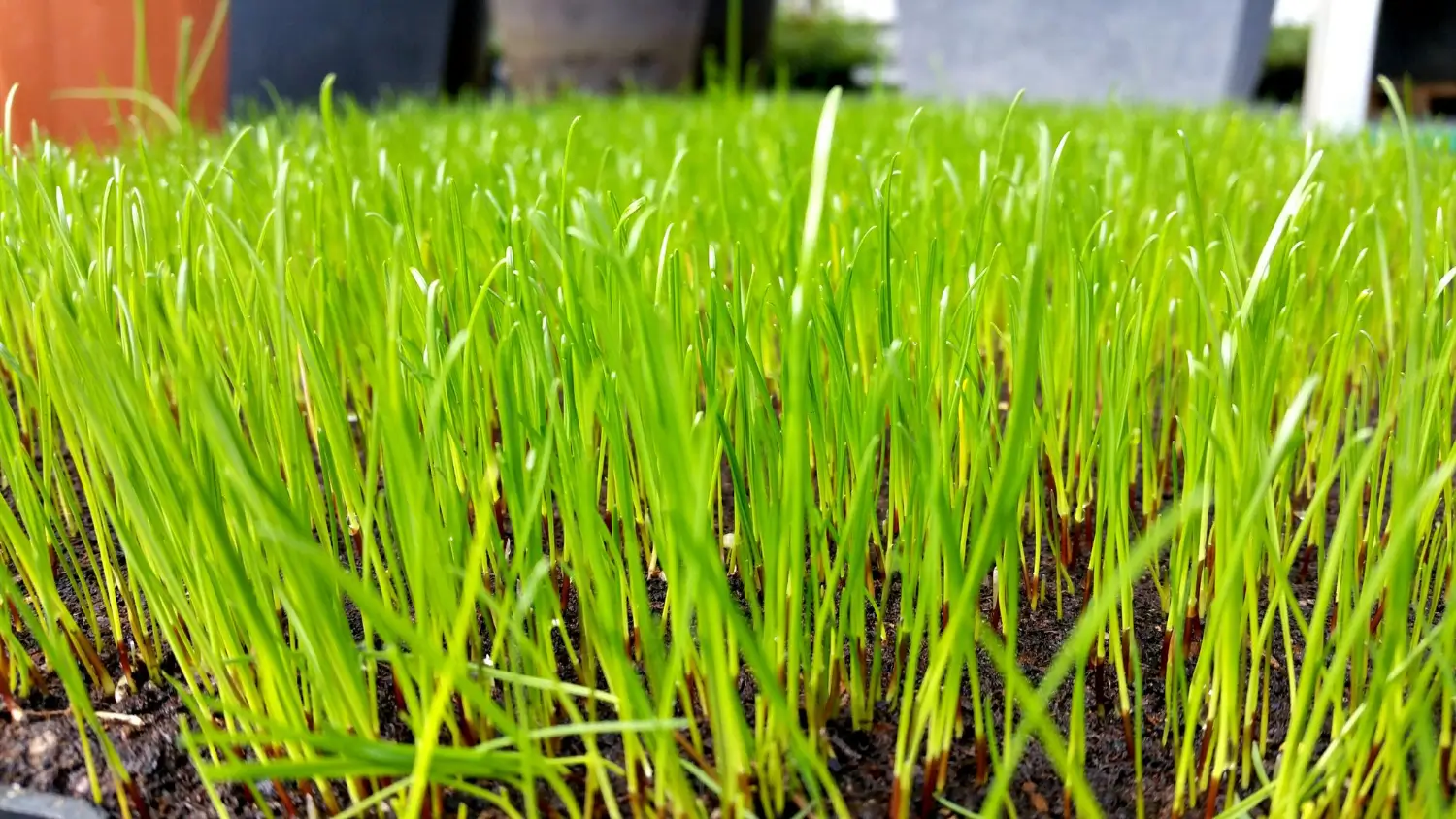
- Cover and Water: Lightly cover with soil or compost, then keep moist until seeds sprout (usually 7–10 days).
Non-obvious insight: Bermuda seed is very fine. Mixing it with sand helps spread it evenly and prevents clumping.
Credit: growcycle.com
Controlling Weeds For Thicker Growth
Weeds compete for water and nutrients, making Bermuda grass thin and weak.
- Apply Pre-Emergent Herbicide: Use in early spring before weeds sprout. Look for products safe for Bermuda grass.
- Hand-Pull or Spot Treat: For small patches, pull weeds by hand or use a post-emergent herbicide.
- Thicken Grass to Outcompete Weeds: The best defense is a dense lawn. Healthy Bermuda crowds out most weeds naturally.
Dealing With Thatch
Thatch is a layer of dead grass between the soil and the green leaves. Too much thatch stops water and fertilizer from reaching roots.
- Check Thatch Depth: Use a shovel to remove a slice of lawn. If thatch is more than 1/2 inch thick, it’s time to dethatch.
- Dethatch in Late Spring: Use a dethatching rake or machine when Bermuda is actively growing.
- Aerate After Dethatching: This helps the lawn recover faster.
Addressing Shade Problems
Bermuda grass needs at least 6–8 hours of sun per day. In shady areas, it becomes thin and patchy.
- Trim Trees and Shrubs: Increase sunlight by raising tree canopies or thinning bushes.
- Use Mulch or Groundcover: For very shady spots, consider a shade-tolerant groundcover instead of forcing Bermuda to grow.
Pest And Disease Management
Pests like grubs, armyworms, or fungal diseases can thin Bermuda grass quickly.
- Inspect Regularly: Look for brown spots, chewed blades, or insects under the soil.
- Treat as Needed: Use targeted insecticides or fungicides only when you see signs of trouble. Overuse harms beneficial insects and can weaken your lawn.
- Promote Good Lawn Health: A thick, healthy lawn resists pests and disease better than a stressed one.
Topdressing For Level And Thicker Lawns
Topdressing means adding a thin layer of sand, soil, or compost to your lawn.
- Benefits: Levels bumpy lawns, adds organic matter, and encourages new growth.
- How to Apply: After aerating or dethatching, spread 1/4 inch of compost or sand evenly. Water well to help it settle.
Expert tip: Use washed sand, not builder’s sand, to avoid compacting your soil.
Common Mistakes To Avoid
Even experienced lawn owners make mistakes that thin Bermuda grass:
- Mowing too short or with dull blades.
- Overwatering or watering at night.
- Over-fertilizing, especially in summer heat.
- Ignoring soil pH and compaction.
- Neglecting weed control in early spring.
- Using the wrong seed variety for overseeding.
- Skipping aeration for several years.
Understanding these common pitfalls can save you time, money, and frustration.
Year-round Bermuda Grass Care Calendar
To keep your Bermuda grass thick and green, follow a yearly routine.
| Season | Key Tasks |
|---|---|
| Spring | Soil test, aerate, fertilize, pre-emergent herbicide, overseed thin spots |
| Summer | Mow regularly, deep watering, fertilize, monitor for pests and disease |
| Fall | Last fertilizer, dethatch if needed, reduce mowing as growth slows |
| Winter | Rake leaves, minimize traffic, avoid fertilizing |
Practical Tips For Faster Results
- Don’t expect overnight change. Thicker Bermuda grass can take a full growing season to develop.
- Stay consistent. Skipping steps (like aeration or fertilizing) slows progress.
- Use proper equipment. Borrow or rent an aerator or dethatcher if you don’t own one.
- Track your results. Take photos monthly to see progress and adjust your routine.
When To Call A Professional
If your Bermuda lawn is still thin after following all these steps, consider hiring a lawn care expert. Problems like soil compaction, severe disease, or poor drainage might need special treatment. Sometimes, a professional soil analysis or treatment plan can make a big difference.
For more in-depth information, you can check the Wikipedia page on Bermuda Grass.
Frequently Asked Questions
How Long Does It Take To Make Bermuda Grass Thicker?
It usually takes one full growing season (spring through summer) to see a big improvement. Consistent care and following all steps in this guide will speed up results.
Can I Make Bermuda Grass Thicker Without Overseeding?
Yes. Proper mowing, watering, fertilizing, and aerating will help existing Bermuda grass spread and fill bare spots. Overseeding is mainly for very thin or bare areas.
What Is The Best Time To Fertilize Bermuda Grass?
Start fertilizing when grass turns green in spring, then every 4–6 weeks until late summer. Avoid fertilizing in early spring or fall.
Will Sand Help My Bermuda Grass Grow Thicker?
A thin layer of washed sand can help level your lawn and improve drainage. Too much sand or the wrong type can harm your grass, so apply carefully.
Why Does My Bermuda Grass Look Thin In Shady Areas?
Bermuda grass needs at least 6–8 hours of sunlight daily. In shade, it grows slowly and becomes thin. Prune trees and consider groundcovers in very shady spots.
A thick, green Bermuda lawn is possible with the right plan and patience. By understanding how Bermuda grass grows and using the best practices, you’ll enjoy a healthier, more beautiful yard for years to come.

Credit: www.saltoslandscapingllc.com