
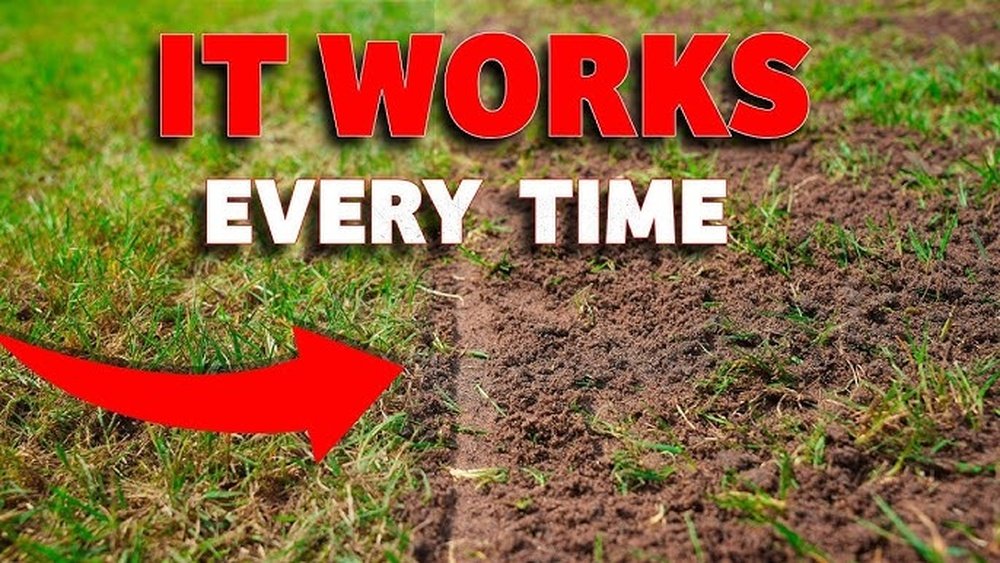
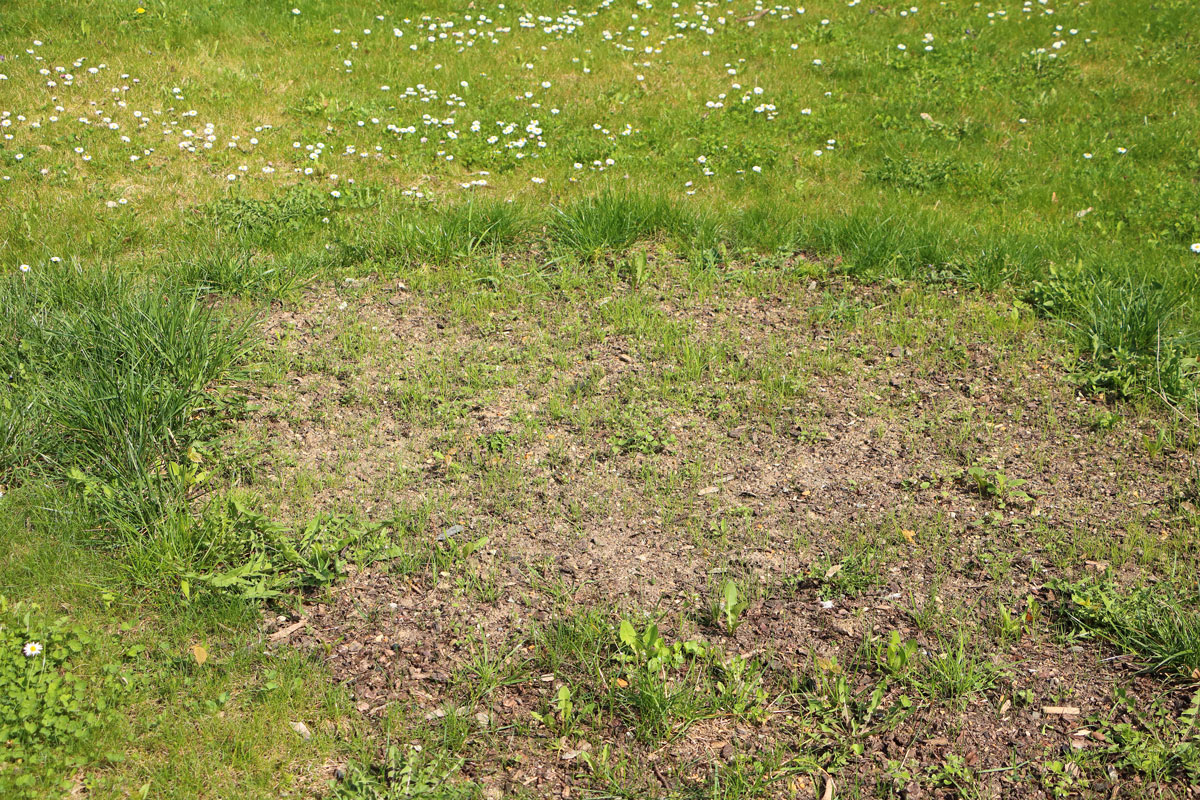
A lush, green lawn can transform any yard, but bare spots can make it look patchy and neglected. These thin or bald patches often appear after heavy foot traffic, pest problems, or harsh weather. The good news is, you can restore your lawn’s beauty with the right steps, some patience, and a bit of effort.
This guide will show you how to fix a bare lawn step by step. Whether you’re a beginner or have tried before, you’ll find practical advice, common mistakes to avoid, and tips for success.
Understanding Why Lawns Develop Bare Spots
Before you grab grass seed or fertilizer, it’s important to know why your lawn has bare areas. Bare spots are often a sign of a problem below the surface. Here are some common causes:
- Poor soil quality (compaction, lack of nutrients)
- Heavy foot traffic (kids, pets, pathways)
- Shade issues (grass not suited for low light)
- Pests or diseases (grubs, fungi)
- Pet urine (especially from dogs)
- Drought or overwatering
Noticing these reasons helps you fix the root cause, not just the symptom. For example, reseeding a spot where your dog always pees won’t help unless you also change the habit.
Step 1: Assess The Lawn And Identify Problems
Walk around your yard and look closely at the bare spots. Are they in shady areas? Near a walkway? Is the soil hard or crumbly? Try these checks:
- Push a screwdriver into the soil. If it’s tough, the soil is likely compacted.
- Look for white web-like growth (fungus) or bugs under the soil (grubs).
- Notice if water pools or runs off too quickly.
Write down what you find. This will help you choose the right fix. Many beginners skip this step, but it saves time and money later.
Credit: www.yourgreenpal.com
Step 2: Gather The Right Tools And Materials
To repair your bare lawn, you’ll need the following:
- Grass seed (choose a type suitable for your region and sunlight)
- Topsoil or compost (improves seed germination)
- Rake (for leveling and seed coverage)
- Garden fork or aerator (for loosening soil)
- Watering can or hose (gentle spray is best)
- Fertilizer (optional, but helps new grass grow)
- Straw or mulch (protects seeds from birds and drying out)
It’s tempting to skip mulch or topsoil, but these steps make a huge difference. A thin layer of straw, for instance, keeps the seed moist and hidden from birds.
Step 3: Prepare The Bare Spots
Good preparation is vital for new grass to grow well. Here’s what to do:
- Remove dead grass, weeds, and debris from the bare spot. Use a rake to clear the area down to the soil.
- Loosen the soil with a garden fork or hand tool. Go at least 2-3 inches deep. This helps roots grow.
- Mix in topsoil or compost if your soil is hard or sandy. This improves moisture and nutrients.
- Level the area so it’s even with the rest of your lawn. Uneven spots can hold water or dry out too fast.
A common mistake is throwing seed onto unprepared ground. Most of those seeds won’t take root.
Step 4: Choose The Right Grass Seed
Not all grass is the same. The type of seed you pick matters for success. Consider:
- Sun or shade: Some grass loves sun (like Bermuda), others do well in shade (like fescue).
- Climate: Warm-season grasses (Bermuda, Zoysia) thrive in hot areas, while cool-season grasses (Kentucky bluegrass, ryegrass) handle cold better.
- Traffic: Lawns with kids or pets need stronger varieties.
Here’s a simple comparison to help you pick:
| Grass Type | Best For | Sun Needs | Climate |
|---|---|---|---|
| Kentucky Bluegrass | Cool climates | Full sun to part shade | North US, Europe |
| Bermuda | High traffic | Full sun | South US, tropics |
| Fescue | Shady spots | Shade to sun | Many regions |
| Zoysia | Drought resistance | Sun to part shade | Warm climates |
If you’re unsure, ask your local garden center for advice. They can recommend seed blends that work best in your area.
Step 5: Seed The Bare Spots
Now it’s time to plant. Follow these steps:
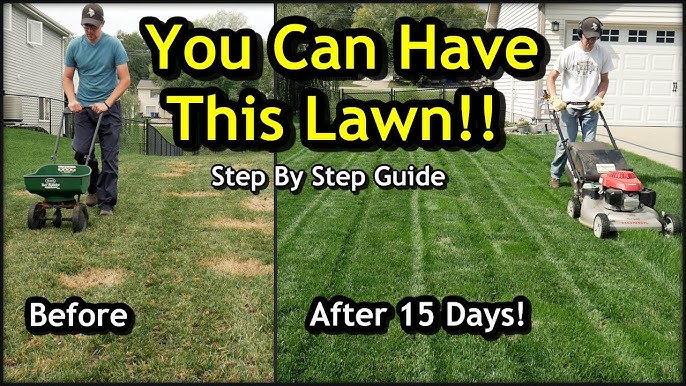
- Spread seed evenly over the prepared soil. Don’t use too much—overseeding leads to weak, crowded grass.
- Lightly rake the area to mix the seed about ¼ inch into the soil. Seeds need contact with soil to sprout.
- Cover with a thin layer (about ⅛ inch) of topsoil, compost, or straw. This locks in moisture and protects the seed.
Many people make the mistake of leaving seeds exposed. Birds eat them quickly, and sun dries them out.
Credit: www.youtube.com
Step 6: Watering For Success
Proper watering is the most crucial part of fixing bare lawn spots. Seeds need to stay moist, but not soaked. Here’s what to do:
- Water gently right after seeding. A fine spray or light mist works best.
- Keep the soil moist for 2-3 weeks. Water once or twice daily, depending on weather.
- Reduce frequency once grass is 1-2 inches tall, but water more deeply.
Be careful not to wash the seeds away with a strong stream. Too much water can also lead to fungus.
Step 7: Fertilize New Grass (optional But Helpful)
Fertilizer gives your new grass a boost. Use a starter fertilizer high in phosphorus, which helps roots. Apply according to package directions—too much can burn the young grass. Wait until your new grass is about 1 inch tall before the first feeding.
Step 8: Protect And Maintain
Your work isn’t done after seeding. Protect the new grass while it’s growing:
- Keep pets and people off the area for 2-4 weeks.
- Watch for weeds and pull them by hand.
- Mow carefully once grass reaches about 3 inches. Use sharp blades and don’t cut more than ⅓ of the height.
If you mow too early, you can pull out new roots. If you wait too long, grass can get weak and floppy.
Step 9: Prevent Future Bare Spots
Once your bare patches are green and thick, take steps to keep them that way:
- Aerate compacted soil in spring or fall to improve air and water flow.
- Overseed thin lawns every 1-2 years.
- Adjust watering to avoid both drought and soggy spots.
- Move play areas or paths if possible to reduce wear.
- Test soil every few years and add nutrients if needed.
Here’s a quick look at the main causes of bare spots and how to prevent them:
| Cause | Prevention |
|---|---|
| Compacted soil | Aerate yearly |
| Poor sunlight | Plant shade-tolerant grass |
| Pests/disease | Watch for signs, treat early |
| Heavy traffic | Use stepping stones or rotate play areas |
Common Mistakes Beginners Should Avoid
Many people try to fix their lawns but don’t see results. Here are some mistakes to avoid:
- Skipping soil prep—seeds need loose, nutrient-rich soil.
- Using the wrong seed—sun vs. shade or wrong climate type.
- Overseeding or underseeding—both lead to weak grass.
- Watering too much or too little—seeds dry out or wash away.
- Mowing too soon—new roots can be damaged.
- Ignoring the real cause—fix the underlying problem, not just the symptom.
Practical Tips For A Perfect Lawn
- Patch small spots quickly before they grow larger.
- Mix seed with compost for better germination.
- Keep a lawn diary—note what works and when you seeded.
- Test your soil with a kit from your garden center.
- Ask neighbors what grass works for them.
A healthy lawn is not only about looks. It cools your yard, reduces dust, and even improves property value. If you want more technical details, you can read guidelines from the Turfgrass Producers International.
Credit: premierlawns.co.uk
Frequently Asked Questions
How Long Does It Take For Bare Spots To Fill In?
With proper care, new grass usually sprouts in 7–21 days. Full coverage can take 4–8 weeks, depending on grass type and weather.
Is It Better To Seed In Spring Or Fall?
Fall is often best for cool-season grasses because temperatures are mild and weeds are less aggressive. For warm-season grasses, late spring to early summer works well.
Can I Use Lawn Patch Products Instead Of Following These Steps?
Lawn patch mixes (seed + mulch + fertilizer) work for small areas, but good soil prep is still key. For large or persistent bare spots, follow the full process for best results.
Why Do Birds Eat My Grass Seed?
Exposed seed is easy for birds to spot. Cover seed with a light layer of straw or compost to protect it and keep it moist.
What If The Bare Spots Keep Coming Back?
Persistent bare spots often mean ongoing problems (compacted soil, shade, pests, or pet urine). Fix the root cause and try a shade-tolerant or more resilient grass variety.
Bringing a bare lawn back to life is satisfying and easier than you might think. By following these steps, you’ll enjoy a thick, green yard for seasons to come. Every patch of green starts with a single seed—and a bit of care.