
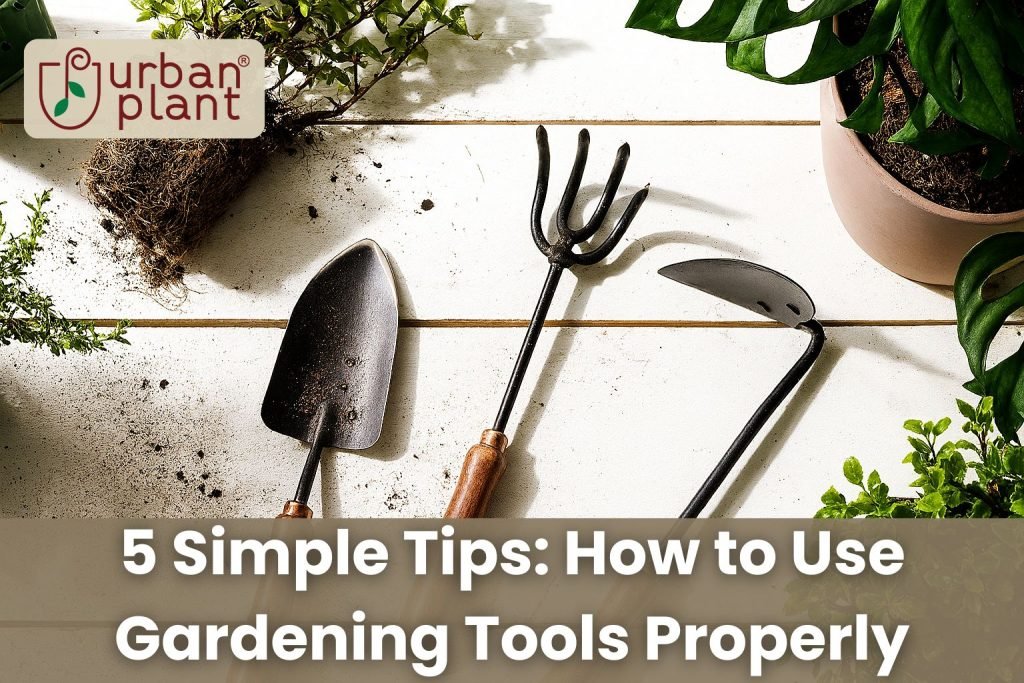
To use a garden hoe correctly, position, angle, and technique are essential for efficient gardening. A garden hoe is a versatile tool, indispensable for maintaining a healthy and thriving garden. Mastering the proper use of a garden hoe can significantly enhance your gardening experience, transforming your landscape with precision and ease. Dive into this guide to unlock the potential of a garden hoe and cultivate your garden with confidence.
Understanding the Basics of a Garden Hoe
A garden hoe is a simple yet powerful tool that dates back centuries. Its primary use is for weeding, cultivating, and shaping the soil. Designed with a long handle and a flat blade, the hoe simplifies soil management, ensuring your plants receive optimal growing conditions.
Components of a Garden Hoe
- Handle: Typically made of wood, fiberglass, or metal, providing leverage and control.
- Blade: Available in various shapes like flat, pointed, or stirrup, each serving specific purposes.
- Socket: Connects the blade to the handle and ensures durability.
Types of Garden Hoes
- Draw Hoe: Ideal for shaping soil and pulling it towards you.
- Stirrup Hoe: Known for its oscillating blade, perfect for cutting weeds just below the surface.
- Warren Hoe: A triangular blade used for precision tasks like trenching.
How to Use a Garden Hoe Correctly
Using a garden hoe effectively requires attention to technique and stance. Here’s how to make the most out of your hoe:
Positioning and Posture
- Stand with your feet shoulder-width apart for balance.
- Position the hoe at a comfortable angle to minimize strain on your back.
Operating Technique
- Grip: Hold the hoe handle firmly with both hands, keeping your dominant hand near the top.
- Angle: Maintain a shallow angle with the soil for effective weed removal or soil shaping.
- Motion: Use smooth, rhythmic strokes pulling the hoe towards you for maximum efficiency.
Common Mistakes to Avoid
- Over-Bending: Maintain proper posture to prevent back injury.
- Bent Angle: Avoid tipping the hoe too steeply into the soil, which can hinder its effectiveness.
Personal Experience
In my years of gardening, I discovered that small adjustments in angle and pressure can make a significant difference in the hoe’s efficiency. My go-to method involves rhythmic strokes, focusing on consistency to tackle even the toughest weeds.
Benefits of Using a Garden Hoe
- Efficiency: Saves time by managing larger areas quickly.
- Versatility: Suitable for multiple tasks like weeding, cultivating, and soil aeration.
- Precision: Enables targeted removal of weeds without disturbing nearby plants.
When Not to Use a Garden Hoe
- Wet Soil Conditions: Using a hoe in wet soil can lead to compaction.
- Fragile Seedlings: Young plants can be disturbed by aggressive hoeing.
FAQs on How to Use a Garden Hoe Correctly Guide
What is the best type of hoe for weeding?
A stirrup hoe is best for weeding due to its ability to cut weeds at or just below soil level with minimal disturbance.
How do I maintain a garden hoe?
Regularly clean the blade, oil metal parts to prevent rust, and check the handle for any cracks.
Can a garden hoe be used on all soil types?
Yes, but adjust the pressure based on soil texture to avoid compaction, especially in clay-heavy soils.
How often should I hoe in my garden?
Hoe once a week, or whenever weeds begin to sprout, to maintain optimal soil conditions.
Is a garden hoe suitable for aerating soil?
Yes, a hoe can aerate soil, especially the draw hoe, which opens and loosens compacted areas effectively.
Conclusion
Mastering the art of using a garden hoe can turn challenging gardening tasks into effortless activities. With the right technique, you can protect your plants, remove weeds efficiently, and cultivate a lush garden landscape. Embark on your gardening journey today, leveraging the simple yet impactful power of a garden hoe. Share your experiences, subscribe for more tips, and express your thoughts in the comments below to enrich our gardening community.