
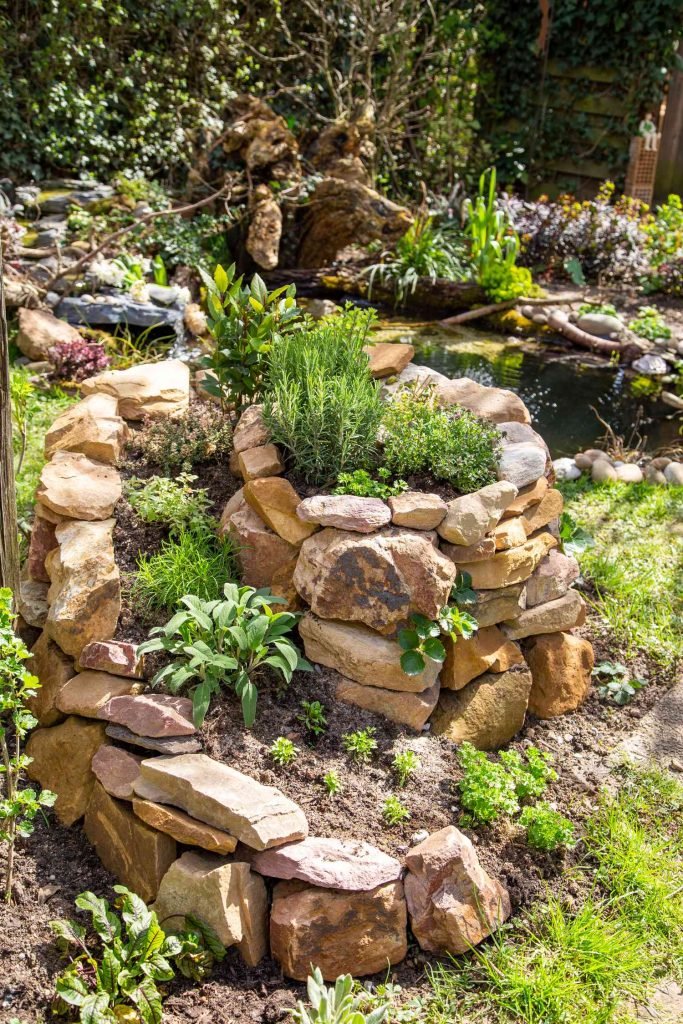
Creating a raised herb spiral garden involves stacking soil and stones in a spiral to maximize growing space. This method is both a practical and artistic way to cultivate herbs, offering a space-efficient solution for any gardener. An herb spiral not only enhances your garden's aesthetics but also creates various microclimates suitable for different herbs. Dive into this detailed guide to learn everything you need to know about building your own raised herb spiral garden, from planning to planting, and transform your outdoor space into a thriving herb haven.
Benefits of a Raised Herb Spiral Garden
A raised herb spiral garden is not just a visual treat but is also highly functional. It maximizes vertical space, which is perfect for small gardens. The spiral shape allows for diverse planting environments, catering to different herb needs. You can grow sun-loving herbs at the top and moisture-loving ones at the base. This efficient design also reduces water usage, making it an eco-friendly choice.
Materials Needed for Building a Raised Herb Spiral
To get started on your raised herb spiral garden, gather the following materials:
- Stones or Bricks: Essential for the spiral structure.
- Soil: A mix of compost and garden soil.
- Sand and Gravel: For base drainage.
- Herbs: Varieties of your choice, like basil, rosemary, thyme, and mint.
- Optional Additions: Mulch and decorations for aesthetics.
Step-by-Step Guide to Building Your Herb Spiral
Planning and Design
- Choose a Location: Pick a sunny spot in your garden for maximum herb growth.
- Determine the Size: Decide the diameter and height of your spiral, typically around 6 feet wide and 3 feet tall.
Constructing the Base
- Create a Foundation: Lay a layer of sand and gravel to ensure proper drainage.
- Build the Spiral Frame: Start stacking stones or bricks in a spiral shape, gradually increasing the height towards the center.
Filling and Planting
- Add Soil: Fill the spiral with your soil mixture. Ensure it's higher in the center for water runoff.
- Plant the Herbs: Start from the top with sun-loving herbs and work your way down with those preferring more shade and moisture.
- Water and Mulch: Lightly water and add mulch to retain moisture.
Maintenance Tips for a Healthy Herb Spiral
- Regular Watering: Keep soil moist but not overly wet.
- Pruning: Regularly trim herbs to encourage growth.
- Weed Control: Inspect and remove weeds promptly to prevent competition.
Frequently Asked Questions of how to create a raised herb spiral garden
What is the ideal location for an herb spiral?
A sunny spot is ideal as most herbs thrive in sunlight. Ensure good drainage and accessibility.
How much space does a raised herb spiral require?
Typically, a spiral is about 6 feet in diameter, but it can vary based on your space constraints.
Can I use any stone for the spiral?
Yes, use locally available stones or bricks. Ensure they are durable and stable.
What herbs grow best in an herb spiral?
Basil, rosemary, thyme, and mint are popular choices. Plant sun-loving at the top and moisture-loving at the base.
How do I maintain soil quality in my herb spiral?
Incorporate compost annually and rotate herbs to maintain soil fertility and health.
Conclusion
Creating a raised herb spiral garden is an excellent way to optimize space and enjoy fresh herbs year-round. Not only does it make gardening accessible and sustainable, but it also adds a unique decorative element to any outdoor area. Embrace this holistic gardening approach and start your own herb spiral today. Discover more gardening tips and tricks by subscribing to our newsletter or leaving a comment with your questions or experiences!