
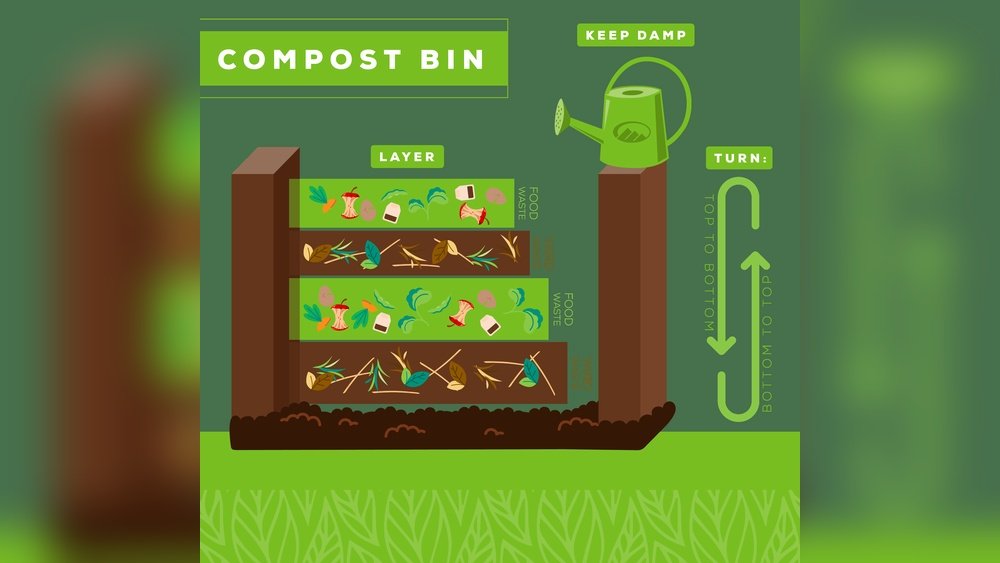
Are you ready to transform your kitchen scraps and yard waste into rich, nutrient-packed compost? Knowing how to layer compost correctly is the key to speeding up decomposition and avoiding common pitfalls like bad odors or pests.
In this guide, you’ll discover the simple steps to balance your “greens” and “browns,” maintain the right moisture, and keep your compost pile healthy and active. Whether you’re a gardening newbie or looking to improve your composting skills, mastering layering will make your composting journey easier and more successful.
Keep reading to learn exactly how to build your compost pile the right way and watch your garden thrive!

Credit: www.marioncountymastergardeners.com
Compost Layer Basics
Understanding the basics of compost layering sets the foundation for rich, healthy compost. Proper layering helps materials break down faster and reduces odors. It also keeps pests away and creates a balanced environment for microbes.
Good compost needs a mix of different materials arranged in layers. These layers supply the right nutrients and air flow. Knowing the right thickness for each layer and what to place first is key.
Greens And Browns
Compost layers alternate between green and brown materials. Greens are rich in nitrogen and include items like vegetable scraps, fresh grass clippings, and coffee grounds. Browns add carbon and come from dry leaves, straw, and cardboard.
Balancing greens and browns is crucial. Too many greens make the pile wet and smelly. Too many browns slow down decomposition. Aim for about two to three parts browns to one part greens.
Layer Thickness
Layer thickness affects airflow and moisture. Thin layers dry out quickly, while thick layers can become compacted. Aim for layers about two to four inches thick. This helps maintain good moisture and air circulation.
Keep layers even and avoid clumps. Mixing coarse materials with finer ones improves structure. Proper thickness boosts microbial activity and speeds up composting.
First Layer Choices
The first layer acts as a base for your compost pile. Use coarse, dry materials like small branches, straw, or wood chips. This layer allows air to flow from the bottom and prevents water from pooling.
A good base layer supports the entire pile and stops it from becoming soggy. It also helps worms and microbes move easily through the compost.
Materials To Use
Choosing the right materials is key to layering compost correctly. Different materials break down at different speeds. Some provide nitrogen, others carbon. Combining them well speeds up decomposition. It also prevents bad smells and pests. Knowing which materials to use helps you build a healthy compost pile.
Approved Greens
Greens are rich in nitrogen and moisture. They feed microbes that break down compost. Use kitchen scraps like fruit and vegetable peels. Fresh grass clippings and green leaves also work well. Coffee grounds and tea bags add great nutrients. Avoid oily or cooked foods to keep pests away. Fresh manure from herbivores can boost compost too.
Safe Browns
Browns provide carbon and absorb excess moisture. Dry leaves, straw, and wood chips are perfect browns. Shredded paper and cardboard also help balance compost. Sawdust is useful but use it in small amounts. Pine needles can be added but in moderation. Browns keep the pile airy and prevent it from smelling bad.
Items To Avoid
Some materials harm compost or attract pests. Avoid meat, dairy, and oily foods. These can cause bad odors and pests. Diseased plants and weeds with seeds can spread problems. Pet waste carries harmful bacteria and should be left out. Plastics, glass, and metals do not break down. Also skip treated wood and synthetic materials.
Common Composting Errors
Many beginners face common composting errors that slow down the process. These mistakes often result from incorrect layering and poor pile management. Recognizing these errors helps create rich, healthy compost faster. Avoiding them leads to better soil and less waste.
Wrong Material Ratios
Compost needs a balance of green and brown materials. Greens are nitrogen-rich items like food scraps and fresh grass. Browns are carbon-rich, such as dry leaves and straw. Too many greens make the pile wet and smelly. Too many browns slow decomposition. Aim for about two parts browns to one part greens for best results.
Moisture Mistakes
Compost should be damp like a wrung-out sponge. Too much water causes bad smells and slows breakdown. Too little moisture stops microbes from working. Check the pile often and add water or dry material as needed. Proper moisture keeps the compost healthy and active.
Poor Aeration
Air is vital for compost microbes to thrive. A compacted pile lacks oxygen and smells bad. Turning the pile every few weeks adds air and speeds up decomposition. Use tools or pitchforks to mix the layers well. Good aeration keeps compost fresh and fast.
Adding Non-compostables
Some items should never go into compost. Meat, dairy, oils, and pet waste attract pests and cause odors. Plastics, glass, and treated wood do not break down and contaminate compost. Only add approved yard waste and food scraps. This keeps compost safe and useful for gardens.
Step-by-step Layering Process
Creating compost requires careful layering to ensure materials break down efficiently. The step-by-step layering process helps balance moisture, air, and nutrients. This method speeds up decomposition and reduces odors. Follow these simple steps to build your compost pile correctly.
Preparing The Base
Start with a dry layer of coarse materials. Use twigs, straw, or small branches. This layer improves airflow and drainage. A good base prevents the pile from becoming soggy. Spread about 4 to 6 inches thick layer on the ground.
Alternating Layers
Next, add layers of greens and browns. Greens are wet, nitrogen-rich items like vegetable scraps and grass clippings. Browns are dry, carbon-rich materials such as dry leaves, paper, and cardboard. Alternate between thin layers of greens and thicker layers of browns. Each layer should be about 2 to 4 inches thick. This balance helps microbes work faster and controls moisture.
Final Layer Tips
End with a thick layer of browns to cover the pile. This layer reduces odors and keeps pests away. Lightly moisten the pile if it feels dry, but avoid soaking it. Turn the pile every few weeks to add oxygen. Proper layering and care produce rich, healthy compost faster.
Managing Moisture And Air
Proper moisture and air control are key for healthy compost. Moisture keeps microbes active. Air brings oxygen needed for decomposition. Too wet or dry slows the process. Too little air causes bad smells. Balancing moisture and air helps materials break down fast. It also prevents pests and odors. Follow these simple steps to manage your compost pile well.
Checking Moisture Levels
Check moisture by squeezing a handful of compost. It should feel like a damp sponge. Water should not drip out. If it is too dry, add water or green materials. If too wet, add dry browns like leaves or straw. Keep checking moisture regularly to keep your pile active.
Turning The Pile
Turning the compost mixes materials and adds air. Use a pitchfork or shovel. Turn the pile every one to two weeks. This speeds up decomposition. It also stops bad odors. Turn more often if the pile feels wet or smells bad. Less often if it is dry or cool.
Improving Aeration
Aeration stops the pile from becoming compacted. Avoid packing materials too tightly. Add bulky items like small branches or straw. They create air pockets for oxygen flow. Use a compost bin with holes or a wire cage. Good aeration helps microbes work better and makes compost faster.

Credit: extension.psu.edu
Speeding Up Decomposition
Speeding up decomposition is key to making compost faster and more efficient. The right balance of materials and conditions helps microbes break down waste quickly. Proper layering creates heat and airflow, which are essential for rapid composting.
Balancing Heat
Heat is the engine of decomposition. Greens provide nitrogen, fueling microbial activity that generates heat. Browns add carbon, which controls temperature and structure. Layer greens and browns evenly to keep the pile warm. Too much green makes it wet and smelly. Too much brown cools the pile down.
Size And Chop Materials
Smaller pieces break down faster. Chop or shred large leaves, branches, and food scraps. This increases the surface area for microbes to work on. Avoid adding whole fruits or large woody sticks. They slow the process and may cause delays.
Avoiding Common Delays
Keep the pile moist like a wrung-out sponge. Too dry stops microbes; too wet causes bad odors. Turn the pile regularly to add oxygen. Without air, decomposition slows and smells appear. Do not add meat, dairy, or oily foods. These attract pests and cause contamination.
Troubleshooting Compost Problems
Troubleshooting compost problems helps keep your pile healthy and productive. Composting can face issues like odors, pests, or slow breakdown. Knowing how to solve these problems keeps your compost on track and ready to use. Below are common issues and easy fixes to help you maintain your compost.
Fixing Odors
Bad smells usually mean your compost is too wet or lacks air. Add dry materials like leaves or straw to soak extra moisture. Turn the pile often to add oxygen and reduce smell. Avoid adding meat, dairy, or oily foods that cause strong odors.
Dealing With Pests
Pests come from food scraps like meat or cooked leftovers. Remove these to stop unwanted visitors. Cover fresh food scraps with a layer of brown materials to hide smells. Use a compost bin with a lid or mesh to keep animals out. Regular turning also helps keep pests away.
Recognizing Finished Compost
Finished compost looks dark, crumbly, and smells earthy. You won’t see food bits or leaves anymore. It feels cool to the touch and breaks apart easily. If your compost still looks wet or smells bad, it needs more time to break down. Patience is key for rich, usable compost.

Credit: www.thecompostculture.com
Frequently Asked Questions
How Should Compost Be Layered?
Start with coarse browns like twigs for aeration. Alternate thin layers of greens and browns. Keep layers moist but not wet. Avoid thick layers to ensure airflow. Turn the pile regularly to speed decomposition.
What Are Common Composting Mistakes?
Common composting mistakes include unbalanced greens and browns, incorrect moisture, poor aeration, adding meat or dairy, small piles, and impatience.
What Should The First Layer Of Compost Be?
Start compost with a layer of coarse, dry materials like twigs or straw. This improves airflow and drainage.
Can You Flip Compost Every Day?
You can flip compost every day, but it’s usually best to turn it every 3-7 days. Daily turning speeds decomposition but may cool the pile. Regular flipping provides oxygen, prevents odor, and helps balance moisture. Adjust frequency based on pile size, materials, and composting goals for best results.
Conclusion
Layering compost correctly helps create rich, healthy soil faster. Use equal parts of green and brown materials for balance. Keep the pile moist, like a damp sponge, but not soggy. Turn your compost regularly to add air and speed up breakdown.
Avoid adding meat, dairy, or oils to prevent pests and bad smells. Patience is key—let the compost mature before using it. Follow these simple steps, and your garden will thrive with nutrient-rich compost. Start layering today and watch your plants grow strong and healthy.