
Are you looking to give your lawn a fresh, healthy boost without the hassle of a full renovation? Applying top dressing might be exactly what your lawn needs.
This simple yet effective lawn care technique helps improve soil quality, encourages stronger grass growth, and smooths out uneven patches. But how do you apply top dressing the right way to get the best results? You’ll discover easy-to-follow tips that will make the process quick, efficient, and rewarding.
Keep reading, and you’ll soon have a lush, vibrant lawn that’s the envy of your neighborhood.
Credit: www.youtube.com
Benefits Of Top Dressing
Top dressing your lawn brings several benefits that improve its health and appearance. This simple process adds a thin layer of soil or compost over the grass. It helps fix many common lawn problems. Regular top dressing keeps your lawn strong and vibrant.
Improving Soil Quality
Top dressing adds organic matter that enriches the soil. It improves soil structure and helps retain moisture. Better soil means roots can grow deeper and stronger. It also increases beneficial microbes that help break down nutrients. Over time, this creates a healthier growing environment for your grass.
Enhancing Grass Growth
The added nutrients from top dressing support faster grass growth. It fills in bare spots and encourages new shoots. Grass becomes thicker and greener with better nutrient access. Top dressing also reduces thatch buildup, which can block water and nutrients. Healthier grass resists drought and pests better.
Smoothing Lawn Surface
Uneven lawns can cause water pooling and make mowing hard. Top dressing helps level out bumps and low spots. It creates a smooth, even surface that looks better and is easier to maintain. This improves drainage and prevents damage from foot traffic. A smooth lawn feels nicer to walk on and keeps its shape longer.

Credit: www.gardenersworld.com
Choosing The Right Materials
Choosing the right materials is key to successful top dressing. The material you select affects lawn health and growth. It improves soil structure, drainage, and nutrient availability. Using unsuitable materials can harm the grass and soil. Understanding different options helps you pick what fits your lawn’s needs best.
Types Of Top Dressing Mixes
Top dressing mixes vary by soil type and purpose. Common mixes include sandy soil, loam, and compost blends. Sandy mixes improve drainage and reduce compaction. Loam mixes balance sand, silt, and clay for better nutrient retention. Compost blends add organic matter and boost soil life. Choose a mix that matches your lawn’s current soil.
Selecting Soil For Your Lawn
Soil choice is vital for top dressing success. Use soil similar to your existing lawn soil to avoid layering problems. Test your soil to know its texture and pH. Avoid heavy clay or pure sand unless your lawn needs correction. Balanced soil helps roots grow deeper and stronger. Always source clean, weed-free soil to prevent issues.
Adding Organic Matter
Organic matter enriches soil and supports healthy grass. It includes compost, peat moss, and well-rotted manure. Organic matter improves moisture retention and nutrient supply. It also encourages beneficial microbes in the soil. Spread a thin layer of organic matter mixed with soil for best results. Too much can smother grass, so use sparingly.
Preparing Your Lawn
Preparing your lawn properly is essential before applying top dressing. This step ensures the soil and grass can absorb nutrients well. It also helps the top dressing layer blend smoothly with the existing lawn.
Taking time to prepare your lawn improves the final results. The lawn looks healthier and grows stronger after top dressing.
Mowing And Cleaning
Start by mowing your lawn short but not too close. This makes it easier to spread the top dressing evenly.
Remove leaves, sticks, and other debris from the grass. A clean lawn surface helps the material reach the soil better.
Repairing Damaged Areas
Check your lawn for bare or damaged spots. These areas need repair before top dressing.
Fill holes and patch thin grass with new soil or seed. Healthy grass absorbs nutrients faster and grows thicker.
Aerating The Soil
Aerate the soil to create small holes in the lawn. This allows air, water, and nutrients to reach the roots.
Use a garden fork or aerator tool to do this. Aeration improves soil drainage and helps the top dressing settle deeply.
Application Techniques
Applying top dressing correctly improves your lawn’s health and appearance. Using the right techniques ensures even coverage and helps soil settle well. This section covers effective ways to spread top dressing material on your lawn.
Using A Spreader
A spreader makes top dressing faster and more uniform. Choose a broadcast or drop spreader based on your lawn size. Fill the spreader with the top dressing mix. Walk slowly and steadily to cover the area evenly. Adjust the spreader setting to control material flow. This method reduces uneven patches and saves effort.
Manual Spreading With Tools
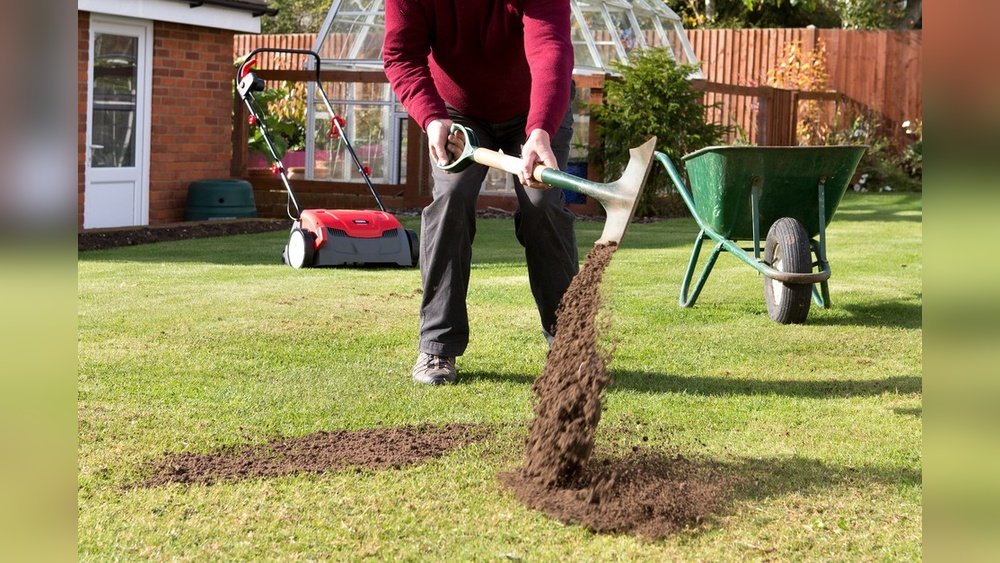
Manual spreading works well for small or hard-to-reach areas. Use a shovel to place small piles of top dressing on the lawn. Then use a rake to spread the material gently. Spread in thin layers to avoid smothering the grass. Work carefully around plants and edges. This method gives precise control over coverage.
Even Layer Application
Applying an even layer is key to successful top dressing. Aim for a thin, uniform layer about 1/4 to 1/2 inch thick. Avoid piling material in one spot. Overlapping passes help prevent gaps. Use a flat rake or lawn leveling tool to smooth the surface. An even layer helps soil mix into the grass for better growth.
Best Timing For Top Dressing
Choosing the best timing for top dressing your lawn is crucial. Applying top dressing at the right time helps improve soil quality and encourages healthy grass growth. Timing depends on your grass type and local climate. Proper timing avoids damage and ensures the lawn recovers quickly.
Seasonal Considerations
Spring and fall are usually the best seasons for top dressing. Grass grows actively during these times, helping it absorb nutrients. Avoid top dressing during extreme weather conditions. Heavy rain or drought can harm your lawn after application. Plan top dressing sessions during mild and stable weather.
Cool-season Vs Warm-season Grasses
Cool-season grasses grow best in spring and fall. Top dress during these seasons to support root growth and repair. Warm-season grasses thrive in late spring and summer. Apply top dressing before their peak growth in summer. Adjust timing based on your grass type for best results.
Avoiding Frost And Heat Stress
Do not top dress your lawn before frost. Frost can damage new grass shoots and slow recovery. Avoid top dressing during hot summer days. Heat stress can dry out the soil and harm grass roots. Choose cooler parts of the day for application to protect your lawn.
Watering And Aftercare
Watering and aftercare play a vital role after applying top dressing to your lawn. Proper care helps the soil settle and supports grass growth. Follow these steps to keep your lawn healthy and lush.
Watering To Settle Soil
Water the lawn gently but deeply right after top dressing. This moistens the soil and helps the new material settle evenly. Avoid heavy watering that can wash away the top dressing. Keep the soil damp for the next few days. This encourages the grass roots to grow into the fresh soil layer.
Fertilizing Post Application
Apply fertilizer about one week after top dressing. Choose a balanced fertilizer suitable for your grass type. Fertilizing boosts nutrient levels in the soil. It helps grass recover and grow strong after the top dressing process. Avoid fertilizing immediately to prevent burning the new soil layer.
Ongoing Lawn Maintenance
Keep mowing your lawn regularly but raise the mower height. This protects the new soil and allows grass to grow without stress. Remove any weeds promptly to reduce competition. Continue watering during dry spells to keep the lawn healthy. Regular care ensures the benefits of top dressing last longer.
Common Mistakes To Avoid
Applying top dressing to your lawn can improve its health and appearance. Avoiding common mistakes ensures better results and saves effort. Knowing what not to do helps maintain a lush, green lawn.
Applying Too Thick A Layer
Spreading a thick layer of top dressing can harm your grass. It may smother the lawn and block sunlight. Use a thin, even layer to allow grass to grow through. A good rule is to keep the layer under 1/4 inch.
Ignoring Soil Testing
Not testing your soil before top dressing is a common error. Soil tests reveal nutrient levels and pH balance. Without this information, you might add the wrong materials. Testing helps choose the right top dressing mix for your lawn.
Poor Timing
Applying top dressing at the wrong time reduces its benefits. Avoid doing it during extreme heat or cold. Early spring or fall is usually best for most lawns. Proper timing helps the soil and grass recover quickly.

Credit: golfcourselawn.store
Advanced Tips From Experts
Advanced lawn care involves smart techniques that improve results. Experts suggest combining top dressing with other lawn treatments. This approach saves time and boosts lawn health. Follow these expert tips to get the best from your top dressing efforts.
Combining Top Dressing With Overseeding
Top dressing works well with overseeding. Spread a thin layer of top dressing soil over your lawn. Then, scatter grass seed evenly on top. This helps seed stay moist and protected. It improves seed-to-soil contact for better germination. Water gently after spreading to settle the seed.
Using Top Dressing For Lawn Leveling
Uneven lawns benefit from top dressing for leveling. Apply top dressing soil to low spots. Use a rake to spread the material evenly. Over time, grass grows through the new soil. This fills dips and smooths the surface. Repeat as needed for best results.
Incorporating Compost And Amendments
Add compost or soil amendments to your top dressing mix. Compost improves soil structure and adds nutrients. Amendments like sand or clay adjust soil texture. Mix these materials well before applying. This enriches your lawn and encourages healthy growth.
Frequently Asked Questions
What Is The Easiest Way To Top Dress A Lawn?
Use a spreader to evenly apply top dressing soil over your lawn. Then, water it well to help it settle and promote growth.
Is October Too Late To Put Down Grass Seed?
October can be late for grass seed in cooler climates due to frost risk. In warmer areas, it’s still a good time to seed. Choose fast-germinating seeds, prepare soil well, water consistently, and use mulch to protect seeds and boost growth.
Can I Top Dress In The Fall?
Yes, you can top dress in fall. It improves soil, promotes root growth, and prepares lawns for winter dormancy.
How Short Should You Cut Grass Before Top Dressing?
Cut grass to about 1 to 1. 5 inches tall before top dressing. This helps the dressing settle evenly and promotes healthy growth.
Conclusion
Top dressing your lawn improves soil and grass health effectively. Spread the material evenly using a rake or spreader. Water the lawn well after applying the top dressing. This helps the soil settle and promotes grass growth. Regular top dressing keeps your lawn smooth and green.
Follow these simple tips for a healthy, vibrant lawn all year.