
If you want a lush, healthy lawn that stands out in your neighborhood, lawn topdressing might be the secret you’re missing. But what exactly is lawn topdressing, and how can you do it right to boost your grass’s growth and appearance?
This simple yet powerful lawn care technique can improve soil quality, reduce thatch buildup, and help your grass recover from damage. Keep reading, and you’ll discover easy steps to topdress your lawn like a pro—giving your outdoor space the fresh, vibrant look you’ve been dreaming of.
Lawn Topdressing Basics
Lawn topdressing is a simple lawn care method. It improves soil and grass health. This process involves spreading a thin layer of material over your lawn. Understanding the basics helps you do it correctly. You get a greener, thicker lawn with less effort.
Let’s explore what lawn topdressing is, its benefits, and common materials used. This knowledge will guide you to maintain a healthy lawn all year.
What Lawn Topdressing Is
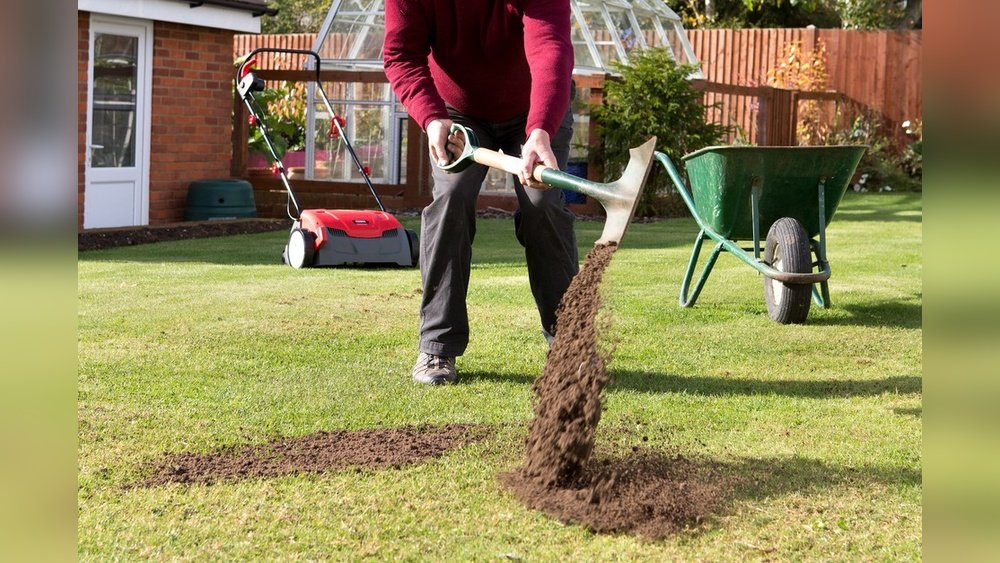
Lawn topdressing means applying a thin layer of soil or compost on grass. It fills small holes and smooths the lawn surface. This layer helps grass roots grow better. It also improves soil structure and drainage. Lawn topdressing is often done after aeration to boost soil health.
Benefits For Your Lawn
Topdressing encourages strong grass growth. It reduces lawn bumps and uneven spots. The added material improves soil nutrients and moisture retention. This helps grass survive drought and heat. It also reduces thatch build-up, preventing lawn diseases. Regular topdressing makes your lawn thicker and greener.
Common Materials Used
Many materials work for topdressing. Quality topsoil is the most common choice. It blends well with existing soil and supports grass roots. Compost adds nutrients and improves soil life. Sand is good for clay soils to improve drainage. Some gardeners use a mix of sand, soil, and compost. Choose materials that match your lawn’s soil type.

Credit: www.gardenersworld.com
When To Topdress Your Lawn
Knowing the right time to topdress your lawn helps improve its health and appearance. Timing affects how well the soil and grass recover. Choosing the correct season and recognizing signs your lawn needs it ensures successful topdressing. Avoiding common mistakes also protects your lawn from damage.
Best Seasons And Timing
Spring and early fall are the best seasons to topdress your lawn. The soil is warm, helping grass grow quickly. Avoid topdressing during extreme heat or cold. These conditions stress the lawn and slow recovery. Early morning or late afternoon is ideal for topdressing to reduce sun stress.
Signs Your Lawn Needs It
Thin or patchy grass shows your lawn needs topdressing. Soil compaction or hard soil surface also signals a need. Water pooling on the lawn means poor drainage that topdressing can fix. If grass roots look shallow, topdressing helps improve root depth and health.
Avoiding Common Mistakes
Do not apply a thick layer of topdressing at once. A thin layer spreads evenly and lets grass grow through. Avoid topdressing a wet lawn to prevent smothering the grass. Use the right type of soil or sand to match your lawn’s needs. Always water after topdressing to help the material settle.
Preparing For Topdressing
Preparing for lawn topdressing is an important step to ensure the best results. It involves selecting the right materials and making sure your lawn is ready for the process. Proper preparation helps the topdressing layer blend well with your existing grass and soil.
Taking the time to prepare will make the topdressing more effective and improve your lawn’s health.
Choosing The Right Soil Mix
Select a soil mix that matches your lawn’s current soil type. A sandy loam mix is often ideal because it drains well and supports grass growth. Avoid heavy clay or pure sand, as they can cause problems with water retention or compaction.
Look for a mix with good texture and nutrients. This ensures the topdressing layer improves soil quality and helps grass roots grow stronger.
Gathering Tools And Materials
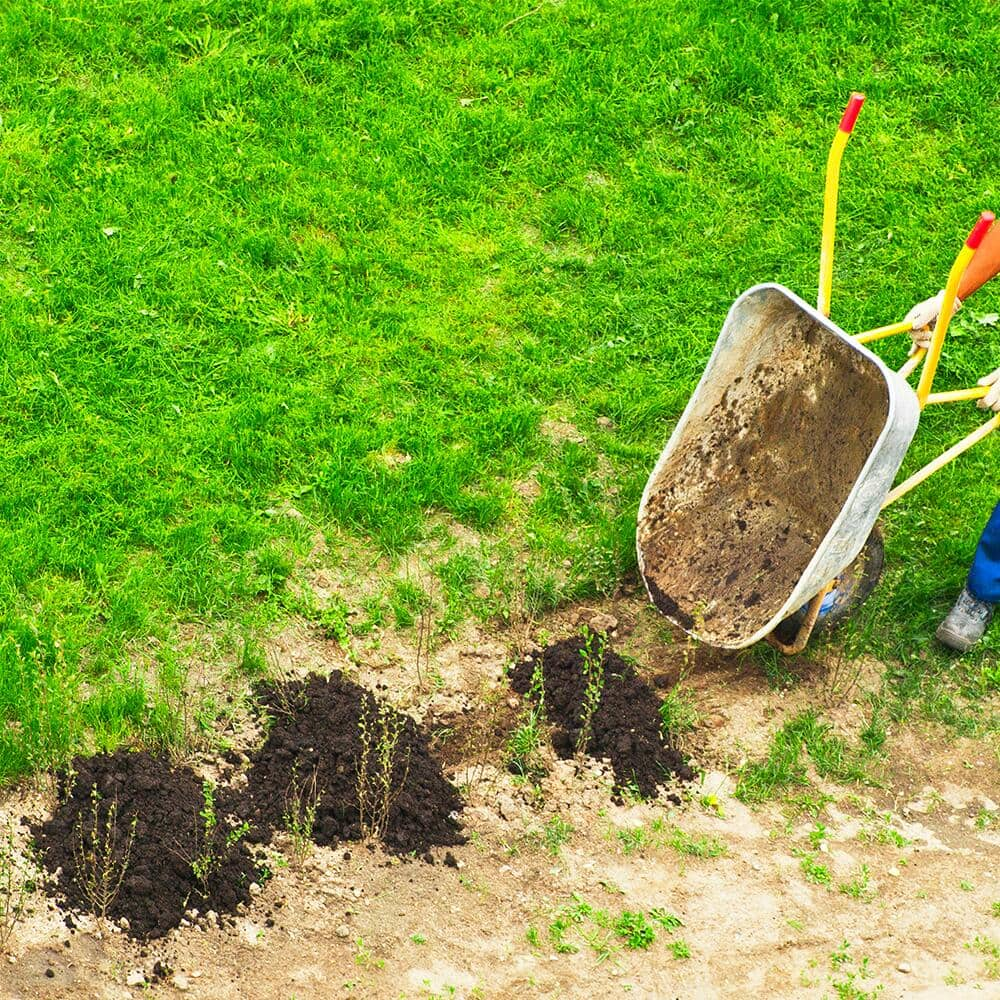
Collect all necessary tools before you start. You will need a wheelbarrow or bucket to carry soil, a shovel or spreader to apply it, and a rake to smooth the surface. A garden hose or sprinkler is important for watering after topdressing.
Having everything ready saves time and makes the process smoother. It also helps you work more efficiently without interruptions.
Lawn Maintenance Before Starting
Mow your lawn to a shorter height than usual, but avoid cutting it too low. This helps the topdressing material reach the soil easily. Remove any debris like leaves, sticks, or dead grass to create a clean surface.
Water your lawn a day before topdressing. Moist soil allows better integration of the new soil mix. Avoid overwatering, as muddy soil can make the process harder.
Credit: plantforsuccess.com
Topdressing Techniques
Topdressing is a simple way to improve your lawn’s health and appearance. Using the right techniques ensures even coverage and good results. This section explains how to spread materials effectively, the tools you can use, and how much to apply. These tips help your lawn grow strong and look its best.
Spreading Materials Evenly
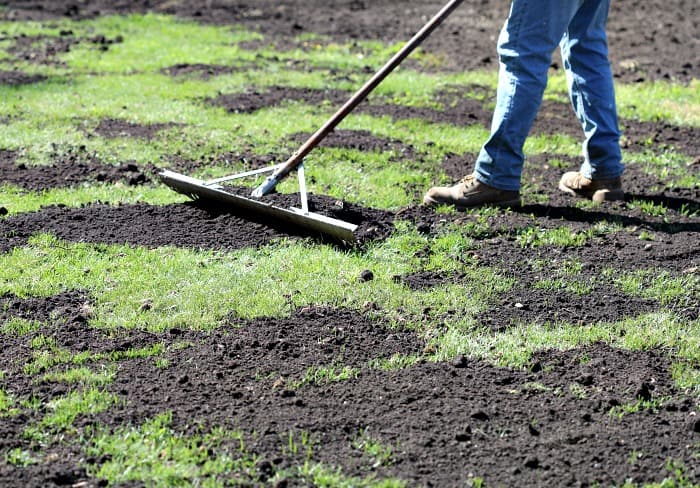
Spread topdressing materials in thin, even layers. Avoid thick piles that can smother grass. Use a rake or shovel to distribute the soil gently. Work in small sections to cover the entire lawn uniformly. This method helps the material settle well and encourages healthy growth.
Using A Spreader Vs. Manual Methods
A spreader offers fast, consistent distribution of topdressing materials. It works well for larger lawns and saves time. Manual methods like raking or shoveling suit small areas or touch-ups. These methods require more effort but allow more control. Choose the method that fits your lawn size and tools.
How Much Material To Apply
Apply a thin layer of topdressing, about ¼ to ½ inch thick. Too much material can block sunlight and air from reaching grass roots. A light layer is enough to improve soil and level the surface. Repeat the process every few months for best results. This keeps your lawn healthy without causing harm.
Aftercare Tips
After topdressing your lawn, proper care is essential to help the soil mix settle and support grass growth. These aftercare tips will guide you through watering, preventing damage, and encouraging a lush lawn. Following these steps ensures your lawn recovers well and stays healthy.
Watering Strategies
Water the lawn lightly right after topdressing to help the soil settle. Keep the topsoil moist but not soaked for the first two weeks. Water in the early morning or late evening to reduce evaporation. Avoid heavy watering, which can wash away the topdressing material. Gradually reduce watering as the grass starts to grow stronger.
Avoiding Lawn Smothering
Apply topdressing in thin layers to prevent smothering your grass. Thick layers block sunlight and air, harming grass roots. Use a rake to spread material evenly and avoid clumps. Do not cover grass blades completely. Keep the layer no thicker than a quarter inch to allow proper air flow.
Promoting Healthy Growth
After topdressing, mow the lawn carefully to avoid stress. Use a sharp blade and raise the mower height slightly. Avoid heavy foot traffic on the lawn for a few weeks. Add fertilizer to support grass growth once the soil settles. Aerate the lawn if needed to improve soil drainage and root health.
Credit: www.homedepot.com
Common Challenges
Topdressing your lawn brings many benefits. It improves soil quality and promotes healthy grass growth. Yet, some common challenges can affect the process. Understanding these issues helps you get the best results. Here are key problems many face during lawn topdressing.
Dealing With Nitrogen Loss
Topdressing can cause nitrogen to wash away. Nitrogen is vital for green, strong grass. Heavy rains after topdressing may leach nitrogen from the soil. This loss slows grass growth and weakens the lawn. To reduce nitrogen loss, apply fertilizer carefully. Use slow-release nitrogen products to feed the lawn longer. Water the lawn lightly after topdressing to help nutrients settle.
Preventing Soil Compaction
Soil compaction makes it hard for grass roots to grow. Topdressing adds weight that may compact the soil. Compacted soil limits air, water, and nutrients. It leads to weak, patchy grass. Avoid walking on the lawn right after topdressing. Use a light rake to spread soil without pressing it down hard. Aerate the lawn before topdressing to loosen the soil. This step improves air flow and root health.
Handling Uneven Surfaces
Uneven lawns make topdressing tricky. Soil and material may not spread evenly. This creates bumps or thin spots in the lawn. Start by mowing the grass short and removing debris. Use a lawn rake to level rough areas. Spread the topdressing material in thin, even layers. Multiple light layers work better than one thick layer. Water gently to help the soil settle smoothly.
Advanced Tips From Experts
Advanced lawn topdressing techniques help improve results and lawn health. Experts use specific methods to enhance soil quality and grass growth. These tips work well for home gardeners aiming for a lush, green lawn all year.
Using Urease Inhibitors
Urease inhibitors slow down nitrogen loss in the soil. They help keep fertilizer nutrients longer for the grass roots. Applying topdressing with these inhibitors increases fertilizer efficiency. This leads to greener grass and less fertilizer needed over time.
Combining Topdressing With Overseeding
Overseeding fills bare spots and thickens the lawn. Mixing it with topdressing spreads soil evenly and protects seeds. This method improves seed-to-soil contact for better germination. Experts advise using fine compost or sandy soil for best results.
Tailoring Topdressing To Lawn Types
Different grass types need different topdressing materials. For cool-season grasses, use a soil mix rich in organic matter. Warm-season grasses do well with sandy topdressing for better drainage. Adjust the depth of topdressing based on grass type to avoid smothering.
Frequently Asked Questions
What Is The Easiest Way To Top Dress A Lawn?
Use a spreader to evenly distribute topdressing material over the lawn. Then, water thoroughly to help it settle.
Is October Too Late To Put Down Grass Seed?
October can be too late for grass seed, especially in late or cold regions. Early October works if soil stays warm. Dormant seeding in late fall or winter is an option, letting seeds germinate in spring. Check local climate and soil temperature before planting.
What Are The Disadvantages Of Top Dressing?
Top dressing can cause uneven surfaces and smother grass if applied too thickly. It may also introduce weeds or pests. Frequent application increases lawn maintenance costs and effort. Poor timing can stress grass and reduce lawn health.
Is It Worth It To Top Dress Your Lawn?
Top dressing your lawn improves soil quality, promotes healthy growth, and smooths the surface. It’s worth the effort for a lush lawn.
Conclusion
Lawn topdressing improves soil and grass health over time. Spread a thin layer of quality soil evenly across your lawn. Water the area well to help the soil settle. This simple step reduces thatch and promotes stronger roots. Regular topdressing keeps your lawn smooth and green.
Try it during the growing season for best results. Small efforts lead to a healthier, more vibrant lawn. Start with easy tools like a shovel or rake. Watch your lawn improve with consistent care and attention.