
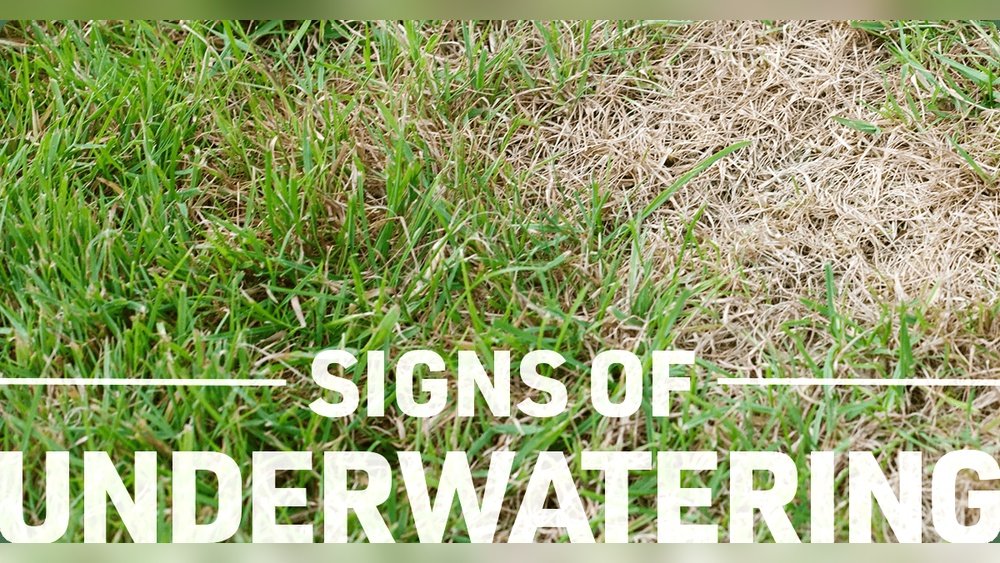
Is your lawn looking dull or patchy, even though you think you’re watering it enough? Knowing the signs of underwatering grass is key to keeping your lawn healthy and vibrant.
If you miss these subtle clues, your grass could suffer from stress, slow growth, or even die back. In this guide, you’ll discover clear, easy-to-spot signs that your grass isn’t getting enough water—and what you can do to fix it fast.
Keep reading to save your lawn and enjoy the lush green yard you deserve!
Credit: landzie.com
Grass Blade Changes
Grass blades show clear signs when underwatered. These changes help identify drought stress early. Watching the blades can save your lawn from lasting damage. Pay attention to their shape and color. Both give clues about the grass’s health and water needs.
Curling And Folding
Grass blades curl or fold to reduce water loss. The edges roll inward, shrinking the blade’s surface area. This helps the grass keep moisture longer. If you notice curling, the lawn needs water soon. Persistent curling weakens grass and slows growth. Act quickly to restore proper hydration.
Color Variations
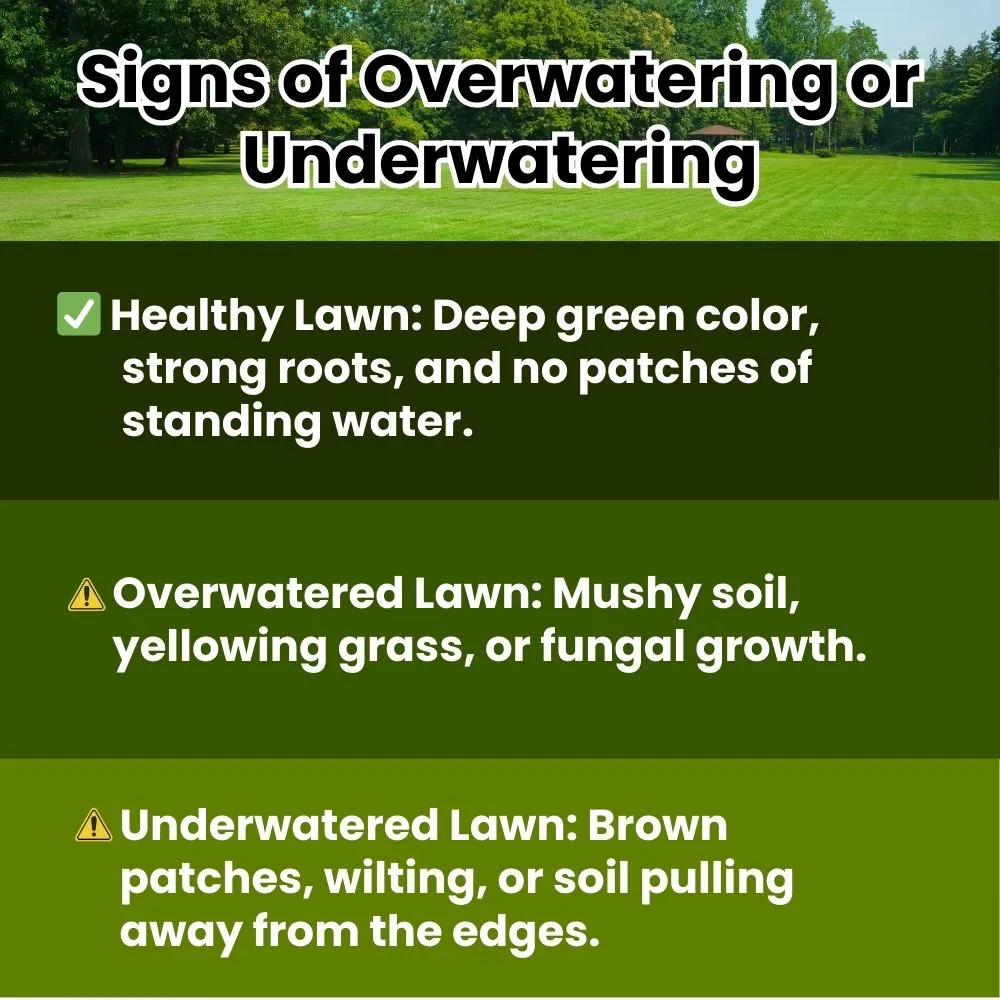
Healthy grass is green, but underwatering changes this. Blades turn dull green or yellowish first. Then, they may develop brown tips or patches. These color shifts show stress from lack of water. Spotting color changes early helps prevent dead spots. Water the lawn deeply to bring back green color.
Credit: www.getsunday.com
Soil Conditions
Soil conditions reveal much about the health of your grass. Observing soil closely helps spot underwatering early. The soil holds the roots and controls water supply. Changes in soil texture and appearance can signal trouble. Check soil regularly for signs of dryness or damage.
Dry And Cracked Soil
Dry soil feels hard and crumbly underfoot. It often cracks in patches during hot weather. Cracks show the soil lacks moisture and shrinks. Grass roots struggle to grow in hard soil. This condition stops water from reaching roots effectively. Dry, cracked soil needs immediate watering to revive grass health.
Soil Gaps Around Roots
Gaps appear between soil and grass roots when underwatered. These empty spaces mean soil has pulled away from roots. Roots lose contact with moisture and nutrients in soil. Grass looks weak and may wilt quickly. Soil gaps reduce root stability and slow grass growth. Fill gaps by watering deeply and evenly.
Growth Patterns
Growth patterns provide clear signs that grass is not receiving enough water. Grass reacts quickly to water shortages by changing how it grows and spreads. Observing these changes helps identify underwatering early. Healthy grass grows evenly and densely. Any disruptions in growth patterns signal stress and possible watering issues.
Slow Grass Growth
Underwatered grass grows much slower than usual. Lack of water limits nutrient uptake, stunting growth. The blades appear thinner and shorter. Grass may stop spreading and fail to fill bare areas. Slow growth weakens the lawn’s ability to recover from damage. Over time, the lawn looks tired and less vibrant.
Bare And Patchy Spots
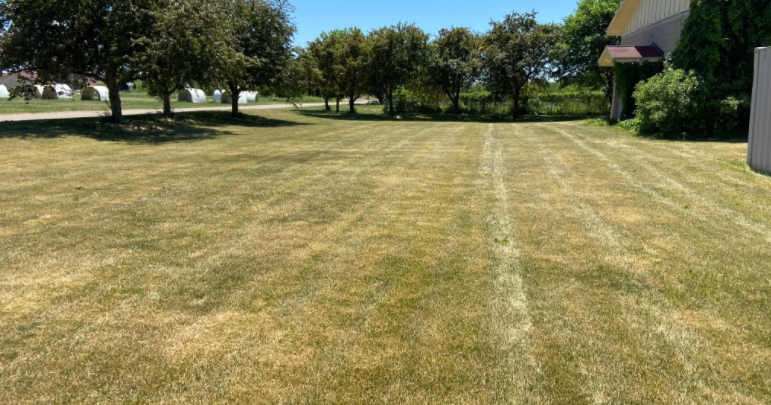
Dry soil causes grass roots to shrink and die. This creates bare or patchy spots across the lawn. These areas often feel hard and dry to the touch. Grass struggles to grow back in these spots without enough moisture. Bare patches invite weeds and pests, which worsen lawn health. Regular watering prevents these unsightly gaps.

Credit: www.angi.com
Footprint Persistence
Footprint persistence is a clear sign your grass needs water. It means the grass blades do not bounce back after stepping on them. Instead, the grass stays flattened for a long time. This happens because the grass lacks enough moisture to regain its shape quickly.
Grass with enough water springs back instantly. Dry grass stays pressed down and looks tired. Footprint persistence shows the grass is stressed and thirsty. This sign helps you know your lawn needs watering before it turns brown or dies.
What Causes Footprint Persistence?
Grass loses water through heat and sunlight daily. Without enough water from rain or irrigation, the grass blades dry out. Dry blades become brittle and weak. They cannot stand upright after pressure, such as walking on them.
Also, dry roots cannot supply water to the blades fast enough. This slows recovery of the grass after footsteps. The longer the footprints stay, the more the grass suffers.
How To Check For Footprint Persistence
Step lightly on your lawn in several spots. Watch how fast the grass returns to normal. If footprints remain for more than a few seconds, the lawn is underwatered. Test this during the hottest part of the day for best results.
Check your lawn regularly to catch this early sign. Early watering can prevent damage and keep grass green and strong.
What To Do If You Notice Footprint Persistence
Water your lawn deeply and slowly to reach the roots. Avoid shallow watering that only wets the surface. Watering early in the morning reduces evaporation and improves absorption. Keep a regular watering schedule to prevent future dry spells.
Improving soil quality with organic matter helps water retention. Aerate compacted soil so water can reach roots better. Healthy soil supports resilient grass that recovers quickly from foot traffic.
Weed Invasion
Weed invasion is a common sign of underwatering grass. When grass lacks water, it weakens and thins out. This creates space and opportunities for weeds to grow. Weeds compete with grass for nutrients, sunlight, and water. Their presence can quickly take over a dry lawn.
Weeds are tough plants that survive in harsh conditions. They thrive where grass struggles. Underwatered grass cannot fight back effectively. The more water stress the lawn faces, the easier it is for weeds to spread.
How Weed Invasion Shows Underwatering
Look for patches of weeds appearing suddenly. These patches often replace thin or bare grass areas. Common weeds like dandelions and crabgrass appear in dry lawns. Their leaves and stems may look different from grass blades. This difference helps identify weed invasion early.
Why Weeds Grow More In Dry Lawns
Weeds need less water than grass to survive. They adapt quickly to dry soil conditions. Grass roots shrink and stop growing without enough water. Weeds take advantage of this slow grass growth. They spread faster and cover large lawn areas if watering stays low.
Controlling Weed Invasion In Underwatered Lawns
Water your lawn regularly and deeply. This helps grass grow thicker and stronger. Thick grass blocks sunlight from reaching weed seeds. Mow your lawn at the right height to support healthy grass. Remove visible weeds manually to reduce their spread.
Use herbicides cautiously. Overusing chemicals can stress underwatered grass further. Focus on keeping the lawn hydrated to prevent new weeds. Healthy, well-watered grass is the best defense against weed invasion.
Watering Techniques
Proper watering is key to keeping grass healthy and green. Using the right techniques prevents underwatering problems. Grass needs water to grow deep roots and resist stress. Follow these watering methods to maintain your lawn’s vitality.
Deep And Infrequent Watering
Water grass deeply but less often. This encourages roots to grow deeper into the soil. Deep roots help grass survive dry periods better. Light watering only wets the surface and weakens roots. Aim to soak the soil about 6 inches down each time.
Timing The Watering
Water your lawn early in the morning. Cooler temperatures reduce water loss from evaporation. Avoid watering in the heat of the day. Evening watering can leave grass wet overnight, leading to disease. Morning watering helps grass absorb moisture efficiently.
Adjusting For Seasonal Changes
Change your watering schedule as seasons shift. Grass needs more water in hot summer months. Reduce watering during cooler or rainy seasons. Overwatering in cooler months can cause root problems. Watch your lawn and adjust watering to its current needs.
Reviving Your Lawn
Reviving a lawn suffering from underwatering is possible with focused care. Identifying and addressing the issue quickly helps bring your grass back to life. A dry, patchy lawn needs more than just watering. You must improve soil health and avoid harmful practices to encourage growth. Follow these simple steps to restore your lawn’s vitality.
Hydration Strategies
Water deeply but less often to reach grass roots. Early morning watering reduces evaporation and disease risk. Avoid shallow watering that only wets the surface. Use a sprinkler that covers evenly without puddling. Check soil moisture regularly to adjust watering schedules. Mulching can help retain soil moisture around grass roots.
Soil Aeration Tips
Compacted soil limits water absorption and root growth. Aerate your lawn to create small holes in the soil. This allows air, water, and nutrients to reach roots better. Use a core aerator for best results. Aerate during the growing season for faster recovery. Avoid heavy foot traffic on wet soil to prevent compaction.
Herbicide Cautions
Herbicides can stress already weak grass. Avoid applying herbicides until your lawn shows signs of recovery. Choose selective herbicides that target weeds without harming grass. Follow label instructions carefully to prevent damage. Overuse can cause further drying and slow healing. Focus on natural weed control methods during recovery.
Preventing Future Issues
Preventing future underwatering issues keeps your lawn healthy year-round. Early care helps avoid dry patches and weak grass. Staying alert to lawn needs saves time and money on repairs. Follow simple practices to maintain lush, green grass in any season.
Monitoring Lawn Health
Check your lawn regularly for signs of stress. Look for color changes or dry soil spots. Walk on the grass and watch for footprints that stay visible. Use a soil moisture meter to track water levels. Catch problems early to act before damage spreads.
Balancing Water Needs
Water your lawn deeply but less often. This encourages roots to grow deeper and stronger. Avoid frequent shallow watering that leads to weak roots. Adjust watering based on grass type and soil condition. Ensure water reaches the root zone for best results.
Adapting To Climate
Change your watering routine with the seasons. Hot, dry weather needs more frequent watering. Cooler, wetter months require less water to prevent overwatering. Keep an eye on local weather and soil moisture. Tailoring care to climate protects your lawn from stress.
Frequently Asked Questions
How To Tell If Grass Is Underwatered?
Grass shows underwatering by curling blades, dull color, footprints that stay visible, dry soil, bare patches, slow growth, and more weeds.
What Is The 150 Rule For Grass?
The 150 rule for grass means watering lawns with about 1. 5 inches every 7-10 days. This keeps roots healthy and prevents overwatering.
Should You Still Water Your Lawn In October?
Water your lawn in October to support root growth and recovery before winter. Reduce frequency but keep watering deep. Stop only after the first hard freeze to prevent stress and ensure a healthy spring lawn. Avoid overwatering to prevent root rot and fungal issues.
Is 30 Minutes Too Long To Water Grass?
Watering grass for 30 minutes can be too long, causing runoff and water waste. Aim for deep, infrequent watering instead.
Conclusion
Recognizing signs of underwatering helps keep your lawn healthy. Watch for dry soil, brown patches, and slow growth. Early care prevents long-term damage to your grass. Regular watering supports strong roots and vibrant color. Pay attention to your lawn’s needs every week.
A well-watered lawn looks green and feels soft. Simple steps make a big difference in lawn health. Stay consistent and your grass will thrive all season.