
Grilling vegetables can be tricky—you want that perfect char and smoky flavor without ending up with burnt, bitter pieces. If you’ve ever stared at your grill, wondering why your veggies turned black on the outside but stayed raw inside, you’re not alone.
The good news? You can master the art of grilling vegetables without burning them by following a few simple, smart steps. Ready to impress your friends and family with perfectly grilled veggies every time? Keep reading, because we’re about to share easy tips that will transform your grilling game for good.
Choosing Vegetables
Choosing the right vegetables is key for grilling success. Some vegetables hold up better on the grill. Others cook too fast or burn easily. Picking the right kind helps you avoid burning and uneven cooking. Preparation also matters. Cutting vegetables properly ensures they cook evenly and taste great. Focus on sturdy, flavorful vegetables that grill well. Also, think about size and thickness for perfect results.
Best Veggies For Grilling
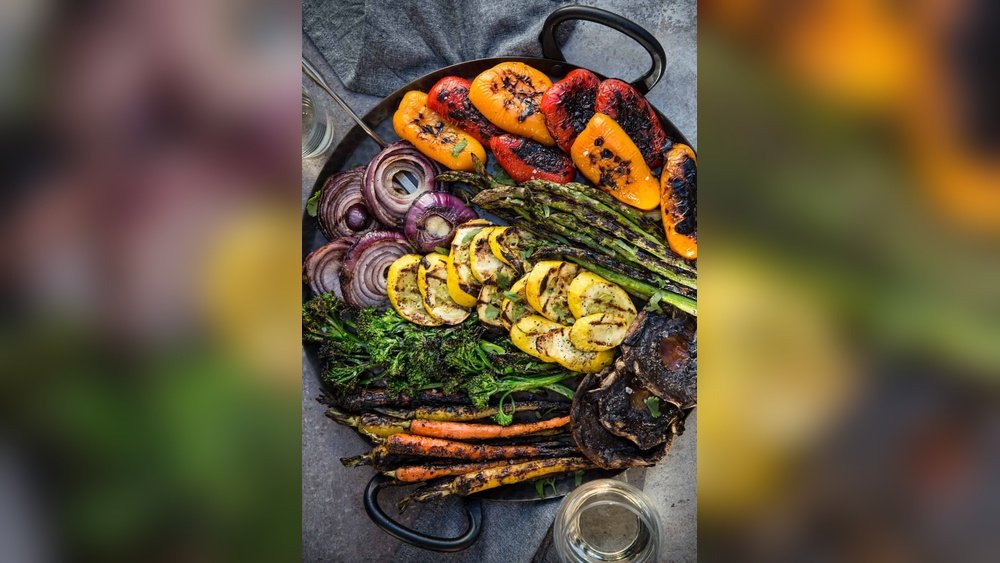
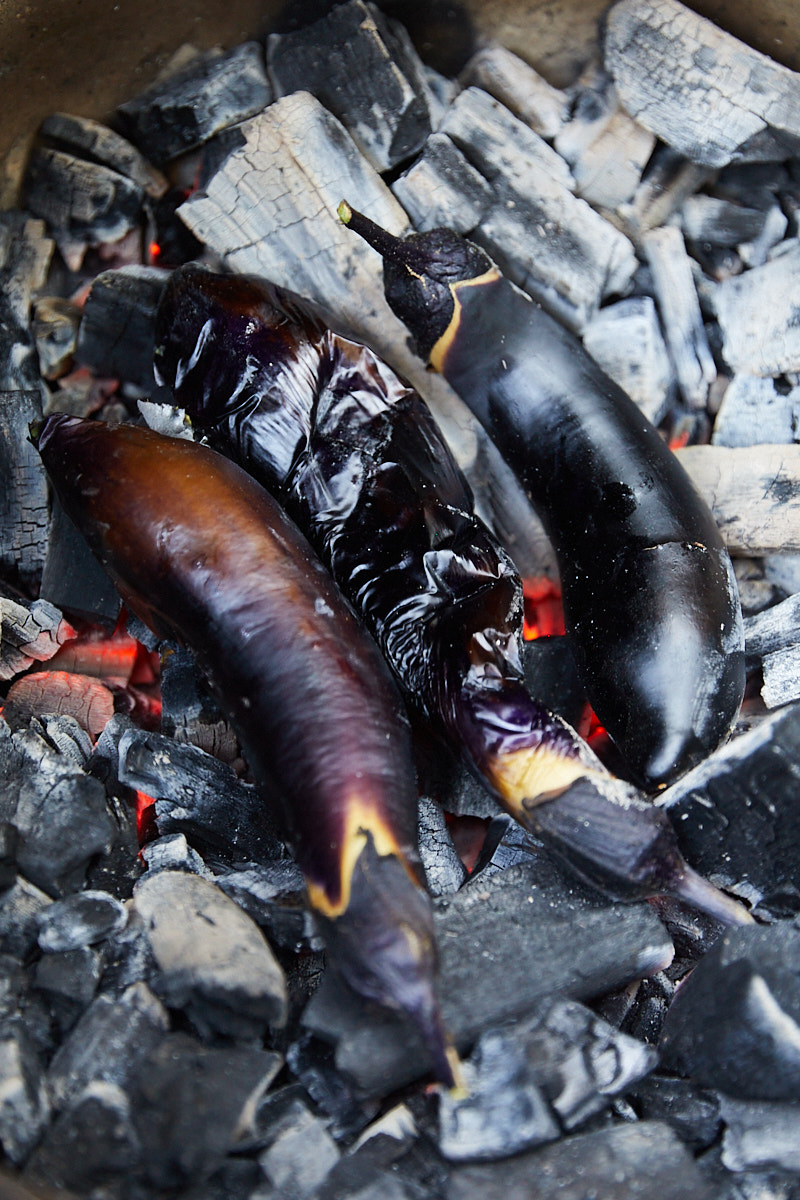
Firm vegetables work best on the grill. Bell peppers, zucchini, eggplant, and asparagus are popular choices. Carrots and corn also grill well. These veggies hold their shape and get a nice char. Avoid very soft or watery vegetables like lettuce or cucumbers. They can burn quickly or become mushy. Pick vegetables that stay firm and develop good flavor over heat.
Cutting For Even Cooking
Cut vegetables into similar sizes for even cooking. Thick slices take longer to cook than thin pieces. For example, slice zucchini and eggplant about half an inch thick. Cut peppers into large strips or chunks. Keep asparagus spears whole or trim them evenly. Uniform pieces cook at the same speed and reduce burning risk. Smaller pieces cook faster but watch them closely to avoid burning.
Preparing Vegetables
Preparing vegetables properly is essential for grilling without burning. Careful preparation helps vegetables cook evenly. It also enhances their flavor and texture. Follow these simple steps to get your veggies ready for the grill.
Washing And Drying
Start by rinsing vegetables under cold water. This removes dirt and any pesticides. Use a soft brush for firm vegetables like potatoes or carrots. After washing, dry the vegetables thoroughly. Excess water causes steaming, not grilling. Use a clean kitchen towel or paper towels to pat them dry.
Oiling The Veggies
Lightly coat vegetables with oil to prevent sticking. Use oils with high smoke points like avocado or canola oil. Avoid pouring oil directly on the grill grates. Instead, toss veggies in oil in a bowl. This also helps distribute the oil evenly on their surface.
Seasoning Tips
Season vegetables before grilling for better taste. Use simple spices like salt, pepper, garlic powder, or paprika. Fresh herbs such as rosemary or thyme work well too. Apply seasoning evenly to all sides. Avoid heavy sauces that can burn quickly on the grill.
Grill Setup
Setting up your grill correctly is the first step to grilling vegetables without burning. A well-prepared grill helps cook vegetables evenly and keeps them juicy. Proper grill setup controls temperature and prevents flare-ups that can burn your food.
Preheating The Grill
Start by preheating your grill for at least 10 to 15 minutes. This ensures the grill grates get hot enough to sear vegetables quickly. Preheating also helps prevent sticking, making it easier to flip your veggies.
Keep the grill lid closed during preheating. This traps heat and creates an even cooking surface. Avoid placing vegetables on a cold grill, as they may stick and cook unevenly.
Managing Heat Zones
Create two heat zones on your grill: one hot and one medium or low. The hot zone sears vegetables, while the cooler zone finishes cooking them gently. This method prevents burning and overcooking.
Place thicker or denser vegetables like potatoes and carrots on the hot zone first. Move them to the cooler zone after searing. Softer vegetables like zucchini can cook mostly on the cooler zone.
Using Grill Accessories
Use grill baskets or trays to hold smaller vegetable pieces. These accessories stop veggies from falling through grates. They also help spread heat evenly.
Skewers are great for grilling vegetables in chunks. Thread veggies tightly but leave space for heat to circulate. Consider brushing accessories with oil to reduce sticking and burning.
:max_bytes(150000):strip_icc()/20250603-SEA-grillveggieboard-GregDuPree-HERO-0f23788951c9421093720b83af3f3b38.jpg)
Credit: www.seriouseats.com
Grilling Techniques
Grilling vegetables requires the right techniques to avoid burning. Using proper heat control and handling helps cook vegetables evenly. These methods keep the veggies tender and full of flavor. Follow these simple steps for perfect grilling.
Starting On High Heat
Begin by placing vegetables on a hot grill. High heat quickly sears the outside. This creates nice grill marks and locks in moisture. It also adds a smoky flavor that enhances taste. Keep vegetables on high heat only for a few minutes. This prevents burning and keeps the inside crisp.
Finishing On Medium Heat
After searing, move vegetables to medium heat. This slower cooking stage softens the inside without charring the outside. Medium heat cooks vegetables through gently. It helps avoid burnt spots while achieving a tender texture. Patience during this step results in perfectly cooked veggies.
Flipping And Turning
Turn vegetables regularly for even cooking. Flipping prevents one side from burning. Use tongs or a spatula to handle veggies carefully. Avoid piercing them to keep juices inside. Turning every few minutes ensures all sides get heat. This technique creates balanced cooking and good texture.
Preventing Burning
Grilling vegetables is a delicious way to enjoy fresh flavors and smoky aromas. Burning is a common problem that ruins texture and taste. Preventing burning ensures vegetables cook evenly and stay juicy. Follow simple steps to keep your veggies perfect on the grill.
Avoiding Direct Flames
Direct flames cause quick charring and burnt spots. Place vegetables on cooler parts of the grill. Use indirect heat for longer cooking. Keep veggies away from open flames or flare-ups. This method cooks vegetables slowly and prevents burning.
Controlling Cooking Time
Vegetables cook fast and can burn easily. Cut vegetables into even pieces for uniform cooking. Watch them closely to avoid overcooking. Turn vegetables often to cook all sides evenly. Remove them from heat as soon as they are tender.
Precooking Options
Precooking helps reduce grill time and burning risk. Steam or microwave vegetables briefly before grilling. This softens them and speeds up cooking. Parboiling also works well for dense vegetables like carrots or potatoes. Precooking creates a tender inside with a nice grilled outside.
Credit: naturallyella.com
Finishing Touches
Finishing touches bring grilled vegetables to life. They add flavor and visual appeal. Small steps can make a big difference. These tips help keep your veggies tasty and fresh after grilling.
Adding Fresh Herbs
Sprinkle fresh herbs over grilled vegetables. Basil, parsley, or cilantro work well. Herbs add bright, natural flavor. Chop them finely for even distribution. Add herbs just before serving for the best taste.
Using Marinades And Sauces
Apply a light marinade or sauce after grilling. Choose simple dressings like lemon juice, olive oil, or balsamic vinegar. Avoid heavy sauces that mask the vegetable’s natural taste. Brush sauces on gently to keep veggies moist and flavorful.
Resting Before Serving
Let grilled vegetables rest for a few minutes. This helps flavors settle and juices redistribute. Resting prevents dryness and enhances texture. Cover loosely with foil during rest to keep warmth. Serve soon after for best results.
Cleaning And Maintenance
Cleaning and maintaining your grill is key to grilling vegetables without burning. A clean grill ensures even heat and prevents sticking. It also helps vegetables cook better and taste fresher. Proper maintenance keeps your grill safe and ready for every use.
Cleaning Grill Grates
Start cleaning grill grates right after cooking. Use a grill brush with stiff bristles to scrape off food bits. Heat the grill first to loosen stuck pieces. Wipe the grates with a damp cloth to remove residue. For deep cleaning, soak grates in warm soapy water. Rinse well and dry before using again. Clean grates stop vegetables from sticking and burning.
Storing Leftovers Properly
Cool grilled vegetables before storing them. Use airtight containers to keep them fresh longer. Refrigerate leftovers within two hours to avoid bacteria. Label containers with the date for easy tracking. Reheat leftovers gently to avoid drying or burning. Proper storage keeps flavors intact and reduces waste.
Credit: minimalistbaker.com
Frequently Asked Questions
How Do You Grill Vegetables Without Burning Them?
Brush vegetables with oil and season well. Start on high heat, then reduce to medium. Turn frequently to avoid burning. Precook dense veggies for even grilling.
What Are Some Common Mistakes To Avoid When Grilling Vegetables?
Avoid grilling vegetables over high heat constantly, oiling grates instead of veggies, under-seasoning, overcooking, and ignoring heat control.
Is It Better To Roast Vegetables On Aluminum Foil Or Parchment Paper?
Parchment paper prevents sticking and tears, making it better for roasting vegetables. Aluminum foil may stick without oil and can tear easily.
How Long Does It Take To Grill Veggies On The Grill?
Grill vegetables for 5 to 10 minutes over medium heat, turning occasionally until tender and charred lightly.
Conclusion
Grilling vegetables without burning takes some practice and attention. Start with high heat, then lower it to cook through. Always oil the vegetables, not the grill, to prevent sticking. Turn them gently and often for even cooking. Use larger pieces to avoid falling through the grates.
These simple steps help keep veggies tender and flavorful. Enjoy your grilled vegetables with confidence and ease every time.