
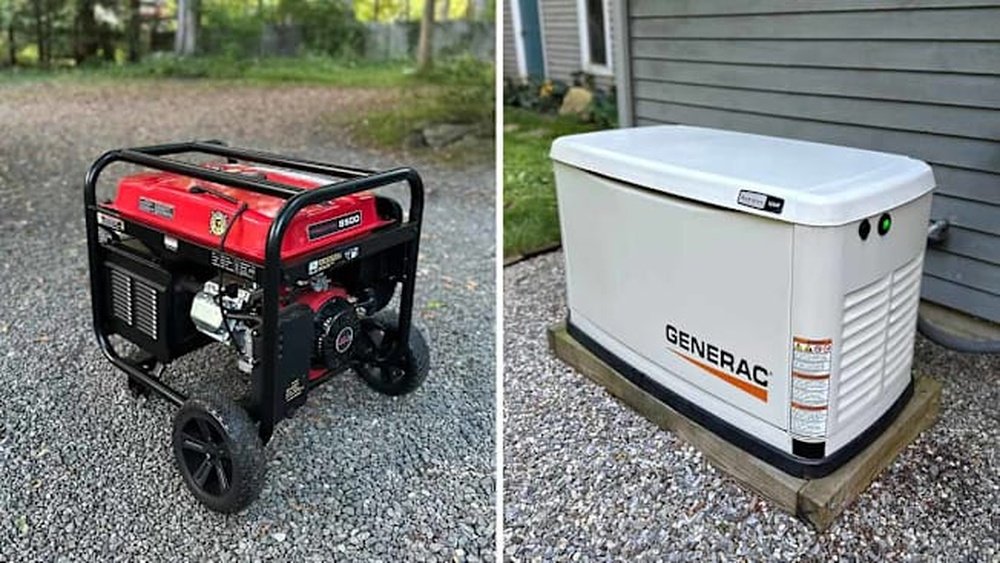
When the power goes out, you want a reliable solution that keeps your home running smoothly. But how do you choose between a portable generator and a standby generator?
Each has its own strengths, costs, and convenience levels, and picking the right one can save you time, money, and stress. In this guide, you’ll discover the key differences that matter most for your needs. Whether you need power on the go or a seamless backup for your entire home, understanding these options will help you make a confident choice.
Ready to find out which generator fits your lifestyle and budget? Let’s dive in.
Generator Types
Generators come in different types to suit various needs. Understanding the main types helps in choosing the right one for power backup. Two popular types are portable generators and standby generators. Each has unique features and benefits. This guide explains these features clearly.
Portable Generator Features
Portable generators are small and easy to move. They run on gasoline or propane. You can use them outdoors or take them on trips. They provide power for a few appliances or tools. Setup is simple and does not need professional help. These generators are cost-effective for short-term use. They require manual start and fuel refilling. Noise levels can be higher compared to other types. Ideal for camping, job sites, and emergency backup.
Standby Generator Features
Standby generators are fixed and connect directly to your home. They run on natural gas or propane. These start automatically during power outages. They provide power for the entire house or critical circuits. Installation requires a professional electrician. Maintenance is scheduled for reliability and safety. They operate quietly and are weather-resistant. Standby generators offer peace of mind for long-term power needs. Perfect for homes and businesses needing constant power.
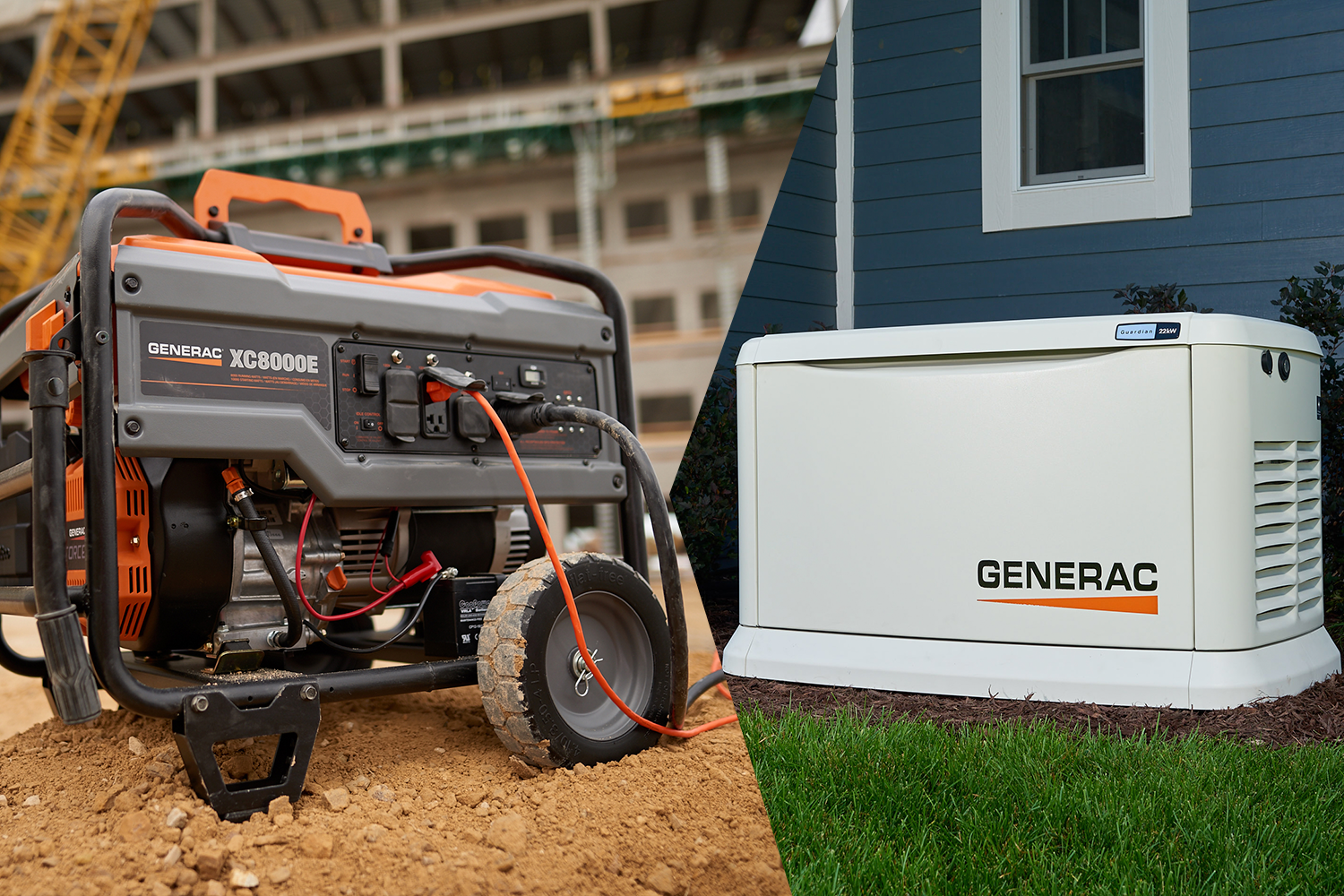
Credit: www.mountainwestac.com
Cost Comparison
Comparing costs helps choose the right generator for your needs. Both portable and standby generators have different expenses. Understanding these costs avoids surprises later.
Evaluate the initial price, installation fees, and maintenance costs. These factors affect your total spending over time.
Initial Purchase Price
Portable generators usually cost less upfront. They range from a few hundred to a couple thousand dollars. Standby generators have a higher initial price, often several thousand dollars. This price reflects their power capacity and automatic features.
Installation Expenses
Portable generators need little to no installation. You just place them outside and connect appliances. Standby generators require professional installation. This includes wiring, permits, and sometimes concrete pads. Installation can double the cost of a standby generator.
Maintenance Costs
Portable generators need simple maintenance like oil changes and spark plug checks. These tasks cost less and happen less frequently. Standby generators need regular servicing by professionals. This keeps them ready to work at any time. Maintenance costs for standby units are higher but ensure reliability.
Power Capacity
Power capacity defines how much electricity a generator can produce. It determines what appliances and systems the generator can support during an outage. Understanding power capacity helps you choose the right generator for your needs. Portable and standby generators differ significantly in this aspect.
Typical Output Levels
Portable generators usually produce between 1,000 and 10,000 watts. This range suits small appliances, tools, and a few lights. Standby generators start at around 7,000 watts and can go beyond 20,000 watts. They handle more devices and even entire homes. The higher output of standby generators suits larger power demands.
Whole-house Vs. Partial Power
Portable generators often provide partial power. They support essentials like refrigerators, fans, and lights. Running a whole house with a portable unit is rare and requires multiple generators. Standby generators offer whole-house power automatically. They connect to your home’s electrical system and provide seamless backup. This ensures all appliances and systems stay running during outages.
Fuel Options
Choosing the right fuel option is key for both portable and standby generators. Fuel type affects cost, convenience, and power availability. Each generator type supports different fuels. Knowing these fuels helps you make a better choice.
Gasoline And Diesel Use
Gasoline powers most portable generators. It is easy to find at gas stations. Portable units run on gasoline because it is lightweight and stores well short-term. Diesel is common in standby generators. Diesel engines last longer and use fuel efficiently. Diesel fuel is less likely to spoil over time. Both fuels require safe storage and handling. Gasoline can evaporate quickly. Diesel tends to be more stable but may need additives to prevent gelling in cold weather.
Natural Gas And Propane Benefits
Standby generators often connect to natural gas or propane lines. These fuels provide a steady supply without refilling tanks. Natural gas burns cleaner than gasoline or diesel. Propane stores easily and lasts longer in tanks. Both produce less odor and smoke. Using natural gas or propane can lower emissions. These fuels are ideal for long-term or frequent use. They reduce the need to buy and store fuel. Automatic standby systems use these fuels to start without user help.
Installation And Setup
Installation and setup differ greatly between portable and standby generators. These differences affect ease of use, safety, and overall convenience. Understanding these aspects helps in making the right choice for your power needs.
Portable Generator Setup
Portable generators are ready to use out of the box. You only need to place them in a well-ventilated outdoor area. Avoid enclosed spaces to prevent carbon monoxide buildup.
Fill the fuel tank and check oil levels before starting. Connect your devices directly or use heavy-duty extension cords. Some models allow connection to a transfer switch for home power.
Setup takes just minutes and no special tools are required. Portable generators offer flexibility but require manual operation and monitoring.
Professional Standby Installation
Standby generators need expert installation. A licensed electrician connects the unit to your home’s electrical system. This ensures safety and compliance with local codes.
The generator is usually installed outside near your main electrical panel. A transfer switch automatically shifts power during outages. This setup provides seamless backup without user effort.
Installation can take a few hours to a full day. It involves plumbing fuel lines and setting up automatic testing routines. While costly, this setup offers convenience and peace of mind.
Portability And Convenience
Choosing between a portable generator and a standby generator often depends on how important portability and convenience are to you. These two types serve different needs and lifestyles. Understanding their differences in mobility and permanence helps make the right choice easier.
Mobility Of Portable Generators
Portable generators are designed for easy movement. Most have wheels and handles. You can take them to different locations. This makes them ideal for outdoor activities or emergency use. They do not need permanent installation. You can store them when not in use. Their size varies, but they are generally compact enough to carry.
This mobility allows you to power tools at a worksite or provide electricity during camping trips. Portable generators can run several appliances but usually have lower power output. They must be refueled manually, which requires some effort. Despite that, their flexibility is a big advantage.
Permanence Of Standby Units
Standby generators are fixed in one place, usually outside a home. They connect directly to your home’s electrical system. These units start automatically during power outages. There is no need to set them up or refuel manually. This makes them very convenient for continuous power supply.
Installation requires professional help and a permanent spot. Standby generators are larger and often more powerful than portable ones. They are designed to power an entire home or business. Maintenance is simple but must be scheduled regularly. The permanence means less hassle during emergencies.
Safety And Noise
Safety and noise are key factors when choosing between a portable generator and a standby generator. Both types produce sound and require careful handling to avoid accidents. Understanding their noise levels and safety needs helps you use them effectively and protect your home and family.
Operating Noise Levels
Portable generators usually run louder than standby models. They can produce noise similar to a lawn mower. This noise may disturb neighbors and family members. Standby generators operate more quietly. They have soundproof enclosures to reduce noise. The quiet operation makes them suitable for residential areas. Noise levels also depend on the generator’s size and load. Always check decibel ratings before buying.
Safety Precautions
Both generators need safety measures to prevent hazards. Portable generators should be used outdoors only. They emit carbon monoxide, which is deadly indoors. Keep them far from windows and doors. Never run a portable generator in a garage or basement. Standby generators are installed outside and connect directly to your home. They have automatic shut-off features for safety. Always follow the manufacturer’s instructions carefully. Regular maintenance is crucial for safe operation. Use proper fuel storage and avoid overloading the generator.
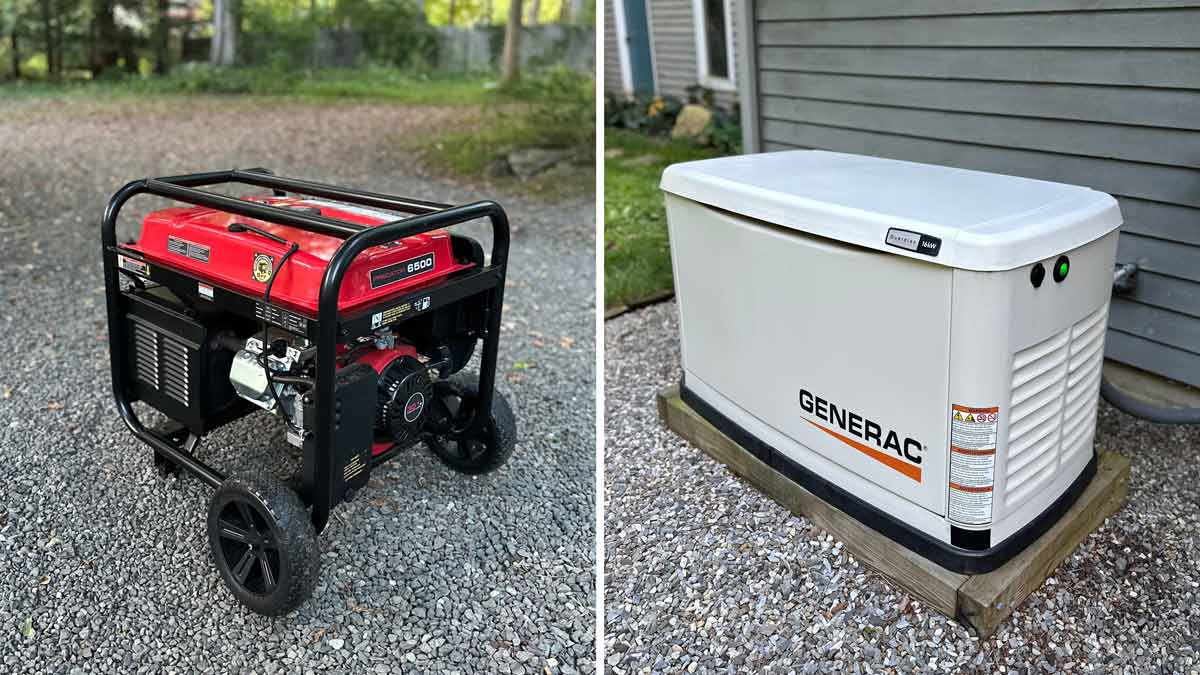
Credit: www.consumerreports.org
Usage Scenarios
Choosing between a portable generator and a standby generator depends largely on how you plan to use it. Each type fits different power needs and situations. Understanding these usage scenarios helps you make the right choice.
Temporary Power Needs
Portable generators serve well for short-term power outages. They are easy to move and set up wherever you need power. Camping trips, outdoor events, or small home repairs often require this flexibility. Portable units handle basic appliances and tools efficiently. They usually run on gasoline, which you can refill quickly. These generators are budget-friendly for occasional use. They provide enough power without the need for permanent installation.
Long-term Backup Solutions
Standby generators are designed for continuous power during long outages. They connect directly to your home’s electrical system. These generators start automatically when the power goes out. They run on natural gas or propane, offering a steady fuel supply. Ideal for families needing reliable backup for heating, cooling, and medical devices. Standby units require professional installation but offer peace of mind. They support full-house power and protect against unexpected blackouts.
Environmental Impact
Choosing between a portable generator and a standby generator involves understanding their environmental impact. Both types affect air quality and fuel consumption differently. Knowing these differences helps make a greener choice for your power needs.
Emissions Comparison
Portable generators usually emit more pollutants. They often use older engine technology. This results in higher carbon monoxide and nitrogen oxide emissions. Standby generators have newer, cleaner engines. They meet stricter emission standards. This reduces their harmful output significantly. Standby units also run less often, lowering total emissions.
Fuel Efficiency
Standby generators use fuel more efficiently. They adjust power output to match the load. This saves fuel during low demand periods. Portable generators run at full power regardless of need. This leads to higher fuel use over time. Standby models also use cleaner fuels like natural gas or propane. Portable units mostly rely on gasoline, which burns less cleanly.
Choosing The Right Generator
Choosing the right generator is important for safety and convenience. Your choice depends on your power needs, budget, and available space. This guide helps you decide between a portable and a standby generator. Understanding these factors makes your decision easier and more efficient.
Assessing Power Requirements
Start by listing the devices you want to power. Include lights, refrigerator, heater, and other essentials. Calculate the total wattage these devices need. Portable generators usually handle smaller loads. Standby generators support whole-house power during outages. Choose a generator that meets or exceeds your total wattage needs.
Budget Considerations
Portable generators cost less upfront. They are a good choice for short-term or occasional use. Standby generators have higher initial costs. They require professional installation but offer automatic operation. Consider fuel costs and maintenance for both types. Plan your budget based on how often you will use the generator.
Space And Installation Constraints
Portable generators are compact and easy to move. They need outdoor use and proper ventilation. Standby generators are larger and fixed in one place. They need a dedicated outdoor space near your home. Installation may require permits and electrical work. Check your property space and local rules before deciding.

Credit: mtruhl.com
Frequently Asked Questions
What Is The Main Difference Between Portable And Standby Generators?
Portable generators are movable and used temporarily, while standby generators are fixed and provide automatic whole-home power backup.
Which Generator Type Is More Cost-effective To Buy?
Portable generators cost less upfront and are cheaper to install than standby generators, which require professional setup.
How Do Standby Generators Operate During A Power Outage?
Standby generators start automatically during outages and power your entire home without manual intervention.
Are Portable Generators Suitable For Whole-house Power Backup?
No, portable generators typically power selected appliances and are not designed for full home backup.
Conclusion
Choosing between a portable and standby generator depends on your needs. Portable generators cost less and offer flexibility for short-term use. Standby generators provide automatic, whole-home power during outages. Consider your budget, power needs, and installation options carefully. Both types have benefits and limits worth weighing.
The right choice keeps your home running smoothly when power fails.