
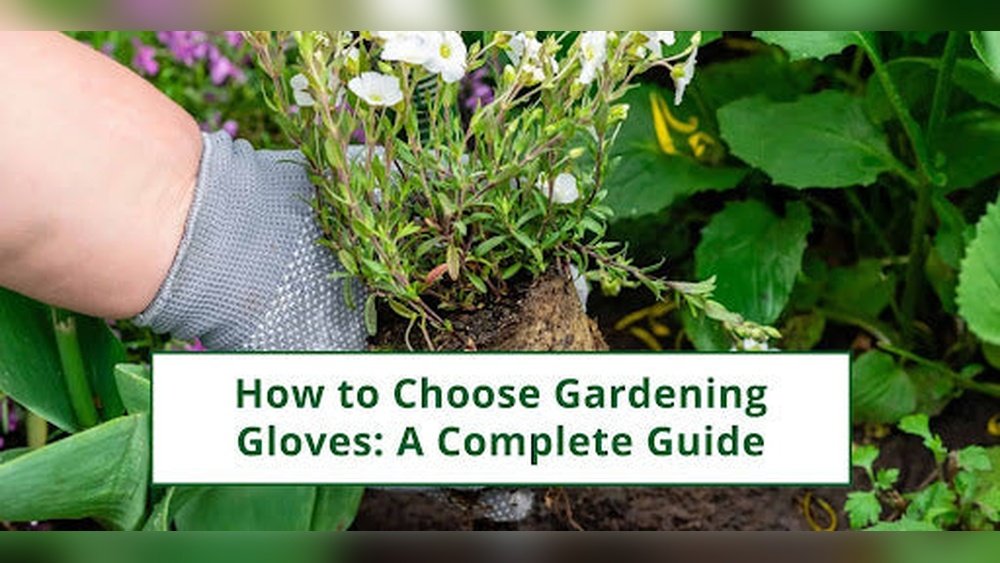
Choosing the right garden gloves can make all the difference between enjoying your time outdoors and struggling with discomfort or injury. You want gloves that fit well, protect your hands, and suit the tasks you tackle in your garden.
But with so many options out there, how do you know which pair is best for you? In this guide, you’ll discover simple tips to find gloves that offer the perfect balance of comfort, durability, and protection. Keep reading, and you’ll be ready to pick the ideal gloves that help your garden thrive while keeping your hands safe and comfortable.
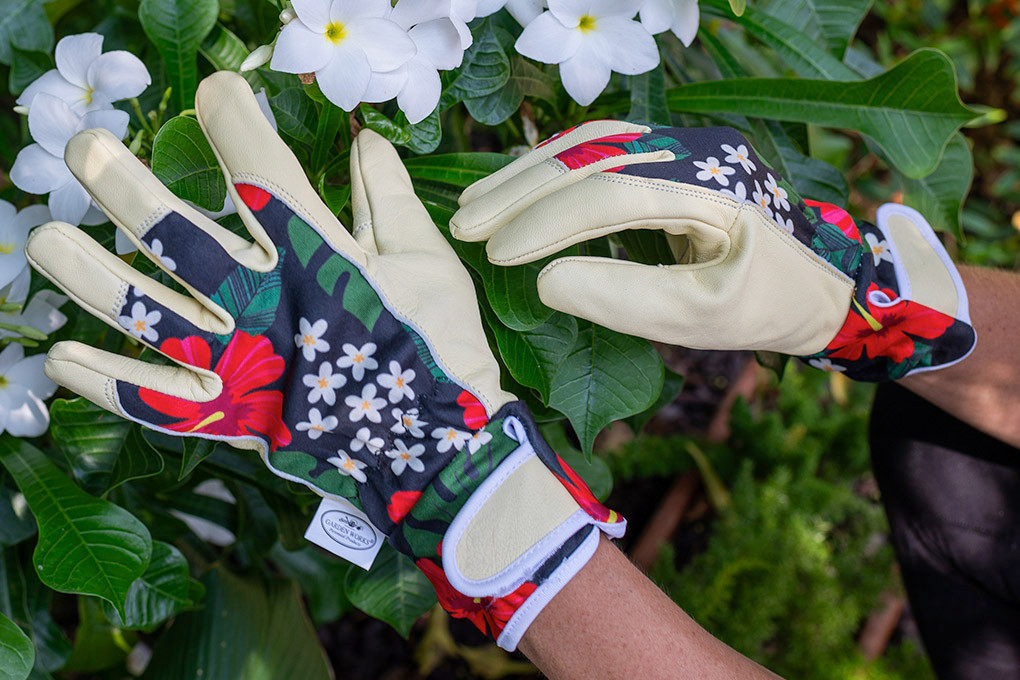
Credit: gardenworksusa.com
Types Of Garden Gloves
Choosing the right garden gloves depends on understanding the types available. Each type offers unique benefits suited for different gardening tasks. Knowing these types helps protect your hands and improves your work.
Leather Gloves
Leather gloves provide strong protection against thorns and rough plants. They last long and resist wear and tear well. These gloves are perfect for heavy gardening tasks like pruning and digging. Leather gloves also offer good grip and comfort.
Nitrile Gloves
Nitrile gloves are lightweight and flexible. They protect hands from dirt and some chemicals. These gloves are great for delicate tasks such as planting seeds or handling fertilizers. Nitrile gloves dry quickly and fit snugly, making work easy.
Rubber Coated Gloves
Rubber coated gloves combine fabric comfort with rubber’s grip and water resistance. They protect against mud and moisture while allowing breathability. These gloves suit wet gardening jobs like weeding and cleaning tools. Rubber coating improves durability.
Fabric And Cotton Gloves
Fabric and cotton gloves are soft and breathable. They offer light protection from dirt and small scratches. These gloves work well for light gardening or indoor plant care. They are easy to wash and comfortable for long use.
Key Features To Look For
Choosing the right garden gloves means focusing on features that protect and support your hands. Good gloves make gardening safer and easier. Consider materials and design that suit your tasks. These key features help you find gloves that fit well and last long.
Puncture And Thorn Protection
Gardening often involves sharp tools and thorny plants. Gloves with strong materials protect your hands from cuts and scratches. Look for gloves made with reinforced fabric or leather. Thick gloves reduce the risk of injury from thorns and sharp objects.
Water Resistance
Gardening can be wet work. Water-resistant gloves keep your hands dry and comfortable. Gloves with coated palms or waterproof layers block moisture. Dry hands prevent blisters and skin irritation during long gardening sessions.
Breathability
Good gloves let air flow to your skin. Breathable gloves reduce sweat and heat buildup. Materials like cotton blends or mesh panels improve comfort. Breathable gloves keep your hands cool, especially in warm weather.
Grip And Dexterity
Gardening needs precision and control. Gloves with textured palms improve grip on tools and plants. Flexible materials allow finger movement without restriction. Gloves that balance protection and dexterity help you work efficiently.
Choosing The Right Size
Choosing garden gloves means paying attention to material durability and care. Gloves face dirt, moisture, and sharp objects daily. Strong materials last longer and protect your hands well. Proper care keeps gloves in good shape. Clean gloves regularly and store them correctly. These steps help maintain glove quality and comfort.
Cleaning Tips
Remove dirt and debris after each use. Use mild soap and warm water for washing. Gently scrub gloves with a soft brush if needed. Avoid harsh chemicals that damage fabric. Rinse thoroughly and air dry away from direct sunlight. Do not use a dryer, as heat can shrink or weaken materials.
Extending Glove Lifespan
Wear gloves only for gardening tasks to avoid unnecessary wear. Store gloves in a dry, cool place to prevent mold and odor. Check gloves regularly for small tears or holes. Repair minor damage quickly with needle and thread. Rotate gloves if you have more than one pair to reduce stress on a single pair.
When To Replace Gloves
Replace gloves when fabric wears thin or tears grow large. If gloves lose flexibility or fit poorly, they need replacement. Gloves with holes let dirt and moisture reach your skin. Worn-out gloves reduce hand protection and comfort. Investing in new gloves keeps your hands safe and healthy.
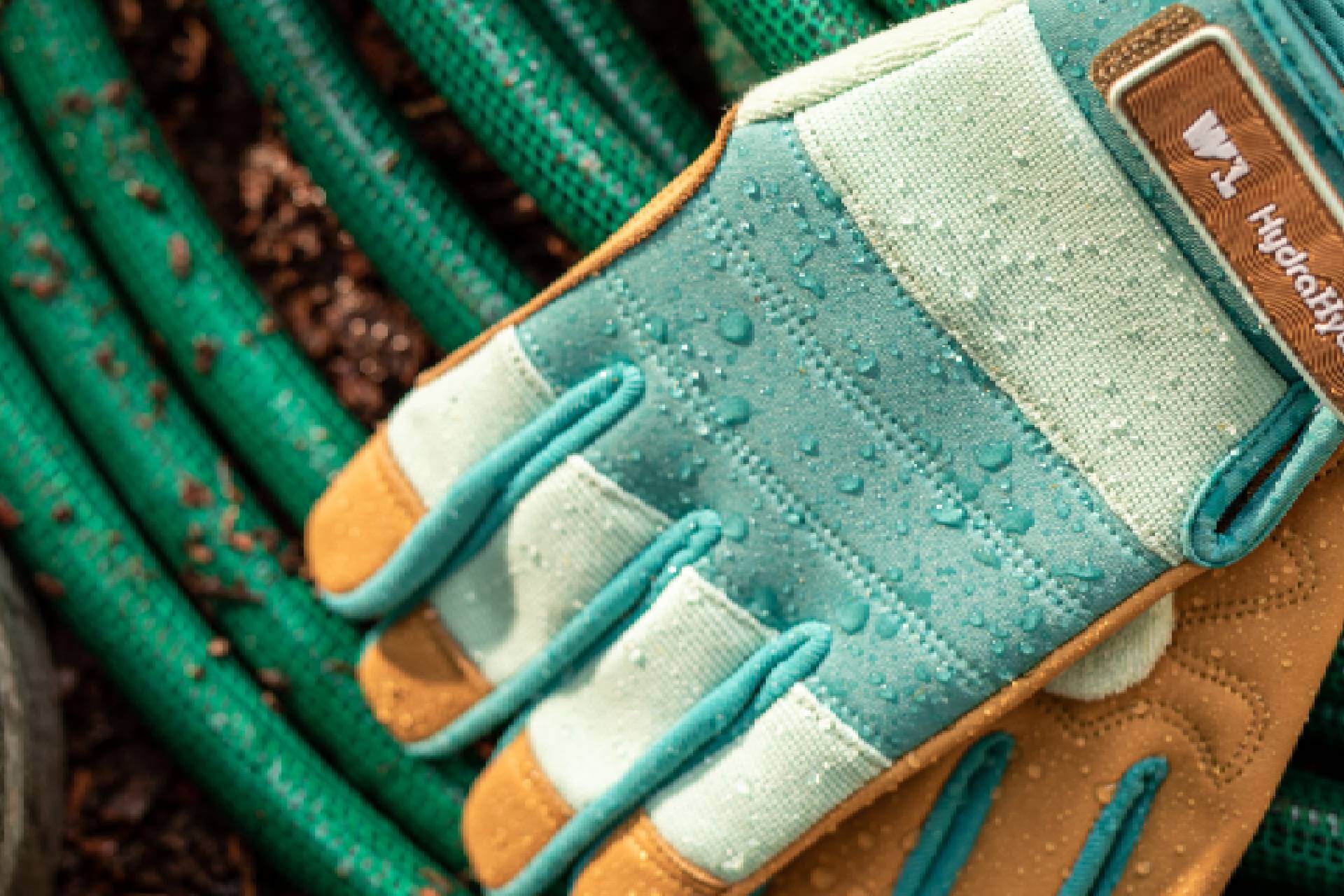
Credit: wellslamont.com
Gloves For Different Gardening Tasks
Choosing the right garden gloves is not just about protection. Comfort plays a big role in your gardening experience. Gloves that feel good help you work longer without pain or irritation. Safety tips also keep your hands free from injury. This section covers how to pick gloves that stretch, avoid blisters, and suit different weather conditions.
Choosing Gloves With Stretch And Flexibility
Look for gloves made with stretchy materials like spandex or elastic fabrics. These gloves move with your hands. They allow better grip and dexterity. Flexible gloves help you handle small tools easily. Avoid stiff gloves that limit hand movement. A snug fit without tightness prevents slipping.
Protecting Against Blisters And Irritation
Blisters form from rubbing and sweat. Choose gloves with soft lining inside. Cotton or fleece lining reduces friction. Some gloves have padded palms for extra comfort. Clean gloves regularly to avoid bacteria build-up. Change gloves if you feel itching or redness. This prevents skin irritation and keeps hands healthy.
Using Gloves In Different Weather Conditions
Warm weather calls for breathable gloves with ventilation. These keep your hands dry and cool. For cold weather, choose insulated gloves to retain heat. Waterproof gloves protect hands from rain and mud. Switch gloves based on the season for best results. Proper gloves help you work comfortably year-round.
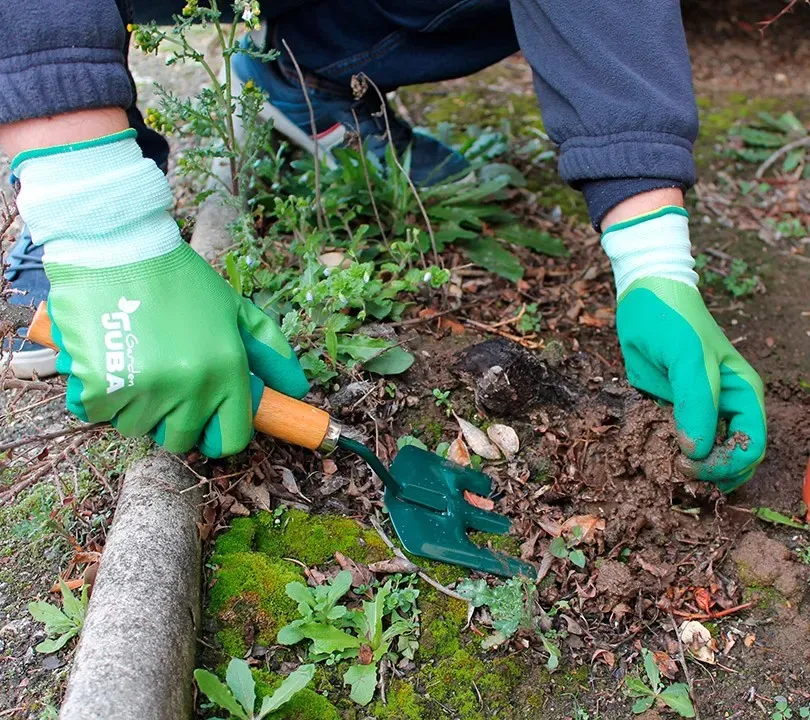
Credit: www.jubappe.com
Frequently Asked Questions
What Materials Are Best For Garden Gloves?
Leather offers durability and protection, while nitrile is water-resistant and flexible. Choose based on your gardening tasks and comfort needs for optimal performance.
How To Choose The Right Glove Size?
Measure your hand width and length for a snug fit. Properly fitting gloves improve dexterity, reduce blisters, and enhance grip during gardening.
Are Waterproof Gloves Necessary For Gardening?
Waterproof gloves keep your hands dry and comfortable, especially in wet conditions. They also protect against soil moisture and plant sap, making them essential for many gardeners.
Which Gloves Protect Against Thorns And Sharp Tools?
Look for gloves with puncture-resistant materials like reinforced leather or thick synthetic fabrics. These gloves prevent injuries from thorns and sharp gardening tools effectively.
Conclusion
Choosing the right garden gloves makes gardening safer and easier. Focus on fit, material, and protection. Gloves that fit well help you work comfortably. Durable materials guard against thorns and dirt. Waterproof gloves keep your hands dry in wet soil.
Think about the tasks you do most often. Keep your gloves clean and replace them when worn out. Good gloves help your garden thrive and protect your hands. Take time to pick gloves that suit your needs best. Your hands will thank you every time you garden.