
Winter doesn’t have to mean the end of your gardening season. Imagine being able to grow fresh vegetables and herbs even when the temperatures drop.
You can make that happen by building a cold frame—a simple, cost-effective structure that traps heat and protects your plants from frost. In this guide, you’ll discover easy steps to build your own cold frame, helping you extend your growing season and enjoy homegrown greens all winter long.
Ready to keep your garden thriving when others give up? Let’s get started!

Credit: ecogardener.com
Materials Needed
Building a cold frame for winter gardening requires a few essential materials. These materials will help protect your plants from cold weather. Choosing the right parts ensures your cold frame lasts through the season. This section covers the key materials you need to get started.
Choosing The Frame
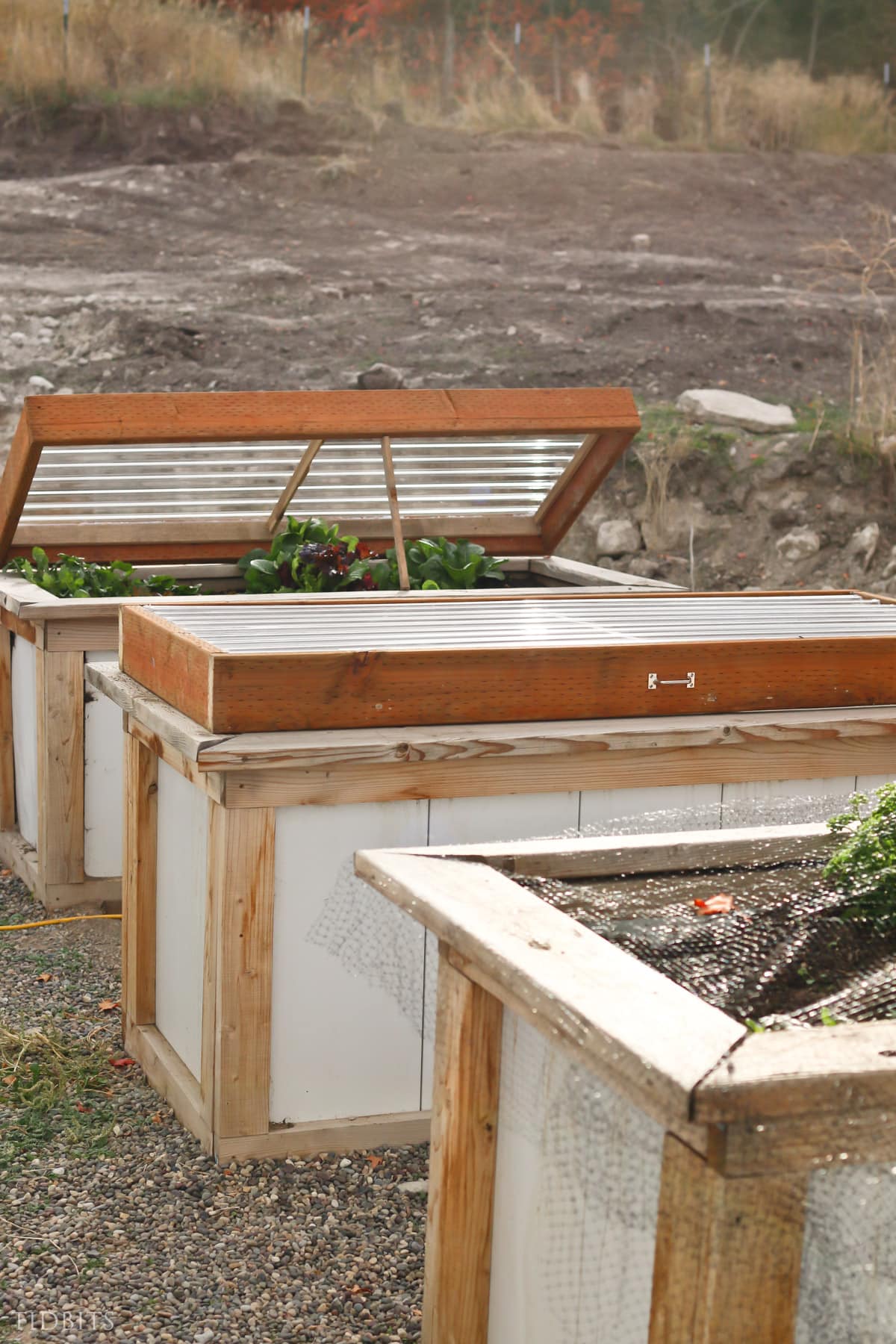
The frame holds the structure together. Wood is a popular choice because it is sturdy and easy to work with. Cedar or redwood resist rot and last longer outdoors. You can also use recycled pallets or old window frames for an eco-friendly option. Make sure the frame is large enough for your plants and fits your garden space.
Selecting The Cover
The cover traps heat and lets sunlight in. Clear glass or acrylic sheets work well for this. Plexiglass is lightweight and less likely to break than glass. Some gardeners use heavy-duty plastic sheeting as a budget option. The cover should be easy to open for ventilation on warm days.
Tools Required
Gather basic tools for assembly. A saw helps cut wood to size. A drill or screwdriver is needed to fasten parts. Sandpaper smooths rough edges for safety. You may also want hinges to attach the cover to the frame. Gloves and safety glasses protect you while building.
Credit: www.tidbits-cami.com
Site Selection
Choosing the right site for your cold frame is crucial for successful winter gardening. The location affects how well plants grow and survive cold weather. A good site offers enough light and protects the frame from harsh winds. Proper site selection helps keep the inside temperature stable. This section guides you through finding the best spot for your cold frame.
Finding The Best Location
Select a flat area in your garden or yard. Avoid places where water pools after rain. The site should drain well to keep plants dry and healthy. Choose a spot near your home for easy access and monitoring. A location close to a wall or fence can add extra warmth. This setup helps protect plants from sudden temperature drops.
Sunlight And Wind Considerations
Place the cold frame where it gets at least six hours of sunlight daily. South-facing spots work best in the northern hemisphere. Sunlight warms the cold frame and helps plants grow. Avoid shaded areas under large trees or buildings. Strong winds can cool the cold frame quickly. Use natural windbreaks like fences or shrubs to shield it. Protecting from wind keeps the frame warmer and reduces heat loss.
Frame Construction
Constructing a solid frame is the key step in building a cold frame for winter. The frame holds the cover and protects plants from cold winds and frost. It creates a warm, sheltered space for seedlings and hardy vegetables. Follow simple steps to build a sturdy cold frame that lasts through the season.
Building The Base
Start by choosing rot-resistant wood like cedar or redwood for the base. Cut four pieces to form a rectangle or square. The size depends on your garden space and needs. Join the corners with screws to create a strong frame. Make sure the base sits flat and level on the ground. This stability keeps the cold frame steady in winter winds.
Assembling The Sides
Next, cut four side panels from wood or clear plastic sheets. The sides should be about 12 inches tall to allow enough space for plants. Attach the sides to the base using screws or nails. Check that all sides fit tightly together to block cold air. Sand any rough edges to avoid splinters. A well-assembled frame keeps warmth inside and cold out.
Attaching The Cover
Use a clear, strong material like glass or polycarbonate for the cover. Cut it slightly larger than the frame top. Attach the cover with hinges at the back. This allows easy opening for watering and ventilation. Seal edges with weatherproof tape or caulk to prevent drafts. The cover traps sunlight during the day and keeps heat inside at night.
Installation Tips
Installing your cold frame correctly helps protect plants all winter. A good setup maximizes sunlight and warmth. It also prevents moisture buildup and allows air flow. Follow these tips for a strong start.
Positioning The Cold Frame
Place the cold frame where it gets full sun. South-facing spots work best in the northern hemisphere. Avoid shady areas near tall trees or buildings. Make sure the ground is level for stability. Keep it away from strong winds to avoid damage.
Ensuring Proper Ventilation
Ventilation stops overheating and keeps plants healthy. Open the lid on warm days to let fresh air in. Close it at night to keep warmth inside. Add small vents or hinges for easy air control. Proper airflow prevents mold and keeps plants strong.
Planting Inside
Planting inside a cold frame offers a great way to grow crops during winter. This protected space traps heat and shields plants from harsh weather. It creates a mini greenhouse that extends the growing season. With the right care, your plants can thrive despite low temperatures outside.
Choosing Suitable Crops
Select crops that tolerate cold and low light. Leafy greens like spinach, lettuce, and kale do well inside a cold frame. Root vegetables such as carrots and radishes also grow nicely. Avoid heat-loving plants, as they may struggle in cooler conditions. Choose varieties labeled for fall or winter planting for best results.
Soil Preparation
Prepare soil by removing weeds and loosening it deeply. Mix in compost or aged manure to improve fertility and drainage. Cold frame soil should stay moist but not soggy. Add a layer of mulch to help retain heat and moisture. Well-prepared soil supports healthy root growth during cold months.

Credit: www.epicgardening.com
Maintenance During Winter
Maintaining your cold frame throughout winter is key to a healthy garden. Regular care keeps plants safe and growing despite harsh weather. Simple steps help protect your crops and extend your harvest season.
Watering And Feeding
Check soil moisture often. Water only when the soil feels dry. Avoid overwatering to prevent root rot. Use a watering can with a fine rose for gentle watering. Feed plants lightly with diluted liquid fertilizer every few weeks. This supports growth without stressing plants during cold months.
Protecting From Extreme Cold
Cover your cold frame with an extra layer during freezing nights. Use frost cloths or old blankets to trap heat. Remove covers in the morning to let sunlight in. Place the cold frame in a sheltered spot away from strong winds. Adding straw or mulch inside helps insulate plant roots. These steps reduce damage from frost and keep plants warmer.
Troubleshooting
Troubleshooting your cold frame helps keep plants healthy through winter. Small problems can grow fast in cold, damp conditions. Catch issues early to protect your crops and get the best harvest.
Dealing With Pests
Pests find shelter in cold frames too. Check plants often for insects or eggs. Remove bugs by hand or use gentle sprays safe for young plants. Keep the cold frame clean to avoid attracting pests. Seal any holes or gaps where insects might enter.
Managing Mold And Mildew
Mold grows in moist, cool places like cold frames. Good air flow stops mold from spreading. Open the lid on warm days to dry moisture. Remove any plants with mold quickly. Use a natural spray of water and baking soda to control mildew safely.
Extending Growing Season
Extending the growing season allows gardeners to enjoy fresh produce longer. Cold frames create a warmer microclimate that protects plants from frost. This small structure traps heat from the sun and shields plants from cold winds. It helps plants grow in cooler months when outdoor conditions are harsh.
Using a cold frame, gardeners can start seeds earlier and keep plants healthy later into fall. This simple tool boosts plant growth and increases harvest time. It is a practical way to make the most of your garden space all year round.
Using Cold Frame For Early Seedlings
Cold frames provide a cozy environment for seeds to sprout sooner. They warm the soil and air, speeding up germination. You can plant seeds weeks before the last frost date. This gives seedlings a strong start before moving outdoors.
Keep the cold frame’s lid open slightly on warm days. This prevents overheating and allows fresh air to circulate. Water seedlings carefully to keep soil moist but not soggy. With proper care, young plants grow fast and healthy inside the frame.
Transitioning Plants Outdoors
Cold frames help plants adjust to outdoor conditions gradually. Start by opening the lid for a few hours daily. This hardens plants, making them strong against wind and sun. Increase the open time over one to two weeks.
Once plants tolerate full outdoor conditions, transplant them into your garden. This step reduces shock and improves survival rates. Using a cold frame for transition ensures healthier plants and better yields.
Frequently Asked Questions
What Is A Cold Frame And Why Build One For Winter?
A cold frame is a low, transparent enclosure that protects plants from cold. It extends the growing season by trapping solar heat and shielding plants from frost and wind during winter.
How Do I Build A Simple Cold Frame At Home?
Use wood or recycled materials to build a box with a clear lid. Ensure it is angled for sunlight, ventilated for air circulation, and sealed to retain warmth effectively.
What Materials Are Best For Constructing A Winter Cold Frame?
Wood frames combined with glass or clear plastic lids work best. These materials provide insulation, durability, and allow sunlight to penetrate, creating a warm environment for plants.
How Can I Maintain My Cold Frame During Winter Months?
Open the lid on warm days to prevent overheating and close it at night to retain heat. Regularly check for moisture and remove excess condensation inside the frame.
Conclusion
Building a cold frame protects your plants from winter cold. It helps extend your growing season easily. Use simple materials and follow clear steps. Place the cold frame where it gets good sunlight. Check plants regularly and open the frame on warm days.
This small project saves money on buying plants. Enjoy fresh vegetables even in cold months. Start building your cold frame today for healthier plants tomorrow.