
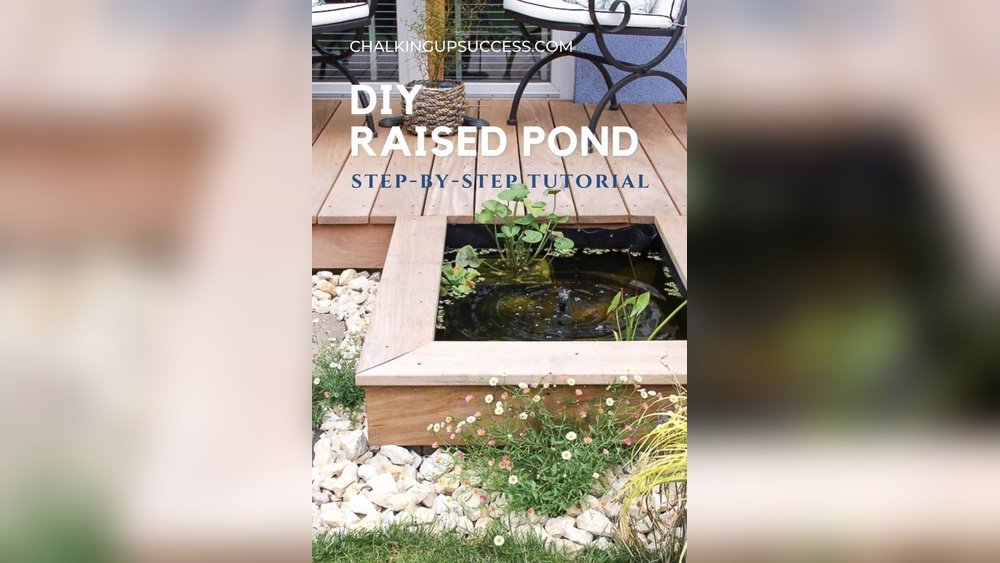
Imagine having a beautiful raised fish pond right in your backyard, teeming with vibrant fish and surrounded by lush greenery. You might think building one is complicated or expensive, but what if you could create it yourself with simple tools and easy steps?
This guide will show you exactly how to build a raised fish pond DIY-style, saving you money and giving you full control over the design. Whether you want a peaceful retreat, a unique garden feature, or a hobby to enjoy, this project is perfect for you.
Ready to dive in and transform your outdoor space? Let’s get started!

Credit: pondarmor.com
Planning Your Raised Fish Pond
Planning your raised fish pond is the first step to a successful project. It helps you avoid costly mistakes and ensures the pond fits your space and needs. Careful planning saves time and effort during building and maintenance.
Consider the pond’s location, size, depth, and materials. Each factor affects the pond’s health and your fish’s well-being. Thoughtful choices make the pond safe, attractive, and durable.
Choosing The Location
Pick a spot with at least 4-6 hours of sunlight daily. Sunlight helps fish and plants grow well. Avoid places near large trees to reduce leaves falling in the pond. Check the ground is level and firm to support the pond’s weight. Make sure the site has easy access for cleaning and feeding your fish.
Determining Pond Size And Depth
Decide how many fish you want to keep. More fish need a bigger pond. A good size for beginners is around 4×6 feet. Depth matters for fish health and water temperature. Aim for at least 18-24 inches deep. Deeper ponds keep fish safe from temperature swings and predators. Consider space for plants and decorations too.
Selecting Materials And Tools
Choose strong, weather-resistant materials like wood, concrete blocks, or metal. Wood is easy to work with and looks natural. Use pond liners to hold water and prevent leaks. Select a durable liner like EPDM or PVC. Gather tools such as a saw, hammer, drill, level, and measuring tape. Having the right tools speeds up building and ensures accuracy.
Preparing The Site
Preparing the site is the first step to building a raised fish pond. It sets the foundation for a strong and lasting pond. Proper preparation helps avoid problems like water leaks or uneven surfaces. This stage requires careful work but is not hard. Clear the area and make sure the ground is ready for construction.
Leveling The Ground
Start by choosing a flat spot in your yard. Use a shovel or rake to remove bumps and dips. A level surface prevents water from pooling unevenly. Check the ground with a spirit level or a long straight board and a small level tool. Adjust soil by adding or removing dirt until the area is flat and stable.
Clearing Rocks And Roots
Remove all rocks and roots from the site. Large stones can damage the pond liner. Roots can grow under and cause leaks later. Use a garden fork or rake to pull out roots carefully. Pick up stones by hand or with a shovel. A clean surface protects your pond and fish.
Setting Up The Base
Lay a strong base to support the pond structure. Spread a layer of sand or fine gravel over the leveled ground. This layer cushions the pond liner and improves drainage. Use a rake to spread it evenly and then compact the base by walking over it or pressing down with a board. A solid base keeps your pond safe and secure.
Building The Pond Structure
Building the pond structure is a key step in creating a raised fish pond. The structure holds the water and supports the pond liner. It must be strong and stable to last for years. Focus on careful assembly to avoid leaks and damage.
Installing The Frame
Start by choosing durable wood for the frame, such as cedar or treated pine. Cut the wood to the size of your pond plan. Lay the pieces flat on a level surface. Join the corners using screws or nails for a tight fit. Make sure the frame is square by measuring diagonals. Adjust if needed before moving on.
Positioning Sleepers Or Supports
Sleepers are horizontal supports placed under the frame. They keep the structure steady and raised above the ground. Space the sleepers evenly along the length of the frame. Check that each sleeper sits firmly on the ground. Use a level to keep them even. This step helps prevent the pond from shifting or sinking.
Securing The Structure
Fix the frame securely to the sleepers using strong screws. Add corner braces inside the frame for extra strength. Inspect all connections to ensure they are tight. Attach the frame to the ground with stakes if needed. This prevents wind or movement from disturbing the pond. A solid structure makes pond maintenance easier and safer.

Credit: www.thegardenglove.com
Lining The Pond
Lining the pond is a crucial step in building a raised fish pond DIY. It keeps water from leaking and protects the structure. A well-installed liner ensures your pond stays full and healthy for your fish. Choosing the right liner and installing it carefully makes the pond durable and safe.
Choosing The Right Pond Liner
Select a pond liner made from durable, flexible material. Common options include PVC, EPDM rubber, and polyethylene. EPDM liners last longer and resist UV rays well. PVC liners are affordable but may wear out faster. Choose a liner thick enough to prevent tears, usually 30-45 mil thickness. Also, consider the pond size and shape before buying the liner.
Measuring And Cutting The Liner
Measure the pond’s length, width, and depth accurately. Add extra length to cover the edges and sides, about 12-18 inches on each side. Cut the liner on a clean, flat surface using sharp scissors or a utility knife. Avoid cutting too close to the edge to prevent leaks. Mark the liner with chalk or a marker for precise cutting.
Installing And Securing The Liner
First, clear the pond base of sharp stones and debris. Lay a protective underlayment if possible to prevent punctures. Place the liner gently inside the pond, smoothing out wrinkles as you go. Let the liner overlap the pond edges. Secure it by folding the excess over the pond frame or using heavy stones. Avoid stretching the liner too tight to prevent damage.
Adding Water And Equipment
Adding water and equipment completes your raised fish pond. This stage brings your pond to life. It ensures a healthy environment for your fish. Proper setup helps maintain clear water and good oxygen levels.
Filling The Pond
Start by filling the pond slowly with fresh water. Use a hose with a gentle flow to avoid disturbing the liner. Fill the pond until it reaches the desired level. Check for leaks or weak spots during filling. Adding water gradually helps the liner settle in place.
Installing Pumps And Filters
Install a pump to keep the water moving. Pumps help prevent stagnant water and support fish health. Choose a filter that matches your pond size. Filters remove dirt and waste, keeping water clean. Place the pump and filter where they are easy to access for maintenance.
Ensuring Proper Aeration
Aeration is key to healthy fish and plants. Add an air pump or fountain to increase oxygen in the water. Good aeration reduces algae growth and fish stress. Position aeration equipment to cover the entire pond surface. Check regularly to keep aeration devices working well.

Credit: empressofdirt.net
Landscaping And Decoration
Landscaping and decoration play a key role in enhancing your raised fish pond’s beauty. These elements blend the pond into your garden. They also create a welcoming environment for fish and wildlife.
Thoughtful decoration makes the pond look natural and inviting. Careful landscaping helps maintain pond health and prevents damage. Here are some simple steps to decorate and landscape your pond.
Trimming Excess Liner
After installing the pond liner, trim any extra material carefully. Leave a small margin beyond the pond edge to secure it. Avoid cutting too close to prevent leaks. Use sharp scissors or a utility knife for clean cuts. Fold the trimmed edges under rocks or soil to hide them. This step creates a neat, finished look around your pond.
Adding Plants And Rocks
Plants add color and improve water quality. Choose native aquatic plants that thrive in your climate. Place floating plants to provide shade and reduce algae growth. Marginal plants along the edges soften the pond’s border. Rocks add texture and natural charm. Use smooth stones or pebbles to line the pond edges. Larger rocks can serve as resting spots for birds and frogs.
Creating A Natural Look
Arrange plants and rocks in uneven, random patterns. Avoid straight lines or perfect symmetry. Mix different sizes and types of plants for variety. Allow some open water space for fish to swim freely. Add mulch or bark around the pond perimeter for a woodland effect. This natural style blends your pond seamlessly into the garden landscape.
Fish Selection And Care
Choosing the right fish and caring for them is key to a successful raised fish pond. Fish need a good environment to thrive and stay healthy. This section covers how to select fish, keep water clean, and feed them properly.
Choosing Suitable Fish Species
Pick fish that fit the size and depth of your pond. Goldfish and koi are popular choices for raised ponds. They are hardy and adapt well to changes in temperature. Avoid fish that grow too large or need very deep water. Consider local climate and pond conditions before choosing fish.
Maintaining Water Quality
Clean water is vital for fish health. Test water regularly for pH, ammonia, and nitrate levels. Use a good filter to remove waste and keep water clear. Change some water weekly to prevent toxins buildup. Keep pond shaded to reduce algae growth. Proper aeration helps oxygenate the water for fish.
Feeding And Health Tips
Feed fish small amounts 1-2 times daily. Use high-quality pellets designed for pond fish. Avoid overfeeding as leftovers pollute water. Watch fish for signs of illness like spots or unusual behavior. Remove sick fish quickly to stop disease spread. Keep pond plants as hiding spots and natural filters.
Common Challenges
Building a raised fish pond yourself brings many rewards but also some common challenges. These issues often arise from the unique structure and location of raised ponds. Knowing what to expect helps you prepare better and keep your pond healthy.
Managing water temperature, avoiding leaks, and protecting the pond during winter are key concerns. Each challenge affects your fish’s health and the pond’s durability. Let’s explore these challenges and how to handle them effectively.
Managing Temperature Swings
Raised ponds heat up and cool down faster than ground-level ponds. This causes big temperature swings from day to night. Fish can get stressed by rapid changes in water temperature. To reduce swings, use shade cloths or place the pond in a spot with partial shade.
Adding aquatic plants also helps keep the water cooler. Aeration systems improve oxygen levels and stabilize temperature. Monitor water temperature regularly to catch problems early.
Preventing Leaks And Punctures
Leaks and punctures can ruin your raised pond quickly. Sharp objects like rocks, sticks, or tools cause most damage. Check the ground for debris before laying the pond liner. Use a thick, durable liner designed for ponds to reduce risks.
Secure the liner edges tightly to prevent slips. Inspect the liner often for small holes or tears. Repair minor damage fast using patch kits made for pond liners. A strong frame or wall also protects the liner from pressure and punctures.
Winter Care For Raised Ponds
Winter is tough for raised fish ponds, especially in cold climates. Water can freeze faster and deeper than in ground ponds. Fish need oxygen even under ice, so keep a hole in the ice using a pond heater or aerator.
Remove leaves and debris before winter to stop decay under ice. Stop feeding fish as temperatures drop below 50°F (10°C). Cover the pond with netting to protect from falling debris and predators. Proper winter care keeps fish safe and pond structures sound.
Maintenance And Upkeep
Maintaining a raised fish pond is key to keeping your fish healthy and the water clear. Regular care helps avoid problems and keeps the pond looking great. Simple steps done often make a big difference.
Regular Cleaning
Remove leaves and debris from the pond surface daily. Clean any algae build-up on the pond walls weekly. Use a net or pond vacuum to collect dirt and waste. Avoid harsh chemicals to protect your fish and plants. Check the pond liner for tears or damage monthly.
Monitoring Equipment
Inspect pumps and filters weekly to ensure they work well. Clean or replace filter media as needed to keep water clear. Check air stones and aerators for proper operation. Watch the water flow and listen for unusual sounds. Keep spare parts ready for quick repairs.
Seasonal Adjustments
In summer, add shade to prevent overheating and reduce algae growth. In winter, protect the pond from freezing by using pond heaters or de-icers. Remove fallen leaves quickly in autumn to avoid decay. Adjust feeding habits based on water temperature and fish activity. Prepare the pond for spring with a deep clean and fresh water.
Frequently Asked Questions
How To Build A Raised Pond Step By Step?
Choose a location and gather materials. Level the ground and clear debris. Build a sturdy frame with sleepers or wood. Install a pond liner inside the frame. Secure liner edges and add water. Install a pump for circulation. Add plants and fish as desired.
How Deep Should A Raised Fish Pond Be?
A raised fish pond should be at least 18 to 24 inches deep to support healthy fish life. Depth helps regulate temperature and oxygen levels. Deeper ponds provide better protection from temperature swings and predators. Ensure the pond depth suits the fish species you plan to keep.
What Are Common Raised Pond Problems?
Common raised pond problems include temperature swings stressing fish, winter freezing risks, liner punctures, algae growth, and water quality issues.
Are Raised Ponds Any Good?
Raised ponds offer easy maintenance and better accessibility. They reduce fall risks but can experience temperature swings affecting fish health. Proper insulation and care improve their benefits, making them a practical choice for many gardeners.
Conclusion
Building a raised fish pond yourself brings many rewards. It offers better control over water quality and fish health. You can customize the pond size and design to fit your space. Remember to keep the pond clean and check water levels regularly.
Add plants for natural beauty and fish comfort. With patience and care, your pond will thrive. Enjoy watching your fish swim happily in your new pond. Start your project today and create a peaceful backyard haven.