
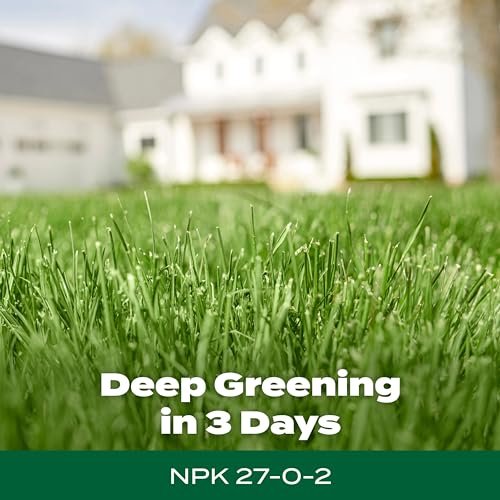
Scotts is best for quick green; Jonathan Green shines for seeding and natural weed control.
You want a thick, green lawn without guesswork. Maybe your grass looks dull after summer heat. Or your spring seeding needs a strong start. You might also want fewer weeds without harsh chemicals. Scotts and Jonathan Green both promise fast results, but they serve different goals. I compared their top lawn fertilizers head-to-head. I focused on greening speed, seeding support, weed suppression, ease of use, and value. Here’s what I found after studying current formulas, coverage, and buyer feedback.
See the differences between my top picks at a glance.
| Product | Type | Coverage | Additives / Key Nutrients | Best For | Not Ideal When |
|---|---|---|---|---|---|
| Scotts Green Max Lawn Food (16.67 lb) | Granular | 5,000 sq ft | High nitrogen + iron for deep green | Very fast green-up; cool or warm seasons | Fresh seeding; risk of iron staining on hardscapes |
| Scotts Turf Builder Lawn Food (37.5 lb) | Granular | 15,000 sq ft | Balanced slow/quick nitrogen; no phosphorus | Seasonal feeding, root strength, overall health | Immediate color pop vs iron-heavy products |
| Jonathan Green Corn Gluten 10-0-2 | Granular | 5,000 sq ft | Natural pre-emergent; 10-0-2 formula | Reducing weed seedlings; organic-leaning care | Overseeding windows; killing existing weeds |
| Scotts Liquid Green Max (32 oz) | Liquid hose-end | Up to 2,000 sq ft | High nitrogen + iron; quick uptake | Fast color fixes; spot treating small lawns | Large coverage; long, steady feeding |
| Jonathan Green Green-Up for Seeding 12-18-8 | Granular | 5,000 sq ft | Starter fertilizer; high phosphorus | New seed and sod; strong early roots | States with phosphorus limits; mature lawns year-round |
Scotts Green Max Lawn Food (16.67 lb)

Scotts Green Max is my go-to when a lawn needs color fast. It combines high nitrogen with iron. That iron is the secret to deeper green without extra growth spurts. Most lawns show a richer color in days, not weeks.
I like it for cool-season and warm-season grasses. You can apply in spring, summer, or fall. It helps tired lawns bounce back after heat or foot traffic. It also works between bigger feedings to keep color consistent.
Pros:
- Greens up in just a few days
- Iron boosts color without pushing heavy growth
- Works on most grass types
- Easy to spread with a broadcast spreader
- Great mid-season color refresh
- Helps mask minor yellowing from stress
Cons:
- Iron can stain concrete if spilled or oversprayed
- Not a starter fertilizer for new seed
- No weed control included
What Amazon Buyers Are Saying
Buyers often praise the quick color change. Many mention greener lawns in a few days. Some call out how even old, dull areas look better fast. A few mention the need to sweep or blow off sidewalks to avoid rust-like stains. Others say the bag covers as advertised when spreader settings match the label.
My Recommendation
If you want the fastest green in the Scotts vs Jonathan Green lawn fertilizer debate, choose this. It is ideal before cookouts, home showings, or HOA checks. Apply to a dry lawn and blow off hard surfaces after. Water as directed. Overall, it is a high-impact, low-drama color booster.
| Category | Rating |
|---|---|
| Greening Speed | 5/5 |
| Color Depth (Iron Boost) | 5/5 |
| Ease of Application | 4.5/5 |
| Burn Safety (When Followed) | 4/5 |
| Value per 1,000 sq ft | 4/5 |
| Overall Rating | 4.5/5 |
Scotts Turf Builder Lawn Food (37.5 lb)
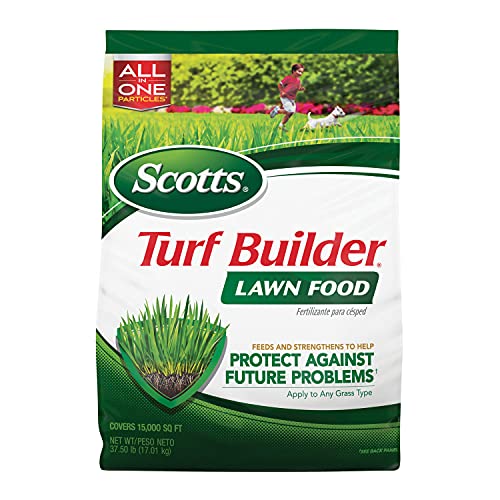
This is the classic “feed it right” bag from Scotts. The 37.5 lb size covers up to 15,000 square feet. That is great for larger yards or full-season programs. It builds roots and helps grass handle heat, cold, and foot traffic.
I reach for this when I want steady results. It lacks iron’s instant pop. But it feeds evenly and supports a thick, resilient lawn. It pairs well with spring pre-emergent and a fall winterizer.
Pros:
- Big bag, generous 15,000 sq ft coverage
- Steady feeding supports root strength
- No phosphorus in many Turf Builder blends
- Good base for a seasonal schedule
- Works across many grass types
- Easy to spread and calibrate
Cons:
- Not as fast to green as iron-rich blends
- No weed control included
- Over-application can risk burn in summer heat
What Amazon Buyers Are Saying
Customers like the even growth and thicker turf over a few weeks. Many note stronger grass that bounces back after stress. Some mention they prefer to add a separate iron product for color. A few report confusion with spreader settings, so double-check the bag label and your model.
My Recommendation
If you want the best all-around pick in Scotts vs Jonathan Green lawn fertilizer, this is it. It is the dependable “meat and potatoes” lawn food for most homes. You can add iron or weed control separately as needed. For price per square foot and consistent results, it is tough to beat.
| Category | Rating |
|---|---|
| Season-Long Feeding | 4.5/5 |
| Root Strength | 4.5/5 |
| Greening Speed | 3.5/5 |
| Coverage Value | 5/5 |
| Ease of Use | 4.5/5 |
| Overall Rating | 4.6/5 |
Jonathan Green Corn Gluten 10-0-2 (5,000 sq ft)

This 10-0-2 formula uses corn gluten meal as a natural pre-emergent. It helps prevent new weed seeds from sprouting. It also feeds the lawn with nitrogen. It is popular with homeowners who prefer an organic-leaning program.
Timing matters with corn gluten. Apply before weed seeds germinate in early spring and again in fall. Water it in, then let the soil surface dry out. Do not use it when you plan to overseed, because it can block grass seed germination too.
Pros:
- Natural pre-emergent effect on weed seeds
- Feeds with nitrogen while reducing weeds
- Good for organic-leaning lawn care
- Helps reduce chemical herbicide use
- Can improve lawn density over time
- Clear coverage for 5,000 sq ft
Cons:
- Won’t kill existing weeds
- Needs precise timing and dry-down to shine
- Not suitable during overseeding windows
What Amazon Buyers Are Saying
Many buyers like the natural angle and reduced weed pressure when applied on time. Some mention fewer dandelions and crabgrass seedlings the next season. Others report mixed results if rain hits right after application or if timing is off. A few note they prefer to pair it with spot treatments for existing weeds.
My Recommendation
If you want a natural pre-emergent in the Scotts vs Jonathan Green lawn fertilizer match-up, pick this. Use it early spring and fall. Follow the label on watering and drying. It requires discipline, but it rewards good timing with fewer weeds and a healthier, greener lawn.
| Category | Rating |
|---|---|
| Pre-Emergent Weed Reduction | 4/5 |
| Safety for Soil Biology | 4.5/5 |
| Ease of Timing | 3.5/5 |
| Feeding Power | 4/5 |
| Value for Organic Approach | 4/5 |
| Overall Rating | 4.1/5 |
Scotts Liquid Green Max Lawn Food (32 oz)

This hose-end bottle is fast and simple. You attach it to a standard garden hose. Then you walk and spray. It delivers nitrogen and iron for quick color and a visible boost.
I like it for small yards or spot treatments before events. It is also handy when you missed your granular window. The coverage is up to 2,000 sq ft. For larger lawns, pair it with a granular program for longer feeding.
Pros:
- Very fast green-up on small areas
- Simple hose-end application
- Iron for richer color
- Good emergency “fix my lawn now” tool
- No spreader needed
- Great for townhomes and small lots
Cons:
- Not cost-effective on large lawns
- Shorter feeding window than granular
- Iron overspray can stain driveways and patios
What Amazon Buyers Are Saying
Most buyers love the convenience. Many say they saw color change within a few days. Some warn about overspray on concrete. Others note the bottle can run out fast if you move too slowly. A few recommend light, even walking speed for best coverage.
My Recommendation
For speed and simplicity, this is a winner in the Scotts vs Jonathan Green lawn fertilizer comparison. Use it for quick tune-ups and small areas. Keep it off hard surfaces to avoid stains. For long-term feeding, stack it with a granular plan.
| Category | Rating |
|---|---|
| Greening Speed | 5/5 |
| Ease of Use | 5/5 |
| Coverage Efficiency | 3.5/5 |
| Color Depth | 4.5/5 |
| Long-Term Feeding | 3/5 |
| Overall Rating | 4.2/5 |
Jonathan Green Green-Up for Seeding 12-18-8

This is a true starter fertilizer. The 12-18-8 analysis supports seedling roots and early top growth. It is designed for new seed and sod. Use it at seeding and again four to six weeks later if the label allows.
If you seed every fall or repair patches in spring, this one is hard to beat. The phosphorus helps young roots. Many states limit phosphorus on established lawns. But they often allow it for new seeding. Always check local rules first.
Pros:
- Starter formula with phosphorus for roots
- Excellent for new seed and sod
- Clear 5,000 sq ft coverage per bag
- Pairs well with quality grass seed
- Helps early color and density
- Trusted by many serious DIY seeders
Cons:
- Contains phosphorus; may be regulated in your area
- Not meant for mature lawns year-round
- No weed control included
What Amazon Buyers Are Saying
Buyers often report better germination and early growth when using this at seeding. Many mention thicker baby grass with quicker establishment. Some caution that it will not stop weeds, so you must manage them separately. A few remind others to check phosphorus regulations and follow the bag rate.
My Recommendation
For new lawns, this is my top Jonathan Green pick in the Scotts vs Jonathan Green lawn fertilizer range. It gives seedlings what they need to take off. Follow your seeding schedule, water lightly and often, and mow on time. Expect stronger roots and quicker fill-in.
| Category | Rating |
|---|---|
| Seeding Support | 5/5 |
| Root Development | 5/5 |
| Regulatory Friendliness | 3.5/5 |
| Ease of Spreading | 4.5/5 |
| Early Color | 4.5/5 |
| Overall Rating | 4.6/5 |
How to Choose Scotts vs Jonathan Green lawn fertilizer
Picking the right fertilizer is easier when you match the product to your goal, your grass, and your timing. Here is how I guide clients and readers to the best choice with Scotts vs Jonathan Green lawn fertilizer, step by step.
1. Match the product to your exact goal
Need a fast color pop before guests arrive? Choose iron-forward options like Scotts Green Max (granular) or Scotts Liquid Green Max for a quick hit. Want strong, steady lawn health for the season? Go with Scotts Turf Builder. Planting new seed or laying sod? Choose Jonathan Green Green-Up 12-18-8 for root-first growth. Want fewer new weeds without harsher herbicides? Use Jonathan Green Corn Gluten 10-0-2 early spring and fall as a natural pre-emergent.
2. Check nutrients, your soil test, and local rules
Look at N-P-K. Nitrogen (N) drives growth and green. Phosphorus (P) helps roots, especially for new seed. Potassium (K) supports stress tolerance. Use a soil test to target real needs. Many areas limit phosphorus on established lawns, but allow it for seeding. That makes Jonathan Green’s 12-18-8 great for new lawns, yet not ideal for routine use. If your soil already has high P, pick no‑phosphorus fertilizers like many Turf Builder blends.
3. Choose your application style and schedule
Granular products are best for broad, longer feeding and larger yards. They work well in a 3-4 step seasonal plan. Liquids shine when you need speed or have a small area. A smart plan can mix both. For example, rely on Scotts Turf Builder for the backbone, add Scotts Green Max or the Liquid Green Max for fast color, add Jonathan Green Corn Gluten in spring/fall if you avoid chemical pre-emergents, and use Jonathan Green 12-18-8 whenever you seed.
Final Verdict: Which Should You Buy?
For most homeowners, Scotts Turf Builder Lawn Food (37.5 lb) is the best overall buy. It feeds evenly, builds stronger roots, and offers great coverage value.
Use Scotts Green Max for fast color, and Jonathan Green 12-18-8 for seeding. Add Corn Gluten if you prefer a natural pre-emergent. That balanced mix wins the Scotts vs Jonathan Green lawn fertilizer debate in real yards.
FAQs Of Scotts vs Jonathan Green lawn fertilizer
Which product greens up a lawn the fastest?
Scotts Green Max (granular) and Scotts Liquid Green Max give the fastest color due to added iron.
What should I use when planting new grass seed?
Choose Jonathan Green Green-Up 12-18-8. It is a starter fertilizer that supports strong early roots.
Can I use corn gluten and overseed at the same time?
No. Corn gluten can stop grass seed from sprouting. Apply it only when you are not overseeding.
Will iron in these products stain my driveway?
Yes, iron can stain concrete. Sweep or blow off hard surfaces right after application. Rinse promptly if needed.
How often should I fertilize during the season?
Most lawns do well every 6–8 weeks with granular feeding. Adjust based on grass type, season, and soil test.
Are these fertilizers safe for kids and pets?
Follow the label. Keep people and pets off the lawn until dust settles and the product is watered in and dry.
Which brand is better for weed prevention without herbicides?
Jonathan Green Corn Gluten 10-0-2 is the better natural pre-emergent choice for reducing new weed seedlings.