
Last updated: October 2026 · Written by the LawnVibe editorial team.
In the quinclorac vs mesotrione comparison, both active ingredients kill crabgrass selectively in many lawns, but they work differently and suit different situations. Quinclorac, found in products like BASF Drive XLR8, is the more direct option for killing emerged crabgrass in a wide range of labeled turf, including Bermuda and zoysia. Mesotrione, the active ingredient in Tenacity and Torocity, offers pre- and post-emergent activity, is popular in cool-season lawns and is often used around new seeding, but it can temporarily whiten plants and may need repeat applications on established crabgrass.
This comparison is based on product labels and university extension guidance, not hands-on testing; background on each compound is available for quinclorac and mesotrione. Labels vary between products, so the label in your hand always overrides general advice. For product picks, see our guide to the best crabgrass killer.
Quick Answer
In the quinclorac vs mesotrione comparison, both active ingredients kill crabgrass selectively in many lawns, but they work differently and suit different situations. Quinclorac, found in products like BASF Drive XLR8, is the more direct option for killing emerged crabgrass in a wide range of labeled turf, including Bermuda and zoysia. Mesotrione, the active ingredient in Tenacity and Torocity, offers pre- and post-emergent activity, is popular in cool-season lawns and is often used around new seeding, but it can temporarily whiten plants and may need repeat applications on established crabgrass.
Key takeaways:
- Quinclorac is the go-to for fast, direct crabgrass control in many labeled lawns, including Bermuda and zoysia.
- Mesotrione shines in cool-season lawns and around new seeding, with both pre- and post-emergent activity.
Quinclorac vs Mesotrione at a Glance
| Feature | Quinclorac | Mesotrione |
|---|---|---|
| Example products | Drive XLR8, Quintessential | Tenacity, Torocity |
| Activity | Mainly post-emergent | Pre and post-emergent |
| Speed on crabgrass | Generally faster on emerged plants | Slower; often repeat apps |
| Visible symptoms | Yellowing, browning | White bleaching |
| Cool-season turf | Commonly labeled | Commonly labeled |
| Bermuda and zoysia | Commonly labeled | Often not labeled for Bermuda |
| St. Augustine and centipede | Often not labeled | Check label |
| Use at seeding | Some labels list intervals | Commonly labeled for certain grasses |
| Other weeds controlled | Some broadleaf weeds, clover | Many broadleaf weeds, nutsedge suppression |
These are general patterns; confirm on the specific label you are using.
How Quinclorac Works
Quinclorac is a selective herbicide with activity on certain grassy weeds, including crabgrass, and some broadleaf weeds such as clover. It is absorbed through leaves and roots and causes susceptible plants to yellow and die over one to two weeks. It is widely used for emerged crabgrass in lawns because it is effective on more mature crabgrass than many alternatives, within label limits.
How Mesotrione Works
Mesotrione inhibits an enzyme involved in pigment production, causing susceptible plants to turn white as chlorophyll is destroyed by sunlight. It has soil activity, providing some pre-emergent control, and foliar activity on emerged weeds. It controls many broadleaf weeds and young crabgrass and can suppress yellow nutsedge. Some cool-season turf can whiten briefly but recovers.
Speed and Effectiveness on Crabgrass
On young crabgrass, both can be effective. On larger, tillered crabgrass, quinclorac is often preferred for faster, more reliable control in a single application, while mesotrione programs commonly use two or more applications a few weeks apart as the label permits. For prevention, mesotrione's soil activity adds value, but most homeowners still rely on a dedicated pre-emergent; see prodiamine vs dithiopyr.
Grass Type Safety
Grass type is often the deciding factor. Quinclorac is commonly labeled for Kentucky bluegrass, tall fescue, perennial ryegrass, Bermuda and zoysia, but many labels exclude St. Augustine, centipede and bahia. Mesotrione is commonly labeled for cool-season grasses like Kentucky bluegrass, tall fescue and perennial ryegrass, while Bermuda is often not listed. Some mesotrione labels include certain warm-season grasses at specific rates. Always confirm your grass on the label.
Using Them Around New Seeding
If you are seeding or overseeding, mesotrione stands out because many labels allow application at seeding for certain cool-season grasses, helping control weeds while new grass establishes. Quinclorac labels may also allow use on new seedings of some grasses after specific intervals. Our guide on pre-emergent and grass seed explains why most traditional pre-emergents conflict with seeding.
Surfactants and Mixing
Many mesotrione products recommend adding a nonionic surfactant to improve leaf coverage. Some quinclorac products call for an adjuvant such as methylated seed oil, while ready-to-use formulations already include what they need. Mix only the amount you will use, measure carefully and follow label rates.
Weather and Timing
Both work best on actively growing weeds when the lawn is not drought stressed. Avoid spraying right before heavy rain, and check the rainfast time on your label. Many labels caution against application in extreme heat. Mow a few days before and after application so herbicides have leaf surface to work on.
Cost Considerations
Mesotrione concentrates are typically sold in small bottles that treat a large area at label rates, while quinclorac is available as professional concentrates and in many ready-to-use consumer products. The cost per treated area depends on rates and the number of applications needed. Generic versions of both active ingredients are widely available.
Which Should You Choose?
Choose quinclorac if you need to kill emerged crabgrass quickly, have Bermuda or zoysia, or want a single targeted application. Choose mesotrione if you have a cool-season lawn, are seeding or overseeding, want pre- and post-emergent activity and do not mind temporary whitening and repeat applications.
Weeds Controlled Beyond Crabgrass
Quinclorac labels commonly list crabgrass, barnyardgrass, foxtail and broadleaf weeds such as clover, black medic and speedwell, though exact lists vary. Mesotrione labels commonly list crabgrass, goosegrass suppression in some cases, dandelion, clover, chickweed, henbit, ground ivy suppression and yellow nutsedge suppression, among others. If your lawn has a mix of weeds, compare the weed lists on the labels to see which covers more of your problems.
Application Rates and Coverage
Both products are applied at specific rates per 1,000 square feet or per acre, listed on the label. Measure your lawn accurately, calibrate your sprayer and mix only what you need. Over-application does not improve results and can injure turf or exceed legal limits. Many mesotrione programs use two applications spaced a few weeks apart, while quinclorac may be applied once or twice depending on crabgrass size and the label.
Sprayer Setup Tips
Use a pump or battery sprayer with a fan nozzle for even coverage. Keep a dedicated sprayer for herbicides, rinse it thoroughly after each use and never use it for insecticides or fertilizers on edible plants. Walk at a steady pace and overlap passes slightly. Adding a spray indicator dye helps you see where you have sprayed. Our guide on how to calibrate a backpack sprayer explains calibration.
What Results Look Like
After a quinclorac application, crabgrass typically yellows and browns over one to two weeks. After mesotrione, weeds turn bright white within several days, then collapse; desirable turf may show faint whitening that fades. If plants are only partially affected, a second application may be allowed after the interval stated on the label.
Resistance and Rotation
Relying on a single herbicide mode of action year after year can contribute to herbicide resistance in weeds. Rotating or combining modes of action, as allowed on labels, and using non-chemical practices such as proper mowing and overseeding helps keep weeds susceptible. Quinclorac and mesotrione have different modes of action, which is one reason professionals may use both in a season.
Safety Precautions
Wear the personal protective equipment listed on the label, typically long sleeves, long pants, gloves and shoes with socks. Keep people and pets off treated areas until sprays dry. Store products in original containers, out of reach of children and away from food. Do not apply near wells, ponds or streams unless the label permits, and never pour leftovers down drains.
Professional vs Homeowner Products
Some quinclorac and mesotrione products are sold in professional packaging with higher concentrations, while consumer products are pre-diluted. Professional concentrates can be more economical but require careful measuring. Ready-to-use consumer products are easier for small lawns and spot treatments but cost more per area.
A Sample Season Plan for Cool-Season Lawns
In early spring, apply a pre-emergent to areas that are not being seeded. If you are seeding in spring, consider mesotrione at seeding as allowed on the label instead of a traditional pre-emergent. In late spring and early summer, scout for crabgrass and treat young plants with quinclorac or mesotrione. In midsummer, spot-treat escapes only when the lawn is not heat or drought stressed. In early autumn, overseed thin areas and use mesotrione if the label allows for weed control during establishment.
A Sample Season Plan for Warm-Season Lawns
For Bermuda and zoysia, apply a pre-emergent in late winter to early spring before soil warms. Spot-treat crabgrass escapes with quinclorac, where labeled, while plants are young. For St. Augustine and centipede, check labels carefully, as many quinclorac products are not labeled for these grasses; alternative products and strategies may be needed. Your local extension office can recommend products for your region.
Frequently Confused Terms
Selective herbicides kill certain plants while sparing others, such as crabgrass in a fescue lawn. Non-selective herbicides kill most plants they contact. Systemic herbicides move within the plant to roots and growing points, while contact herbicides affect only the tissue they touch. Pre-emergent herbicides stop seedlings as they germinate, while post-emergents kill plants that are already growing. Quinclorac and mesotrione are both selective and systemic, and mesotrione has both pre- and post-emergent activity.
When Neither Is the Right Answer
If your lawn is more weeds than grass, or crabgrass is mature and seeding in late summer, herbicides may not be the best investment. Removing seedheads, letting frost kill the annual crabgrass, overseeding in autumn and applying a pre-emergent next spring often gives better long-term results.
How to Read a Herbicide Label Quickly
Start with the active ingredient and concentration on the front panel. Then find the list of tolerant turfgrasses, which tells you whether the product is safe for your lawn. Check the weeds controlled list, the application rate per 1,000 square feet, the required adjuvants, the maximum number of applications per year and the reseeding interval. Finally, read the precautionary statements and personal protective equipment section. Taking five minutes to read these sections prevents most mistakes.
Tips for Better Results With Either Product
Treat weeds when they are young and actively growing. Water the lawn a day or two before application if it is dry, so plants are not drought stressed. Avoid mowing for a few days before and after spraying. Use clean water for mixing, agitate the sprayer as you go and apply on a calm day to prevent drift. Follow up by improving lawn density so new crabgrass has less room to establish.
Storing Leftover Herbicide
Keep unused concentrate in its original, tightly closed container in a cool, dry place away from freezing temperatures, food and children. Do not store mixed spray solution for long periods. Dispose of empty containers and unwanted product according to the label and local hazardous waste rules.
Products and Supplies for Each Herbicide
Pick the active ingredient that matches your lawn, then the supplies your label calls for. Details come from Amazon listings; we have not hands-on tested them.

BASF Drive XLR8 Crabgrass Killer (Quinclorac)
Best for: Established crabgrass in tolerant lawns
A professional quinclorac herbicide in a water-based formulation that BASF says is rainfast in under an hour with up to 30 days of residual control.
- Targets crabgrass directly
- Pro-grade quinclorac
- Rainfast quickly per label
- Requires mixing and a sprayer
- Not labeled for every turf type; check label

Syngenta Tenacity Turf Herbicide (Mesotrione)
Best for: Cool-season lawns and seeding projects
A systemic mesotrione herbicide with pre- and post-emergent activity on crabgrass and other listed weeds.
- Pre and post-emergent activity
- Labeled for use around seeding in cool-season lawns
- Can temporarily whiten turf and weeds
- Requires surfactant and sprayer
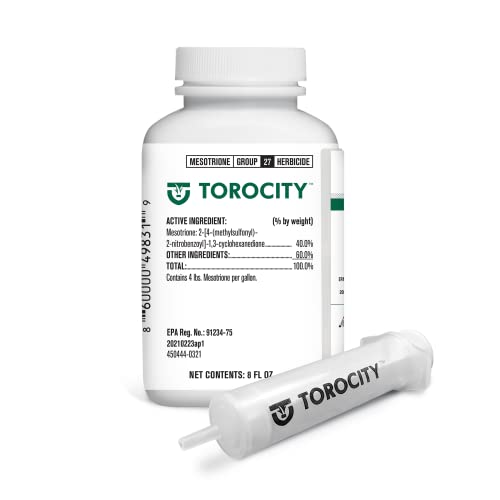
Atticus Torocity Mesotrione Herbicide, 8 oz
Best for: Budget mesotrione users
A 40 percent mesotrione concentrate with the same active ingredient as Tenacity.
- Same active ingredient as Tenacity
- Pre and post-emergent
- Same bleaching and label limits as mesotrione

Southern Ag Non-Ionic Surfactant for Herbicides, 16 oz
Best for: Mesotrione mixes
A nonionic surfactant to improve spray coverage when a herbicide label calls for one.
- Improves leaf coverage
- Small pint size for home use
- Only add when the label calls for it

Southern Ag Methylated Seed Oil (MSO), 32 oz
Best for: Quinclorac mixes that call for MSO
An MSO adjuvant used with some post-emergent herbicides as directed on the label.
- Improves uptake
- Quart size
- Only use if the label specifies MSO
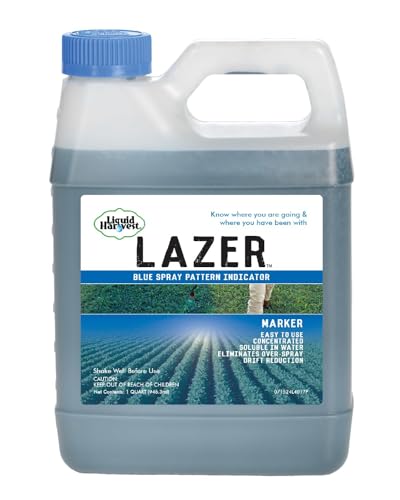
Liquid Harvest Lazer Blue Spray Pattern Indicator, 32 oz
Best for: Seeing where you sprayed
A concentrated blue dye that shows sprayed areas to avoid gaps and overlaps.
- Prevents double spraying
- Fades over time
- Can temporarily stain surfaces
See all our picks in the best crabgrass killer guide.
Common Mistakes
Common mistakes include using either product on unlisted grass types, skipping surfactant when required, expecting instant results, mowing immediately after spraying, applying in drought or extreme heat and mixing products without label guidance.
Final Thoughts on Quinclorac vs Mesotrione
Quinclorac is the go-to for fast, direct crabgrass control in many labeled lawns, including Bermuda and zoysia. Mesotrione shines in cool-season lawns and around new seeding, with both pre- and post-emergent activity. Let your grass type and seeding plans decide, read the label carefully and compare products in our best crabgrass killer guide.
More Questions People Ask
Is Tenacity better than Drive XLR8?
Neither is universally better. Drive XLR8 (quinclorac) is often faster on emerged crabgrass, while Tenacity (mesotrione) offers pre-emergent activity and seeding flexibility in cool-season lawns.
How long does mesotrione whitening last?
Turf whitening from mesotrione is usually temporary and fades as new growth emerges, often within a couple of weeks.
Can quinclorac be used on new grass?
Some labels allow use on newly seeded or established seedlings of specific grasses after a stated interval. Check the label for your grass.
Does quinclorac kill clover?
Many quinclorac labels list clover among controlled weeds. Check your specific product label.
Frequently Asked Questions
Which is better for crabgrass, quinclorac or mesotrione?
Quinclorac is generally the faster, more direct choice for killing emerged crabgrass in labeled turf. Mesotrione is valued in cool-season lawns, especially around seeding, and offers pre- and post-emergent activity but often needs repeat applications.
Can I mix quinclorac and mesotrione?
Only follow tank-mix directions that appear on the product labels. Do not combine products unless the labels allow it.
Why does mesotrione turn grass white?
Mesotrione blocks pigment production, causing treated weeds, and sometimes turf temporarily, to turn white. Turf usually recovers as it grows.
Can I seed after using quinclorac or mesotrione?
Mesotrione labels commonly allow use at seeding for certain cool-season grasses. Quinclorac labels also list seeding intervals for some grasses. Always check the label for your grass type.
Do these herbicides need surfactant?
Many mesotrione products recommend a nonionic surfactant, and some quinclorac products call for an adjuvant such as methylated seed oil. Follow the specific product label.