
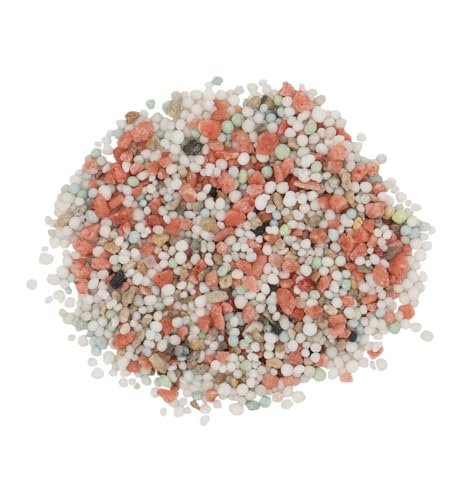
Milorganite offers gentle, organic feeding; The Andersons deliver fast, targeted results.
You want thick, green grass without guesswork. Maybe the lawn looks pale. Maybe you need quick color before guests arrive. Or you want a safe, low-salt, slow feed for kids and pets. Milorganite vs The Andersons lawn fertilizer is a common fork in the road. Both work. They just solve different problems. I’ve tested both across seasons. In this guide, I break down when Milorganite shines and when The Andersons make more sense. I also highlight the best Andersons formulas for fall, new lawns, weed control, and everyday feeding.
See the differences between my top picks at a glance.
| Product | N-P-K | Source Type | Release Speed | Best Use | Notes |
|---|---|---|---|---|---|
| Milorganite (biosolid) | 6-4-0 | Organic biosolid | Very slow, steady | All-season soil feeding | Earthy odor; adds 2.5% iron; low burn risk |
| Andersons PGF Complete | 16-4-8 | Pro-grade synthetic + Humic DG | Balanced slow/quick | Fast color and even growth | Fine granules spread evenly; water in |
| Andersons Core | 24-6-12 | Pro-grade synthetic | Quick plus controlled | High-performance feeding | Higher N for vigorous growth |
| Andersons Fall Lawn Food | 24-0-14 | Pro-grade synthetic | Quick plus controlled | Fall recovery and winter prep | Zero P; strong K for stress tolerance |
Andersons Fall Lawn Food 24-0-14 (5,000 sq ft)

This fall formula targets what turf needs most after a long summer. You get strong nitrogen for recovery and thickening. You also get a generous dose of potassium to toughen cells before winter. The zero-phosphorus analysis helps you comply with local P rules in many regions.
I like this pick when I want fast color and root-friendly reserves in September to November. It pairs well with a core aeration or overseed plan. Compared to Milorganite, it greens up quicker and preps the lawn better for frost. It does not improve soil organic matter like Milorganite, but it does set you up for a bold spring green-up.
Pros:
- High potassium supports winter hardiness
- Zero phosphorus for areas with P restrictions
- Quick visual response with balanced release
- Great for recovery after summer stress
- Helps set up an earlier spring green-up
Cons:
- Not organic; lacks soil-building carbon
- Needs watering in after application
- May not be ideal for brand-new seed without a starter
What Amazon Buyers Are Saying
Buyers often praise the fast color boost and a thicker look by late fall. Many appreciate the zero-phosphorus formula for local compliance. Some note they needed a spreader calibration to avoid stripes. A few mention they prefer pairing it with a late-fall “winterizer” pass for best results.
My Recommendation
If you want that strong fall recovery and sturdy winter prep, this is a smart pick. I use it when I want more pop than Milorganite gives in cool weather. For a fall-specific feed, it earns high marks.
| Category | Rating |
|---|---|
| Fall Recovery | 4.7/5 |
| Greening Speed | 4.6/5 |
| Soil Health Support | 3.5/5 |
| Ease of Use | 4.5/5 |
| Value | 4.5/5 |
| Overall Rating | 4.5/5 |
Andersons Core 24-6-12 All-Purpose (45 lb)
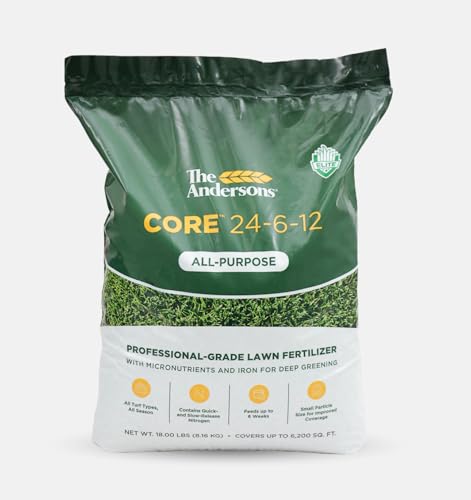
Core 24-6-12 is a heavy-hitter for fast growth and ongoing feed. It carries high nitrogen for robust top growth. The balanced P and K round out the needs for most lawns. If you want quick response and a pro-grade finish, this one fits.
In a Milorganite vs The Andersons lawn fertilizer matchup, Core wins for speed and density. It delivers deeper color in days, not weeks. Milorganite still wins if you want low salt, very slow feed, and more iron-driven color. But for peak-season performance, Core has the edge.
Pros:
- High nitrogen for quick green and thickening
- Balanced nutrients for overall turf vigor
- Pro-grade granulation for even spread
- Good for high-traffic and athletic-looking turf
- Big bag size suits larger lawns
Cons:
- Not ideal if you prefer organic inputs
- Requires careful watering-in
- May push growth faster than some want
What Amazon Buyers Are Saying
Many note a quick green-up and thicker look within a week or two. Reviewers often like the professional-grade granules that spread clean. Common cautions include the need to water in well and to avoid over-application during heat waves.
My Recommendation
Pick Core 24-6-12 when you want a lush, manicured look fast. It is strong, so follow the label. For all-purpose feeding outside fall-only programs, I rate it highly.
| Category | Rating |
|---|---|
| Greening Speed | 4.8/5 |
| Turf Density | 4.7/5 |
| Soil Friendliness | 3.6/5 |
| Spreadability | 4.7/5 |
| Value (Large Lawns) | 4.6/5 |
| Overall Rating | 4.6/5 |
Andersons PGF Complete 16-4-8 with Humic DG

PGF Complete blends fast results with a steady feed and adds Humic DG. Humic DG helps nutrient uptake and soil structure over time. The small, uniform granules lay down like a pro spread. It is a favorite for that “golf-course” finish at home.
Head-to-head, Milorganite vs The Andersons lawn fertilizer tests often show PGF greening faster. Milorganite adds organic matter and iron-rich color, but it takes patience. PGF is the better day-7 hero. It also suits both cool- and warm-season grasses during active growth.
Pros:
- Quick visual kick plus sustained feeding
- Humic DG supports soil performance
- Fine, even granulation reduces streaking
- Balanced N-P-K fits most lawns
- Good match for striping and reel-mowed turf
Cons:
- Contains synthetic nutrients; not organic
- Water-in requirement adds a step
- May not be ideal in drought without irrigation
What Amazon Buyers Are Saying
Common praise mentions quick color, even spread, and a tidy finish. Many like the addition of Humic DG and report fewer micronutrient issues. A few point out the need for consistent watering to avoid tip burn in hot spells.
My Recommendation
PGF Complete is my top “all-around” Andersons choice. It is the safe bet if you want fast, even results without chasing niche formulas. It pairs well with Milorganite in a hybrid plan too.
| Category | Rating |
|---|---|
| Greening Speed | 4.7/5 |
| Even Coverage | 4.8/5 |
| Soil Support (Humic DG) | 4.4/5 |
| Versatility (Seasons) | 4.6/5 |
| Value | 4.5/5 |
| Overall Rating | 4.6/5 |
Andersons New Lawn Starter 20-27-5 (18 lb)

Starter fertilizers are about roots first. This one packs high phosphorus to drive early root mass and quicker establishment. It includes nitrogen for top growth and potassium for stress resistance. It is built for seeding and sodding projects.
Milorganite vs The Andersons lawn fertilizer for fresh seed? Choose this starter. Milorganite helps soil over time but lacks that high P needed on day one. Andersons Starter gets seedlings moving faster. After 4–6 weeks, you can switch to a maintenance blend like PGF Complete or Milorganite.
Pros:
- High phosphorus supports fast root growth
- Good for seed and sod projects
- Balanced N and K for early vigor
- Works as a first feeding after germination
- Clear upgrade over general-purpose blends for new lawns
Cons:
- Phosphorus may be restricted in some areas
- Short window of use; not a year-round product
- Needs careful application to avoid seed displacement
What Amazon Buyers Are Saying
Many buyers report quicker germination and thicker fills by week three to four. Reviews often note stronger sod rooting within a couple of weeks. A few users mention they had to confirm local rules for P before buying.
My Recommendation
For new installs or heavy overseeds, use this. It does what a starter should do: build roots fast. Milorganite can follow later for steady, organic feeding.
| Category | Rating |
|---|---|
| Root Establishment | 4.8/5 |
| Early Growth | 4.6/5 |
| Seasonal Fit | 4.2/5 |
| Ease for Beginners | 4.5/5 |
| Value for Projects | 4.6/5 |
| Overall Rating | 4.6/5 |
Andersons Surge Weed & Feed 16-0-9 (40 lb)

Got weeds and need food in one pass? Surge Weed & Feed brings selective, post-emergent weed control with fertilizer. It targets broadleaf weeds while feeding the grass. The 16-0-9 analysis helps lawns recover as weeds fade.
Against Milorganite, this is a different tool. Milorganite does not kill weeds. Surge does. Use it when dandelions, clover, and other broadleaf invaders pop. Confirm grass type and seasonal timing on the label before you apply.
Pros:
- Weed control and feeding in one pass
- Zero phosphorus fits many local rules
- Supports recovery where weeds thinned turf
- Saves time versus two separate steps
- Large bag covers big areas
Cons:
- Contains herbicides; follow label with care
- Weather and weed stage matter for results
- Not for new seed or very young lawns
What Amazon Buyers Are Saying
Users report a visible weed knockdown when used per label and in good weather windows. Many like the fast color from the fertilizer side. Complaints usually stem from poor timing or trying it on weeds outside the target list.
My Recommendation
Use Surge if weeds share space with your lawn and you want one pass. It is not a Milorganite replacement. It is a smart fix when broadleaf pressure spikes.
| Category | Rating |
|---|---|
| Weed Control Effectiveness | 4.5/5 |
| Greening & Recovery | 4.4/5 |
| Application Flexibility | 3.9/5 |
| Safety & Label Clarity | 4.1/5 |
| Value | 4.3/5 |
| Overall Rating | 4.3/5 |
How Milorganite Compares (When You Should Use It)
You cannot review Milorganite vs The Andersons lawn fertilizer without stating the core truth. Milorganite feeds slow and safe. It builds soil. It adds iron for deep color. But it will not deliver an overnight change. It will not kill weeds. Here is when I reach for Milorganite instead of an Andersons blend.
- Soil-first program: You want organic matter and microbe activity.
- Kids and pets: You prefer a low-salt, non-burning feed.
- Summer stress: You need a gentle feeding during heat.
- Iron color: You want darker green without chasing nitrates.
- Smell tolerance: You do not mind an earthy odor on application day.
My favorite hybrid plan uses both. I run Milorganite in the shoulder seasons or during stress. I use an Andersons formula in peak growth windows or for targeted goals like fall build or weed control. That way, the lawn gets fast response when needed and steady soil support all year.
How to Choose Milorganite vs The Andersons lawn fertilizer
Match your lawn goals to the right tool. Keep it simple. Use the steps below to pick the best fit for your yard, season, and budget.
1. Start with your goal and season
Want fast color before a party? Pick Andersons PGF Complete or Core. Need fall recovery and winter prep? Choose Andersons Fall Lawn Food. Planting seed or laying sod? Use Andersons New Lawn Starter. Battling broadleaf weeds? Go with Andersons Surge Weed & Feed per label.
Want steady, gentle feeding and soil health? Choose Milorganite. It wins in summer stress and in low-input programs. In a Milorganite vs The Andersons lawn fertilizer decision, your timeline and season often decide the winner.
2. Choose nutrient source and release pattern
Milorganite is organic and very slow. It is hard to burn and very safe when used as directed. The Andersons lines use synthetic nutrients and controlled-release tech. They give a faster pop and precise N-P-K ratios for each task.
If you want both, run a hybrid: light Milorganite for baseline color and soil, then layer Andersons for in-season punch. Keep total nitrogen per 1,000 sq ft within label ranges.
3. Check coverage, rate, and cost per 1,000 sq ft
Always compare cost by the 1,000 sq ft rate on the label. Some bags look cheap but need heavy application. Others look pricey but go further. For large lawns, big Andersons bags (like Core 45 lb) often win on value.
Milorganite rates tend to be higher per 1,000 sq ft than many synthetics. But it adds organic matter and iron, which can offset micronutrient buys. Do the math for your yard size and your program length.
Final Verdict: Which Should You Buy?
For fast, visible results and targeted outcomes, choose The Andersons. PGF Complete is the best all-around. Use Milorganite when you want gentle, organic feeding, deeper iron color, and soil gains over time.
Think in seasons and goals. Milorganite vs The Andersons lawn fertilizer is not either-or. Use each where it shines. Your lawn will look better, faster, and stay healthy longer.
FAQs Of Milorganite vs The Andersons lawn fertilizer
Is Milorganite better than The Andersons for quick green-up?
No. Andersons formulas like PGF Complete or Core green up faster. Milorganite works slower but builds soil and color over time.
Can I use Milorganite and The Andersons together?
Yes. Many homeowners use a hybrid plan. Space applications per label. Track total nitrogen per 1,000 sq ft.
Which is safer for kids and pets?
Both are safe when used as directed. Milorganite has a low burn risk. For synthetics, water in and let the lawn dry before play.
What should I use for fall feeding?
Use The Andersons Fall Lawn Food 24-0-14 for recovery and winter prep. Milorganite can follow at a light rate to support soil.
What is best for new seed or sod?
Pick The Andersons New Lawn Starter 20-27-5. It has high phosphorus for early roots. Save Milorganite for later maintenance feeds.
Will Milorganite kill weeds?
No. It is a fertilizer only. Use The Andersons Surge Weed & Feed for labeled broadleaf weeds and follow the directions.
How often should I apply these fertilizers?
Follow the label. Many Andersons blends run every 6–8 weeks in season. Milorganite often runs every 4–6 weeks as part of a soil-first plan.