

Starting your vegetable garden begins with one simple but crucial step: watering your seeds the right way. If you water too much, your seeds might rot; too little, and they won’t sprout at all.
You want to give your seeds just the perfect amount of moisture to help them grow strong and healthy from the very start. You’ll discover easy and effective watering tips that anyone can follow—whether you’re planting indoors or outside. Keep reading to learn how to master watering your vegetable seeds and set your garden up for success!
Credit: unnhem.se
Seed Watering Basics
Watering vegetable seeds correctly sets the stage for strong, healthy plants. Seeds need the right amount of moisture to sprout and develop roots. Too much water can drown them, while too little slows growth. Understanding basic watering practices helps avoid common mistakes and supports steady seedling progress.
Why Proper Watering Matters
Seeds absorb water to start germination. Without enough moisture, they stay dormant. Overwatering causes seeds to rot or encourages mold growth. Proper watering keeps soil moist but not soaked. This balance helps seeds sprout quickly and grow into healthy plants. Consistent moisture also supports root development and nutrient uptake.
Water Needs By Seed Type
Different vegetable seeds require varying water levels. Small seeds like lettuce need light, frequent watering. Larger seeds such as beans or peas prefer deeper, less frequent watering. Seeds in sandy soil dry faster and need more water than those in clay soil. Check seed packet instructions for specific watering guidance. Adjust watering based on seed size, soil type, and environmental conditions.
Watering Techniques
Watering vegetable seeds correctly helps them grow strong and healthy. Choosing the right technique can protect seeds from damage. It also ensures the soil stays moist without becoming too wet. Proper watering encourages roots to develop deeply and evenly. Here are effective watering methods to try for your seeds.
Top Watering Vs Bottom Watering
Top watering means pouring water directly onto the soil surface. This method is simple but can wash away seeds or cause soil to clump. It works well if done gently with a watering can or spray nozzle. Avoid overwatering to prevent seed rot.
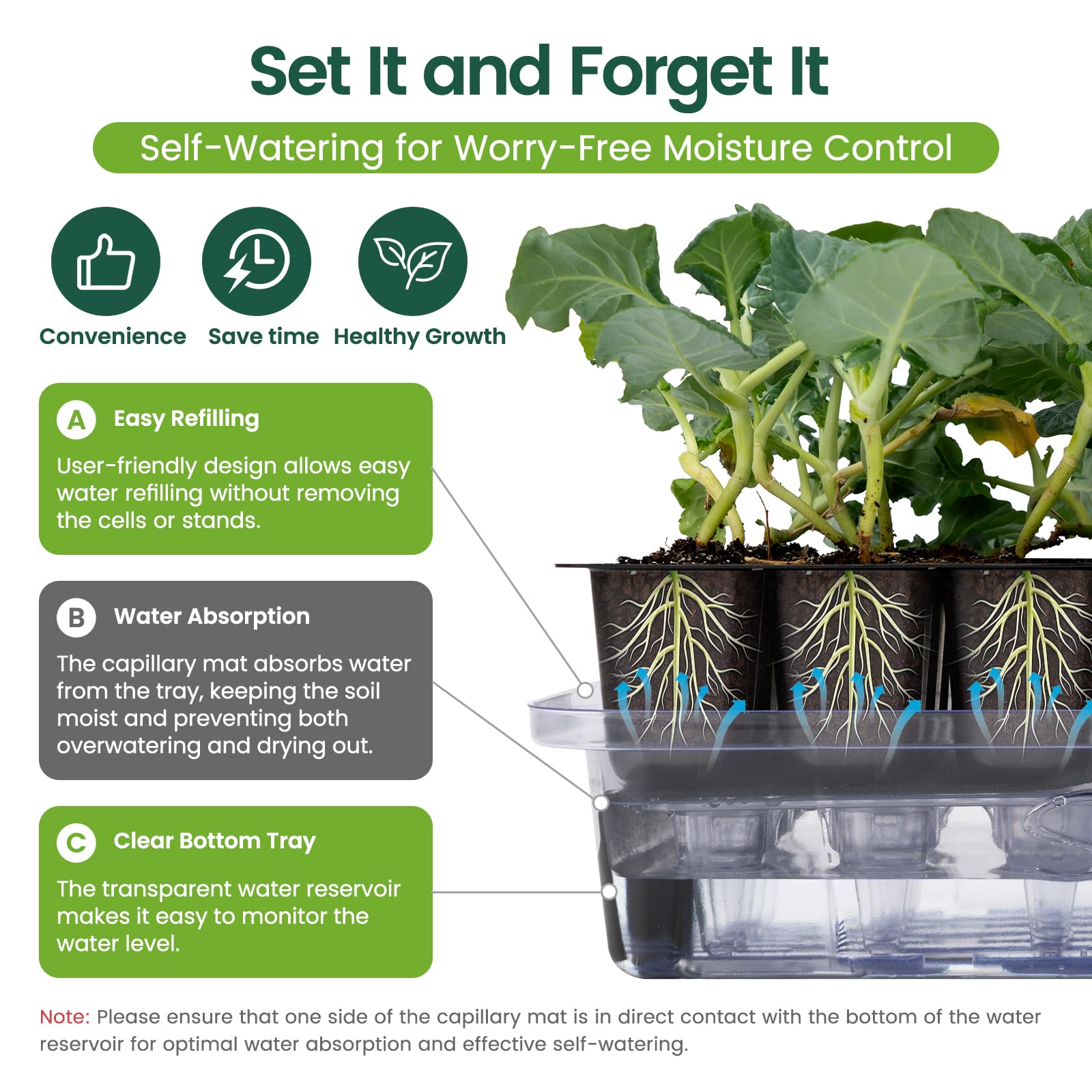
Bottom watering involves placing seed containers in a shallow tray of water. The soil absorbs water from the bottom up through drainage holes. This keeps the soil moist without disturbing seeds. It also reduces the chance of fungal problems. Let the containers soak for 10-20 minutes, then remove them to drain excess water.
Using Misting For Delicate Seeds
Misting uses a fine spray of water to moisten the soil. This method suits small or fragile seeds that can wash away easily. Use a spray bottle to lightly mist the surface once or twice daily. Misting keeps the soil damp without flooding it. It also adds humidity around the seeds, which helps germination.
Be careful not to overdo misting, as too much moisture invites mold. Adjust misting frequency based on your seed type and room conditions. This gentle approach supports tender seedlings during early growth.
Watering Frequency
Watering frequency plays a key role in the healthy growth of vegetable seeds. Giving seeds the right amount of water helps them sprout strong roots and grow into healthy plants. Water too often or too little, and the seeds may struggle to grow or even die.
Finding the best watering schedule depends on many factors like seed type, soil, and weather. Understanding how often to water helps avoid common problems and supports vibrant growth.
Daily Vs Less Frequent Watering
Daily watering keeps the soil moist but can cause problems if overdone. Seeds need moisture to germinate but too much water may drown them. Watering every day works best for very dry or sandy soil that dries quickly.
Less frequent watering allows the soil to dry slightly between sessions. This helps roots grow deeper and stronger. Watering every two to three days often suits most seeds in regular garden soil. Adjust watering based on weather and soil moisture.
Signs Of Overwatering And Underwatering
Overwatered seeds may show mold on the soil surface or a sour smell. Leaves turn yellow or wilt even with wet soil. Seedlings may rot at the base and fail to grow.
Underwatered seeds dry out and fail to sprout. Soil pulls away from the sides of the container. Leaves become dry, brown, and curl at the edges. Seeds may die if water is too scarce.

Credit: survivalgardenseeds.com
Water Quality And Temperature
Water quality and temperature play a key role in the early stages of vegetable seed growth. Seeds need clean, suitable water that supports germination and root development. The wrong water can harm young seedlings or slow their progress. The right temperature helps seeds sprout faster and grow stronger roots.
Choosing The Right Water
Use fresh, clean water free from chemicals and pollutants. Tap water often contains chlorine or fluoride, which may affect seed growth. Let tap water sit for 24 hours to allow chlorine to evaporate before using it. Rainwater or filtered water is ideal for watering seeds. Avoid using hard water with high mineral content as it can harm seedlings.
Ideal Water Temperature For Seeds
Water temperature should match the seed’s natural environment. Lukewarm water between 65°F and 75°F is best for most vegetable seeds. Cold water can shock seeds and slow germination. Hot water may damage delicate seed tissues. Use room temperature water to keep seeds comfortable and encourage healthy growth.
Soil Preparation For Watering
Preparing the soil is the first step to successful watering of vegetable seeds. Healthy soil helps seeds absorb water evenly. Proper soil also prevents water from pooling or drying out too fast. This section explains how to prepare soil for watering vegetable seeds effectively.
Selecting Well-draining Soil
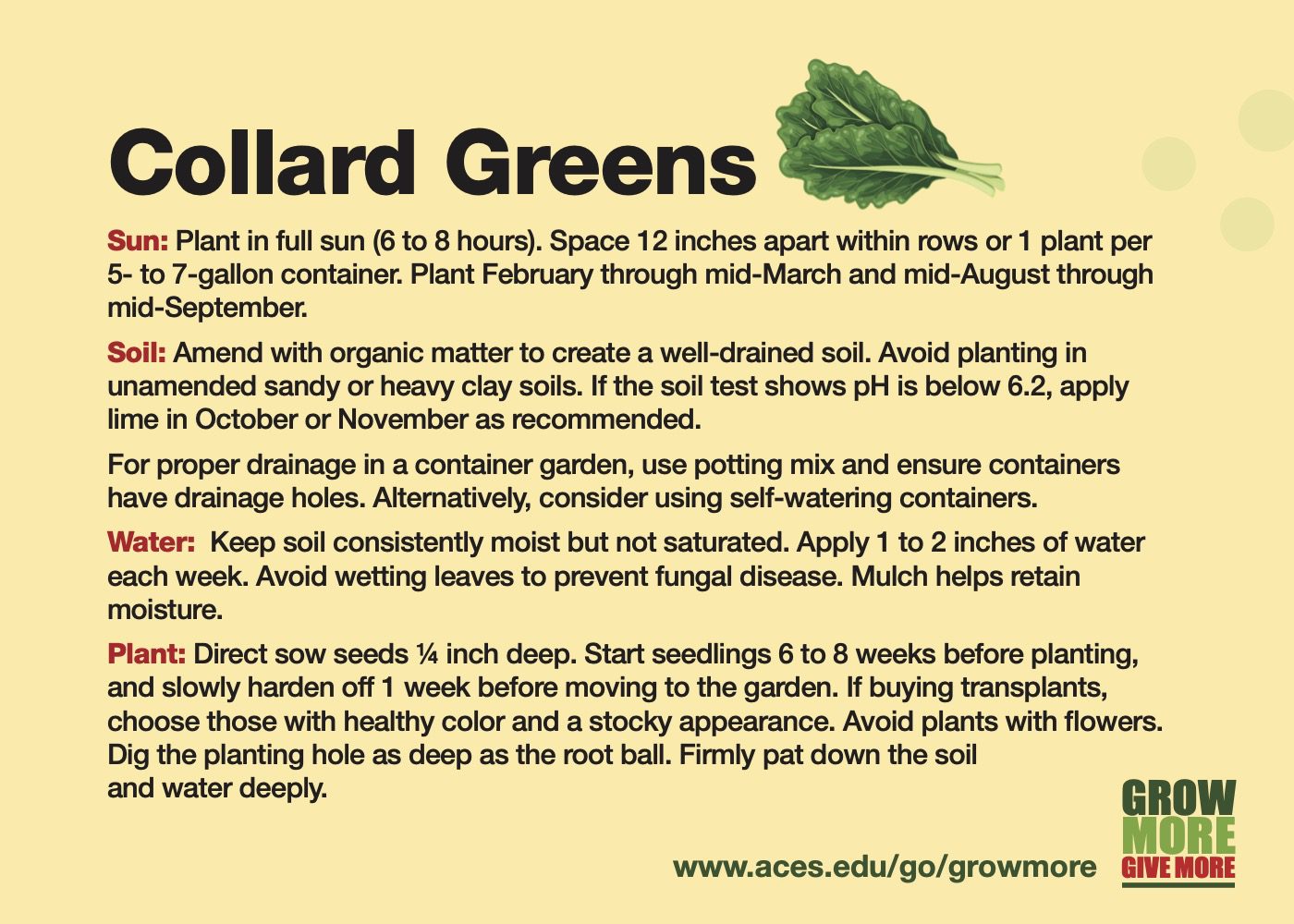
Choose soil that drains water well but still holds some moisture. Avoid heavy clay soils that keep water too long. Sandy soils drain quickly but may dry out fast. Mix organic matter like compost into the soil to improve drainage. Well-draining soil stops seeds from rotting due to excess water. It also provides air to the roots for healthy growth.
Moisture Retention Tips
Keep soil moist without overwatering. Add materials like peat moss or coconut coir to help soil hold water. Mulch on top of the soil reduces evaporation and keeps moisture steady. Water seeds gently to avoid washing them away. Check soil moisture daily by touching the surface. Soil should feel damp but not soggy for best seed growth.
Watering Indoor Vs Outdoor Seeds
Watering vegetable seeds requires different care depending on whether they grow indoors or outdoors. The environment affects moisture levels and watering frequency. Understanding these differences helps seeds grow strong and healthy. Below, learn how to adjust watering for indoor seeds and handle outdoor watering challenges.
Adjusting For Indoor Conditions
Indoor seeds need gentle watering to avoid waterlogging. Use a spray bottle or a watering can with a fine spout. This method prevents soil from washing away. Keep the soil moist but not soaked. Indoor air is often drier, so check soil daily. Avoid letting the top dry out completely. Use trays or humidity domes to keep moisture consistent. Place seeds near light but away from heaters or vents. These factors help maintain the right moisture for seed germination.
Outdoor Seed Watering Challenges
Outdoor seeds face weather changes like wind, rain, and sun. These elements can dry out or flood the soil quickly. Water early in the morning to reduce evaporation. Use a gentle watering method, such as a watering can or drip irrigation. Mulch around seeds to keep soil moist and protect from temperature swings. Monitor rainfalls and adjust watering accordingly. Wind can dry soil fast, so water more often during windy days. Outdoor watering needs close attention to keep seeds from drying or drowning.
Common Watering Mistakes
Watering vegetable seeds might seem easy, but common mistakes can harm young plants. These errors slow growth and lower your garden’s success. Proper watering helps seeds sprout strong and healthy. Avoiding common pitfalls keeps soil and seeds in good condition.
Avoiding Seed Rot And Mold
Overwatering causes seed rot and mold growth. Seeds need moisture but not too much water. Watering too often leaves soil soggy. Soggy soil blocks air and causes seeds to decay. Use a gentle spray to moisten soil evenly. Let soil surface dry slightly before watering again. This practice stops mold spores from growing. Good air circulation also helps keep seeds dry.
Preventing Soil Compaction
Heavy watering can compact soil around seeds. Compacted soil blocks root growth and air flow. Roots need loose soil to spread and absorb nutrients. Water with a light hand to keep soil fluffy. Avoid pouring water directly onto seeds. Use a watering can with a fine rose or a spray bottle. Water slowly to allow soil to absorb moisture gently. Check soil texture often to prevent hard crusts.
Credit: www.aces.edu
Tools To Aid Watering
Using the right tools can make watering vegetable seeds easier and more effective. Tools help deliver water evenly and prevent damage to delicate seeds. They save time and reduce water waste. Proper watering tools support healthy seed growth from the start.
Using Watering Trays And Caps
Watering trays hold seedlings and catch extra water. They allow seeds to absorb moisture from below. This method keeps soil damp without overwatering. Caps or clear covers create a mini greenhouse effect. They keep humidity high and protect seeds from drying out. These tools create a stable environment for seeds to sprout.
Benefits Of Self-watering Systems
Self-watering systems supply water gradually to seeds. They reduce the risk of too much or too little water. These systems keep soil moist for longer periods. They are great for busy gardeners or hot climates. Self-watering pots and wick systems ensure seeds get steady moisture. This promotes strong root development and healthier plants.
Frequently Asked Questions
Do Vegetable Seeds Need To Be Watered Every Day?
Vegetable seeds need consistent moisture but not daily watering. Water when the soil feels dry to the touch. Avoid overwatering to prevent seed rot.
What Is The 70 30 Rule In Gardening?
The 70 30 rule in gardening suggests planting 70% structural plants and 30% filler plants. This balance ensures a healthy, attractive garden.
Which Seeds Should Not Be Soaked?
Chia seeds should not be soaked because they form a gelatinous coating, making them hard to sow evenly. Avoid soaking flax and mustard seeds too, as they can rot or lose viability. Most small or oily seeds also do better without soaking.
What Is The Best Way To Water Vegetable Seeds?
Water vegetable seeds gently using bottom watering by placing trays in water. Avoid overwatering; keep soil moist but not soggy for healthy growth.
Conclusion
Watering vegetable seeds correctly helps them grow strong and healthy. Keep soil moist but not soaked to avoid root problems. Use gentle watering methods to protect delicate seeds and young plants. Check soil daily, especially in warm weather, to keep moisture consistent.
Proper watering supports seed germination and steady growth. Healthy seedlings lead to a productive vegetable garden. Small efforts in watering make a big difference in your garden’s success. Stay patient and attentive for the best results.