

Starting a garden from seeds can feel exciting but also a bit tricky—especially when you’re dealing with different climates. Whether you live in a hot, dry place or a cool, rainy area, knowing how to start a garden with seeds successfully is the key to a thriving garden.
You might wonder when to plant, how to care for your seeds, or which types will do best in your weather. This guide will walk you through simple, practical steps tailored to your climate, so you can watch your garden grow strong and beautiful no matter where you are.
Ready to turn those tiny seeds into a flourishing garden? Let’s dive in!
Climate Zones And Gardening
Understanding climate zones plays a key role in starting a garden with seeds. Each zone has unique weather patterns that affect seed germination and plant growth. Choosing the right seeds for your climate improves your chances of a healthy garden. Adjust your planting methods based on temperature, rainfall, and sunlight in your area.
Tropical And Subtropical Regions
These areas have warm temperatures year-round with high humidity. Seeds germinate quickly in moist, warm soil. Plant tropical vegetables and herbs like peppers, eggplants, and basil. Avoid planting during heavy rain seasons to prevent seed rot. Use shade cloth to protect young plants from intense sun.
Temperate Zones
Temperate zones have four distinct seasons with moderate rainfall. Start seeds indoors during late winter to early spring. Transplant seedlings after the last frost date. Choose cool-season crops like lettuce, spinach, and broccoli. Warm-season plants such as tomatoes and beans thrive in summer.
Cold And Alpine Areas
Cold climates have short growing seasons and harsh winters. Start seeds indoors early to extend the growing time. Use cold frames or greenhouses to protect seedlings. Select hardy plants like kale, carrots, and peas. Mulching helps retain soil warmth and moisture.
Arid And Desert Climates
These regions have hot days, cool nights, and low rainfall. Use drought-resistant seeds such as succulents and native grasses. Sow seeds in early morning or late evening to avoid heat stress. Improve soil with organic matter to retain moisture. Water seeds gently but deeply for better germination.
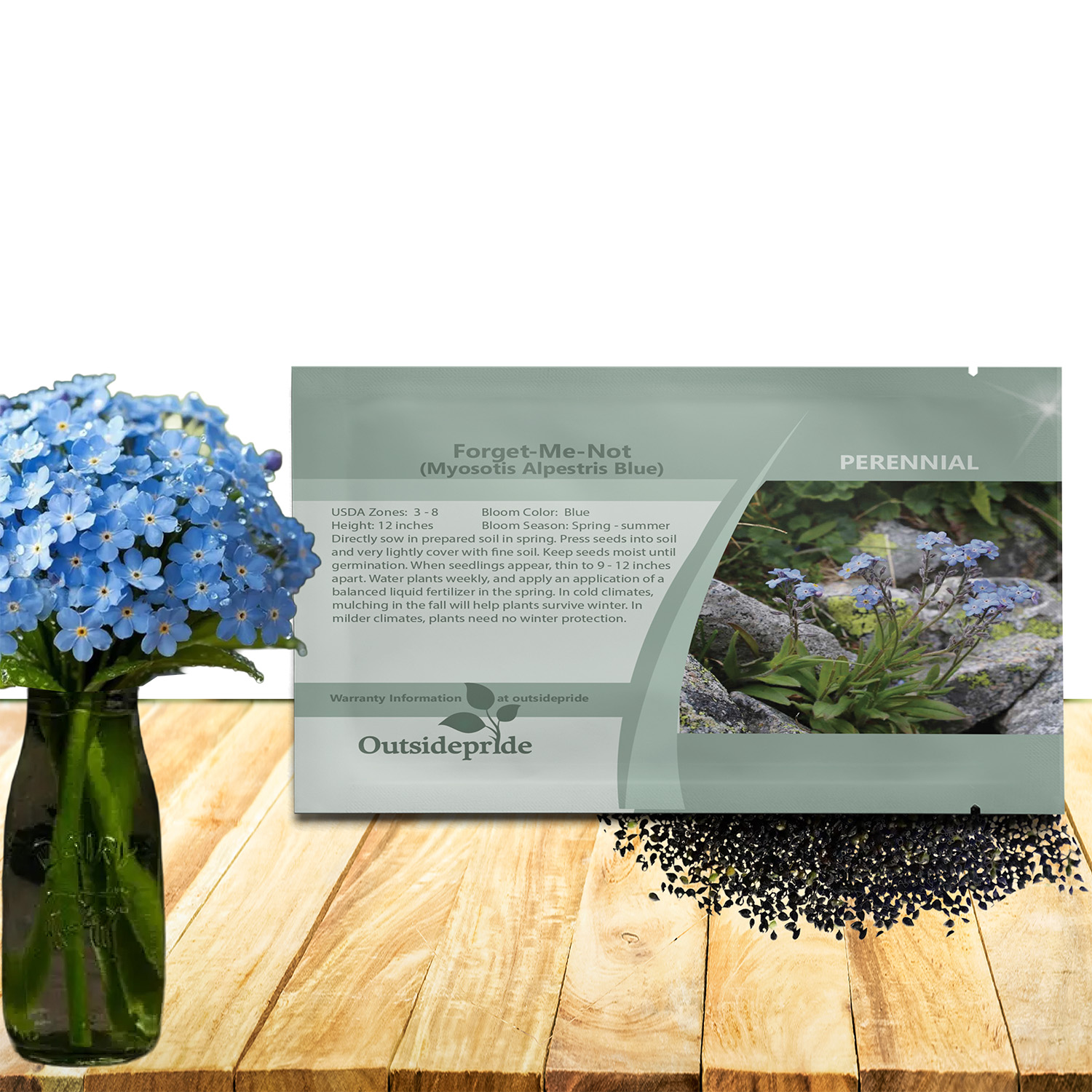
Credit: www.outsidepride.com
Selecting Seeds For Your Climate
Selecting the right seeds is crucial for a successful garden. Seeds must match the climate to grow well. Different climates need different seed types. This section helps you pick seeds that thrive in your weather conditions.
Native Vs. Non-native Seeds
Native seeds come from plants that naturally grow in your area. They adapt well to local soil and weather. Native plants need less water and care. Non-native seeds come from other regions. They may not survive local pests or weather. Choose native seeds for easier gardening and better growth.
Choosing Heat-tolerant Varieties
Heat-tolerant seeds work best in hot climates. They can handle strong sun and high temperatures. These plants stay healthy and produce food even in heat waves. Look for varieties labeled “heat-resistant” or “heat-tolerant.” These seeds give your garden a better chance in warm weather.
Cold-hardy Seed Options
Cold-hardy seeds survive frost and low temperatures. They start growing early in spring or late fall. These seeds are perfect for places with cold winters. Choose plants marked “frost-tolerant” or “cold-hardy.” They help your garden thrive despite chilly weather.
Drought-resistant Seeds
Drought-resistant seeds grow well with little water. They save water and reduce garden stress. These plants have deep roots or thick leaves to hold moisture. Select seeds labeled “drought-tolerant” for dry climates. They ensure your garden stays green with less watering.
Preparing Soil For Seed Starting
Preparing soil for seed starting is crucial for healthy plant growth.
Caring for Your Seedlings
Once your seeds have sprouted, proper care is essential to ensure they grow into strong plants. This includes regular watering, providing adequate sunlight, and protecting them from pests and diseases.
Watering Techniques
Water seedlings consistently but avoid overwatering. The soil should be moist but not soggy. Consider using a spray bottle for gentle watering.
Sunlight and Temperature
Ensure seedlings receive adequate sunlight. If growing indoors, place them near a sunny window or use grow lights. Maintain a stable temperature to promote healthy growth.
Transplanting Seedlings
When seedlings are strong enough, it’s time to transplant them into your garden. Choose a cloudy day or late afternoon to minimize transplant shock.
Preparing the Garden Bed
Before transplanting, prepare the garden bed by loosening the soil and adding compost. This provides a nutrient-rich environment for your plants.