
Having a beautiful lawn is a dream for many people. A green lawn adds beauty to your home. But sometimes, your lawn can get sick. Lawn diseases are common. They can make your grass look bad. But don’t worry. You can prevent lawn diseases. Here is how you can do it.

Credit: www.youtube.com
1. Water Your Lawn Properly
Water is important for grass. But too much water can cause problems. Water your lawn early in the morning. This way, water can dry during the day. Avoid watering at night. Wet grass at night can cause disease.
2. Mow Your Lawn Correctly
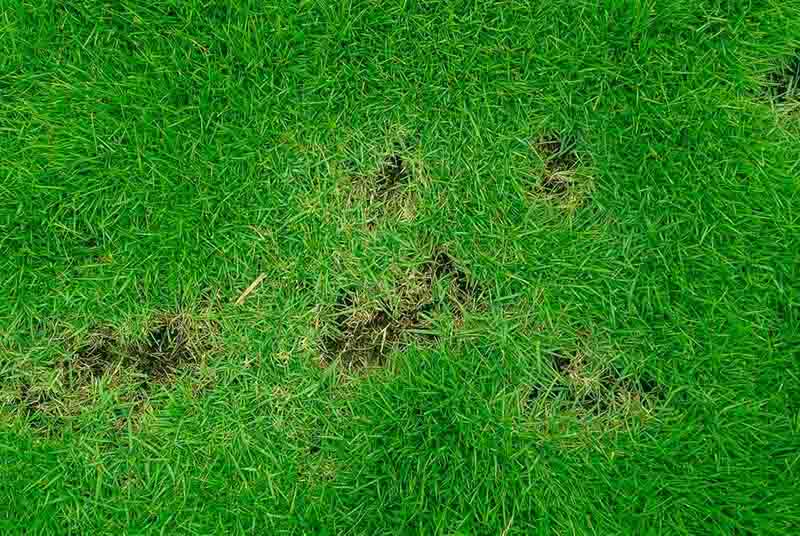
Mowing is important for a healthy lawn. Cut your grass to the right height. Don’t cut it too short. Long grass is stronger. It can fight diseases better. Sharpen your mower blades. Dull blades can harm the grass.
Credit: www.abralawn.com
3. Fertilize Your Lawn
Fertilizer gives your grass the nutrients it needs. Use the right type of fertilizer. Follow the instructions on the package. Too much fertilizer can be harmful. Fertilize your lawn in the spring and fall.
4. Aerate Your Lawn
Aeration helps your lawn breathe. It allows water and nutrients to reach the roots. You can use a garden fork to aerate. Push the fork into the soil. Do this every few inches. Aerate your lawn once a year.
5. Remove Thatch
Thatch is a layer of dead grass. It can stop water and nutrients from reaching the soil. Remove thatch with a rake. Do this in the spring or fall. Keep thatch less than half an inch thick.
6. Control Weeds
Weeds can steal nutrients from your grass. Remove weeds by hand. Use a weed puller. You can also use a weed killer. Follow the instructions on the package. Remove weeds before they spread.
7. Use Disease-Resistant Grass
Some grass types are more resistant to disease. Choose the right type of grass for your area. Ask your local garden center for advice. They can help you choose the best grass for your lawn.
8. Keep Your Lawn Clean
Clean your lawn regularly. Remove leaves and debris. They can hold moisture and cause disease. Use a rake to clean your lawn. Do this once a week.
9. Watch for Signs of Disease
Check your lawn regularly for signs of disease. Look for brown patches, mold, or spots. If you see any, take action quickly. Remove the affected grass. Treat the area with a fungicide. Follow the instructions on the package.
Common Lawn Diseases
Here are some common lawn diseases you should know about:
- Brown Patch: This disease causes brown patches in your lawn. It is common in hot and humid weather.
- Dollar Spot: This disease causes small, silver-dollar-sized spots. It is common in warm weather with high humidity.
- Snow Mold: This disease occurs in cold, wet weather. It causes circular patches of dead grass.
- Rust: This disease causes orange or yellow spots. It is common in dry weather.
How to Treat Lawn Diseases
Sometimes, even with the best care, your lawn can get sick. Here is how to treat lawn diseases:
- Identify the disease. Look for signs and symptoms.
- Remove the affected grass. Use a rake or a lawn mower.
- Apply a fungicide. Follow the instructions on the package.
- Water your lawn properly. Avoid overwatering.
- Fertilize your lawn. Use the right type and amount of fertilizer.
- Keep your lawn clean. Remove leaves and debris regularly.
Frequently Asked Questions
What Causes Lawn Diseases?
Lawn diseases are often caused by fungi, poor soil, and improper lawn care.
How Do I Identify Lawn Disease?
Look for discolored patches, thinning grass, or unusual spots on your lawn.
Can Overwatering Lead To Lawn Disease?
Yes, overwatering can create conditions that promote fungal growth and lawn diseases.
How Often Should I Mow My Lawn?
Mow your lawn once a week, ensuring the blades are sharp.
Conclusion
Preventing lawn disease is easy. Water your lawn properly. Mow it correctly. Fertilize and aerate your lawn. Remove thatch and control weeds. Use disease-resistant grass. Keep your lawn clean. Watch for signs of disease. If your lawn gets sick, treat it quickly. Follow these tips. You will have a healthy and beautiful lawn all year round.
FAQ
| Question | Answer |
|---|---|
| How often should I water my lawn? | Water your lawn early in the morning. Do this 2-3 times a week. |
| What is the best time to mow my lawn? | Mow your lawn in the late afternoon or early evening. |
| How can I remove thatch from my lawn? | Use a rake to remove thatch. Do this in the spring or fall. |
| What are common signs of lawn disease? | Look for brown patches, mold, or spots on your grass. |
| How can I treat lawn diseases? | Identify the disease, remove affected grass, and apply a fungicide. |