

Are you ready to give your seeds the best chance to grow strong and healthy? If you’ve struggled with slow or spotty germination, stratifying your seeds might be the secret you’ve been missing.
Stratification is a simple process that mimics natural winter conditions, helping certain seeds break dormancy and sprout successfully. In this guide, you’ll learn exactly how to stratify your seeds step-by-step, avoid common mistakes, and boost your gardening success. Keep reading to discover how this easy technique can transform your planting results and bring your garden to life like never before.
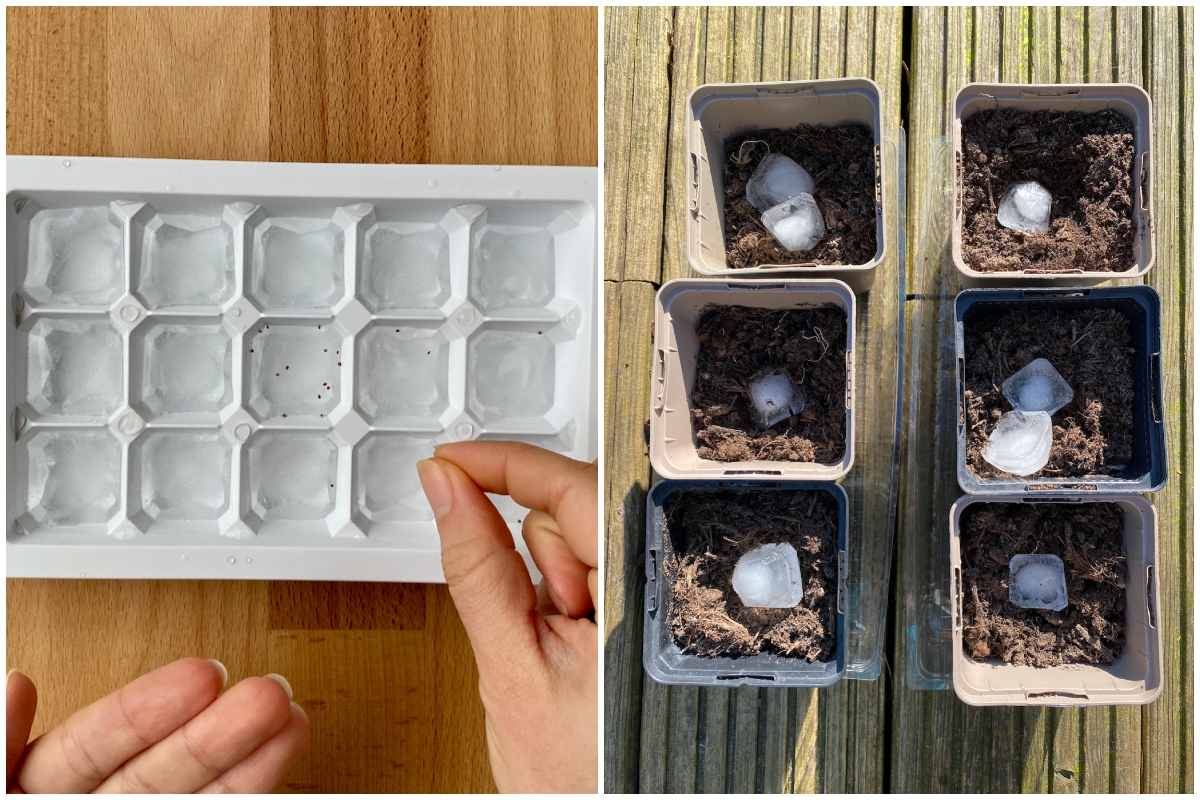
Credit: www.bloomingbackyard.com
Seed Stratification Basics
Understanding seed stratification is key to growing many plants from seeds. This process helps seeds break dormancy, allowing them to sprout effectively. Stratification mimics natural winter conditions that some seeds need before germinating. Proper stratification improves germination rates and leads to stronger seedlings. Let’s explore the basics of seed stratification and what makes it essential for successful planting.
Purpose Of Stratification
Stratification prepares seeds for growth by simulating natural cold and moist conditions. Many seeds have built-in dormancy to survive winter. Cold treatment signals seeds to wake up and start growing. Without stratification, these seeds may not sprout at all or take much longer. It helps ensure seeds germinate at the right time in spring.
Types Of Stratification
There are mainly two types: cold stratification and warm stratification. Cold stratification uses low temperatures to break seed dormancy. It often involves refrigerating seeds in moist media for several weeks. Warm stratification uses warm, moist conditions instead. Some seeds need a combination of both types in sequence. Knowing the right type helps improve success.
Seeds That Need Stratification
Many trees, shrubs, and wildflowers need stratification. Examples include oak, maple, apple, and dogwood seeds. Some perennial flowers like lupine and columbine also require it. Native plants in temperate climates often depend on this process. Checking seed packets or reliable guides shows which seeds need stratification. This step avoids wasting time on seeds that won’t sprout without it.

Credit: joegardener.com
Preparing Seeds For Stratification
Preparing seeds for stratification is a key step in successful planting. This process helps seeds break dormancy and improves germination rates. Proper preparation ensures seeds receive the right conditions for sprouting. Follow these steps to prepare your seeds correctly.
Cleaning And Sorting Seeds
Start by removing debris like leaves and stems. Gently clean seeds with water to remove dirt. Dry seeds on a paper towel before sorting. Separate seeds by size and quality. Discard damaged or shriveled seeds. Use only healthy seeds for the best results.
Choosing A Moisture Medium
Select a medium that holds moisture without drowning seeds. Common options include damp sand, peat moss, or vermiculite. Avoid using soil that may contain fungi or bacteria. Moisten the medium but do not soak it. The medium should feel like a damp sponge.
Using Containers And Bags
Use clean plastic bags or containers to hold seeds and moisture medium. Seal containers loosely to allow some air exchange. Label each container with seed type and date. Store containers in the refrigerator or a cool place. Check periodically to keep the medium moist but not wet.
Cold Stratification Methods
Cold stratification helps break seed dormancy by mimicking winter conditions. This process improves seed germination and promotes healthy plant growth. Different methods exist to cold stratify seeds effectively. Each method controls temperature and moisture to prepare seeds for planting.
Refrigerator Stratification
Refrigerator stratification is the easiest way to cold stratify seeds. Place seeds in a moist medium like damp sand or paper towel. Put the seeds inside a sealed plastic bag or container. Store them in the refrigerator, not the freezer. This method keeps seeds cold and moist, just like natural winter soil.
Check seeds weekly for mold or drying out. Add a little water if needed to keep moisture consistent. This method works well for many native and garden seeds.
Avoiding Freezer Damage
Freezing seeds can harm them by killing the embryo inside. Avoid placing seeds directly in the freezer. Extreme cold causes ice crystals to form, damaging seed cells. If a seed requires freezing, research the exact conditions carefully. Most seeds do better with refrigerator stratification to stay safe and viable.
Use the freezer only for seeds known to tolerate deep cold. Otherwise, keep seeds in a cool, moist environment to protect them.
Ideal Temperature And Duration
Seeds need a cold temperature between 33°F and 41°F (1°C to 5°C). This range slows seed metabolism and triggers germination signals. Keep seeds in the refrigerator at this temperature for 2 to 12 weeks. The exact time depends on the seed species.
Shorter periods may not break dormancy fully. Longer periods can improve germination rates for some plants. Follow seed packet instructions or research species-specific needs. Proper timing ensures seeds sprout strong and healthy.
Monitoring And Care
Proper monitoring and care during seed stratification ensure strong seed germination. Seeds need the right environment to break dormancy and sprout. Regular checks help maintain ideal conditions for success.
Without careful attention, seeds may dry out or develop mold. Monitoring moisture, preventing rot, and adjusting time are key steps. These actions improve your chance of healthy seedlings.
Checking Moisture Levels
Seeds must stay moist but not soaked. Check the moisture every few days. The medium should feel damp like a wrung-out sponge. Too dry seeds can fail to sprout. Too wet seeds risk rotting.
If the medium feels dry, mist it lightly with water. Avoid pouring water directly onto seeds. Proper moisture keeps seeds alive and ready to grow.
Preventing Mold And Rot
Mold and rot stop seeds from germinating. Use a clean container and fresh medium to reduce risks. Open the bag or container briefly each day to allow air circulation. Good airflow helps prevent fungal growth.
If mold appears, remove affected seeds immediately. You can wipe the container with a mild bleach solution. Avoid overwatering and keep the environment cool. These steps protect seeds during stratification.
Adjusting Stratification Time
Different seeds need different cold periods. Follow recommended stratification times for your seed type. Check seeds periodically for signs of sprouting. If seeds start to germinate early, end stratification sooner.
If no progress appears, extend the cold period by a few days. Avoid leaving seeds too long; they may lose vigor. Adjust time based on seed response for the best results.
Post-stratification Steps
After stratification, seeds need careful handling to ensure strong growth. Post-stratification steps prepare seeds for germination and healthy seedlings. These steps help seeds adjust and thrive once planted.
Seed Germination Setup
Place stratified seeds in a clean container or seed tray. Use a light, well-draining seed starting mix for best results. Keep the soil moist but not wet to avoid rot. Maintain a warm temperature between 65-75°F (18-24°C). Check seeds daily for signs of sprouting. Provide gentle misting to keep the environment humid.
Gradual Acclimation To Sunlight
New seedlings need slow exposure to sunlight to avoid damage. Start by placing them in indirect light for a few hours each day. Increase direct sunlight exposure by an hour daily over one week. This process hardens seedlings and prevents leaf burn. Avoid strong midday sun until seedlings grow sturdier.
Transplanting Seedlings
Wait until seedlings develop two to three true leaves before transplanting. Choose pots or garden spots with rich, well-draining soil. Handle seedlings gently by their leaves, not stems, to prevent injury. Water seedlings immediately after transplanting to reduce shock. Space plants properly to allow room for growth and airflow.

Credit: growitbuildit.com
Common Stratification Mistakes
Stratifying seeds can be tricky for many gardeners. Mistakes during this process often stop seeds from sprouting. Knowing what to avoid helps improve your planting success. Below are some common errors that gardeners make while stratifying seeds.
Overwatering Issues
Too much water causes seeds to rot quickly. Wet conditions promote mold and fungus growth. Seeds need moisture but not soggy soil. Use just enough water to keep the medium damp. Check regularly to avoid standing water. Proper drainage helps prevent overwatering problems.
Insufficient Chilling
Seeds require a cold period to break dormancy. Without enough chilling, seeds may not germinate at all. The length and temperature of chilling vary by species. Most seeds need about 4 to 12 weeks of cold. Use a fridge at 34-41°F (1-5°C) for best results. Track time carefully to meet seed needs.
Premature Sun Exposure
Exposing seeds or seedlings to direct sun too early causes stress. Sudden light and heat can dry out or burn young plants. After stratification, move seeds gradually into sunlight. Start with indirect light and increase exposure over days. This helps seedlings adjust without shock.
Tips For Successful Stratification
Stratifying seeds helps break their natural dormancy. This process mimics winter conditions to encourage germination. Successful stratification needs careful attention to detail and some key practices. These tips improve your chances of growing healthy seedlings from seeds that need cold treatment.
Applying these simple methods can make your seed-starting efforts more productive. Keep track of your progress, try different materials, and use seeds suited to your region. These steps help you understand what works best for your garden.
Record Keeping
Write down the date when you start stratifying seeds. Note the type of seeds and the method used. Track temperature and moisture levels regularly. Keep records of how long seeds stay in cold conditions. This information helps you repeat success or adjust methods next time. Clear records prevent mistakes and save time in future planting.
Experimenting With Media
Try different materials for moist stratification. Common choices include sand, vermiculite, and perlite. Avoid organic matter that may cause mold or rot. Each medium holds moisture differently and affects seed health. Testing helps find the best environment for your seeds. Change media based on seed type and local conditions.
Choosing Native Seeds
Use seeds from plants native to your area for better results. Native seeds are adapted to local climate and soil. They often require stratification for optimal germination. Buying local seeds supports regional ecosystems and biodiversity. Native plants also tend to grow stronger and resist diseases better. This choice makes your garden more sustainable and easier to maintain.
Frequently Asked Questions
How To Stratify Seeds Quickly?
Moisten seeds with sand or vermiculite, place in a sealed bag, and refrigerate for 3-6 weeks. Check moisture regularly.
What Are Common Stratification Mistakes?
Common stratification mistakes include overwatering seeds, providing insufficient chilling time, and exposing seedlings to direct sunlight too early. These errors can cause seed rot, poor germination, or seedling stress. Proper moisture, adequate cold exposure, and gradual light acclimation ensure successful seed stratification and healthy growth.
Do You Cold Stratify Seeds In The Fridge Or Freezer?
Cold stratify seeds in the fridge, not the freezer. Freezing can damage seed embryos and reduce viability. Use moist, sterile medium for best results.
How Long Do Seeds Need To Stratify?
Seeds typically need 4 to 12 weeks to stratify, depending on species. Keep them cold and moist during this period.
Conclusion
Stratifying seeds helps break dormancy and improves germination rates. Keep seeds moist but not soaked during the chilling period. Store them in the refrigerator, not the freezer, for best results. Follow recommended stratification times for each seed type carefully. Avoid common mistakes like overwatering or insufficient chilling.
With patience and care, your seeds will sprout strong and healthy. Start this simple process early to enjoy a thriving garden later. Stratification is a natural step every gardener should try. Give your seeds the best start possible.