
Before you plant your seeds, there’s one crucial step you can’t afford to skip: treating them for pests. Imagine spending weeks nurturing seedlings only to watch them fall victim to insects or diseases.
You don’t want that disappointment. Treating seeds before planting protects your future plants and gives them the best chance to grow strong and healthy. You’ll discover simple, effective ways to treat your seeds against common pests. By the end, you’ll be ready to plant with confidence and enjoy a thriving garden from the very start.
Keep reading to learn how to safeguard your seeds and boost your garden’s success.
Seed Pests And Risks
Seeds carry more than the promise of new plants. They can also harbor pests and diseases. These hidden threats can harm your garden before plants even emerge. Understanding seed pests and risks helps protect your seedlings and improve growth success.
Common Seed Pests
Several pests attack seeds before and after planting. Seed maggots, wireworms, and weevils are common offenders. They eat or bore into seeds, reducing germination rates. These pests also damage seedlings, making plants weak or dead. Identifying common seed pests allows for early control methods.
Diseases Spread Through Seeds
Seeds can carry diseases that pass to seedlings. Fungal infections like damping-off and seed rots are frequent problems. Bacterial diseases such as bacterial leaf spot may spread through infected seeds. Viruses also transmit via seeds, stunting plant growth. Treating seeds reduces the risk of spreading these diseases.
Impact On Seedlings
Pests and diseases in seeds weaken seedlings from the start. Damaged seeds may fail to sprout or produce weak plants. Infected seedlings grow slowly and are prone to other problems. Early seed treatment helps seedlings establish strong roots and healthy growth. Protecting seeds prevents future pest and disease issues in your garden.

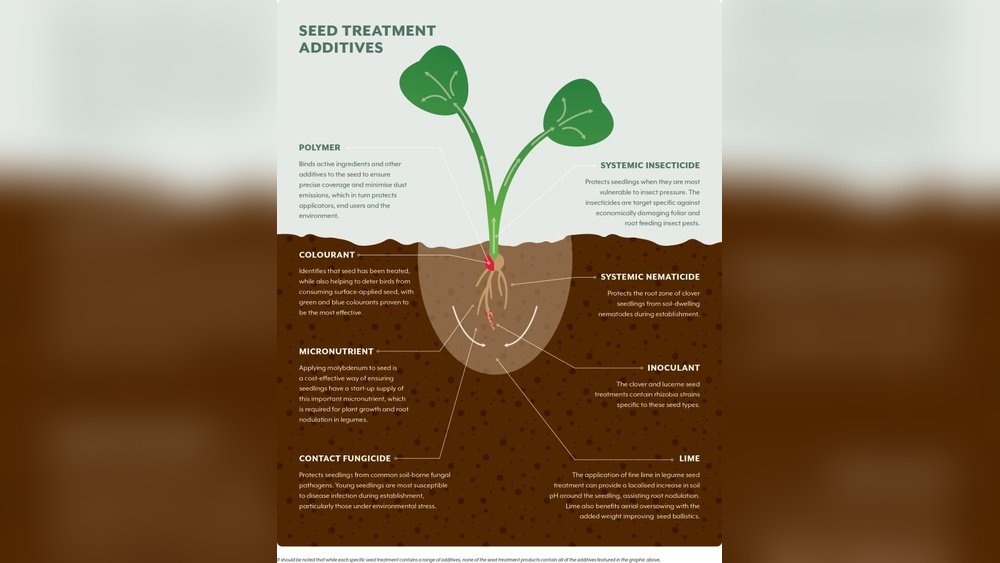
Credit: manitobapulse.ca
Seed Treatment Methods
Treating seeds before planting protects them from pests and diseases. It improves germination and plant health. Various methods help keep seeds safe. These methods fit different types of seeds and garden needs.
Hot Water Bath
Soak seeds in hot water to kill pests and pathogens. The water temperature varies by seed type but usually ranges from 120°F to 140°F. Keep seeds in water for a specific time, often 10 to 30 minutes. This method controls fungi and bacteria on seed surfaces. Cool seeds quickly after the bath to prevent damage.
Chemical Treatments
Use chemical seed treatments to protect against insects and diseases. Fungicides and insecticides coat seeds before planting. Follow label instructions carefully for safety and effectiveness. This method offers strong protection but requires caution. It suits large-scale or high-risk plantings.
Natural And Organic Options
Natural treatments use safe ingredients like neem oil, garlic, or chamomile tea. These substances repel pests and reduce fungal growth. Soak seeds or spray them before planting. Organic options are gentle on the environment and safe for home gardens. They support healthy soil and beneficial insects.
Physical Treatments
Physical methods include scarification and drying. Scarification scratches seed coats to help water absorption and germination. Drying seeds under sunlight can reduce moisture and kill some pests. These methods prepare seeds without chemicals or heat. They work well for hard-coated seeds.
Chemical Seed Treatments
Preparing seeds for treatment is an essential step in protecting plants from pests. Proper preparation ensures the treatment works effectively. It also increases the chances of healthy seed germination and strong seedlings.
Before applying any pest control method, seeds need to be ready. This involves cleaning, checking moisture levels, and planning the timing. Each step plays a crucial role in seed health and treatment success.
Cleaning Seeds
Remove dirt, debris, and damaged seeds carefully. Use a fine sieve or gentle brushing to clean seeds. Clean seeds allow treatments to reach the seed surface evenly. This reduces the risk of pests hiding in clumps or dust.
Moisture Considerations
Seeds should be dry but not overly dry before treatment. Excess moisture can cause mold or rot during treatment. If seeds are too dry, treatments may not stick well. Aim for a balanced moisture level for best results.
Timing Before Planting
Treat seeds as close to planting time as possible. Delays after treatment can reduce effectiveness. Store treated seeds in a cool, dry place if needed. Avoid long storage to keep seeds viable and protected.
Preparing Seeds For Treatment
Applying hot water treatment is a simple and effective way to protect seeds from pests. This method kills harmful insects and pathogens that hide in or on the seeds. It helps improve seed health and boosts the chances of strong plant growth. The process involves soaking seeds in hot water at a controlled temperature for a set time. This section explains how to perform hot water treatment safely and correctly.
Temperature Guidelines
Keep water temperature between 120°F and 140°F (49°C to 60°C). Avoid temperatures above 140°F as they can damage seeds. Different seeds require slightly different temperatures. Check seed-specific recommendations before starting. Use a reliable thermometer to monitor water temperature closely.
Soaking Duration
Soak seeds in hot water for 10 to 30 minutes. Smaller seeds need less time, larger seeds may require more. Do not exceed the recommended soaking time. Over-soaking can reduce seed viability. Stir seeds gently during soaking to ensure even heat exposure.
Post-treatment Handling
After soaking, drain seeds and rinse with cool water. Spread seeds on a clean towel to dry. Avoid direct sunlight while drying. Once dry, store seeds in a cool, dry place. Plant treated seeds soon for best results and healthier seedlings.
Applying Hot Water Treatment
Using natural treatments to protect seeds from pests is safe and eco-friendly. These methods avoid harsh chemicals and help keep your garden healthy. Natural treatments work by repelling or killing pests before they damage your seeds. They also promote strong seed growth and good soil health.
Essential Oils
Essential oils like neem, peppermint, and eucalyptus repel many common seed pests. Mix a few drops with water and spray the seeds lightly. These oils disrupt pest senses and prevent them from attacking seeds. Use them sparingly to avoid harming the seeds. Essential oils offer a natural barrier that lasts through germination.
Biological Controls
Beneficial insects such as ladybugs and predatory nematodes help control seed pests naturally. These organisms feed on harmful pests without damaging seeds. Introducing them near seed beds reduces pest numbers over time. Biological controls balance the garden ecosystem and lower pest risks. They work quietly and maintain soil health.
Homemade Solutions
Simple homemade treatments protect seeds using ingredients found in most kitchens. A mixture of garlic and water sprayed on seeds deters many insects. Another option is soaking seeds briefly in chamomile tea to prevent fungal growth. These solutions are gentle, easy to prepare, and safe for the environment. Homemade treatments support organic gardening and pest control.
Using Natural Treatments
Preventing pest problems early helps protect seeds and seedlings. Healthy seeds grow into strong plants. Pest damage reduces growth and yield. Taking steps before planting stops many issues. Treating seeds and managing their environment lowers risks. Follow simple tips to keep pests away from the start.
Seed Storage Tips
Store seeds in a cool, dry place. Moisture encourages mold and pests. Use airtight containers to protect seeds. Avoid storing seeds near chemicals or strong odors. Keep seeds away from direct sunlight. Label containers with seed type and date. Check seeds regularly for signs of damage. Proper storage keeps seeds healthy until planting.
Monitoring Seedlings
Watch seedlings closely after planting. Early pest detection prevents spread and damage. Inspect leaves, stems, and soil daily. Look for holes, discoloration, or sticky residue. Remove any affected seedlings quickly. Use gentle sprays like neem oil if needed. Healthy seedlings resist pests better. Early action saves time and effort later.
Environmental Controls
Control environment to reduce pest risks. Maintain good air circulation around plants. Avoid overcrowding seedlings to lower humidity. Water plants early in the day to dry leaves. Use clean tools and containers to prevent contamination. Rotate crops to stop pest buildup in soil. Natural predators like ladybugs help control pests. A balanced environment supports pest-free growth.
Preventing Pest Problems Early
Treating seeds before planting protects them from pests and diseases. Many gardeners make mistakes that reduce treatment success. Avoiding common errors helps seeds grow healthy and strong.
Over- Or Under-treating Seeds
Applying too much treatment can damage seeds and stop germination. Using too little may not kill pests effectively. Follow instructions on the product label carefully. Measure treatments accurately for best results.
Ignoring Safety Measures
Some seed treatments use chemicals that can harm people. Always wear gloves and masks during application. Work in a well-ventilated area to avoid inhaling fumes. Store chemicals safely away from children and pets.
Using Ineffective Methods
Old or homemade treatments may not protect seeds well. Avoid unproven remedies that waste time and resources. Use trusted products and recommended techniques. Proper seed treatment improves plant health and yield.

Credit: www.planetnatural.com
Common Mistakes In Seed Treatment
Successful seed treatment protects seeds from pests and diseases. It boosts germination and plant health. Follow practical tips to ensure the best results. Careful preparation makes a big difference for your garden.
Choosing The Right Method
Select a seed treatment method that fits your seed type and pest problem. Chemical treatments work well for tough pests. Natural options like hot water or neem oil suit home gardens. Match the method to your garden’s needs for safer, effective results.
Following Instructions
Read and follow all treatment instructions carefully. Measure chemicals or ingredients exactly as directed. Overuse can harm seeds and soil life. Underuse may not stop pests. Use the right water temperature and soaking time if using hot water. Proper steps ensure healthy seeds and strong plants.
Combining Treatments
Some seed treatments work better when combined. For example, a natural fungicide plus a light chemical pesticide can protect seeds from multiple threats. Test combinations on a small seed batch first. Avoid mixing treatments that may react badly. Combining treatments can increase protection and improve seed survival.

Credit: soygrowers.com
Frequently Asked Questions
How Do You Treat Seeds Before Planting?
Soak seeds in water for a few hours or overnight to soften seed coats. Use a hot water bath to kill pathogens. Treat with natural fungicides or insecticides to prevent pests. Dry seeds thoroughly before planting to avoid mold and rot.
Is It Too Late To Plant Seeds In October?
Planting seeds in October is not too late for cool-season vegetables, bulbs, and some trees. Timing depends on your climate and frost dates. Choose quick-growing greens or fall bulbs for best results. Ensure soil temperature supports germination before planting.
Which Insecticide Is Used For Seed Treatment?
Common insecticides for seed treatment include Imidacloprid, Thiram, and Carbendazim. These protect seeds from pests and diseases effectively.
What Are Common Seed Starting Mistakes?
Common seed starting mistakes include overwatering, poor lighting, planting too deep, using old seeds, and neglecting temperature control.
Conclusion
Treating seeds for pests before planting protects your garden from damage. Use simple methods like soaking or hot water baths to keep seeds healthy. Clean seeds grow stronger plants and reduce the need for chemicals later. Always handle seeds gently to avoid harm.
Healthy seeds lead to better yields and a thriving garden. Start your planting with treated seeds for a pest-free growing season.