
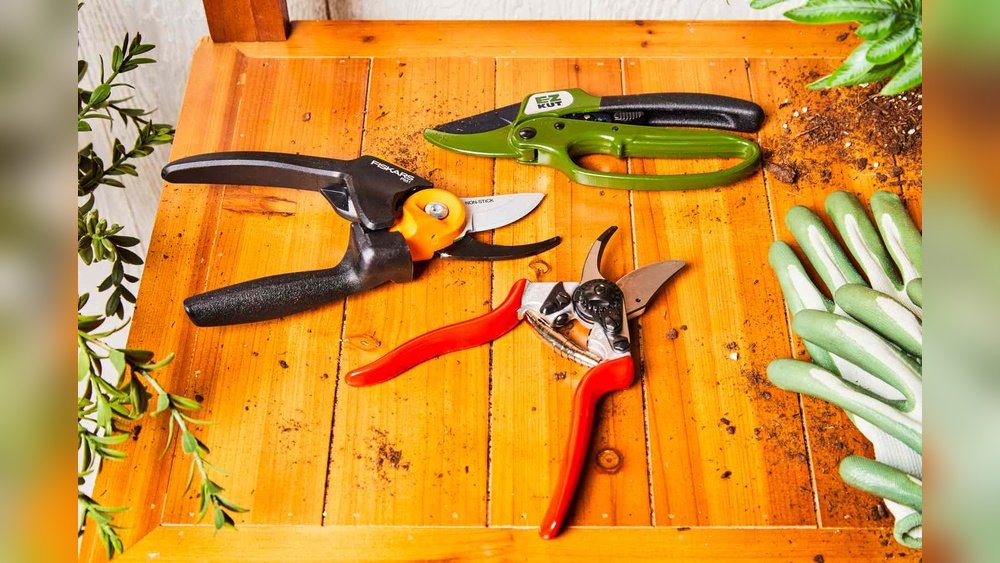
How To Choose The Best Pruning Shears For Your Plants
If you want healthy, beautiful plants in your garden, you need the right tools. The best pruning shears will help you make clean cuts, encourage growth, and save time and effort. Here’s how to choose the perfect pruning shears for your plants, including expert tips, cost guidance, and what to look for if you’re buying in your local area.
What Are Pruning Shears And Why Do They Matter?
Pruning shears are small, handheld scissors designed for cutting plant stems and branches. They’re essential for gardeners because they help shape plants, remove dead growth, and improve air circulation. Good shears make pruning easier and healthier for your plants.
A poor-quality pair can damage stems, make jagged cuts, or tire your hands. Choosing the right shears means less stress for you and better results in your garden.
Key Types Of Pruning Shears
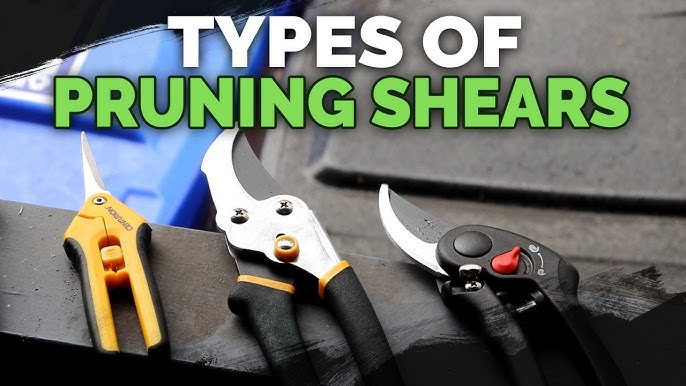
There are three main types of pruning shears. Each type suits different plant sizes and gardening needs.
| Type | Best For | Pros | Cons |
|---|---|---|---|
| Bypass | Live stems, flowers, shrubs | Clean cuts, precise | Can jam with thick branches |
| Anvil | Dead wood, dry stems | Strong cutting force | May crush live stems |
| Ratchet | Thicker branches, weak hands | Easy cutting, less effort | Slower, more moving parts |
Bypass shears are the most popular and work like scissors. They’re best for live, green stems. Anvil shears have a single blade that closes onto a flat surface, good for tough, dead wood. Ratchet shears use a mechanism to cut in stages, which is helpful for people with less hand strength.
What To Look For In Quality Pruning Shears
Not all shears are created equal. Here’s what matters most when choosing:
1. Blade Material
Look for high-carbon steel or stainless steel blades. They stay sharp longer and resist rust. Coated blades reduce sap sticking.
2. Handle Comfort
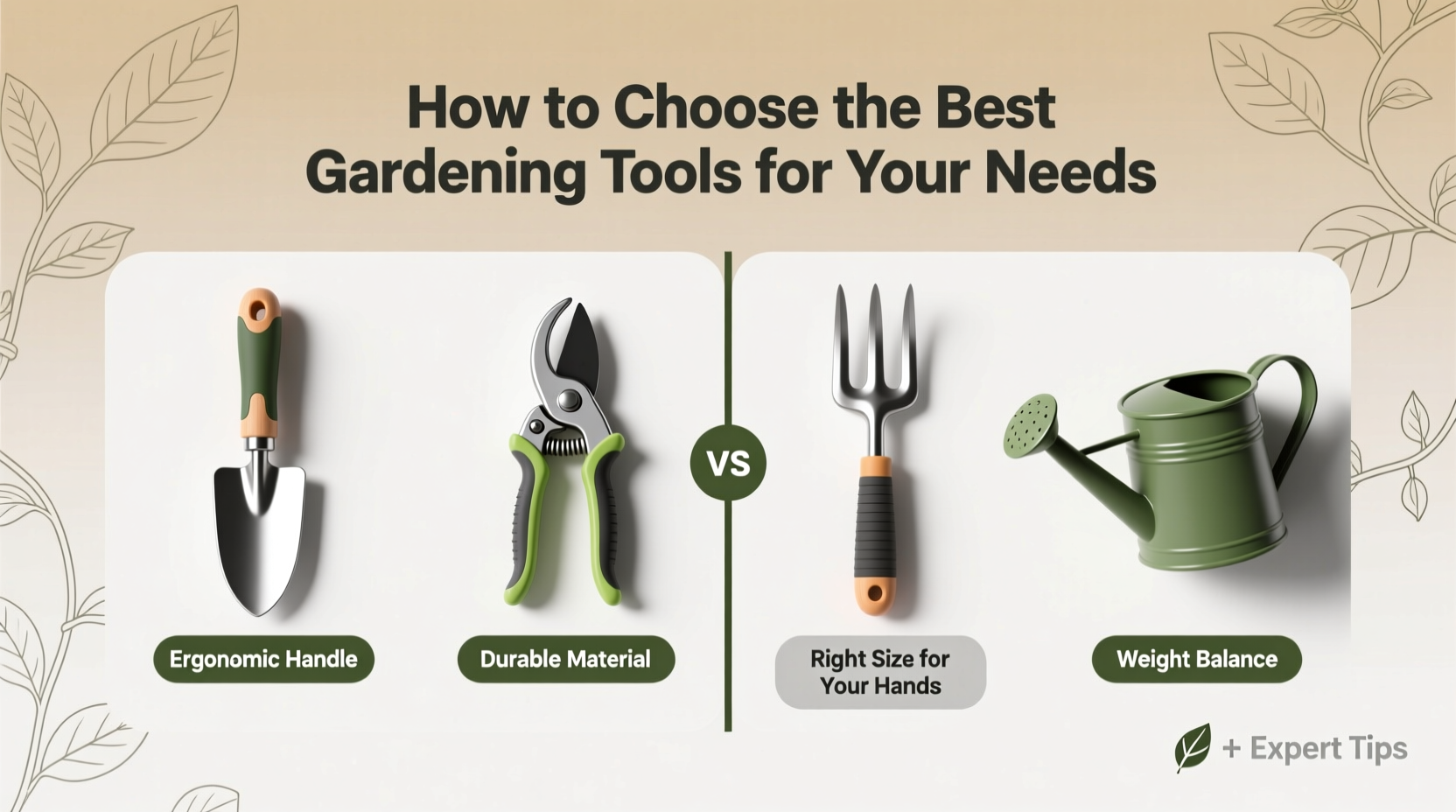
Ergonomic, non-slip handles reduce hand fatigue. Try different shapes to see what feels best.
3. Cutting Mechanism
Test how the shears open and close. Smooth action is key. Some have springs for easy opening.
4. Safety Lock
A good lock keeps the blades closed when not in use, preventing accidents.
5. Size And Weight
Match shears to your hand size and strength. Heavier shears cut more, but can tire hands.
6. Maintenance Needs
Choose shears that are easy to clean and sharpen. Replaceable parts are a bonus.
| Feature | Why It Matters |
|---|---|
| Blade Sharpness | Clean cuts promote plant health |
| Spring Mechanism | Less hand strain, faster work |
| Locking System | Safe storage and transport |
Local Garden Center Vs. Online: Where Should You Buy?
Shopping at a local garden center gives you a chance to feel the shears in your hand, ask for advice, and support local business. Staff often know which brands work best for the climate and plants in your area.
Buying online offers more choices and reviews. However, it’s harder to judge comfort and fit without trying.
If you’re in [Your City/Region], check out nearby stores like [Local Garden Store Name] or [Hardware Shop] for hands-on help. Ask for shears suited to your local plant varieties.
Credit: plantin.alibaba.com
How Much Do Good Pruning Shears Cost?
Prices for pruning shears range widely depending on quality and features.
- Budget: $10–$20 (basic, may wear out faster)
- Mid-range: $20–$40 (better materials, more comfort)
- Premium: $40–$80+ (top brands, long-lasting, professional use)
If you garden often, invest in a mid-range or premium pair. They last longer and save you money in the long run.
Tips For Choosing The Right Shears For Your Plants
1. Match The Shears To Your Plants
For roses and flowers, bypass shears are best. For fruit trees or shrubs with thicker stems, consider anvil or ratchet shears.
2. Test The Grip
If possible, hold the shears before buying. Hands vary in size and strength.
3. Check For Replaceable Parts
Some brands let you change blades or springs, which extends the lifespan.
4. Avoid Heavy Shears If You Prune Often
Lighter tools reduce hand fatigue, especially for long sessions.
5. Read Local Reviews
See what gardeners in your area prefer. Local climate can affect tool durability.
Credit: www.youtube.com
Common Mistakes When Buying Pruning Shears
- Choosing the cheapest option and replacing them often.
- Ignoring handle comfort and getting sore hands.
- Not considering plant type: Using bypass shears on dead wood dulls blades quickly.
- Forgetting about left-handed models if you are left-handed.
- Skipping maintenance; dull or dirty blades can harm plants.
Real-world Example: Choosing Shears For A Home Garden
Imagine you have a small backyard with roses, tomatoes, and a few shrubs. You’ll want bypass shears for delicate stems and flowers. For the shrubs, a sturdier pair like ratchet shears helps with thicker branches.
If you have arthritis or weak grip, ratchet or spring-loaded shears make pruning less tiring. In humid climates, stainless steel or coated blades resist rust.
Why Local Advice Matters
Gardening conditions change from city to city. Soil, humidity, and plant types all matter. Local experts know which brands last in your climate. For example, in San Diego, salty air means stainless steel is better. In Houston, high humidity can cause rust, so coated blades are best.
Visit your local extension office or nursery for personal advice. They often offer classes and hands-on demonstrations.
Where To Learn More
For more on gardening tools and tips, visit Royal Horticultural Society for expert advice.
Looking for more local gardening tips? Check out our post on [How to Start a Vegetable Garden in Your Area].

Credit: www.hausandgarten.com
Frequently Asked Questions
What Type Of Pruning Shears Are Best For Most Plants?
Bypass pruning shears are best for most live plants because they make a clean, precise cut that helps plants heal quickly.
How Do I Know If Pruning Shears Are Sharp Enough?
Shears are sharp enough if they cut paper cleanly or slice through a green stem without crushing it.
Is It Better To Buy Pruning Shears In-store Or Online?
In-store lets you test comfort and fit, but online offers more choices. If you want expert advice, visit a local garden center.
How Can I Keep My Pruning Shears In Good Condition?
Clean blades after each use, oil moving parts, and sharpen blades regularly. Store them dry and locked.
Are Expensive Pruning Shears Worth It For Home Gardeners?
For frequent gardening, mid-range or premium shears last longer and are easier on your hands, making them a good investment.
Which Pruning Shears Work Best In Humid Climates?
Stainless steel or coated blades resist rust in humid climates. Check for non-slip grips to handle sweaty hands.
Where Can I Buy The Best Pruning Shears Locally?
Check your local garden center, hardware store, or nursery. Staff can help you choose shears suited to your area’s plants and conditions.
Ready to improve your garden with the right tools? Visit your local garden center today or explore our other guides for more expert gardening advice. With the best pruning shears, your plants—and your hands—will thank you.