
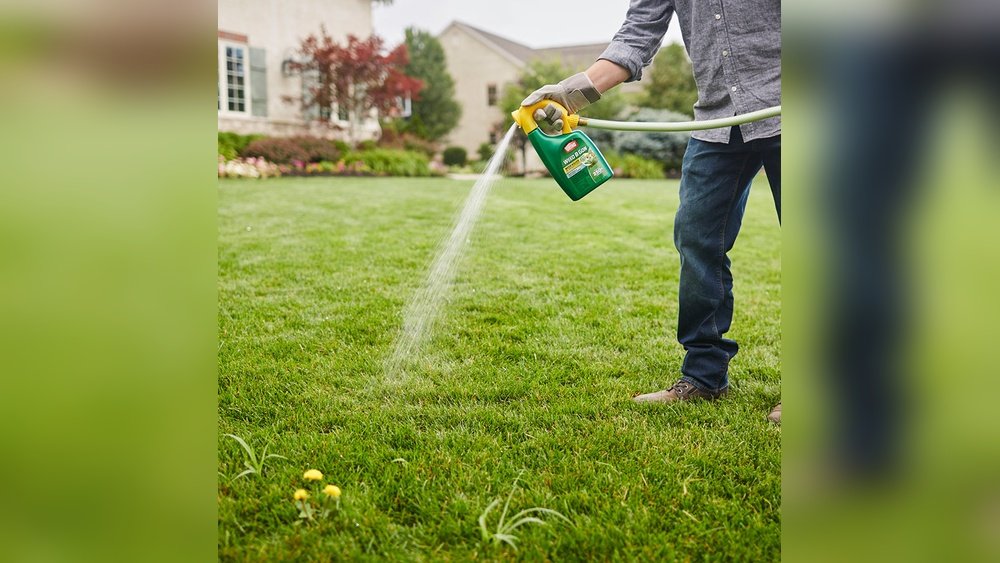
When the first green shoots of spring appear, so do lawn weeds. These unwanted plants can take over quickly if you don’t act early. Treating weeds in early spring is the best way to keep your lawn looking healthy and green for the rest of the year. Many people wait too long and fight weeds all summer, but a few smart actions now can make a huge difference.
Why Early Spring Matters For Lawn Weeds
Weeds start growing as soon as the soil warms. In early spring, they are small and weak, making them easier to control. If you wait, weeds will grow strong roots and spread seeds, which makes them harder to remove later.
Most common lawn weeds like dandelions, crabgrass, and clover begin their life cycles in spring. Treating them early stops their growth before they spread. This is also the perfect time because grass is coming out of dormancy and will recover fast.
Identifying Common Early Spring Lawn Weeds
Before treating weeds, you need to know what you’re dealing with. Here are some common types you’ll see in early spring:
| Weed Name | Description | Growth Pattern |
|---|---|---|
| Dandelion | Yellow flowers, fluffy seeds | Perennial, deep roots |
| Crabgrass | Grass-like, spreads flat | Annual, fast-spreading |
| Clover | Three rounded leaves, white flowers | Perennial, grows in patches |
| Chickweed | Small leaves, tiny white flowers | Annual, low-growing |
Recognizing these weeds helps you choose the right treatment. Sometimes, what looks like a weed may actually be a wildflower or a helpful plant.
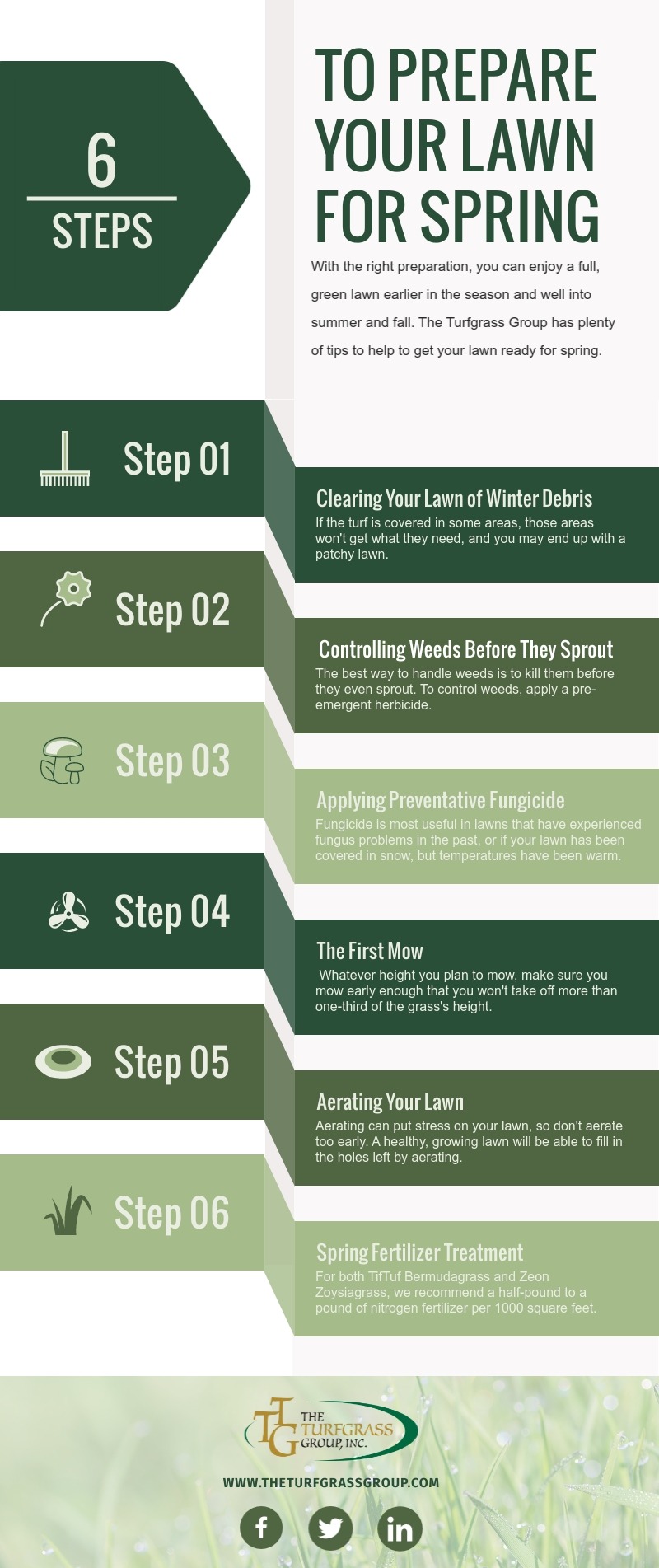
Credit: theturfgrassgroup.com
The Best Methods To Treat Lawn Weeds In Early Spring
There are many ways to control weeds. Some methods work better for certain lawns or types of weeds. Here are the most effective strategies for early spring:
1. Manual Removal
Pulling weeds by hand is simple and safe. It works best for small lawns and when weeds are young. Use a weeding tool to get the whole root, especially for dandelions and clover. Leaving roots can let weeds grow back.
2. Pre-emergent Herbicides
These products stop weed seeds from sprouting. They work well against annual weeds like crabgrass. Apply a pre-emergent before the soil gets warm (usually when daytime temperatures reach 55°F or 13°C for several days).
- Follow label directions closely.
- Do not use on newly seeded lawns.
- Water the lawn after application to activate the product.
A common mistake is applying too late. By the time you see weeds, pre-emergents will not help.
3. Post-emergent Herbicides
If weeds are already visible, use a post-emergent herbicide. This type targets existing weeds without harming most grasses. Spot-treat weeds rather than spraying the whole yard, to protect beneficial plants.
Check the label to make sure the product is safe for your grass type. Some herbicides can damage certain lawns.
4. Maintaining Healthy Lawn Practices
A strong lawn crowds out weeds. Simple steps make a big difference:
- Mow at the right height for your grass (usually 2.5–3 inches).
- Water deeply but not too often.
- Fertilize in early spring to help grass grow thick.
Healthy grass blocks sunlight from reaching weed seeds, stopping them from growing.
5. Mulching And Edging
Use mulch around borders and garden beds to stop weeds. Mulch blocks light and makes it harder for weeds to grow. Sharp lawn edges also prevent weeds from spreading into the lawn from sidewalks or gardens.
6. Overseeding Bare Spots
Weeds love thin areas of grass. Reseed these patches in early spring with a suitable grass mix. Dense grass will out-compete weeds for sunlight and nutrients.
Comparing Common Weed Control Methods
Choosing the right method depends on your lawn and weed type. Here’s a quick comparison:
| Method | Best For | Drawbacks |
|---|---|---|
| Manual Removal | Small infestations, perennial weeds | Time-consuming, labor-intensive |
| Pre-Emergent Herbicide | Preventing annual weeds | Ineffective on existing weeds, timing critical |
| Post-Emergent Herbicide | Visible weeds | Can harm desirable plants, chemical use |
| Healthy Lawn Practices | Long-term weed control | Requires consistent care |
:strip_icc()/BHG-Speedwell-1804-02-092-34212205fa1446ed9b6b5235fc383d0c.jpg)
Credit: www.bhg.com
Non-obvious Insights For Better Weed Control
Many people overlook a few important details:
- Soil health matters: Weeds often show up where soil is poor. Test your soil and add nutrients as needed. Healthy soil grows thicker grass that fights off weeds naturally.
- Weather timing: Rain can wash away herbicides before they work. Plan applications when dry weather is expected for at least 24 hours.
- Sharp mower blades: Dull blades tear grass, leaving wounds that make it easier for weeds to invade.
- Seed choice: Use high-quality, weed-free grass seed when overseeding. Cheap seed mixes often contain weed seeds.
Mistakes To Avoid
Even with the right methods, mistakes can let weeds win:
- Applying herbicides at the wrong time
- Cutting grass too short (scalping)
- Skipping fertilizer in spring
- Ignoring small weed patches until they spread
Small problems in spring become big ones by summer if you don’t act early.

Credit: www.artificialturfsupply.com
When To Call A Professional
If you have a large lawn or a serious weed problem, it might be best to hire a lawn care expert. Professionals have access to stronger products and can identify hard-to-control weeds. Sometimes, a single visit in early spring can set your lawn up for success all year.
If you want to learn more about different weed types and control methods, the EPA’s Safe Pest Control page has helpful guidelines.
Frequently Asked Questions
What Is The Best Time To Apply Pre-emergent Weed Killers?
The best time is when soil temperatures reach about 55°F (13°C) for several days in a row. This is usually early spring, just before you see weed growth.
How Can I Tell If A Weed Is Annual Or Perennial?
Annual weeds grow, flower, and die in one season. Perennials come back year after year from the same roots. Dandelions are perennial; crabgrass is annual.
Can I Use Vinegar Or Boiling Water To Kill Lawn Weeds?
These natural methods can kill small weeds, but they may also damage nearby grass. For lawns, targeted herbicides or manual removal are safer options.
Why Do Weeds Keep Coming Back Every Year?
Weeds return if their seeds remain in the soil or if you miss the roots during removal. Poor lawn health also makes it easier for weeds to return.
Is It Safe To Let Kids And Pets On The Lawn After Weed Treatments?
Wait at least 24–48 hours after applying chemical herbicides before allowing kids or pets back on the lawn. Always read and follow the product label for safety instructions.
Taking action against lawn weeds in early spring puts you ahead for the whole year. With good timing and the right approach, your lawn will be thicker, greener, and much easier to maintain. Early care means less work and more time enjoying your outdoor space.