
Keeping flower beds healthy and beautiful is a joy for many gardeners, but weeds can quickly spoil the view. These unwanted plants compete for water, sunlight, and nutrients. While chemical herbicides kill weeds, they can harm the environment, pollinators, and even your flowers. The good news is, you can manage weeds naturally—no harsh chemicals needed. In this guide, you’ll learn proven, eco-friendly ways to keep your flower beds weed-free and thriving with natural weed control“>natural weed control techniques.
Why Weeds Thrive In Flower Beds
Weeds love open soil, moisture, and sunlight. Often, they grow faster than your flowers. Some weeds spread through seeds carried by wind or birds, while others have deep roots that come back even after pulling. Without regular care, weeds can take over quickly.
Understanding Natural Weed Control
Benefits of Natural Methods
Natural weed control methods are not only safer for the environment but also promote a healthier garden ecosystem. By avoiding chemicals, you protect beneficial insects and improve soil health.
Effective Natural Methods To Control Weeds
Several natural methods work together to keep weeds under control. Using a mix of these strategies gives the best results. Let’s look at the most reliable options.
1. Mulching
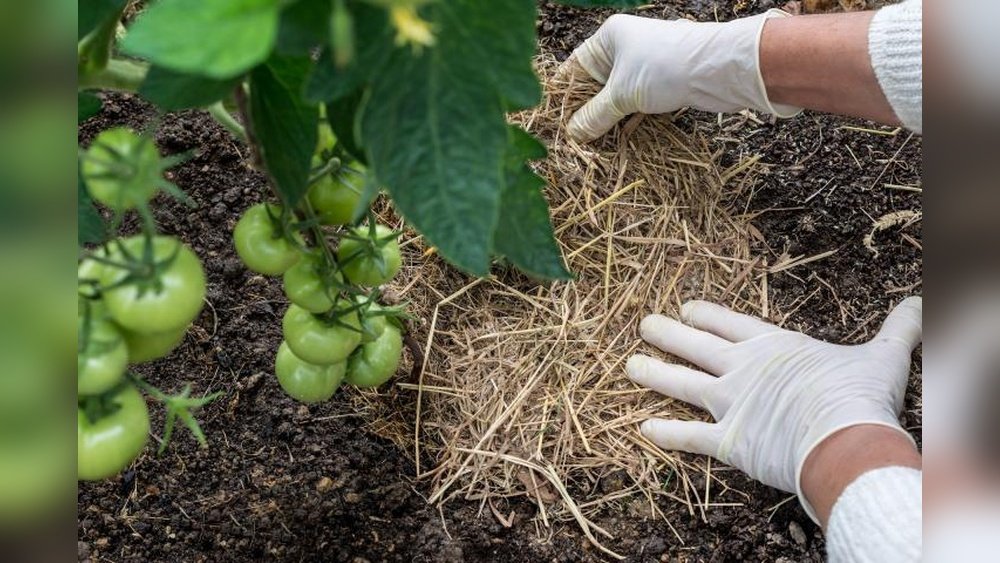
Mulch is a protective layer placed on the soil. It blocks sunlight, stopping weeds from growing. It also keeps moisture in the soil“>moisture in the soil and adds nutrients as it breaks down.
Common mulch options for flower beds include:
- Wood chips (lasts long, looks tidy)
- Straw (cheap, but can blow away)
- Compost (feeds soil but needs topping up)
- Shredded leaves (free and organic)
Mulch should be 2–3 inches thick. Avoid piling mulch against flower stems, which can cause rot.
2. Hand Pulling
Pulling weeds by hand is simple and effective, especially for small beds. Always pull after rain or watering; wet soil makes it easier to remove the whole root. For weeds with deep roots, use a hand fork or weeding tool.
Tip: Remove weeds before they flower and set seed to prevent new growth.
3. Dense Planting
Tightly spaced flowers leave little room for weeds. Planting ground covers or companion plants helps shade the soil, making it harder for weeds to grow.
Good options for dense planting include:
- Creeping thyme
- Lamb’s ear
- Ajuga
- Sweet alyssum
4. Natural Weed Barriers
Placing a barrier under mulch stops weeds from reaching sunlight. You can use landscape fabric, cardboard, or newspaper. Cardboard and newspaper are biodegradable, so they break down over time and improve soil.
Here’s a quick comparison:
| Barrier Type | Longevity | Environmental Impact |
|---|---|---|
| Landscape fabric | 2–5 years | Non-biodegradable |
| Cardboard | 1 season | Biodegradable |
| Newspaper (6+ layers) | 1 season | Biodegradable |
Additional Natural Weed Control Techniques
5. Boiling Water
Pouring boiling water directly on weeds kills them fast. It works best on young weeds and cracks in pathways around beds. Be careful—boiling water can harm nearby flowers, so use it only on weeds away from your plants.
6. Homemade Vinegar Spray
A simple weed killer can be made with household vinegar (5% acetic acid). Spray it directly on weed leaves during a sunny day. The acid dries out the leaves, causing the weed to die.
How to make vinegar spray:
- 1 part white vinegar
- 1 tablespoon dish soap (helps the vinegar stick)
- Mix and pour into a spray bottle
Spray only on weeds; vinegar can damage flowers too.
7. Regular Hoeing
Using a hoe to cut weeds off at the soil surface works best for small, young weeds. Hoe when the soil is dry for easy cutting. Shallow hoeing avoids disturbing flower roots.
8. Solarization
This method uses the sun’s heat to kill weeds and seeds in the soil. Cover the bed with clear plastic for 4–6 weeks during hot months. The trapped heat destroys weeds below.
Solarization works best before planting.