
Fertilizing your lawn or garden while keeping weeds under control can feel like a balancing act. Adding nutrients helps your plants grow strong, but it can also make weeds stronger. Many people struggle with this. The good news: you can feed your plants and fight weeds at the same time, if you know the right methods. Let’s explore how to fertilize effectively while keeping those unwanted guests away.
Understanding The Challenge
Fertilizers provide essential nutrients like nitrogen, phosphorus, and potassium. These help your grass, flowers, or vegetables grow faster and healthier. However, weeds need these nutrients too. When you fertilize, you’re also feeding weeds unless you plan carefully.
One common mistake is using too much fertilizer. This not only wastes money but also encourages weeds to spread. Another problem is applying fertilizer at the wrong time, which can boost weed growth more than your plants.
Choosing The Right Fertilizer
Not all fertilizers are the same. Some work better for weed control than others. Here’s a simple comparison:
| Fertilizer Type | Main Benefit | Weed Control |
|---|---|---|
| Granular | Easy to spread | Can combine with herbicide |
| Liquid | Quick absorption | Less common for weed control |
| Organic | Improves soil health | Less likely to burn plants; may not control weeds |
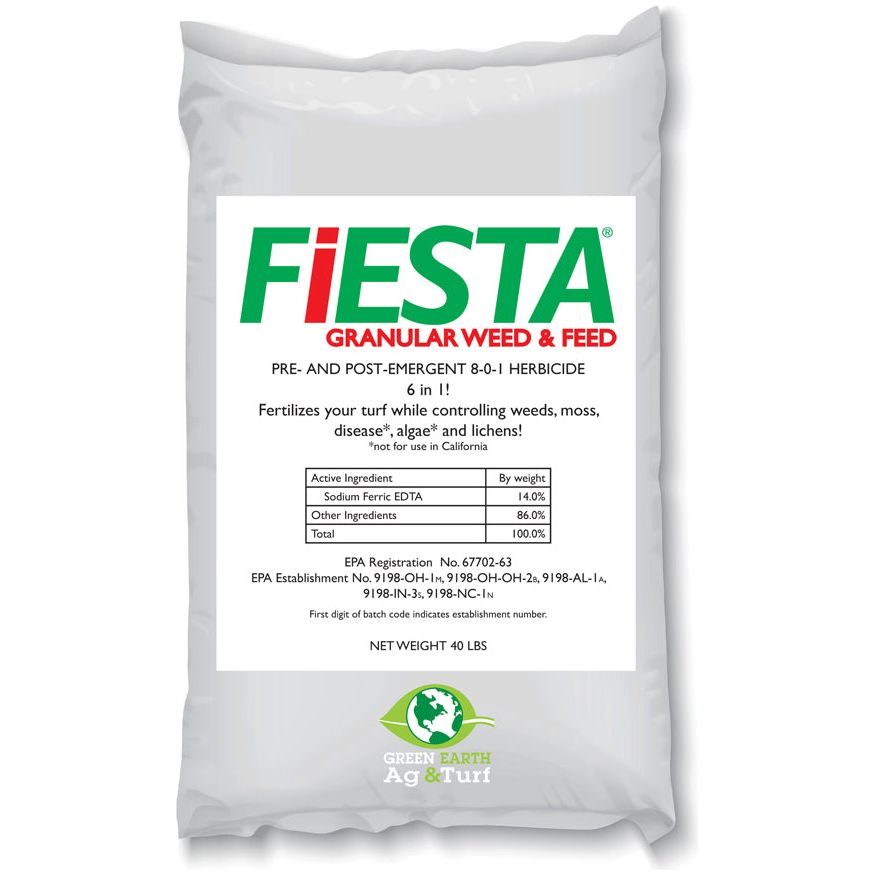
If you want to fertilize and control weeds in one step, look for a weed and feed product. These combine fertilizer and herbicide, treating weeds as you feed your plants. However, these are best for established lawns, not for new seeds or vegetable gardens.
Timing Matters
The best time to fertilize depends on your climate and the plants you’re growing. For most lawns, early spring or late fall is ideal. This helps your grass get a head start before weeds take over.
For gardens, fertilize when plants are actively growing. Avoid adding fertilizer right before heavy rain, as nutrients can wash away and end up in nearby streams.
Here’s how timing affects weed control:
| Time of Fertilizing | Impact on Weeds |
|---|---|
| Early Spring | Helps grass outcompete weeds |
| Summer | Can boost both grass and weeds |
| Late Fall | Strengthens grass roots; weeds slow down |
Proper Application Techniques
How you apply fertilizer makes a big difference. Use a spreader for granular fertilizer to get even coverage. Overlapping or missing spots can create weak areas where weeds grow.
With liquid fertilizer, spray carefully and avoid windy days. Too much fertilizer in one spot can burn plants and leave open patches for weeds.
Spot-treat weeds with a separate herbicide if you notice problem areas. Pulling weeds by hand is also effective, especially before they set seed.

Credit: www.rockymountainbioag.com
Mulching As A Double Defense
Mulch is a simple way to feed your soil and stop weeds. Organic mulch like wood chips or straw breaks down over time, adding nutrients. At the same time, it blocks sunlight, so fewer weed seeds sprout.
Spread mulch 2–3 inches deep around plants. Avoid piling it against stems, which can cause rot.
Smart Watering Practices
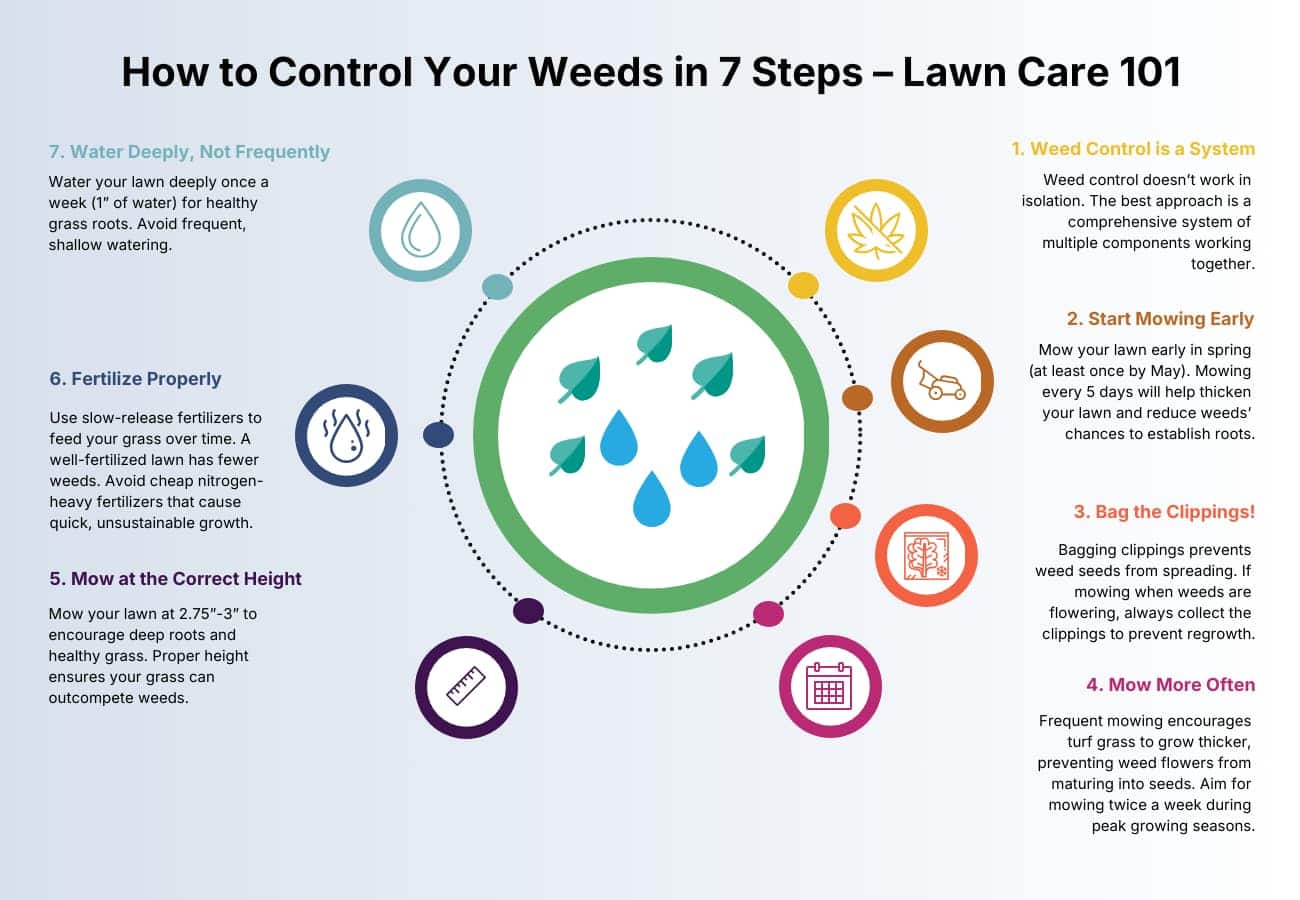
Watering deeply but less often encourages strong roots. Shallow, frequent watering helps weeds grow near the surface. Early morning is the best time to water, as leaves dry quickly and diseases are less likely.
Overwatering not only wastes water but also makes weeds happy. Use a rain gauge to track how much water your garden gets each week.
Credit: growitnaturally.com
Combining Fertilizer And Weed Control
Here’s a step-by-step process to fertilize while controlling weeds:
- Test your soil to see what nutrients it needs.
- Choose a fertilizer that matches your plants and soil.
- Apply pre-emergent herbicide in early spring to stop weed seeds from sprouting.
- Fertilize when your plants are growing, not when weeds are most active.
- Mulch garden beds to block weeds and hold in moisture.
- Spot-treat tough weeds with a targeted herbicide or pull by hand.
By following these steps, you feed your plants without giving weeds a boost.
Avoiding Common Mistakes
Many people make the same errors when trying to fertilize and control weeds. Here are two key points beginners often overlook:
- Using weed and feed on new grass or garden beds can damage young plants. It’s better to fertilize first, let plants grow strong, then apply weed control.
- Not all weeds are the same. Some, like dandelions, are tough and need specific herbicides. Others, like crabgrass, can be stopped with pre-emergent products. Identify your weeds for the best results.
Another error is forgetting to read product labels. Some fertilizers can harm nearby trees or shrubs if used incorrectly. Always follow the instructions.
Credit: lawnsavers.com
Organic And Natural Alternatives
If you want to avoid chemicals, there are natural ways to fertilize and control weeds:
- Use compost for nutrients and healthier soil.
- Mulch with grass clippings or leaves to block weeds.
- Pull weeds by hand regularly, especially after rain when the ground is soft.
- Try vinegar or boiling water on driveways or pathways, but avoid spraying these on your plants.
Remember, organic methods often take more time and effort, but they can be safer for pets and the environment.
When To Call A Professional
If your lawn or garden is overrun with weeds, or you’re not getting results after several tries, it may be time to get expert help. Professional lawn care services have access to stronger products and can create a custom plan for your yard.
This can save time and prevent further problems.
You can find more detailed information on weed management from the U.S. Environmental Protection Agency.
Frequently Asked Questions
What Is The Best Fertilizer For Weed Control?
Look for weed and feed products for lawns. For gardens, use balanced fertilizers and add mulch for natural weed control. Always check if the product suits your specific plants.
How Often Should I Fertilize My Lawn?
Most lawns need fertilizer 2–4 times per year. The best times are early spring and late fall. Avoid fertilizing during hot, dry periods.
Can I Use The Same Fertilizer For My Lawn And Garden?
Not always. Lawn fertilizers often have more nitrogen, while garden fertilizers are balanced for vegetables and flowers. Read the label to match the product to your plants.
Does Mulching Really Stop Weeds?
Yes, mulch blocks sunlight, making it harder for weed seeds to sprout. Organic mulch also adds nutrients as it breaks down, helping your soil.
Is Organic Weed Control As Effective As Chemical Methods?
Organic methods can work, but they usually take more time and effort. Pulling weeds, using mulch, and adding compost are safe, but for heavy weed problems, chemicals might be faster.
Balancing fertilizing and weed control takes some planning, but it’s possible with the right approach. By understanding your soil, using smart products, and following good practices, you can grow healthier plants and enjoy a weed-free garden.