
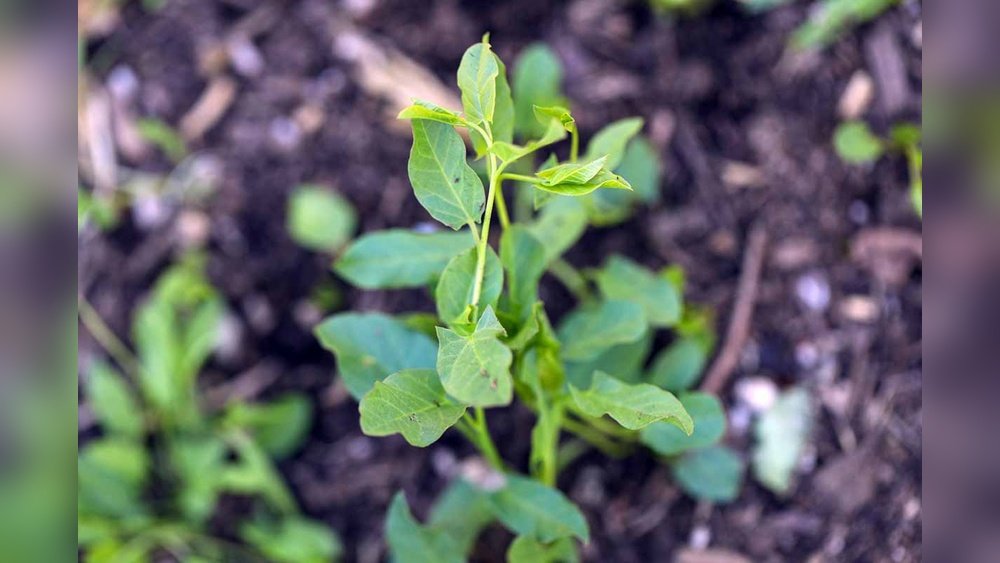
Bindweed can quickly take over your garden, choking out your favorite plants and making your outdoor space look messy. If you’ve noticed those twisting vines creeping through your flower beds or vegetable patches, you’re not alone—and it’s time to take action.
Controlling bindweed isn’t easy, but with the right approach, you can stop it from spreading and reclaim your garden. In this guide, you’ll discover practical, effective ways to manage bindweed so your garden can thrive again. Keep reading to learn how to protect your plants and enjoy a weed-free garden.
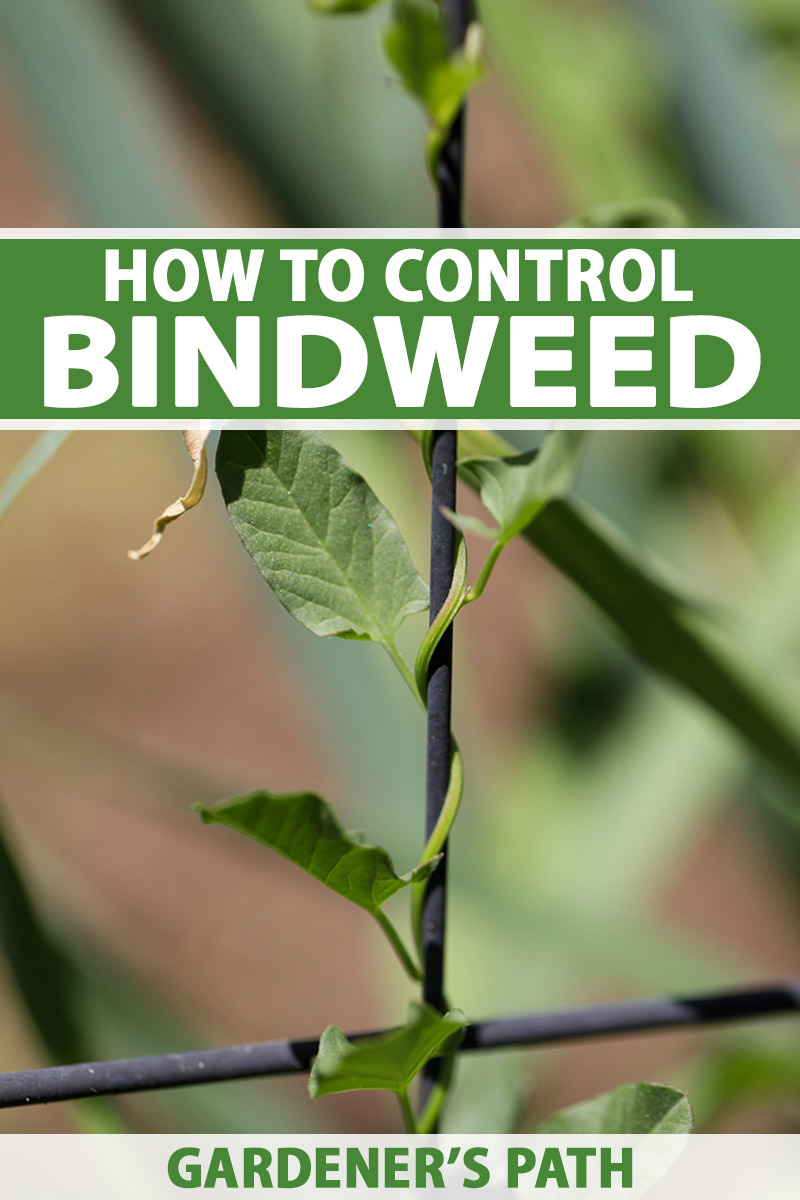
Credit: gardenerspath.com
Bindweed Basics
Bindweed is a common weed that troubles many gardeners. It grows quickly and spreads fast. Knowing the basics helps to control it better. This section explains what bindweed is, how it spreads, and how to spot it early.
Understanding bindweed helps protect your garden plants from damage. Early detection and proper care keep it under control.
Types Of Bindweed
There are two main types: field bindweed and hedge bindweed. Field bindweed has small white or pink trumpet-shaped flowers. Hedge bindweed often has larger white flowers. Both types climb and twine around other plants. They compete for sunlight, water, and nutrients.
How Bindweed Spreads
Bindweed spreads by seeds and underground roots. Its roots can grow deep and wide, making removal hard. Even small root pieces can grow new plants. Seeds can travel by wind, water, animals, or garden tools. This fast spread causes it to take over gardens quickly.
Signs Of Infestation
Look for twisting vines wrapping around your plants. The leaves are arrow-shaped and grow opposite each other. Flowers bloom in early summer with white or pink colors. Plants may wilt or die as bindweed steals nutrients. If you see these signs, act quickly to stop it.

Credit: www.gardenersworld.com
Manual Removal Techniques
Manual removal techniques are effective ways to control bindweed in your garden. These methods focus on physically removing or cutting the weed to stop its growth. Patience and consistency are important. Bindweed can regrow from small root fragments left in the soil. The goal is to remove or weaken the plant over time. Here are some practical manual techniques to try.
Digging Out Roots
Digging out bindweed roots is the most direct way to remove it. Use a garden fork or spade to loosen the soil around the plant. Carefully pull out the roots, making sure to remove every piece. Even small root bits can grow into new plants. Work slowly and thoroughly to get as much root as possible. This method works best in moist soil. Avoid digging after heavy rain, which can make the soil too sticky.
Cutting At Soil Level
Cutting bindweed at soil level helps weaken the plant. Use sharp garden shears to snip the stems close to the ground. This prevents the plant from making food through its leaves. Repeated cutting forces the bindweed to use its root energy until it dies. Do this every week or two. Pulling the plant out by hand can leave roots behind and cause regrowth. Cutting is less messy and more effective in the long run.
Hoeing And Regular Trimming
Hoeing is another way to keep bindweed under control. Use a hoe to cut new shoots just below the soil surface. This stops them from growing larger. Regular trimming of bindweed shoots in garden beds also limits its spread. Set a routine to check your garden weekly. Remove any new bindweed shoots before they get strong. Consistent effort reduces bindweed’s ability to take over your garden.
Using Cover Crops
Using cover crops is an effective way to control bindweed in your garden. Cover crops grow quickly and cover the soil, making it hard for bindweed to take hold. They compete for space, water, and nutrients, which limits bindweed growth. Choosing the right cover crops can help suppress bindweed naturally and improve soil health.
Plants That Suppress Bindweed
Certain cover crops can suppress bindweed better than others. Plants like sorghum-sudangrass, winter rye, and sunflowers release natural chemicals that inhibit bindweed growth. These plants grow tall and fast, outcompeting bindweed for sunlight and nutrients. Planting these crops early helps keep bindweed under control throughout the season.
Dense Planting Benefits
Dense planting of cover crops creates a thick barrier over the soil. This crowded growth leaves little room for bindweed to spread. Thick roots also improve soil structure, making it harder for bindweed roots to grow. Dense cover crops reduce soil erosion and maintain moisture, further weakening bindweed’s hold.
Shading Out Bindweed
Bindweed needs sunlight to grow and spread. Cover crops like pumpkins, melons, and squash have large leaves that shade the ground. This shading reduces the amount of light reaching bindweed, slowing its growth. By blocking sunlight, these plants starve bindweed of energy and limit its ability to thrive.
Chemical Control Options
Using chemicals can help control bindweed in your garden. Herbicides target the weed and reduce its growth. Choosing the right chemical and applying it correctly is important. This section explains how to use chemical control options safely and effectively.
Selective Herbicide Application
Selective herbicides kill bindweed without harming other plants. These chemicals target broadleaf weeds like bindweed. Apply them carefully to avoid damage to nearby flowers or vegetables. Use a brush or sprayer for precise application. Always follow the product label instructions for best results.
Timing For Best Results
Apply herbicides when bindweed is actively growing. Early summer is a good time because the plant absorbs chemicals better. Avoid spraying during very hot or dry days. Repeat treatments may be needed for full control. Consistent timing helps weaken bindweed’s root system over time.
Safety Precautions
Wear gloves and protective clothing when using herbicides. Keep children and pets away from treated areas. Store chemicals in a safe place, out of reach. Avoid spraying on windy days to prevent drift. Wash your hands and tools after use to prevent contamination.
Soil And Garden Care
Controlling bindweed starts beneath the surface. Healthy soil and proper garden care reduce bindweed’s hold. Good soil conditions help plants grow strong and compete with weeds. Gardeners must focus on soil health to limit bindweed growth. Improving soil structure and adding organic matter create a less welcoming place for bindweed roots. Here are key soil and garden care tips to manage bindweed effectively.
Improving Soil Conditions
Bindweed thrives in poor soil with low nutrients. Adding compost or well-rotted manure enriches the soil. Nutrient-rich soil supports healthy plants that outgrow weeds. Regularly test soil to check pH and nutrient levels. Adjust soil pH to suit your plants, usually between 6.0 and 7.0. Balanced soil discourages bindweed while promoting garden growth.
Addressing Compacted Soil
Bindweed grows well in compacted soil with poor drainage. Loosen soil by digging or using a garden fork. Avoid walking on garden beds to prevent soil compaction. Aerating soil allows roots to breathe and water to drain. This weakens bindweed’s ability to spread underground. Loose soil also helps beneficial microbes thrive, improving plant health.
Mulching Strategies
Mulch blocks sunlight, stopping bindweed seedlings from growing. Use organic mulches like straw, wood chips, or shredded leaves. Apply a thick layer, around 3 to 4 inches deep. Refresh mulch regularly to maintain its barrier effect. Mulching conserves moisture and reduces soil temperature, helping plants stay healthy. This simple step limits bindweed growth naturally over time.
Long-term Management
Managing bindweed in your garden requires ongoing effort. Long-term control helps prevent this weed from taking over again. It involves steady care and attention over time. Using the right approach keeps your garden healthy and weed-free.
Persistence And Patience
Bindweed grows from tough roots that spread underground. Pulling or cutting it once is not enough. Regularly removing new shoots weakens the plant. This takes weeks or months. Stay patient and consistent. Each time you cut the weed, it loses energy. Over time, it will die off.
Monitoring And Follow-up
Check your garden often for signs of bindweed. Early detection helps stop it from spreading. Watch the edges of beds and fences closely. Remove any new shoots quickly. Keep notes on where bindweed appears. This helps focus your efforts. Follow-up care is key to success.
Preventing Reinfestation
Keep bindweed seeds and roots out of your soil. Clean tools and shoes after working in infested areas. Use mulch to block sunlight and slow growth. Plant dense ground covers to crowd out bindweed. Healthy plants leave less room for weeds. A strong garden resists bindweed return better.

Credit: www.youtube.com
Frequently Asked Questions
How Do I Keep Bindweed Out Of My Garden?
Dig out all bindweed roots from soil in winter or early spring. Snip shoots at ground level repeatedly. Plant dense cover crops like sunflowers to suppress growth. Keep cutting shoots to starve the weed and prevent photosynthesis. Avoid pulling, as leftover roots regrow quickly.
Is It Better To Pull Or Cut Bindweed?
Cutting bindweed at soil level works better than pulling. Pulling leaves roots that regrow quickly. Repeated cutting starves the weed by blocking photosynthesis.
What Plant Will Choke Out Bindweed?
Sunflowers, sorghum-sudangrass, and winter rye emit enzymes that kill bindweed. Pumpkins, melons, and squash shade and choke it out effectively.
What Does Bindweed Tell You About Your Soil?
Bindweed signals compacted, hard soil and poor drainage. Its presence often indicates nutrient imbalance and soil stress.
Conclusion
Controlling bindweed takes patience and regular effort. Cut the weed near the ground often. Removing roots helps stop regrowth. Plant dense crops like sunflowers to shade it out. Keep your soil healthy and loose to discourage bindweed. Early action in spring works best.
Stay consistent, and your garden will improve over time. Small steps lead to big results. Don’t give up—bindweed can be managed with care.